

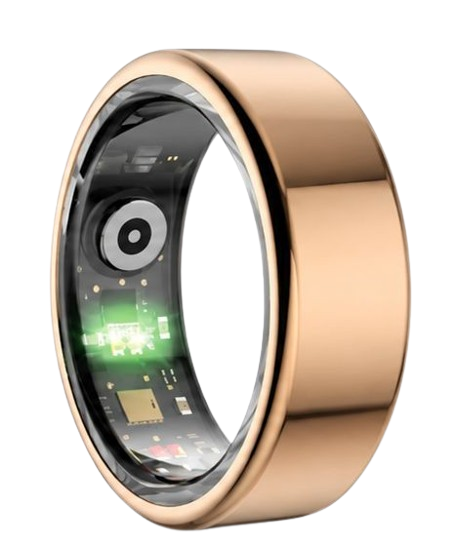
If you have ever woken up in the middle of the night and wondered about your cardiovascular health, you may have asked a critical question: does your heart rate drop when you sleep? Decoding this nightly drop in heart rate while sleeping is essential to understanding your overall recovery, stress tolerance, and autonomic nervous system health. The premium, subscription-free Herz P1 Smart Ring tracks these critical biometric shifts in real time, helping you take charge of your wellness.
Built to Last. Save Up to 69% Today.
The Herz P1 Smart Ring tracks HRV, Sleep, Heart Rate & SpO2 around the clock. No subscriptions. No renewals. Ever.
In This Article
- Nocturnal Deceleration Science: The physiological drivers that naturally slow your heartbeat at night.
- Normal Dipping Parameters: What ideal percentages look like and what abnormal patterns indicate.
- Cardiovascular Autonomic Balance: The complex interplay between the sympathetic and parasympathetic nervous systems during sleep.
- Biometric Tracking Optimization: How to utilize advanced optical sensors to continuously monitor your cardiovascular trends.
Does Your Heart Rate Drop When You Sleep? Here’s What the Science Says

The short and definitive answer is yes, your heart rate must drop when you sleep.
This process is scientifically referred to as nocturnal dipping.
According to the American Heart Association, a healthy cardiovascular system exhibits a noticeable drop in heart rate while sleeping.
This deceleration is not merely a passive side effect of lying flat on your bed.
Instead, it is a highly active, tightly regulated biological process overseen by your autonomic nervous system.
When you transition from wakefulness to slumber, your body shifts its metabolic priorities away from action and toward deep recovery.
This shift allows your cardiac muscle cells to rest, repair, and prepare for the energetic demands of the coming day.
Without this natural nightly break, your cardiovascular organs would remain under sustained high pressure, increasing long-term health risks.
The 5W2H Breakdown of Nocturnal Heart Rate Deceleration
What: Nocturnal heart rate dipping is the biological phenomenon where your heart beats significantly slower during sleep than during wakefulness.
Who: This cardiovascular drop affects all healthy individuals, regardless of age, though baseline values differ based on aerobic fitness.
When: The drop begins immediately during the initial light stages of sleep and reaches its absolute lowest point during deep slow-wave sleep cycles.
Where: The physiological process is regulated deep within the brain stem, specifically inside the cardiovascular control centers of the medulla oblongata.
Why: Your heart slows down to reduce cardiac output, lower systemic blood pressure, and minimize mechanical wear on your arterial walls.
How: The parasympathetic nervous system releases acetylcholine to bind to muscarinic receptors on your heart’s sinoatrial node, slowing the pacemaker rate.
How Much: In a healthy adult, heart rate should ideally drop by 10% to 20% compared to daytime resting baselines.
Understanding these exact mechanisms can help you identify warning signs of chronic stress, overtraining, or hidden sleep disruptions.
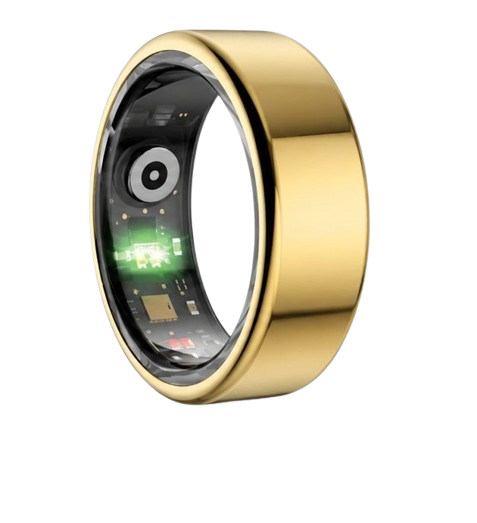
If you want to track this in real time, the Herz P1 Smart Ring monitors your cardiac patterns 24/7 — explore it here to unlock deep, personalized recovery insights.
90-Day 100% Money-Back Guarantee
“The Herz Smart Ring helps me manage stress easily. It’s accurate, stylish, and lightweight—perfect for my busy life!”
— Jennifer P. | ✔ Verified Customer
- ✓ 6-Day Battery Life
- ✓ Detailed Sleep Analysis
- ✓ Fast 1-Hour Charging
- ✓ iOS & Android Ready
Questions? Call: 1-866-479-1629
The Sleep Architecture Secret: How Autonomic Balance Controls Heart Deceleration

To understand resting heart rate drop sleeping, you must examine how sleep stages work together.
Sleep is not a uniform state of unconsciousness.
It is a dynamic cycle that repeats every 90 to 110 minutes.
As you drift through these cycles, your autonomic nervous system actively modulates your cardiovascular functions.
Your autonomic nervous system contains two main divisions: the sympathetic nervous system and the parasympathetic nervous system.
The sympathetic system acts like your body’s gas pedal, managing the fight-or-flight response.
The parasympathetic system acts like your body’s brakes, managing rest-and-digest actions.
When you lay down to rest, the parasympathetic system takes full control of your physiological machinery.
This shift is why resting heart rate drop sleeping occurs so reliably in healthy individuals.
How Heart Rate Behaves Across Sleep Stages
During Light Sleep (Stages N1 and N2), your breathing slows and your muscles begin to relax.
Your heart rate starts its gradual descent here, dropping slightly below daytime resting baselines.
When you enter Deep Sleep (Stage N3, also known as slow-wave sleep), parasympathetic dominance reaches its peak.
Your heart rate drops to its lowest, most stable levels of the entire night.
Your blood pressure also falls, allowing cardiac tissue to undergo essential cellular repair.
The National Sleep Foundation states that this deep stage is crucial for physical recovery and hormone regulation.
Conversely, during Rapid Eye Movement (REM) sleep, your brain becomes highly active, often processing vivid dreams.
In this stage, your heart rate and blood pressure can become irregular and spike temporarily.
This erratic behavior explains why you might observe sudden cardiac spikes during sleep tracking.
If you have ever asked, why does my heart rate drop when i sleep, the answer lies in this delicate balancing act between deep recovery stages and active dreaming states.
A healthy heart should exhibit a clear difference between waking stress and sleeping rest.
This difference can be accurately measured using a metrics-driven device like the Herz P1 Smart Ring.
The finger-based multispectral PPG sensors of the Herz P1 capture these subtle shifts, mapping out your autonomic nervous system balance with scientific precision.
Quantifying Nocturnal Dipping: What Your Sleep Heart Rate Reveals
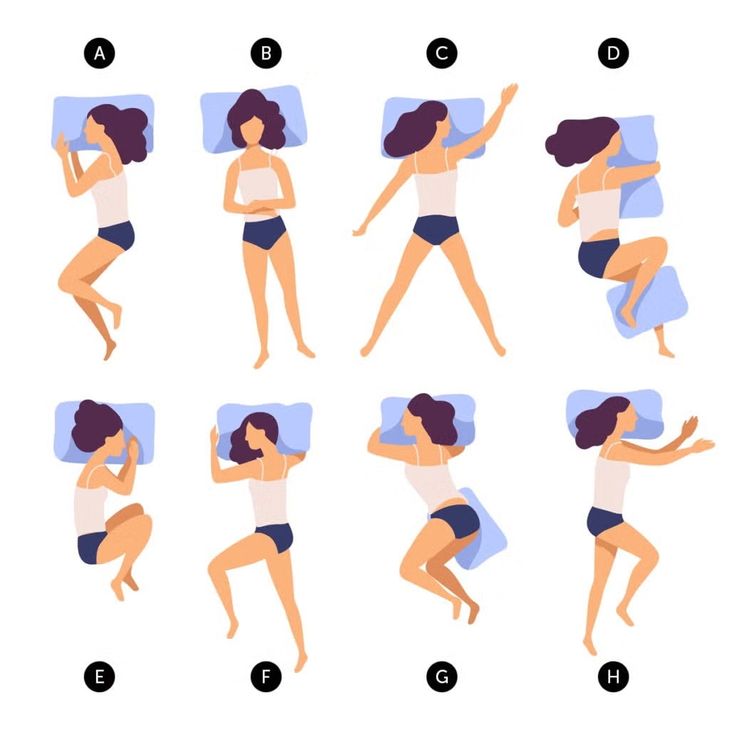
Determining how low does heart rate go when sleeping is highly unique to your personal health profile.
For most healthy adults, a normal sleeping heart rate ranges between 40 and 60 beats per minute (bpm).
However, focusing strictly on the raw number can sometimes lead to incomplete conclusions.
Instead, medical professionals evaluate the percentage drop from your average daytime resting heart rate.
This percentage drop is classified into distinct cardiovascular dipping categories.
Categorizing Your Nocturnal Dip
Normal Dippers: A heart rate reduction of 10% to 20% compared to daytime values.
This range indicates an efficient parasympathetic system and a well-rested cardiovascular network.
Extreme Dippers: A heart rate reduction of more than 20%.
This is frequently observed in highly trained endurance athletes whose heart muscles are exceptionally strong and efficient.
Non-Dippers: A heart rate reduction of less than 10%.
This pattern suggests your body is struggling to relax, keeping your cardiovascular system under persistent stress.
Inverse Dippers (Risers): A heart rate that actually rises during sleep compared to waking baselines.
This unusual pattern may point to severe sleep disruptions, high mental stress, or underlying health issues that warrant clinical evaluation.
To visualize this clearly, consider the comparative data below compiled from active health tracking observations:
| Dipping Category | Percentage Drop | Typical Health Interpretation | Recommended Action Plan |
|---|---|---|---|
| Normal Dipper | 10% to 20% | Optimal parasympathetic activation and low cardiovascular strain. | Maintain current sleep hygiene and activity levels. |
| Extreme Dipper | > 20% | Common in athletes; indicates superior vagal nerve tone. | Ensure adequate caloric intake and monitor daytime energy. |
| Non-Dipper | < 10% | Sustained sympathetic dominance; high physical or mental stress. | Reduce evening stimulants, manage stress, and track late-night meals. |
| Inverse Dipper | 0% (or increase) | Elevated nocturnal workload; possible severe sleep fragmentation. | Consult with a medical professional to evaluate sleep architecture. |
If you notice that your lowest heart rate during sleep remains stubbornly high, your body may be trapped in a constant state of fight-or-flight.
This elevation can occur due to late-night meals, alcohol consumption, high anxiety, or sleep apnea.
In some cases, a user might notice that their heart rate drops to 40 when sleeping.
For fit individuals, this is generally a sign of excellent cardiovascular conditioning.
However, if you feel fatigued, dizzy, or weak during the day, a low nocturnal rate should be discussed with a doctor.
Using a lightweight health tracker like the Herz P1 Smart Ring makes keeping an eye on these trends effortless.
By measuring your metrics at the base of your finger, where capillary blood flow is highly accessible, the Herz P1 tracks these dips with clinical-grade accuracy.
How to Monitor and Optimize Your Nocturnal Heart Rate Trends
Achieving a healthy heart rate lower when sleeping requires consistent lifestyle habits and precise data tracking.
Simply guessing your sleep quality based on how tired you feel in the morning is highly unreliable.
By utilizing continuous biometric monitoring, you can easily identify what factors disrupt your nightly rest.
The goal is to help your cardiovascular system settle into a restorative state as quickly as possible after sleep onset.
When you optimize this transition, your heart stays in its restorative zone for a longer portion of the night.
Key Lifestyle Adjustments to Improve Nocturnal Dipping
First, pay close attention to the timing of your final meal of the day.
Eating heavy meals within three hours of bedtime forces your digestive system to work overtime, keeping your heart rate elevated.
Second, limit alcohol consumption in the evening.
While alcohol may make you feel drowsy, it significantly impairs your parasympathetic nervous system, leading to a shallow nocturnal dip.
Third, establish a calming wind-down routine to lower your mental workload.
Reducing exposure to blue screens and practicing deep breathing exercises helps signal to your vagus nerve that it is safe to slow down.
Finally, pay attention to physical recovery and avoid late-night high-intensity workouts.
Exercise is highly beneficial, but training too close to bedtime keeps cortisol levels high, delaying your cardiac deceleration.
By monitoring these trends, you can easily determine exactly why does my heart rate drop when i sleep and what habits interrupt this natural pattern.
The Herz P1 Smart Ring translates this complex data into a simple, easy-to-read daily Recovery Score.
Through the free companion app, you can easily view your heart rate curves and adjust your daily habits for optimal rest.
Why Your Wearable Choice Matters: Overcoming Bulk and Hidden Costs
Many health-conscious individuals try to track their sleep metrics using traditional smartwatches.
However, wearing a bulky, heavy watch to bed can often create the very sleep disruptions you are trying to resolve.
Large wristwear can catch on your sheets, irritate your skin, and feel uncomfortable when resting your head on your hands.
Additionally, smartwatches must be charged almost daily, leading to frequent tracking gaps when the device dies overnight.
Furthermore, several premium smart rings on the market lock your health data behind monthly subscription paywalls.
This means that after purchasing an expensive device, you must continue to pay to see your own biometric trends.
The Herz P1 Advantage: Comfort, Durability, and Transparency
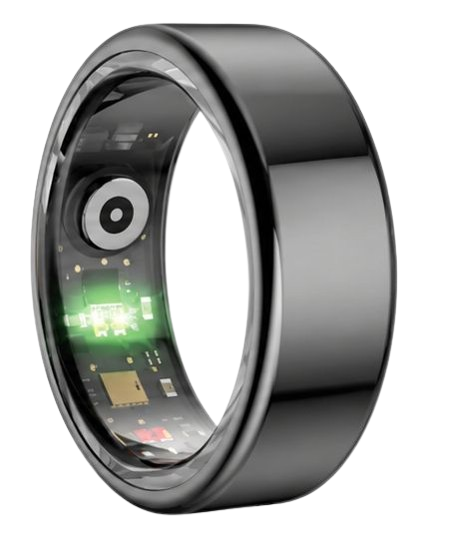
The Herz P1 Smart Ring is engineered to overcome these exact pain points.
Crafted from military-grade steel, it is incredibly durable yet lightweight enough that you will barely feel it on your finger.
With a battery that lasts up to 6 days on a single charge, you can track your sleep consistently without charging anxiety.
Best of all, the Herz P1 requires no monthly subscription fees, ensuring lifetime access to all your biometric trends.
You can easily view your sleeping patterns and confirm that your heart rate lower at night is aligning with healthy medical baselines.
This combination of durability, long-lasting battery life, and financial transparency makes the Herz P1 the ultimate wellness tracker.
Frequently Asked Questions About Nocturnal Heart Rates
To help you better understand your sleeping biometrics, here are answers to the most common questions about overnight heart rates.
Is the Herz P1 Smart Ring fully waterproof?
Yes, the Herz P1 features a certified IP68 waterproof rating, allowing it to withstand water depths up to 164 feet.
This means you can confidently wear it while washing your hands, showering, swimming, or working up a sweat.
How long does the Herz P1 battery last on a single charge?
The Herz P1 offers an impressive 6-day battery life under standard continuous tracking conditions.
When it is time to recharge, the ring reaches a full 100% charge in less than 1 hour using the included magnetic charging dock.
Which finger is best to wear my smart ring on for accurate tracking?
The index, middle, or ring finger of your non-dominant hand typically provides the most stable and accurate biometric readings.
The non-dominant hand experiences fewer high-impact movements, reducing physical sensor movement and ensuring clean optical signals.
Does the Herz P1 Smart Ring store my health data offline?
Yes, the ring features local offline memory that securely stores up to 7 days of raw biometric data.
As soon as you open the companion app on your phone, the ring automatically syncs all stored metrics via Bluetooth.
Is a heart rate of 40 bpm while sleeping dangerous?
For fit individuals and athletes, a sleeping heart rate of 40 bpm is a sign of excellent cardiovascular efficiency.
However, if you experience daytime fatigue, dizziness, or shortness of breath, you should consult a healthcare professional to rule out bradycardia.
Conclusion
Monitoring your nightly cardiovascular dip is a powerful window into your body’s overall recovery and nervous system health.
Ready to monitor your health every day? Explore the Herz P1 Smart Ring and see if it fits your lifestyle. Call: 1-866-479-1629 — our team can help you advise on the correct ring size and set personalized health goals.
