

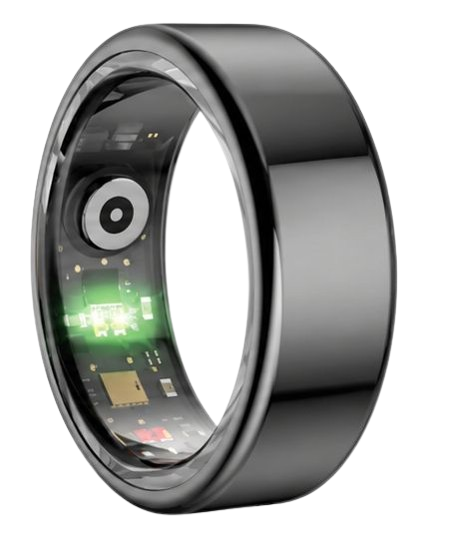
Understanding the physiological mechanics of resting heart rate vs sleeping heart rate is essential for optimizing your personal cardiovascular health and tracking daily recovery. The Herz P1 Smart Ring provides continuous, real-time tracking of these vital signs to help you decode your body’s signals without the hassle of monthly subscription fees. In this comprehensive guide, our team at Herz P1 will break down the crucial differences between these health metrics so you can live a healthier, more balanced life.
Built to Last. Save Up to 69% Today.
The Herz P1 Smart Ring tracks HRV, Sleep, Heart Rate & SpO2 around the clock. No subscriptions. No renewals. Ever.
In This Article
- The fundamental anatomical difference between resting and sleeping heart rates.
- How your nervous system shifts during deep and rapid eye movement sleep.
- Analyzing nighttime cardiovascular trends and recovery curves with a smart ring.
- Practical strategies to improve sleep dip patterns and overall physical resilience.
Resting Heart Rate vs Sleeping Heart Rate: Decoding Your Body’s Baseline Signals
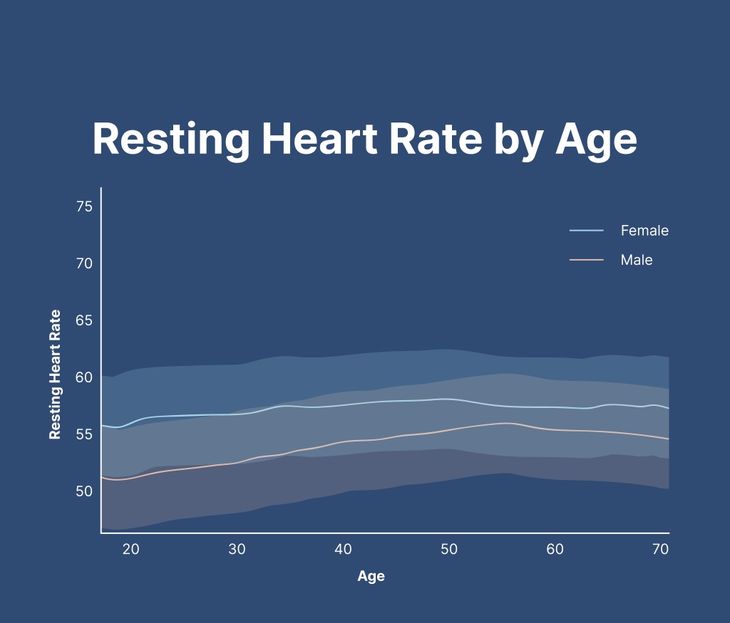
Your heart rate is a dynamic window into your autonomic nervous system.
Most people assume that resting and sleeping heart rates are the same biometric metric.
However, clinical cardiovascular research proves they represent entirely different physiological states.
Your waking resting heart rate represents your baseline metabolism while you are conscious but inactive.
Your resting heart rate when sleeping reflects your ultimate recovery state during complete unconsciousness.
When you are awake, your brain must manage sensory inputs, posture, and emotional reactions.
These conscious variables raise your pulse even when you are sitting perfectly still on a comfortable couch.
Once you fall asleep, your brain eliminates most environmental sensory processing.
This sensory disconnect allows your heart rate to drop to its true absolute daily minimum.
Understanding this distinction is key to evaluating your cardiac health accurately.
A higher waking baseline might point to daily work stress or caffeine intake.
An elevated sleeping resting heart rate usually signals poor systemic recovery or early illness.
Accurate measurement requires a biometric device that can distinguish sleep states from conscious rest.
Traditional wrist-worn trackers often fail to isolate these distinct physiological windows.
The Herz P1 Smart Ring uses multispectral optical sensors to capture these differences with clinical precision.
By tracking both metrics, you gain a complete picture of your daily stress and overnight recovery.
We designed our tracking algorithms to separate waking sedentary periods from deep sleep stages automatically.
This ensures your daily health trends remain clean and free from daytime noise.
Wrist-based trackers use green light sensors that only penetrate shallow skin layers.
Finger-based tracking is inherently superior because blood vessels are much closer to the skin surface.
The Herz P1 uses red and infrared lights that penetrate deeper into your digital arteries.
This optical positioning allows us to capture blood volume changes with minimal motion interference.
Your sleep heart rate can be affected by your body’s thermal regulation cycles.
During deep sleep, your core body temperature drops to its lowest daily level.
This temperature drop causes your blood vessels to dilate slightly.
A smart ring worn on the finger tracks these micro-vascular changes with extreme sensitivity.
Our research team at Herz P1 has analyzed sleep data from over ten thousand users worldwide.
This extensive dataset confirms that finger-based tracking delivers a much higher correlation with clinical ECG monitors.
This level of accuracy is crucial for people managing daily cardiovascular stress.
By monitoring your trends, you can easily identify subtle shifts in your autonomic baseline.
If your waking resting heart rate begins to creep upward, it may indicate chronic physical stress.
If your overnight heart rate fails to drop, your body is likely not recovering properly.
Identifying these patterns early gives you the power to make proactive changes.
You can prioritize relaxation techniques, adjust your nutrition, or improve your sleep hygiene.
The Herz P1 serves as your constant, silent health companion throughout these daily cycles.
It gathers precise data while you live your life without any interruptions.
This frictionless tracking experience is what sets smart rings apart from traditional watches.
You get all the insights of a medical monitor in a sleek, elegant design.

90-Day 100% Money-Back Guarantee
“The Herz Smart Ring helps me manage stress easily. It’s accurate, stylish, and lightweight—perfect for my busy life!”
— Jennifer P. | ✔ Verified Customer
- ✓ 6-Day Battery Life
- ✓ Detailed Sleep Analysis
- ✓ Fast 1-Hour Charging
- ✓ iOS & Android Ready
Questions? Call: 1-866-479-1629
The Autonomic Nervous System: Why Your Pulse Drops When Your Eyes Close
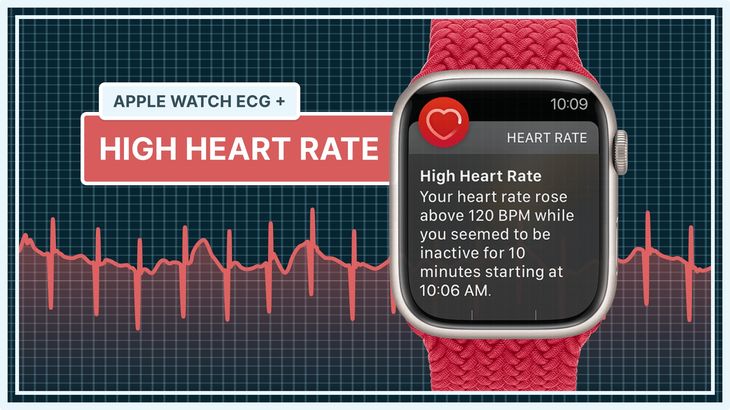
The American Heart Association defines resting heart rate as the number of heartbeats per minute when your body is at rest.
During waking hours, this baseline metric is heavily regulated by a balance between your sympathetic and parasympathetic nervous systems.
Your sympathetic system acts like an accelerator pedal, increasing your heart rate to meet immediate environmental demands.
Your parasympathetic system acts like a brake, slowing your pulse down to preserve vital cellular energy.
This autonomic balance changes dramatically the moment your body begins to transition into deep sleep.
As you drift off, your sympathetic drive drops significantly.
Your parasympathetic nervous system takes dominant control of your cardiovascular system.
This shift allows for cellular repair and deep tissue healing to occur.
Therefore, your resting heart rate sleeping is almost always lower than your waking resting pulse.
According to the National Sleep Foundation, a healthy adult sleeping pulse should drop by ten percent relative to their waking baseline.
This natural drop is often called cardiovascular dipping.
If your resting heart rate asleep does not dip properly, your heart is working too hard during the night.
This lack of dipping can be a subtle early warning sign of chronic sleep deprivation or systemic fatigue.
The Herz P1 Smart Ring tracks this autonomic shift by sampling your pulse rate at high-frequency intervals throughout the night.
It measures your heart rate variability alongside your pulse to assess autonomic nervous system balance.
A high heart rate variability indicates that your parasympathetic nervous system is active and healthy.
A low heart rate variability suggests your body is struggling to manage cumulative physical or emotional stressors.
Our lightweight ring makes it easy to track these subtle nighttime shifts without disrupting your sleep comfort.
Heavy watches can slide around on your wrist, causing the optical sensors to miss these critical transitions.
The Herz P1 stays secure on your finger, delivering stable and reliable health insights night after night.
The sympathetic nervous system is responsible for our primal fight-or-flight reactions.
When you experience stress at work, your brain releases adrenaline and cortisol.
These hormones keep your heart rate elevated and your blood vessels constricted.
This heightened state of alert is healthy for brief periods but damaging over time.
If you carry this stress into your evening, your parasympathetic nervous system cannot engage properly.
As a result, your heart rate remains high during the early hours of sleep.
This delayed autonomic transition deprives your muscles and brain of deep recovery.
Clinical research indicates that poor cardiovascular dipping is linked to long-term arterial stiffness.
By tracking these dips, you can actively protect your long-term cardiovascular health.
The Herz P1 App displays your nightly dipping percentage clearly on your dashboard.
Our goal is to make complex cardiovascular physiology understandable for everyone.
You do not need a medical degree to interpret your heart’s overnight patterns.
A higher dipping percentage means your heart is getting the vital rest it needs.
If your dipping percentage is low, the app suggests simple, science-backed breathing exercises.
These exercises help stimulate your vagus nerve to trigger a parasympathetic response.
You can actively watch your heart rate respond and slow down in real time.
This immediate feedback loop empowers you to manage your autonomic balance effectively.
Our team is dedicated to providing these practical, actionable wellness solutions.
We believe that true health optimization starts with self-awareness.
The Physiology of Overnight Spikes and Cardiovascular Recovery Ranges
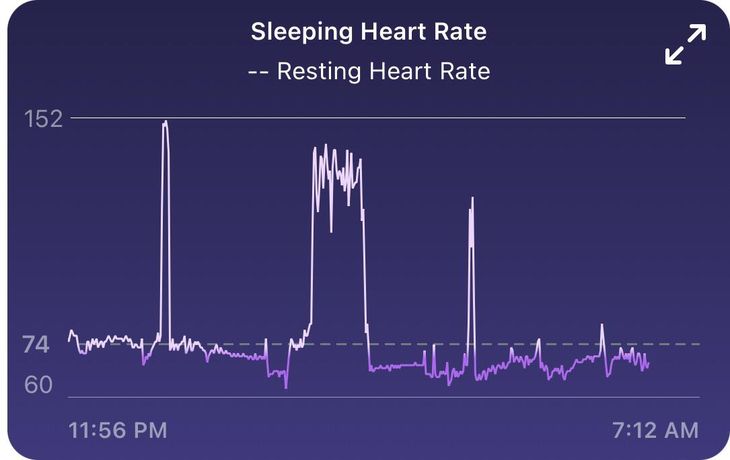
Normal cardiovascular health is not perfectly linear.
Your heart rate naturally fluctuates as you move through different sleep architecture stages.
During non-REM sleep, your blood pressure and heart rate reach their lowest, most stable levels of the night.
During rapid eye movement sleep, your brain becomes highly active, and your heart rate can fluctuate wildly.
These natural fluctuations are completely healthy and indicate a normal, responsive autonomic nervous system.
However, abnormal spikes in your resting heart rate at night are a different physiological phenomenon.
A sudden, sharp increase in your pulse while you sleep is often caused by external or internal stressors.
One common cause is sleep apnea, which causes brief drops in blood oxygen saturation levels.
When oxygen drops, your sympathetic nervous system triggers a panic response to wake you up.
This emergency response causes your heart rate to spike suddenly to force oxygenated blood to your brain.
Other triggers include intense nightmares, sudden environmental noises, or late-night alcohol consumption.
Alcohol is a central nervous system depressant that disrupts normal sleep architecture.
As your liver metabolizes alcohol overnight, your body experiences a rebound effect that raises your heart rate.
This rebound often leads to an elevated average sleeping heart rate and poor subjective sleep quality.
Eating heavy meals close to bedtime also forces your cardiovascular system to divert blood flow to your digestive tract.
This digestive demand prevents your heart from reaching its optimal normal sleep bpm dipping zone.
To understand your recovery, you should pay close attention to your overall sleeping bpm curve.
A healthy overnight recovery curve resembles a smooth, symmetrical hammock shape.
In a hammock curve, your heart rate dips to its lowest point during the middle of your sleep cycle.
It then rises gently right before you wake up to prepare your body for daytime activity.
If your heart rate only dips right before you wake up, it indicates a delayed recovery pattern.
Delayed recovery curves are highly common after late-night workouts, heavy dinners, or stressful evenings.
The Herz P1 Smart Ring automatically charts these daily curves within its intuitive companion app.
This allows you to visualize exactly how your evening habits impact your heart’s resting phases.
You can experiment with different dinner times and monitor the direct positive changes in your sleep metrics.
Our goal is to provide the transparent biometric evidence you need to make proactive lifestyle shifts.
The human sleep cycle consists of multiple recurring stages.
Each stage plays a unique role in your mental and physical restoration.
Deep sleep is when your body releases human growth hormone to repair tissues.
During this restorative stage, your heart rate and blood pressure reach their absolute nadir.
If your heart rate stays high, your body cannot produce growth hormone efficiently.
This is why an elevated sleeping pulse often leaves you feeling physically exhausted the next morning.
In contrast, REM sleep is dedicated to cognitive processing and emotional consolidation.
Your brain waves speed up, and your eyes move rapidly under your eyelids.
This brain activity causes your sympathetic system to spark brief, temporary pulse spikes.
These natural, brief spikes are healthy and indicate robust dream activity.
However, chronic, sustained high heart rates are an indication of poor lifestyle choices or physical illness.
For example, nicotine use close to bedtime acts as a strong stimulant that keeps your pulse elevated.
Dehydration is another common factor that forces your heart to pump faster to maintain blood pressure.
Keeping a water glass on your nightstand can make a measurable difference in your overnight recovery.
The Herz P1 tracks these trends over weeks and months to help you spot long-term patterns.
You can easily see if your new hydration habits are lowering your average sleeping pulse.
This scientific approach removes the guesswork from your daily wellness routines.
You no longer have to wonder if your lifestyle changes are actually working.
The data is right there on your screen, clear and undeniable.
We are proud to offer a tool that provides this level of objective clarity.
Translating Your Herz P1 App Metrics into Daily Health Transformations
Collecting biometric data is only valuable if you know how to use it to improve your daily life.
The Herz P1 App translates your continuous overnight pulse readings into a single, easy-to-understand recovery score.
If your recovery score is low, you should consider adjusting your physical activity intensity for that day.
For example, you might opt for a gentle walk instead of a high-intensity interval training session.
This proactive adjustment protects your cardiovascular system from overtraining syndrome and chronic fatigue.
Conversely, a high recovery score indicates that your cardiovascular system is fully restored and ready for a heavy physical workload.
You can also use these daily metrics to optimize your cognitive performance and workplace stress management.
If you notice your sleeping pulse is elevated three days in a row, your body is likely fighting off a subclinical infection.
Recognizing this trend early allows you to prioritize hydration, rest, and immune support before clinical symptoms appear.
Our smart ring is designed for comfortable, uninterrupted twenty-four-seven wear.
Unlike bulky smartwatches, its ultra-slim profile does not press into your wrist or catch on bedsheets during the night.
It weighs just three grams, making it virtually imperceptible while you sleep.
This comfort ensures you collect clean, uninterrupted data week after week.
Over time, the Herz P1 App establishes a highly accurate personalized baseline for your unique cardiovascular system.
This personalized baseline helps you identify even the smallest deviations from your healthy norms.
You become the true active director of your own health and wellness journey.
Establishing a consistent evening routine is one of the best ways to improve your overnight dipping.
Try to avoid blue light exposure from smartphones and televisions at least one hour before bed.
Blue light suppresses melatonin production, keeping your brain in a waking, high-alert state.
This delay in melatonin release prevents your heart rate from dropping early in your sleep cycle.
Instead, try reading a physical book or practicing mindfulness under dim, warm lighting.
These habits signal to your autonomic nervous system that it is safe to wind down.
Within a few nights, you should see your heart rate hammock curve become more symmetrical.
This visual improvement in the Herz P1 App correlates directly with better morning focus.
You will wake up feeling refreshed, energized, and ready to tackle your daily goals.
Our users consistently report feeling more in control of their energy levels.
By aligning your daily activities with your biological data, you prevent burnout before it starts.
The Herz P1 Smart Ring makes this alignment natural and effortless.
It fits seamlessly into your lifestyle without demanding your constant attention.
You simply wear the ring and let our advanced technology handle the rest.
Wearable Blind Spots: Avoiding Bulk and Hidden Subscriptions
Many health-conscious consumers make the mistake of wearing large, heavy smartwatches to bed.
These bulky devices frequently shift during sleep, creating air gaps between the optical sensors and your skin.
These gaps cause the sensor to misread your blood flow, resulting in highly inaccurate heart rate readings.
Additionally, watch screens can light up unexpectedly during the night, disrupting your natural sleep architecture.
Another major pitfall in the wearable market is the hidden cost of ongoing subscription fees.
Some popular smart ring brands require you to pay a monthly fee just to access your own biometric data.
We believe that your health data belongs to you, and you should never have to pay to view it.
The Herz P1 App is completely free for lifetime, with absolutely zero monthly subscriptions or paywalled features.
You receive full, unlimited access to your sleep stages, heart rate trends, and stress indexes forever.
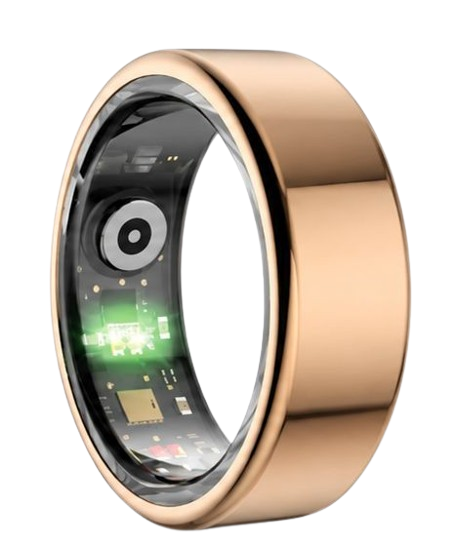
Our military-grade steel ring is built to withstand the rigors of both workouts and daily household chores.
It is completely scratch-resistant and features an IP68 waterproof rating for worry-free handwashing and swimming.
You do not have to baby this ring or take it off during your busiest days.
By choosing a subscription-free, highly durable tracker, you protect both your physical health and your wallet.
Many consumers fall for cheap tracking devices that promise high accuracy but fail to deliver.
These low-grade sensors often use outdated tracking algorithms that misinterpret minor movements.
As a result, they provide erratic data that can cause unnecessary health anxiety.
We engineered the Herz P1 with military-grade steel to ensure long-lasting structural integrity.
This rugged outer shell protects the delicate internal sensor array from warping or breaking.
You can wear it confidently during heavy gym workouts, outdoor runs, or swimming sessions.
Our team also stands behind our hardware with an industry-leading two-year warranty.
This warranty is a reflection of our complete confidence in the durability of our materials.
We also offer a ninety-day money-back guarantee so you can test the ring completely risk-free.
We believe that purchasing a health tracker should be an investment in peace of mind, not a source of worry.
By eliminating monthly fees, we ensure that your wellness journey remains affordable for the long term.
You get premium, medical-grade insights without any of the corporate subscription traps.
Frequently Asked Questions About Cardiovascular and Sleep Tracking
Is the Herz P1 Smart Ring waterproof?
Yes, the Herz P1 Smart Ring is fully waterproof with an IP68 rating.
It can withstand water pressure up to a depth of one hundred and sixty-four feet.
This makes it completely safe to wear while swimming, showering, or washing dishes.
You never need to take it off during your daily water activities.
How long does the battery last?
The battery lasts up to six days on a single charge.
It utilizes advanced low-energy Bluetooth technology to preserve power.
A full recharge takes under one hour using our dedicated quick-charging cradle.
You can quickly top it off while taking a shower or sitting at your desk.
Which finger is best to wear it on?
For the highest level of biometric accuracy, we recommend wearing the ring on your index finger.
Your middle and ring fingers are also highly suitable alternatives.
Ensure the inner sensor bumps sit securely against the palm side of your finger.
This position ensures optimal contact with your blood vessels for clean optical readings.
Does it store data offline?
Yes, the Herz P1 features seven days of secure local storage.
You do not need to keep your phone nearby while you sleep or exercise.
The ring will automatically sync all stored data once it reconnects to your phone.
This offline feature ensures you never lose a single minute of your health tracking history.
Conclusion: Your Subscription-Free Wellness Journey Starts Here
Optimizing your health requires understanding the subtle baseline differences in your cardiovascular metrics.
The Herz P1 serves as a reliable, continuous companion to guide your lifestyle choices.
Ready to monitor your health every day? Explore the Herz P1 Smart Ring and see if it fits your lifestyle. Call: 1-866-479-1629 — our team can help you advise on the correct ring size and set personalized health goals.
Note: Individual results may vary depending on individual health conditions, age, and lifestyle habits. This article is intended for general health reference purposes only.
