

Monitoring your heart rate during deep sleep is one of the most effective ways to measure how well your cardiovascular system recovers overnight. By tracking these subtle biometric shifts, the Herz P1 smart ring helps you understand your body’s true recovery status without bulky equipment. Let’s look at what your overnight pulse indicates about your fitness, stress levels, and autonomic nervous system health.
Built to Last. Save Up to 69% Today.
The Herz P1 Smart Ring tracks HRV, Sleep, Heart Rate & SpO2 around the clock. No subscriptions. No renewals. Ever.

In This Article
- Learn how to optimize your overnight recovery step-by-step using precise sleep data.
- Understand the physiology of slow-wave sleep and its deep impact on cardiovascular health.
- Discover the scientific differences between sleep stages and how they influence your heart rate.
- Identify common tracking mistakes and learn how to maintain flawless data accuracy.
How to Optimize Your Overnight Cardiovascular Recovery and Sleep Quality: A Step-by-Step Guide
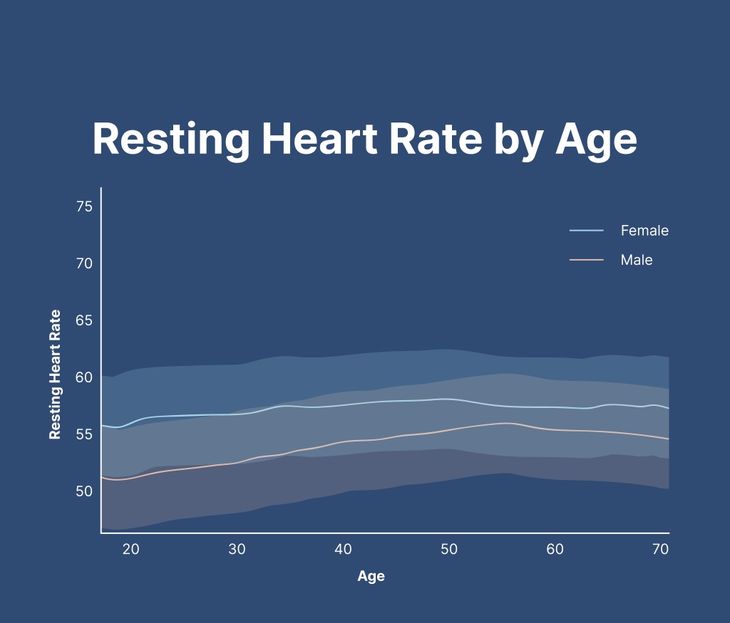
To successfully improve your sleep quality, you need to follow structured, evidence-based practices.
Having a high-quality biometric sensor is highly recommended to monitor your nightly physical progress.
You must also commit to regular habits that directly support your parasympathetic nervous system.
Step 1: Establish Your Baseline Sleeping Pulse Rate
Begin by tracking your resting biometrics over a period of seven consecutive nights.
This foundational timeline allows you to establish a highly personalized baseline.
Most adults will find their resting heart rate when sleeping stabilizes after several days of consistent measurement.
Avoid looking at single-night anomalies as they rarely represent your true biological status.
Keep a consistent sleep schedule during this initial tracking phase to protect your data integrity.
Step 2: Implement a Progressive Wind-Down Protocol
Begin your wind-down routine exactly ninety minutes before your scheduled bedtime.
Dim all ambient household lighting to signal your brain that the day is ending.
Exposure to blue light suppresses natural melatonin production and keeps your autonomic nervous system elevated.
Replace digital screen time with reading or light stretching to lower your physical arousal.
A lower pre-sleep arousal state directly facilitates a healthier sleeping heart rate vs resting heart rate drop.
Step 3: Manage Your Evening Thermal Environment
Set your bedroom thermostat to a temperature between sixty-five and sixty-eight degrees Fahrenheit.
Your core body temperature must decrease to initiate deep slow-wave sleep cycles.
Hot sleeping environments force your heart to beat faster to dissipate excess heat.
Use breathable cotton or bamboo bedding to optimize convective heat transfer from your skin.
Managing your temperature directly encourages a natural sleeping bpm decline during the early hours.
Step 4: Time Your Caloric Intake and Stimulant Cutoffs
Establish a strict curfew for caffeine intake at least ten hours before bedtime.
Consume your final meal of the day at least three hours before sleeping.
Your digestive tract requires significant blood flow and metabolic energy to process heavy late-night meals.
An active digestive system prevents your cardiovascular system from entering its lowest recovery state.
Restricting late-night calories is the fastest way to stabilize your resting heart rate asleep.
Step 5: Track and Analyze Your Autonomic Response
Review your overnight data every morning to assess how your body responded to previous-day stressors.
Look closely at your sleep architecture trends over weekly and monthly intervals.
Consistent dips in your heart rate indicate robust cardiovascular recovery and proper training balance.
Adjust your physical training or work demands when you notice a lack of overnight pulse drop.
Continuous tracking gives you the precise insights needed to proactively manage your long-term energy.
The Herz P1 smart ring makes this optimization process simple, comfortable, and completely seamless.
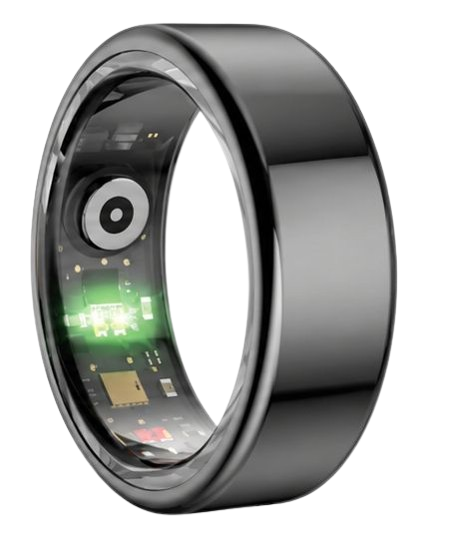
Its ultra-lightweight, military-grade steel construction ensures you never feel restricted while sleeping.
By tracking your biometrics continuously throughout the night, we provide the clean data you need to thrive.
90-Day 100% Money-Back Guarantee
“The Herz Smart Ring helps me manage stress easily. It’s accurate, stylish, and lightweight—perfect for my busy life!”
— Jennifer P. | ✔ Verified Customer
- ✓ 6-Day Battery Life
- ✓ Detailed Sleep Analysis
- ✓ Fast 1-Hour Charging
- ✓ iOS & Android Ready
Questions? Call: 1-866-479-1629
The Biological Importance of Your Heart Rate During Deep Sleep
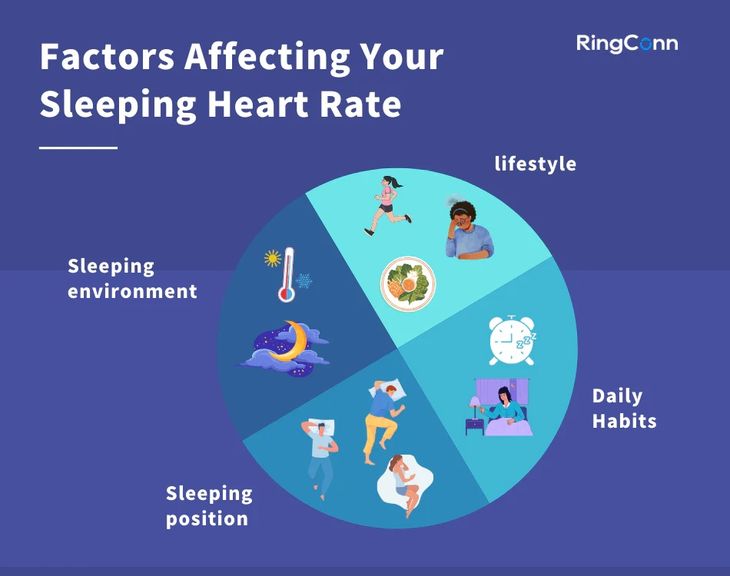
The cardiovascular system undergoes dramatic, restorative shifts during slow-wave sleep.
During this deep stage, your parasympathetic nervous system assumes complete dominance over physical functions.
Your body releases natural vasodilators, which relax blood vessels and reduce overall arterial pressure.
This crucial phase allows your cardiac muscle to rest, rebuild, and recover from daytime exertion.
A healthy physiological response involves a significant drop in your deep sleep heart rate compared to daytime baselines.
According to research from the American Heart Association, a dip of ten to twenty percent is highly typical.
If your heart rate remains elevated during these deep stages, your body may be struggling with chronic stress.
Over-training, late-night alcohol use, and hidden infections are common culprits behind an elevated sleeping pulse.
Tracking these fluctuations over time helps you spot trends before they turn into serious fatigue.
The National Sleep Foundation emphasizes that consistent deep sleep is essential for physical repair.
Without this nightly cardiovascular rest, your arterial walls experience sustained stress that can build up over years.
Monitoring these baseline patterns helps you make data-informed adjustments to your daily habits.
The continuous sensing array inside the Herz P1 is engineered to detect these subtle physiological shifts with high fidelity.
With precise multi-wavelength optical sensors, it registers every beat without interrupting your rest.
This ensures you receive a highly accurate, non-invasive look at your nighttime cardiac recovery.
How Sleep Stages Influence Your Heart Rate and Pulse Variability
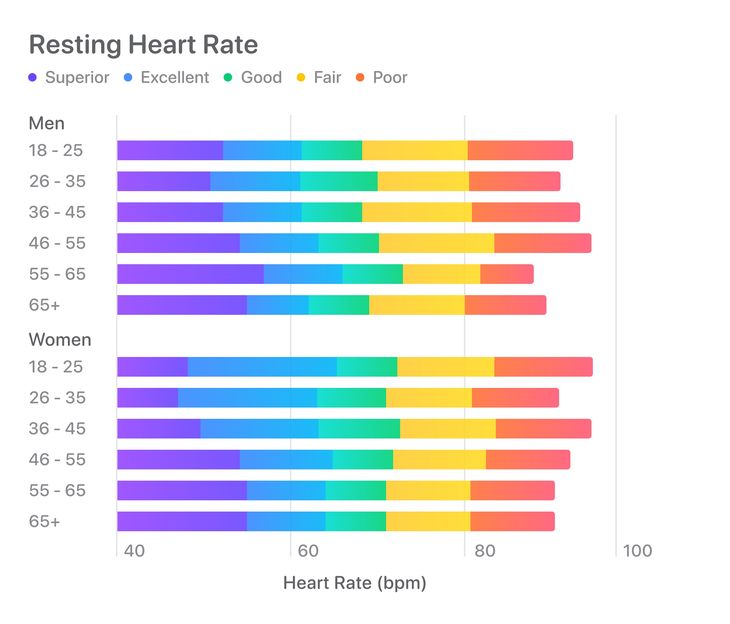
Your heart behaves very differently depending on which sleep stage you are currently experiencing.
During light sleep, your pulse begins its initial, gradual descent toward nighttime lows.
When you enter deep sleep, your heart rate stabilizes at its lowest, most consistent level of the night.
This slow-wave stage is characterized by highly regular breathing and balanced vascular tone.
However, your cardiovascular pattern changes dramatically when you transition into rapid eye movement sleep.
During this stage, we observe a distinct shift in your overall rem sleep and heart rate metrics.
Your brain is highly active during dreams, causing your sympathetic nervous system to fire unpredictably.
This neurochemical activity causes sudden, sharp fluctuations in your overnight cardiovascular rhythm.
Consequently, your rem sleep pulse rate can frequently mirror daytime levels.
These erratic changes are completely normal and represent active cognitive processing and emotional recovery.
Tracking these cycles allows you to see the exact ratio between deep physical rest and active mental recovery.
Maintaining a balanced normal sleep bpm involves keeping your sleep cycles structured and uninterrupted.
Disrupted sleep architecture prevents your heart from remaining in those highly restorative deep phases.
Using advanced multispectral sensors, our team helps you see these delicate stage transitions with superb clarity.
We believe that understanding these patterns is the first step toward masterfully managing your health.
The Herz P1 App displays this sleep architecture beautifully, giving you complete visibility into your night.
Using Your Biometric Data to Optimize Your Daily Fitness and Recovery
The Herz P1 App translates complex raw metrics into clear, actionable advice for your daily schedule.
Every morning, you will receive a personalized readiness score based on your sleep depth and autonomic balance.
A high readiness score indicates your cardiac muscle has fully recovered and is prepared for heavy physical stress.
You can use this score to determine whether to execute a high-intensity workout or prioritize active recovery.
If your baseline metrics indicate poor recovery, consider reducing your training volume for the day.
This proactive management style protects your joints, muscles, and nervous system from structural over-training.
Our lightweight ring makes it exceptionally easy to track these trends around the clock without physical discomfort.
Unlike bulky smartwatches, you will barely notice the sleek steel band on your finger throughout the night.
This comfortable design encourages consistent, long-term wear, which is vital for building accurate biometric trends.
By wearing the ring continuously, you establish a highly reliable, personal health portfolio.
You can then share these trends with your fitness coach or health advisor to make highly informed decisions.
How to Avoid Sleep Tracking Gaps and Biometric Measurement Errors
Many people struggle with inaccurate sleep data due to common hardware and positioning mistakes.
Wearing a heavy, oversized smartwatch to bed is one of the most frequent errors we observe.
Bulky watches easily shift during movement, lifting the optical sensors away from your skin.
This sensor displacement creates tracking gaps and miscalculates your deep sleep metrics.
Another major frustration in the wearable market is the hidden cost of ongoing software subscriptions.
We believe your personal health data should belong to you without any recurring financial barriers.
The Herz P1 App is completely free for a lifetime and will never require a monthly subscription fee.
Additionally, you must ensure your smart ring fits snugly on your chosen tracking finger.
A ring that is too loose will rotate, misaligning the optical sensors with your blood vessels.
Keep your fingers warm before sleeping, as cold skin can temporarily restrict local blood flow and affect PPG readings.
Choose your size carefully using our sizing kit to ensure a secure, comfortable fit every single night.
By avoiding these common traps, you unlock the true power of professional-grade wearable technology.
Frequently Asked Questions About Overnight Heart Rate Tracking
Yes, the Herz P1 is rated IP68 waterproof, meaning it can withstand continuous submersion in water.
You can wear it safely while swimming, showering, bathing, or washing your hands without worrying about water damage.
Its robust construction protects the delicate internal sensors from high humidity and moisture intrusion.
The Herz P1 smart ring offers an impressive battery life of six days under normal usage conditions.
This means you only need to charge your ring once a week, reducing the hassle of constant charging cords.
When the battery does run low, it reaches a full one hundred percent charge in under one hour.
We recommend wearing the Herz P1 on your index, middle, or ring finger for the most accurate readings.
These fingers contain dense capillary beds that provide highly stable blood flow signals to the optical sensors.
Ensure the sensor bump on the inner band remains positioned on the palm side of your finger for optimal data capture.
Yes, the Herz P1 contains local memory that can store up to seven days of biometric data offline.
You do not need to keep your smartphone nearby or connected to Bluetooth throughout the night.
The ring will automatically sync all stored data to your app as soon as a connection is re-established.
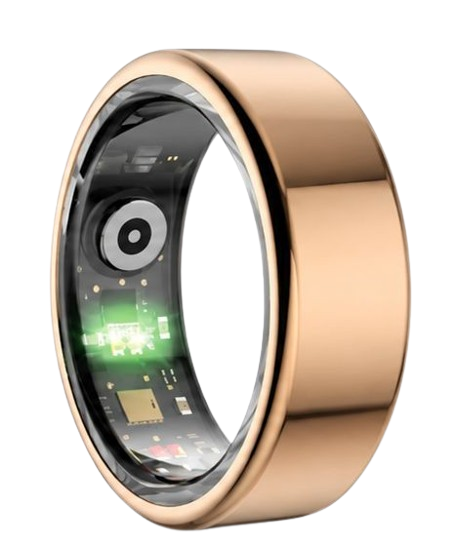
Conclusion: Your Subscription-Free Wellness Journey Starts Here
Achieving a balanced overnight heart rate is a journey toward better long-term wellness.
Let the Herz P1 smart ring serve as your trusted, subscription-free companion.
Ready to monitor your health every day? Explore the Herz P1 Smart Ring.
Call: 1-866-479-1629 — our team can help advise on sizes and set personalized health goals.
