

Evaluating your overnight biometrics can feel overwhelming when trying to make sense of sudden cardiovascular shifts during your rest cycles. The Herz P1 smart ring helps you easily decode your **rem sleep pulse rate** variations without clinical confusion. By identifying precise autonomic trends during vivid dreams, you will gain deep clarity on your heart health, emotional recovery, and daily stress baselines.
Built to Last. Save Up to 69% Today.
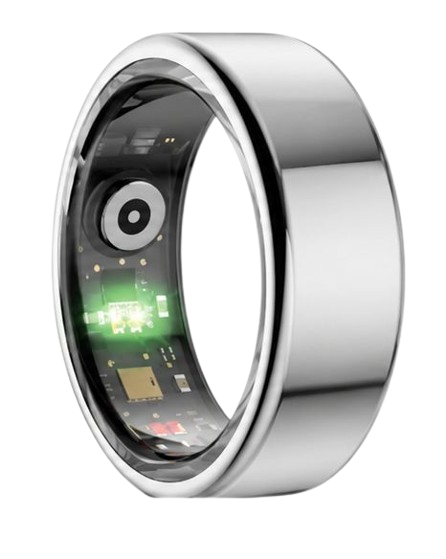
The Herz P1 Smart Ring tracks HRV, Sleep, Heart Rate & SpO2 around the clock. No subscriptions. No renewals. Ever.
In This Article
- How to actively monitor and stabilize your pulse rates during different dreaming phases.
- The neurological science behind autonomic fluctuations and nocturnal heart surges.
- Key biometric differences between physical metabolic recovery and emotional dream processing.
- Practical lifestyle tips to optimize your overnight sleep architecture and data trends.
- How to avoid common sizing mistakes and tracking errors using smart ring technology.
How to Monitor and Optimize Your REM Sleep Pulse Rate: A Step-by-Step Guide
Prerequisites and Preparation
You will need a reliable multi-wavelength sleep tracking wearable to record your overnight cardiac signals.
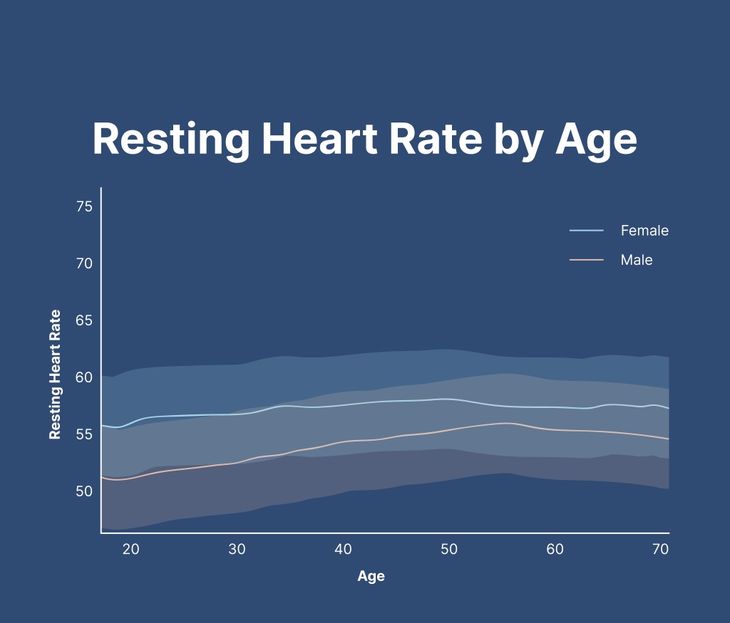
You also need a baseline understanding of your general resting vitals before analyzing complex dream stages.
Consistent wear of your device for at least seven consecutive nights is highly recommended to establish true patterns.
-
Step 1: Establish Your baseline Heart Metrics
Start by tracking your physiological trends over a full week to map your standard cardiovascular behavior.
This tracking allows you to identify your standard resting heart rate when sleeping during quiet, non-dreaming phases.
This average resting score serves as your unique control metric to compare against active sleep cycles.
Make sure to wear your tracker snugly to prevent sensor movement from distorting your baseline values.
-
Step 2: Isolate Your Rapid Eye Movement (REM) Phases
Open your tracking application each morning to review your overnight sleep architecture chart.
Locate the specific color-coded blocks designated for rapid eye movement or active dreaming cycles.
Examine how your heart rate behaves specifically during these highlighted timeline windows.
You will typically see a transition from flat, stable lines to a more jagged and irregular pulse trend.
-
Step 3: Compare Dreaming Metrics with Rest Baselines
Compare your dreaming pulse trends directly against your standard sleeping heart rate vs resting heart rate benchmarks.
Identify whether your heart rate spikes significantly or remains relatively close to your quiet rest averages.
Expect to see mild, temporary elevation during vivid dreams as your brain processes emotional memories.
A highly elevated dreaming pulse that fails to settle down may point to poor physical recovery.
-
Step 4: Keep a Digital Sleep and Lifestyle Journal
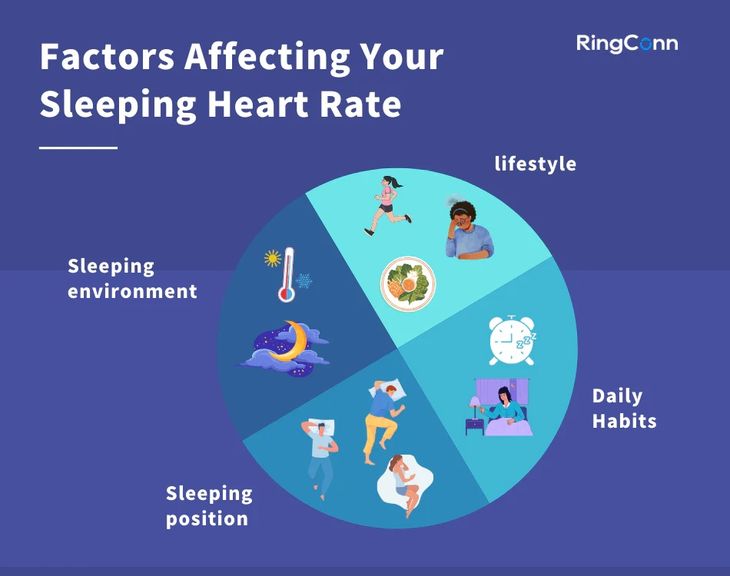
Document daily variables such as late-evening meals, strenuous workouts, alcohol, or psychological stress levels.
Cross-reference these lifestyle inputs with your morning biometric graphs to spot clear physiological relationships.
You will quickly see how late-night stressors directly trigger erratic cardiorespiratory behavior during dreaming states.
This visualization allows you to connect lifestyle choices directly with physical recovery obstacles.
-
Step 5: Apply Targeted Wind-Down Routines
Implement a structured relaxation routine approximately one hour before you plan to go to sleep.
Engage in simple, slow diaphragmatic breathing to actively encourage your nervous system to rest.
This breathing practice shifts your system away from active fight-or-flight responses toward calm restoration.
You will gradually observe a more balanced, less chaotic cardiac trend during your subsequent dreaming phases.
Enhancing the Process with Smart Ring Technology
The Herz P1 smart ring simplifies this entire tracking process by collecting high-fidelity cardiac data right from your finger.
Its advanced optical sensors capture minute blood flow variations without the discomfort of bulky wristbands.
By monitoring these fluctuations automatically, you can make informed adjustments to your evening habits with ease.
90-Day 100% Money-Back Guarantee
“The Herz Smart Ring helps me manage stress easily. It’s accurate, stylish, and lightweight—perfect for my busy life!”
— Jennifer P. | ✔ Verified Customer
- ✓ 6-Day Battery Life
- ✓ Detailed Sleep Analysis
- ✓ Fast 1-Hour Charging
- ✓ iOS & Android Ready
Questions? Call: 1-866-479-1629
Understanding the Science of Heart Rate Fluctuations During REM Sleep
The Role of the Autonomic Nervous System in Dream Stages
Your autonomic nervous system undergoes massive regulatory shifts during a typical eight-hour rest cycle.
Throughout non-dreaming phases, your parasympathetic branch remains highly dominant to support tissue recovery.
This dominance naturally drives down your resting heart rate asleep to ease the workload on your heart.
When you transition into the REM stage, however, your brain initiates a state of intense sympathetic activation.
This sudden sympathetic shift is why the rem sleep and heart rate dynamic looks so visually erratic on tracking graphs.
Your brain waves actually speed up to resemble the electrical patterns seen when you are wide awake.
These active brain waves cause your heart rate to jump and drop rapidly in response to internal dream stimuli.
The National Sleep Foundation states that these frequent autonomic variations are key indicators of normal brain function.
A healthy cardiorespiratory system can navigate these quick neural commands smoothly and return to rest afterward.
Analyzing these subtle variations allows you to observe how well your body manages daily psychological stress.
By reviewing these trends consistently, you gain a clear picture of your nervous system’s overall flexibility.
This deep metric tracking helps you stay ahead of cumulative fatigue before it impacts your waking performance.
Nocturnal Autonomic Pulse Surges Explained
Many individuals occasionally wake up with a racing pulse after experiencing an especially intense dream.
This physical reaction is directly tied to a phenomenon known as nocturnal autonomic pulse surges.
During dream cycles, your body does not maintain a steady, predictable cardiac output.
Instead, your cardiorespiratory center experiences sudden, erratic bursts of sympathetic nervous activity.
These intense bursts can cause your pulse to spike far above your average normal sleep bpm range.
The American Heart Association notes that these brief surges correspond to vivid, active sensory events in dreams.
Your brain perceives the imaginary environment as a real-world scenario requiring immediate physical action.
Although your motor pathways are temporarily paralyzed to protect you, your cardiac center still reacts fully.
This internal reaction shows up on your morning biometric chart as a series of sharp, elevated spikes.
Occasional surges are a sign of a highly responsive, well-functioning autonomic nervous system.
If these pulse spikes occur constantly throughout the night, however, it may indicate a state of chronic exhaustion.
Your tracking device records these micro-surges silently so you can review your cardiac workload objectively.
This detailed overnight tracking ensures you can identify potential recovery issues without expensive clinical tests.
Decoupling Deep Sleep and REM Sleep Biometrics
Metabolic Recovery vs. Emotional Processing
It is vital to recognize that different sleep stages serve entirely separate biological functions.
Deep sleep is primarily dedicated to physical repair, cellular rebuilding, and system-wide metabolic rest.
The biological metrics that govern your deep sleep heart rate reflect this quiet, highly restorative physical state.
Your heart rate drops to its lowest daily levels, allowing your cardiovascular system to rest completely.
Maintaining a stable, low heart rate during deep sleep is a key sign of high-quality physical recovery.
Conversely, the REM stage is almost entirely focused on cognitive maintenance and emotional processing.
Your brain consolidates daily memories and processes complex emotional events while you dream.
This mental work requires increased blood flow and oxygen to support active neural networks.
Consequently, your overall sleeping bpm will fluctuate dynamically as you move through these dreaming windows.
A complete lack of heart rate variability during REM sleep can sometimes indicate mental burnout or exhaustion.
Your body requires both deep physical repair and active dreaming cycles to feel fully restored each day.
An intelligent wearable allows you to monitor both recovery types without guessing or tracking manually.
By observing these distinct biometric waves, you can easily balance your physical training with mental rest.
Harnessing Your Smart Ring Data for Better Sleep
Analyzing your overnight metrics should be simple, clear, and actionable for your daily routine.
The Herz P1 companion application translates complex raw data into an intuitive, visually organized dashboard.
Each morning, you can instantly view your recovery scores and check your sleep stage percentages.
Focus on identifying long-term metric trends rather than stressing over a single unusual night.
If you notice your pulse during dreaming cycles remains highly elevated, consider adjusting your evening habits.
Avoid drinking alcohol or eating large, heavy meals within four hours of your bedtime.
Incorporate light, gentle stretching to help lower your resting cardiorespiratory load before sleep.
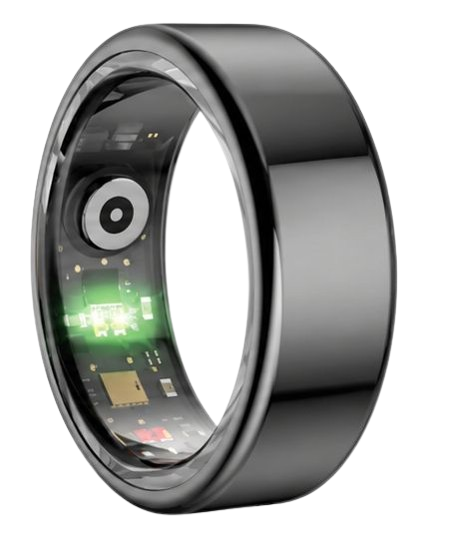
The military-grade steel ring is incredibly lightweight, weighing a mere 3.5 grams for all-day comfort.
You will barely notice the ring on your finger as you drift off into deep, restorative rest.
This comfortable, non-intrusive design ensures you get clean, uninterrupted biometric tracking every single night.
By making small, data-informed lifestyle changes, you will actively improve your energy and focus.
Avoiding Common Sizing and Smartwatch Tracking Pitfalls
Many individuals find it highly uncomfortable to wear a bulky, heavy smartwatch to bed every night.
These oversized wrist devices easily shift during sleep, leading to significant gaps in your data.
A loose, moving sensor cannot maintain the steady contact required for accurate cardiac monitoring.
Additionally, most smartwatches require daily charging, which frequently interrupts your overnight tracking routine.
Many popular wearable brands also lock your long-term health metrics behind expensive monthly paywalls.
We believe you should have full access to your personal biological data without ongoing subscription costs.
The Herz P1 App is entirely free for a lifetime, offering comprehensive metrics with zero hidden charges.
Our smart ring features a highly efficient battery that lasts up to six days on a single charge.
This long battery life eliminates daily charging worries and ensures your overnight metrics are fully recorded.
The ring’s secure, ergonomic fit keeps the multi-wavelength sensors perfectly positioned against your skin.
You can sleep peacefully knowing you are collecting clinical-grade recovery data without any hassle.
Smart Ring Tracking FAQs
Yes, the Herz P1 smart ring features a robust IP68 waterproof design.
It can withstand continuous submersion in water up to a depth of 164 feet.
This complete water protection makes it entirely safe for swimming, showering, and intense workouts.
You do not need to take the ring off when washing your hands or washing dishes.
The advanced internal battery delivers up to six days of continuous health tracking.
It can recharge from zero to one hundred percent in under one hour using the magnetic cradle.
This rapid charging capability means you rarely have to take the ring off your finger.
You will easily capture consistent overnight sleep data without frequent charging interruptions.
We recommend wearing the Herz P1 on your index or middle finger for the most accurate readings.
These specific fingers provide strong vascular pathways that optimize the optical PPG sensors.
Ensure the small raised sensor node on the inner band rests against the palm side of your hand.
A snug yet comfortable fit is key to getting clean, high-quality biometric graphs.
Yes, the smart ring features seven days of secure, built-in local data storage.
Your biometrics are recorded automatically even if your phone’s Bluetooth is turned off.
All stored data will sync seamlessly once you open the companion application near your ring.
This ensures you never lose valuable sleep or heart rate information while traveling.
The ring combines movement data from a 3-axis accelerometer with precise heart rate variability trends.
It analyzes these physical signals to differentiate light, deep, and REM sleep cycles.
Our multispectral PPG sensors track tiny pulse changes to identify autonomic shifts.
This multi-sensor approach provides a detailed, highly accurate map of your sleep architecture.
No, the Herz P1 companion application is completely free for a lifetime.
You get full, unrestricted access to all biometric metrics, trends, and sleep scores.
We do not lock advanced metrics behind a monthly premium paywall.
Your one-time hardware purchase covers all software features and updates forever.
The ring is constructed using premium, military-grade steel for maximum durability.
The inner lining is made of a hypoallergenic, medical-grade resin that is gentle on skin.
This combination ensures the device is completely scratch-resistant and comfortable for daily wear.
It is designed to handle intense gym sessions, outdoor adventures, and everyday tasks.
We provide a comprehensive sizing kit to help you select the perfect fitting ring.
Wear the sample plastic sizer for a full day to account for natural finger swelling.
The ring should fit snugly enough not to slide off, but loose enough to slide over knuckles.
Choosing the correct size is essential for maintaining proper sensor contact and accuracy.

Conclusion: Empower Your Recovery Journey
Your overnight recovery metrics hold the key to unlocking better focus and vitality.
Stabilizing your body signals starts with consistent, accurate tracking.
Ready to monitor your health every day? Explore the Herz P1 Smart Ring and see if it fits your lifestyle. Call: **1-866-479-1629** — our team can help you advise on the correct ring size and set personalized health goals.
Note: Individual results may vary depending on individual health conditions, age, and lifestyle habits. This article is intended for general health reference purposes only.
