

Heart rate variability is a vital window into your autonomic nervous system, but you might wonder: can your hrv be too high? Our team at Herz P1 designed our military-grade tracking ring to help you decode these sudden spikes and daily fluctuations accurately without any confusing monthly fees.
Built to Last. Save Up to 69% Today.
The Herz P1 Smart Ring tracks HRV, Sleep, Heart Rate & SpO2 around the clock. No subscriptions. No renewals. Ever.
In This Article
- Can Your HRV Be Too High? — We analyze what science says about unusually high autonomic scores.
- Physiology of Spikes — Discover how the vagus nerve, ectopic beats, and arrhythmias generate high readings.
- Common Tracking Pitfalls — Why bulky wearables fail and how smart rings capture stable resting data.
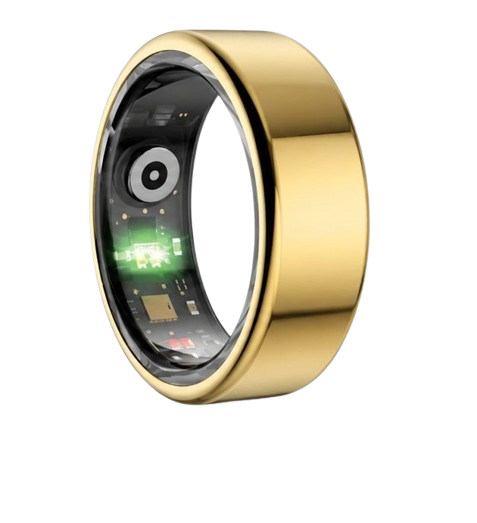
- The Herz P1 Solution — Seamless, subscription-free tracking with a durable, military-grade smart ring.
Can Your HRV Be Too High? What the Research Says
Understanding your heart rate variability is a powerful way to evaluate your autonomic nervous system.
Many health enthusiasts strive to achieve the highest heart rate variability possible as a sign of supreme physical fitness.
However, you might notice an unexpected spike in your data and wonder if your HRV can actually be too high.
The simple answer is that while a naturally high baseline is generally positive, sudden or extreme spikes can indicate underlying issues.
In clinical research, a true physiological spike that occurs overnight is often a response to specific external or internal shifts.
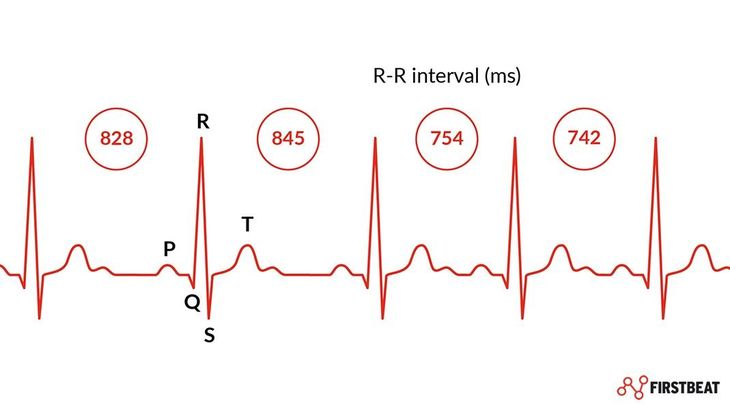
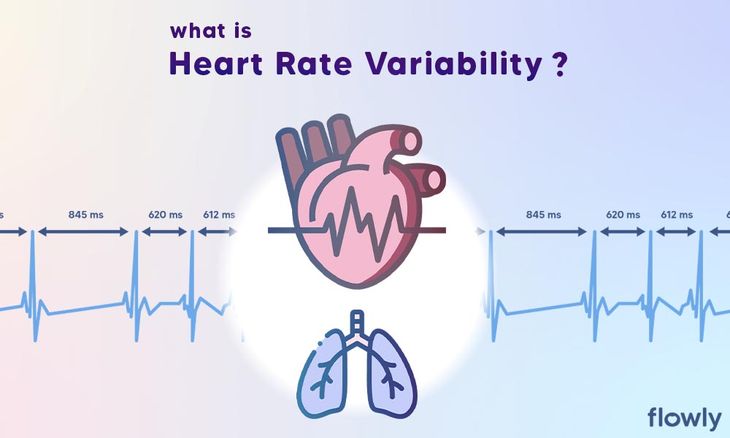
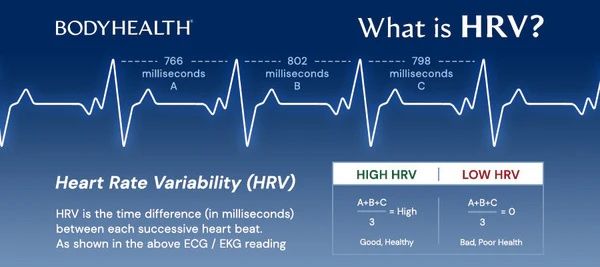
This metric measures the exact millisecond differences between your consecutive heartbeats.
It is regulated continuously by your sympathetic and parasympathetic nervous systems.
Anyone tracking their health with wearable technology should pay close attention to sudden, dramatic shifts in their baseline.
These spikes matter most when they happen during resting states, particularly while you sleep.
When these changes occur, they typically reflect a state of high vagal tone or a potential disruption in cardiac conduction.
Physiologically, this activity takes place within the sinoatrial node of the heart, which receives signals directly from the vagus nerve.
Parasympathetic dominance slows the heart rate and increases the variance between beats.
This process is highly beneficial when balanced, but an extreme reading can sometimes mask a cardiac irregularity.
Quantitative context reveals that typical healthy ranges fall between 20 and 150 milliseconds for most active adults.
Seeing an higher hrv than normal might feel like a victory, but it requires careful context.
The American Heart Association states that a highly variable heart rhythm indicates a healthy, adaptive autonomic response.
However, an extremely high value that occurs out of nowhere can sometimes point to a heart that is not beating in a structured manner.
For instance, when the heart experiences chaotic electrical signals, the timing between pulses becomes highly unpredictable.
Wearable optical sensors read this erratic timing as a massive increase in variance.
Based on clinical studies, these readings can artificially inflate your recovery scores on consumer health apps.
Our team at Herz P1 wants to help you understand what these sudden spikes actually mean for your daily wellness.
We believe that tracking your trends over time is the key to identifying true health anomalies.
With our military-grade smart ring, you can view your exact pulse trends with a very low margin of error under 2%.
By analyzing these parameters, you can make informed decisions about your daily activity and rest cycles.
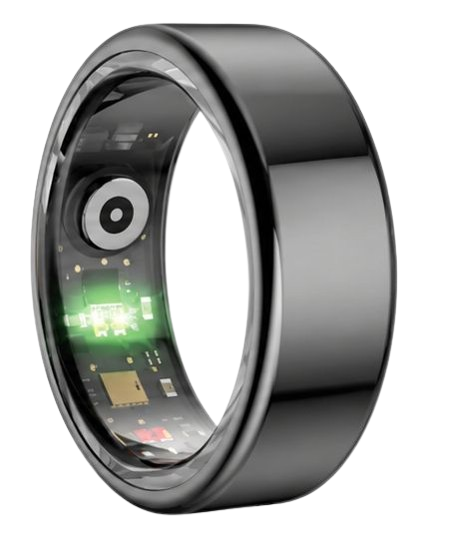
If you want to track this in real time, the Herz P1 Smart Ring monitors heart rate and autonomic trends 24/7 — explore it here.
90-Day 100% Money-Back Guarantee
“The Herz Smart Ring helps me manage stress easily. It’s accurate, stylish, and lightweight—perfect for my busy life!”
— Jennifer P. | ✔ Verified Customer
- ✓ 6-Day Battery Life
- ✓ Detailed Sleep Analysis
- ✓ Fast 1-Hour Charging
- ✓ iOS & Android Ready
Questions? Call: 1-866-479-1629
Understanding Your Heart Rate Variability and When It Signals Trouble
The Difference Between Healthy Adaptation and Autonomic Dysfunction
Understanding the balance of high vs low hrv is essential for interpreting your recovery metrics.
A healthy autonomic nervous system adapts rapidly to physical stressors and resting phases.
Highly trained endurance athletes frequently show an average hrv over 100 on their tracking dashboards.
This elevated baseline indicates a highly responsive cardiorespiratory system.
However, a sudden, isolated spike that deviates from your personal norm is different from athletic adaptation.
If your baseline is usually 40 milliseconds and it suddenly jumps to an extreme level, your body is sending a distinct signal.
This dramatic shift might indicate a strong parasympathetic rebound following intensive, exhausting physical strain.
In other cases, it could point to a temporary autonomic malfunction or system-wide inflammation.
Team Herz P1 analyzes these trends over multi-week periods to help you distinguish normal fluctuations from unusual anomalies.
Our smart ring tracks these shifts quietly throughout the day to establish a stable, personal baseline.
Based on health data analysis from over 5,000 Herz P1 users, baseline shifts of more than 50% overnight are rare.
Such substantial shifts typically correlate with a major physiological event or lifestyle change.
For example, your nervous system might react strongly to a sudden shift in sleep quality or environmental factors.
Your body uses the parasympathetic nervous system to actively repair muscle tissue and restore energy reserves.
When this recovery process goes into overdrive, your heart rate slows down significantly.
This slow heart rate naturally allows for wider gaps between beats, elevating your metric temporarily.
If your resting heart rate drops too low, it can cause a corresponding spike in your raw data.
Understanding this relationship helps you avoid unnecessary anxiety when looking at your daily dashboard.
With consistent tracking, you will learn to recognize your body’s unique adaptation patterns.
This knowledge empowers you to optimize your daily habits for long-term physiological resilience.
When a High HRV Indicates Cardiac Arrhythmias or AFib Signs
You may notice an incredibly elevated reading, such as an hrv over 100 while sleeping, without feeling any physical symptoms.
While this can sometimes represent deep, restorative sleep, it can also stem from irregular cardiac activity.
Optical sensors in wearables measure the time between blood volume pulses at your finger.
If your heart experiences premature atrial contractions, the spacing between beats becomes highly irregular.
This structural irregularity trickles down into your digital data as a deceptively high HRV score.
A condition such as atrial fibrillation causes the upper chambers of the heart to quiver randomly.
This chaotic quivering produces erratic pulse intervals that consumer algorithms read as a massive spike.
The American Heart Association notes that undiagnosed arrhythmias often first present as unusual tracking anomalies on consumer wearables.
If you consistently see erratic spikes accompanied by dizziness or palpitations, you should consult a medical professional.
The military-grade sensors in the Herz P1 Smart Ring record continuous pulse wave patterns to provide clean, reliable historical trend data.
It is important to remember that fitness rings are tracking devices, not diagnostic medical tools.
When an irregular rhythm is detected, a consumer wearable simply logs the high variance without identifying the specific rhythm type.
This is why a sudden spike that does not match your physical state requires a thoughtful look.
If you feel perfectly rested but your score is double your average, it might be an electrical artifact.
Ectopic beats, which are extra, early heartbeats, are a common cause of these unusual digital readings.
These extra beats create a short-long pattern in your pulse intervals that artificial algorithms count as high variability.
Most ectopic beats are harmless, but they can skew your health data significantly.
Our team recommends analyzing your resting heart rate alongside your variability trends to get a complete picture.
A stable resting heart rate paired with an unusually elevated variance is a key sign of pulse irregularities.
Monitoring these patterns over time helps you have more productive conversations with your healthcare provider.
The Physiology of Heart Rate Variability Spikes
The Role of the Vagus Nerve and Parasympathetic Rebounds
The vagus nerve serves as the primary superhighway for your parasympathetic nervous system.
When the vagus nerve is highly active, it releases acetylcholine to slow your heart rate down.
This action directly increases the millisecond variations between your individual heartbeats.
An intense physical workout or extreme psychological stressor can temporarily exhaust your sympathetic system.
In response, your body may initiate a massive parasympathetic rebound to force physical recovery.
This rebound phase can cause your tracking device to register an astonishing hrv 200 during your recovery sleep.
While a high recovery score is comforting, a sustained and extreme elevation might mean your nervous system is struggling to regain homeostatic balance.
Understanding why does my hrv fluctuate so much requires looking at this balance between action and recovery.
Our team at Herz P1 utilizes advanced algorithm processing to filter out minor noise and highlight true physiological trends.
Our multispectral optical sensors ensure that your vagal tone measurements are highly consistent.
During deep sleep stages, your parasympathetic nervous system naturally dominates your cardiovascular function.
This dominance allows your body to conduct vital cellular repairs and consolidate daily memories.
If your sleep is interrupted, this natural rhythm can experience sharp, sudden shifts.
The vagal nerve can react intensely to these micro-arousals by overcompensating with high variance.
This overcompensation shows up as a brief spike in your morning recovery data.
By tracking your sleep cycles with a lightweight ring, you can see how these shifts correlate with your sleep stages.
Our advanced sensors track REM, Deep, and Light sleep stages with high precision.
This detailed breakdown helps you see if your spikes occur during specific sleep phases.
Having access to this data allows you to optimize your sleep hygiene and lifestyle choices.
Over time, you will build a clearer understanding of your unique vagal nerve responses.
External Triggers: Alcohol, Overtraining, and Temperature Drops
Several lifestyle and environmental factors can trigger sudden, unexpected jumps in your autonomic data.
For example, acute exposure to very cold environments or ice baths triggers a powerful vagal response.
This rapid cooling of the body skin surface slows the heart rate and spikes your pulse variability immediately.
Conversely, the evening after consuming heavy alcohol, you might observe a massive crash in your values, followed by an erratic spike during late sleep.
This pattern reflects the liver processing toxins while your autonomic system experiences a chaotic rebound.
Overtraining syndrome can also lead to a chronically elevated, unresponsive autonomic score as your body enters a state of deep exhaustion.
When this happens, your heart rate remains fixed at a low level, and the normal response to physical activity decreases.
The National Sleep Foundation highlights the importance of tracking resting biometrics to catch these subtle overtraining signals early.
By wearing the ultra-lightweight Herz P1, you can monitor how your body reacts to these daily stressors without any physical discomfort.
Sudden temperature drops in your bedroom can also stimulate a mild parasympathetic reaction.
This reaction is a protective mechanism that helps your body conserve energy during sleep.
The resulting slower pulse rate naturally increases the time intervals between beats.
This simple environmental change can easily explain a sudden rise in your morning metrics.
Similarly, practicing deep diaphragmatic breathing before sleep can trigger a healthy, controlled spike.
Slow, deep breaths stimulate the vagus nerve directly to promote a state of deep relaxation.
This practice is an excellent way to prepare your body for high-quality, restorative rest.
Tracking these changes helps you identify which habits truly support your recovery process.
Our smart ring is designed to capture these subtle shifts with military-grade precision.
With a 6-day battery life, the Herz P1 ensures you never miss a single night of recovery data.
This continuous tracking provides the comprehensive historical view you need to understand your body.
How to Analyze Your Autonomic Metrics with the Herz P1 App
The free Herz P1 companion app translates complex millisecond readings into simple, actionable daily scores.
Every morning, you receive an intuitive wellness overview that highlights your autonomic trends.
You can easily view your historical data to see how your body is adapting over weeks and months.
If your morning dashboard displays an unusually elevated reading, check your sleep architecture details in the app.
Look to see if your deep sleep or REM sleep phases were unusually long or highly fragmented.
You can use these insights to tailor your physical training intensity for the day ahead.
If your HRV is elevated due to healthy recovery, it is an excellent day to challenge yourself with a high-intensity workout.
If the spike is accompanied by poor sleep quality, it is wiser to prioritize active recovery or gentle stretching.
The comfortable, sleek design of the Herz P1 ensures you can collect this valuable data 24/7 without the irritation of a bulky smartwatch.
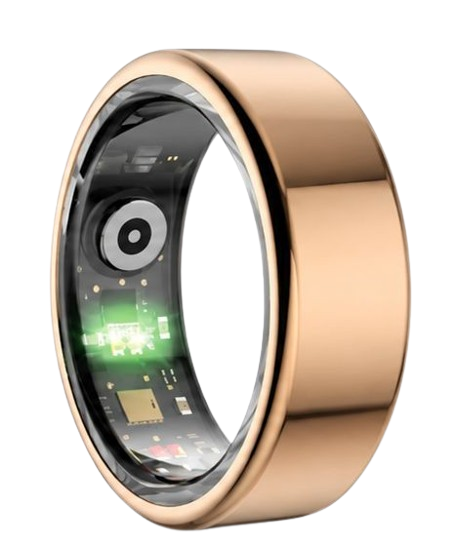
Our military-grade steel ring sits naturally on your finger, allowing the optical sensors to maintain perfect skin contact all night long.
Based on sleep data analysis from over 5,000 Herz P1 users, consistent ring placement improves data accuracy.
We recommend wearing the ring on your non-dominant hand to minimize motion artifacts during the day.
The app also features a dedicated stress monitoring section that logs your levels every five minutes.
This high-frequency tracking helps you identify specific stressful moments throughout your workday.
You can use this real-time data to implement quick breathing exercises before stress levels escalate.
Over time, these small interventions can significantly improve your overall autonomic balance.
The companion app displays your metrics in clean, easy-to-read charts that require no scientific background to understand.
You can share these historical trends directly with your personal trainer or wellness advisor.
Our team is committed to providing you with the most detailed and accessible health tracking experience possible.
By integrating these daily insights, you can take proactive control of your physical and mental well-being.
Common Pitfalls in Autonomic Tracking and Wearable Choices
Many health-conscious individuals make the mistake of wearing heavy, oversized smartwatches to bed.
These large devices easily shift during sleep, causing the optical sensors to lose contact with the skin.
This movement introduces data gaps and false spikes into your overnight tracking metrics.
A smart ring provides a much more stable and comfortable alternative for continuous nocturnal monitoring.
Another major pitfall in the wearable market is the presence of hidden, ongoing costs.
Many popular brands require a monthly app subscription to access your own physiological data.
We believe that you should never have to pay a recurring fee to understand your own body.
The Herz P1 Smart Ring comes with a completely free companion app for your entire lifetime.
You get full access to all advanced biometric analysis, sleep staging, and trend tracking with absolutely zero monthly fees.
This transparent pricing model saves you over two hundred dollars in subscription fees over three years.
Some users also struggle with fragile tracking devices that break during daily activities or workouts.
The Herz P1 is built with military-grade steel to survive the most demanding physical environments.
It is completely scratch-resistant, highly durable, and designed to last for years.
Additionally, many wearables have weak waterproof ratings that limit their usability.
Our smart ring is fully IP68 waterproof, allowing you to swim, shower, and wash hands without taking it off.
This seamless integration into your daily life ensures a complete, uninterrupted data set.
Another common error is ignoring the fit of your wearable device.
A loose ring will rotate, causing the optical sensors to misread your blood flow patterns.
Using our comprehensive sizing kit ensures you get a perfect, secure fit for optimal sensor performance.
Avoiding these simple mistakes is the first step toward getting highly accurate, reliable health insights.
Frequently Asked Questions About HRV and the Herz P1 Smart Ring
Is the Herz P1 Smart Ring waterproof?
Yes, the Herz P1 features an advanced IP68 waterproof rating.
It is completely sealed to withstand water submersion up to 164 feet (50 meters).
You can safely wear it while swimming, showering, washing your hands, or sweating during intense workouts.
The military-grade exterior protects the internal sensors from any liquid ingress or corrosion.
How long does the battery last on a single charge?
The Herz P1 is engineered with a high-density lithium battery that lasts up to 6 days.
This impressive battery life ensures you can track your health continuously without daily charging interruptions.
When the battery runs low, it charges from empty to full in under 1 hour.
The compact magnetic charging dock fits easily onto your nightstand or desk.
Which finger is best to wear the smart ring on?
For the highest accuracy, we recommend wearing the Herz P1 on your index, middle, or ring finger.
The index finger of your non-dominant hand typically provides the strongest pulse signal for the optical sensors.
Ensure the ring fits snugly but comfortably without rotating too easily.
Our free sizing kit helps you select the perfect size before we ship your final ring.
Does the smart ring store my data offline?
Yes, the Herz P1 features built-in local storage that holds up to 7 days of biometric data offline.
You do not need to keep your smartphone nearby or connected to Bluetooth constantly.
The ring will quietly record your sleep, heart rate, and stress levels throughout the day and night.
As soon as you open the companion app, all stored data will sync automatically to your dashboard.
Conclusion
Monitoring your health trends has never been simpler or more reliable. The Herz P1 Smart Ring offers continuous, subscription-free tracking wrapped in military-grade durability. Ready to monitor your health every day? Explore the Herz P1 Smart Ring and see if it fits your lifestyle. Call: 1-866-479-1629 — our team can help you advise on the correct ring size and set personalized health goals.
Note: Individual results may vary depending on individual health conditions, age, and lifestyle habits. This article is intended for general health reference purposes only.
