

Are you searching for the highest heart rate variability score to benchmark your athletic recovery and autonomic health? Understanding biometric maximums helps you optimize your daily training, and the Herz P1 smart ring provides the clinical precision needed to monitor these vital shifts. We will explore the absolute limits of human heart rate data and discover how consistent tracking transforms your overall cardiovascular wellness.
Built to Last. Save Up to 69% Today.
The Herz P1 Smart Ring tracks HRV, Sleep, Heart Rate & SpO2 around the clock. No subscriptions. No renewals. Ever.
In This Article
- The biological meaning of the highest heart rate variability and how it reflects peak autonomic efficiency.
- A comprehensive breakdown of normal vs. exceptional HRV scores across age groups and physical backgrounds.
- The physiological mechanisms that drive HRV calculations, including the role of the parasympathetic nervous system.
- Factual comparisons between smart rings and bulky smartwatches regarding accurate nighttime tracking.
- How the Herz P1 Smart Ring delivers clinical-grade metrics without any recurring monthly membership fees.
What Is the Highest Heart Rate Variability Score? What the Data Actually Tells Us
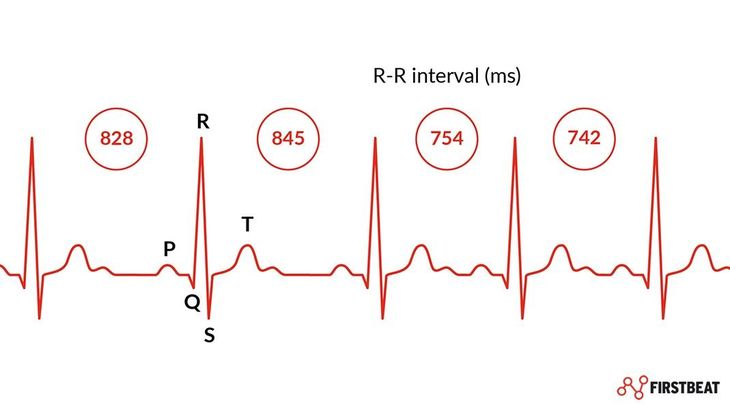
Your heart does not beat in a perfectly rigid, metronomic pattern.
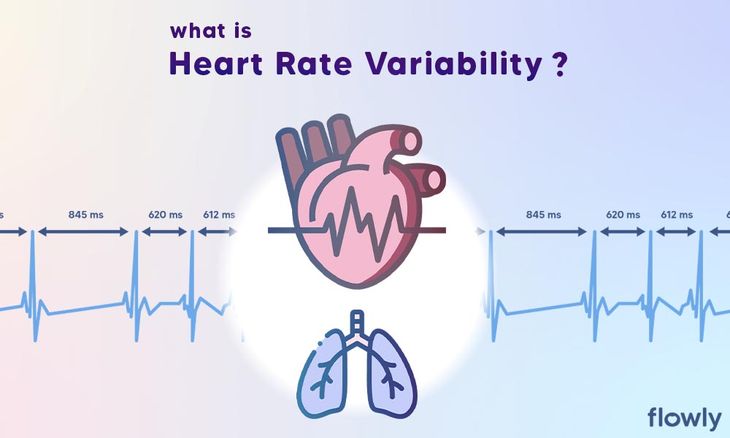
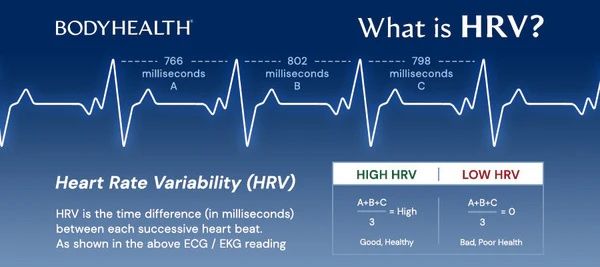
The time intervals between consecutive heartbeats constantly vary by fractions of a second.
This dynamic measurement is known as heart rate variability.
To understand the absolute peak of this metric, we must analyze the autonomic nervous system.
The highest heart rate variability scores typically belong to elite Olympic endurance athletes and young individuals with exceptional physical training.
A maximum HRV score can mathematically reach up to 200 milliseconds or higher in these unique populations.
For a standard, healthy adult, average scores usually range between 20 and 100 milliseconds.
Understanding the dynamic comparison of high vs low hrv shows that higher numbers generally signal a body that adapts swiftly to stress.
The measurement itself is calculated primarily using the Root Mean Square of Successive Differences, known as rMSSD.
This algorithm calculates the millisecond differences between adjacent heartbeats during rest.
Elite runners, professional cyclists, and cross-country skiers frequently report an average hrv 200 when their recovery processes are completely optimized.
This high range shows that their autonomic nervous systems are highly responsive, fluid, and free from chronic physiological strain.
According to research from the American Heart Association, these numbers indicate a healthy balance between the sympathetic and parasympathetic nervous pathways.
To track these metrics with clinical accuracy, biometric sensors must maintain continuous contact with thin skin layers.
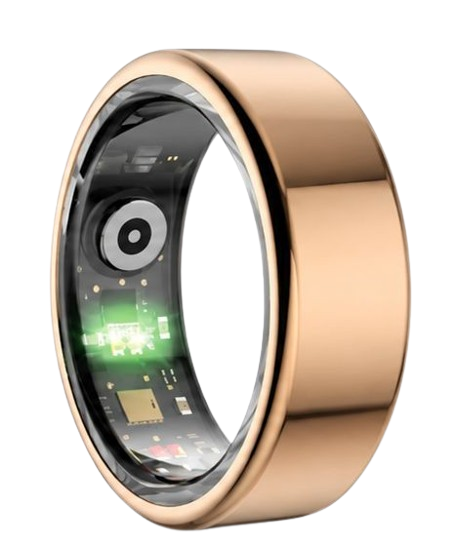
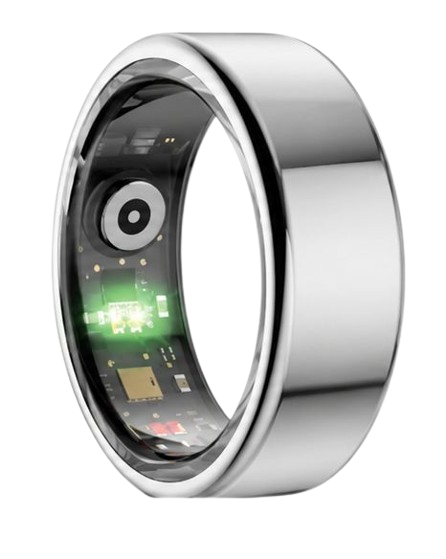
The Herz P1 Smart Ring uses multispectral optical PPG sensors to capture these rapid millisecond adjustments directly from the dense capillary beds of your finger.
If you want to track this in real time, the Herz P1 Smart Ring monitors heart rate variability 24/7 — explore it here.
90-Day 100% Money-Back Guarantee
“The Herz Smart Ring helps me manage stress easily. It’s accurate, stylish, and lightweight—perfect for my busy life!”
— Jennifer P. | ✔ Verified Customer
- ✓ 6-Day Battery Life
- ✓ Detailed Sleep Analysis
- ✓ Fast 1-Hour Charging
- ✓ iOS & Android Ready
Questions? Call: 1-866-479-1629
Pathological vs. Healthy Spikes: Understanding What High HRV Means
When you observe a sudden spike in your biometric dashboard, it is vital to analyze the underlying physiological context.
A high HRV score is almost always a positive indicator of excellent rest, deep recovery, and minimal systemic inflammation.
However, there are rare clinical situations where extremely high numbers can point to cardiorespiratory issues.
If you spot values that feel pathologically elevated, you might ask, can your hrv be too high?
In certain scenarios, a massive and irregular jump in millisecond variance can signal cardiac arrhythmias, such as atrial fibrillation or premature ventricular contractions.
These conditions cause the heart to skip beats or fire prematurely, creating an artificial, chaotic variation that the consumer device reads as a high score.
This is why understanding your personal baseline trend is far more important than chasing a single, isolated peak number.
Sometimes a sudden higher hrv than normal indicates an overactive immune response rather than superior fitness.
For example, during the very early stages of fighting off a mild viral infection, the parasympathetic nervous system can sometimes overcompensate.
This creates a temporary, unusual rise in resting variance before the sympathetic nervous system kicks in with a fever response.
The National Sleep Foundation emphasizes that tracking sleep biometrics consistently over several weeks establishes a reliable baseline.
The Herz P1 Smart Ring automatically charts these daily shifts, helping you distinguish between true physical recovery and sudden anomaly spikes.
Autonomic Calibration: What Your HRV Score Actually Tells You — And How to Improve It
Your heart rate variability score serves as a direct window into the autonomic nervous system.
This system controls involuntary bodily functions, divided into the sympathetic branch and the parasympathetic branch.
The sympathetic branch governs your fight-or-flight response, preparing your organs to handle sudden stressors or intense physical demands.
Conversely, the parasympathetic branch manages the rest-and-digest functions, lowering your heart rate and allowing tissue repair.
When both systems are active and balanced, your heart responds dynamically to subtle breathing changes, producing a high variance score.
A consistent hrv over 100 usually points to exceptional cardiovascular health.
To systematically improve your score over time, you can implement structured aerobic exercise, consistent sleep schedules, and daily mindfulness protocols.
Engaging in moderate cardiovascular activity for 150 minutes per week strengthens the left ventricle of the heart.
This physical adaptation increases stroke volume, allowing the heart to pump more blood with fewer, more variable beats.
Additionally, keeping a cool sleep environment of around 65 degrees Fahrenheit minimizes thermal stress on the autonomic system during deep recovery phases.
Many active individuals observe their hrv over 100 while sleeping when their recovery processes peak.
This sleeping window is critical because it represents the time when growth hormone release is highest and cortisol levels are lowest.
By using the Herz P1 Smart Ring to monitor these overnight values, you can immediately see how lifestyle factors, like a late dinner or alcohol intake, impact your recovery.
The Architecture of Overnight Sleep and Cardiac Recovery
Sleep is structured in repeating cycles of light sleep, deep sleep, and Rapid Eye Movement sleep.
During deep, slow-wave sleep, your body prioritizes physiological restoration, repairing muscle fibers and lowering arterial blood pressure.
This deep stage is characterized by a massive surge in parasympathetic dominance, which typically produces your highest heart rate variability readings of the night.
As you transition into REM sleep, your brain becomes highly active, processing emotions and consolidating cognitive memories.
During REM, your heart rate can become slightly erratic as your brain simulates dreams, causing minor, natural drops in your variance metrics.
Bulky smartwatches can easily slide out of position during these transitions, leading to inaccurate readings or gaps in your sleep charts.
The lightweight, military-grade steel ring form factor of the Herz P1 ensures the optical sensor remains perfectly flush against your finger throughout the night.
This consistent connection allows the ring to record continuous, uninterrupted biometric data without causing any physical discomfort while you rest.
Practical Guide: Tracking and Optimizing Your HRV Baseline with Herz P1
To successfully integrate biometric tracking into your life, you need a clear, actionable methodology.
First, establish a consistent daily routine for reviewing your metrics inside the companion application.
Instead of reacting to isolated daily spikes, focus on your 7-day rolling average to understand your true physiological trajectory.
If you wonder, why does my hrv fluctuate so much, the answer lies in daily lifestyle variables.
Factors like minor dehydration, acute work stress, late-night snacking, or a hard workout can quickly shift your score.
The table below provides a clear breakdown of average heart rate variability ranges based on common fitness profiles:
| Fitness Profile | Typical HRV Range (ms) | Primary Focus Area |
|---|---|---|
| Sedentary / High Stress | 15 – 45 ms | Establish basic sleep routines and light daily walking |
| Moderately Active | 45 – 85 ms | Introduce structured zone 2 aerobic training |
| Elite Athlete | 85 – 150+ ms | Optimize recovery timing and monitor for overtraining |
To elevate your numbers, we recommend practicing a simple resonance breathing exercise for five minutes before sleeping.
Inhale slowly for five seconds, then exhale smoothly for five seconds to stimulate the vagus nerve and boost parasympathetic tone.
You can also utilize the Herz P1 App to log your subjective daily energy levels alongside your objective cardiovascular scores.
This dual approach helps you identify exactly which foods, habits, or sleep schedules support your peak physical state.
Mitigating Smart Ring Sizing Pitfalls and the Subscription Fee Trap
Choosing a biometric wearable often comes with hidden friction points and ongoing financial commitments.
Many popular smart rings require an expensive monthly membership simply to access your own biometric data.
Over time, these subscription fees can cost you hundreds of dollars on top of the initial hardware purchase.
Team Herz P1 believes your health insights should always belong to you, which is why our companion app is completely free for life.
Additionally, wearing a bulky, heavy smartwatch to bed can disrupt your sleep architecture and cause skin irritation.
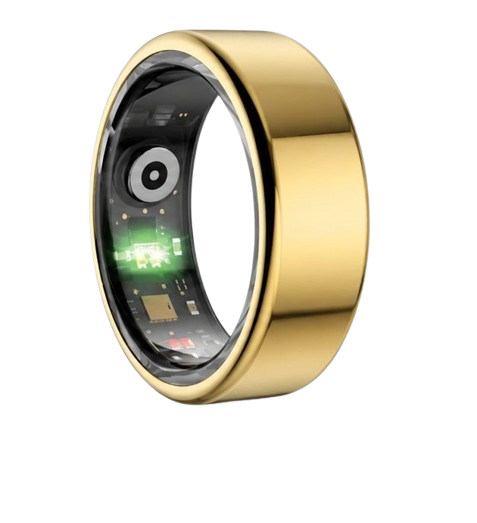
The Herz P1 Smart Ring is crafted from military-grade steel, providing an ultra-light, durable, and comfortable design for 24/7 wear.
To ensure perfect measurement accuracy, choosing the correct ring size is absolutely critical.
A ring that is too loose will rotate during sleep, causing the optical sensor to lose contact with the skin and produce incomplete data.
A ring that is too tight can restrict local blood flow, distorting the optical PPG signals and lowering accuracy.
Every Herz P1 order includes a free, comprehensive sizing kit to help you find your exact match before you start tracking.
Answers to Your Critical Biometric and Smart Ring Questions
Is the Herz P1 Smart Ring waterproof?
Yes, the Herz P1 is engineered with a robust IP68 waterproof rating, allowing it to withstand water depths up to 164 feet.
You can confidently wear the ring while swimming, showering, washing your hands, or working out in heavy rain without any risk of damaging the internal sensors.
How long does the battery last?
The Herz P1 battery lasts up to 6 full days on a single charge under standard 24/7 monitoring conditions.
When the battery is depleted, it charges completely in less than 1 hour using the included magnetic charging dock.
Which finger is best to wear the smart ring on?
The index or middle finger of your non-dominant hand is the absolute best choice for tracking biometrics.
These fingers have the straightest vascular structure and the highest density of capillaries, ensuring maximum sensor reading accuracy.
Does the Herz P1 store biometric data offline?
Yes, the ring has secure built-in storage that holds up to 7 days of detailed biometric data offline.
When you open the app, your recorded sleep, heart rate, and stress metrics will sync automatically via Bluetooth.
Conclusion
Optimizing your heart rate variability is a journey of consistent sleep, balanced training, and targeted recovery.
The subscription-free Herz P1 Smart Ring is your ultimate biometric companion for tracking these crucial daily trends.
Ready to monitor your health every day? Explore the Herz P1 Smart Ring and see if it fits your lifestyle. Call: 1-866-479-1629 — our team can help you advise on the correct ring size and set personalized health goals.
Note: Individual results may vary depending on individual health conditions, age, and lifestyle habits. This article is intended for general health reference purposes only.
