

Understanding your body’s biometric signals can feel like solving a complex puzzle, especially when your wearable displays a higher hrv than normal. If you track your metrics with the premium, subscription-free Herz P1 smart ring, an unexpected spike might cause confusion. Our team is here to guide you through the physiological triggers behind these elevated readings, ensuring you make confident wellness decisions.
Built to Last. Save Up to 69% Today.
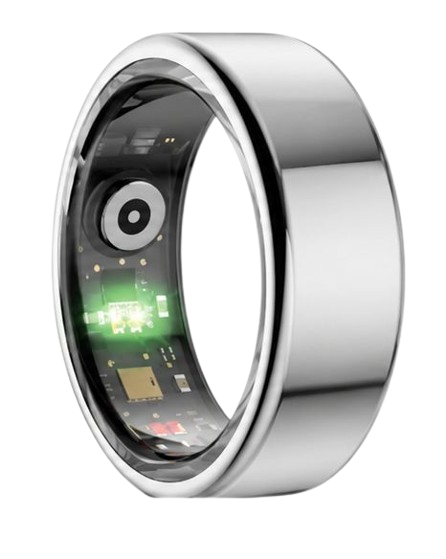
The Herz P1 Smart Ring tracks HRV, Sleep, Heart Rate & SpO2 around the clock. No subscriptions. No renewals. Ever.
In This Article
- Understanding Elevated HRV: A clinical 5W2H look at why your metric deviates from baseline.
- The Physiology Behind the Spikes: How the autonomic nervous system controls your millisecond variations.
- When High HRV Requires Action: Navigating pathological rhythms versus superior athletic conditioning.
- Smart Recovery Tracking: Practical methods to apply Herz P1 biometric data to your active lifestyle.
Why Is My Heart Rate Variability Higher Than Normal? The Scientific Breakdown
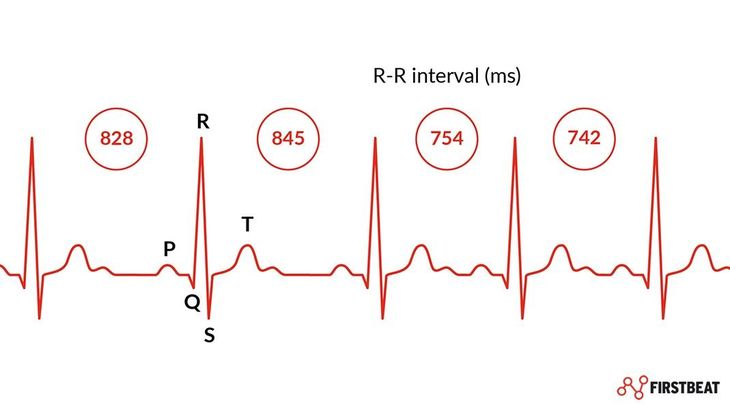
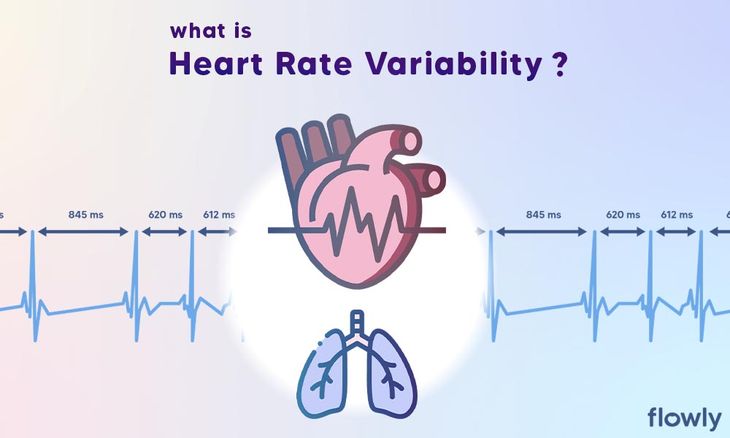
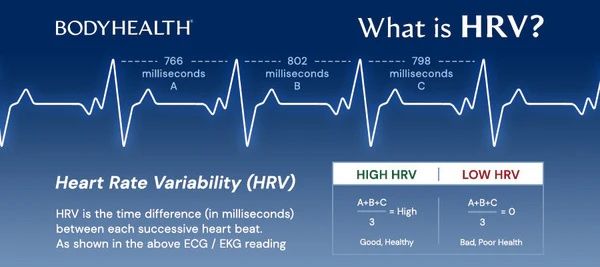
Heart rate variability represents the tiny fluctuations in time between consecutive heartbeats, measured in milliseconds.
A healthy heart does not beat with metronomic regularity; rather, it responds dynamically to systemic demands.
A higher hrv than normal indicates that your parasympathetic nervous system is highly active.
This branch of your autonomic nervous system promotes cellular rest, digestion, and physical recovery.
According to research highlighted by the American Heart Association, elevated values generally signal a highly resilient cardiovascular system.
This state affects active professionals, athletes, and wellness enthusiasts who utilize advanced tracking technology.
It becomes particularly prominent during deep sleep cycles when systemic demands reach their lowest points.
This occurs because the vagus nerve releases acetylcholine, which directly decelerates cardiac pacemaker activity.
As a result, the interval between your heartbeats fluctuates more extensively to optimize blood oxygen saturation.
A temporary rise is often observed when you experience highly effective recovery, reduced mental load, or cool temperatures.
However, you may occasionally ask can your hrv be too high if your readings jump dramatically above your established average.
Statistically, an elevation of more than twenty percent above your rolling baseline warrants closer contextual investigation.
A persistent elevated hrv might point to a highly recovered state, but it can also stem from cardiac arrhythmias or extreme fatigue.
If you want to track this in real time, the Herz P1 Smart Ring monitors heart rate variability 24/7 — explore it here.
90-Day 100% Money-Back Guarantee
“The Herz Smart Ring helps me manage stress easily. It’s accurate, stylish, and lightweight—perfect for my busy life!”
— Jennifer P. | ✔ Verified Customer
- ✓ 6-Day Battery Life
- ✓ Detailed Sleep Analysis
- ✓ Fast 1-Hour Charging
- ✓ iOS & Android Ready
Questions? Call: 1-866-479-1629
What Your HRV Score Actually Tells You — And How to Understand It
Understanding Autonomic Balance and Vagal Tone
Your heart rate is controlled by a continuous biological tug-of-war between two nervous system branches.
The sympathetic nervous system primes your muscles for action, accelerating heart function when threat levels rise.
Conversely, the parasympathetic nervous system acts as a cardiac brake, promoting systemic calm and cell repair.
A higher baseline level of variability indicates that your parasympathetic brake is functioning exceptionally well.
When you record an hrv over 100, it demonstrates that your vagal pathway is sending strong relaxation signals.
This high level of cardiac adaptability shows your heart can transition effortlessly between intense work and total rest.
People with high vagal tone tend to recover more rapidly from physical stress and handle psychological pressure with ease.
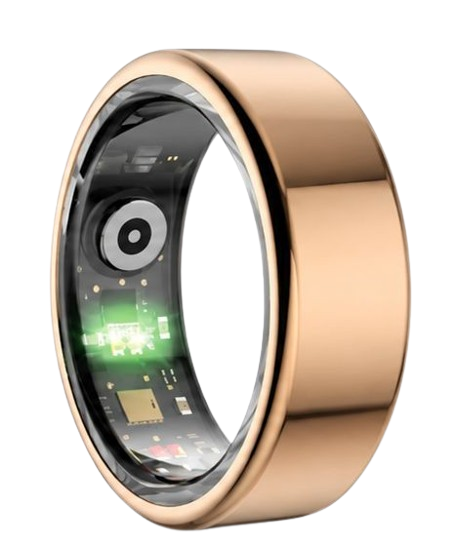
The Herz P1 Smart Ring monitors these delicate adjustments by tracking blood volume pulse changes at your finger base.
By measuring continuous intervals, the device provides an accurate window into your real-time autonomic balance.
How Wearables Track Parasympathetic Spikes
Most modern consumer wearables utilize high-frequency optical sensors to capture heart metrics during your sleep cycle.
The device shines light through subcutaneous tissue to register blood volume changes with every beat.
It then applies the RMSSD mathematical formula to convert raw pulse intervals into a standardized score.
A higher RMSSD value directly correlates with elevated parasympathetic activity and superior system recovery.
This measurement requires clean skin contact to prevent motion artifacts from skewing your morning metrics.
Unlike bulky wristwatches, a sleek smart ring remains flush against your finger, capturing highly reliable data.
When your system experiences a parasympathetic spike, the intervals between pulses expand and contract dynamically.
This dynamic shift explains why your dashboard might display a sudden hrv above normal range alert.
By understanding high vs low hrv, you can decode whether these spikes indicate profound recovery or system anomalies.
Is An Elevated HRV Always A Good Sign? When To Take Action
Clinical Boundaries: When Is High Too High?
Many health enthusiasts assume that a higher metric is universally better for their physical conditioning.
While a high score reflects deep autonomic resilience, excessively elevated readings can occasionally raise concerns.
If your baseline typically hovers around fifty, a sudden jump to an hrv 200 should not be ignored.
This massive deviation might indicate that your heart is experiencing premature atrial contractions or other rhythm anomalies.
When the heart beats out of step, the apparent time difference between beats increases artificially.
This erratic behavior creates a false reading of superior fitness on standard tracker dashboards.
If you constantly wonder why does my hrv fluctuate so much, you must analyze your lifestyle context.
An elite athlete might naturally reach the highest heart rate variability through years of aerobic adaptation.
For an average individual, however, extreme spikes require careful observation to rule out cardiac fatigue.
Pathological Causes Of Spurious HRV Spikes
Certain pathological states can mimic the appearance of excellent cardiovascular health on optical trackers.
For instance, early-stage viral infections occasionally trigger a strong inflammatory reflex that hyper-activates the vagus nerve.
Your immune system attempts to limit cellular damage by dramatically increasing parasympathetic dominance.
This protective reflex can cause an unexpected higher than normal hrv reading before physical symptoms manifest.
Similarly, severe overreaching in training can exhaust your sympathetic nervous system completely.
When your active nervous system crashes, your body gets locked in a perpetual parasympathetic recovery state.
You may feel lethargic, weak, and cold, despite showing an hrv over 100 while sleeping.
The National Sleep Foundation stresses that biometrics must always be interpreted alongside subjective feelings of energy.
If high scores accompany persistent physical exhaustion, your nervous system is likely struggling to maintain balance.
Practical Application Guide: Optimizing Your Wellness With Herz P1
To leverage your physical data effectively, you must establish a consistent tracking routine with your smart ring.
First, ensure that your Herz P1 is positioned comfortably on your index or middle finger before sleep.
This ensures the advanced multispectral PPG sensors maintain uninterrupted contact with your vascular network.
When you wake up, open the companion application to check your overnight autonomic nervous system trends.
If your metric is elevated and your sleep score is high, your body is ready for intense exertion.
This is the perfect day to tackle a challenging athletic workout or a highly demanding creative project.
Conversely, if your metric spikes alongside a low recovery score, prioritize restorative activities and hydration.
You can use these continuous insights to adjust your exercise volume, preventing injury and chronic overtraining.
Because the Herz P1 app is entirely subscription-free, you can monitor your lifetime physical trends without hidden fees.
Overcoming Risks and Common Smart Wearable Mistakes
Many people make the critical mistake of wearing heavy, uncomfortable smartwatches to track overnight sleep metrics.
These bulky devices frequently shift during the night, leading to fragmented sleep and highly inaccurate sensor readings.
Furthermore, several popular fitness brands lock your long-term health trends behind restrictive monthly app subscriptions.
Our team at Herz P1 believes you should own your health data completely without ongoing financial obligations.
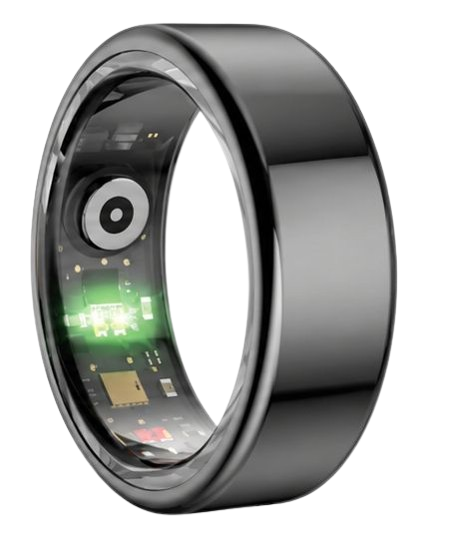
The Herz P1 Smart Ring is engineered from ultra-durable, military-grade steel that feels incredibly light on your hand.
The smooth, hypoallergenic inner band prevents skin irritation, making it ideal for continuous 24/7 wear.
Additionally, the IP68 waterproof rating ensures you can wash hands, swim, or shower without removing your ring.
This uninterrupted wear allows the smart sensors to establish a highly precise baseline of your physical state.
Frequently Asked Questions About Elevated HRV
Is the Herz P1 Smart Ring waterproof?
Yes, the Herz P1 features a certified IP68 waterproof design that withstands depths up to 164 feet.
This military-grade construction allows you to swim, shower, and wash dishes without damaging the internal sensors.
How long does the smart ring battery last on a single charge?
The advanced battery delivers up to six days of continuous biometric tracking under normal usage conditions.
It charges from zero to one hundred percent in under one hour using the magnetic charging cradle.
Which finger is best to wear the smart ring on?
The index finger of your non-dominant hand offers the highest vascular density for optical sensor measurements.
However, you can also wear the ring comfortably on your middle or ring finger with excellent results.
Does the Herz P1 store health data offline?
Yes, the ring has built-in local storage that saves up to seven days of biometric data offline.
Your recorded metrics will sync automatically the next time you open the free companion application.
Conclusion: Your Subscription-Free Wellness Journey Starts Here
Tracking your HRV helps you master your daily recovery. The subscription-free Herz P1 Smart Ring provides the precise insights you need. Ready to monitor your health? Explore the Herz P1 Smart Ring today. Call: **1-866-479-1629** — our team will help you choose your ring size and set personalized goals.
Note: Individual results may vary depending on individual health conditions, age, and lifestyle habits. This article is intended for general health reference purposes only.
