

Waking up to see an autonomic metric like a sleeping HRV over 100 can leave you wondering if your cardiovascular system is in peak condition or sending an urgent warning sign. Tracking this key biometric with a precision wearable like the Herz P1 helps you easily demystify whether having hrv over 100 while sleeping is normal for your unique physiology.
Built to Last. Save Up to 69% Today.
The Herz P1 Smart Ring tracks HRV, Sleep, Heart Rate & SpO2 around the clock. No subscriptions. No renewals. Ever.
In This Article
- Autonomic Nervous System Physiology: Demystifying the actual science of sleep metrics.
- Defining Baseline Normalcy: Understanding ranges and what over 100 ms means.
- Clinical Perspective on Outliers: Recognizing the boundary between elite recovery and arrhythmias.
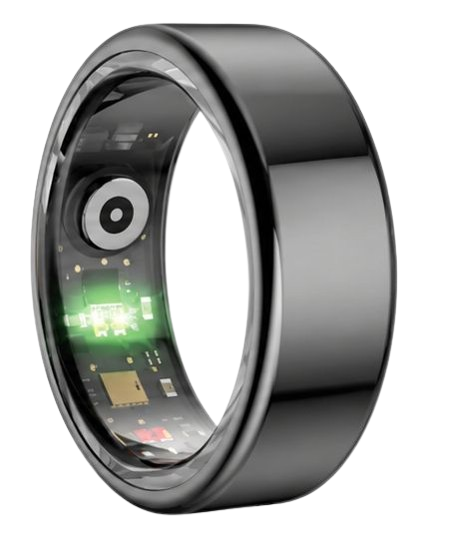
- Smart Wearable Accuracy: How multispectral finger sensors track metrics with higher resolution.
- Practical Recovery Strategies: Tips to systematically build cardiovascular resilience.
Is Having an HRV Over 100 While Sleeping Normal? The Complete Answer

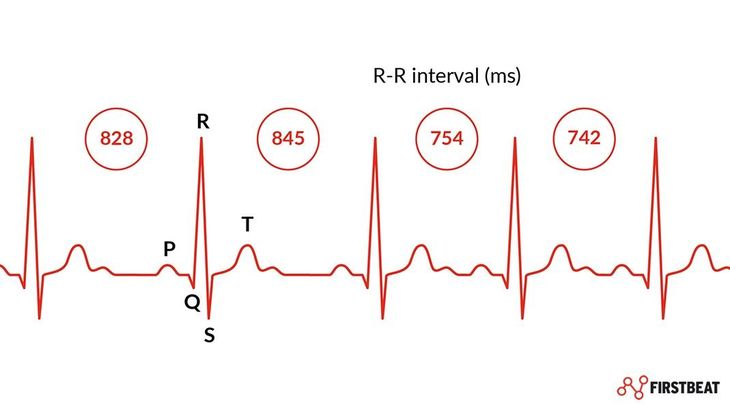
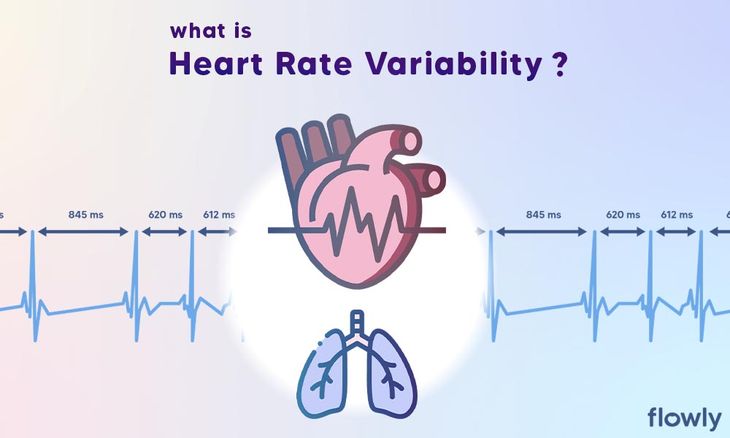
Heart rate variability, commonly abbreviated as HRV, measures the specific time difference in milliseconds between each consecutive heartbeat.
This biological metric serves as a direct window into the current state of your autonomic nervous system.
When you are asleep, your body transitions into a state of deep recovery led by your parasympathetic nervous system.
For most healthy adults, an average nocturnal HRV falls somewhere between 20 and 80 milliseconds.
Therefore, having an hrv over 100 while sleeping is generally considered outstanding and indicates a highly resilient cardiovascular system.
This reading typically belongs to young adults, highly conditioned athletes, or individuals with superb cardiorespiratory fitness.
However, the absolute normality of this metric depends heavily on your personal physiological baseline.
An elevated nocturnal HRV matters most when it aligns with consistent patterns of high-quality sleep stages.
This natural physiological process occurs primarily within the sinoatrial node of your heart.
The vagus nerve actively stimulates this area to slow down your resting pulse rate.
As your heart rate decreases, the variation between individual beats naturally expands.
This expansion results in a higher hrv than normal during your deepest cycles of rest.
Clinical research from the National Sleep Foundation confirms that high nocturnal HRV correlates with effective cellular repair and tissue recovery.
To understand how much your heart varies, you must track these trends consistently over several weeks.
A single isolated spike above 100 milliseconds might simply reflect an unusually quiet night of sleep.
Conversely, a stable baseline of hrv over 100 while sleeping shows sustained physical health.
Understanding how an hrv over 100 impacts your health is vital.
People who engage in regular aerobic exercise are the most likely to observe these high numbers regularly.
Your heart adapts to athletic training by becoming more efficient at pumping blood with less effort.
This efficiency allows the parasympathetic branch to dominate your overnight recovery cycles.
However, if you feel consistently exhausted despite a high reading, further investigation is necessary.
Evaluating your sleep metrics with a comfortable, medical-grade sensor is the first step toward true clarity.
If you want to track this in real time, the Herz P1 Smart Ring monitors your autonomic metrics 24/7 — explore it here.
90-Day 100% Money-Back Guarantee
“The Herz Smart Ring helps me manage stress easily. It’s accurate, stylish, and lightweight—perfect for my busy life!”
— Jennifer P. | ✔ Verified Customer
- ✓ 6-Day Battery Life
- ✓ Detailed Sleep Analysis
- ✓ Fast 1-Hour Charging
- ✓ iOS & Android Ready
Questions? Call: 1-866-479-1629
Decoding High HRV During Sleep: What Your Nervous System Is Telling You
To comprehend why your heart behaves this way, we must examine autonomic nervous system physiology.
The autonomic nervous system regulates all of your involuntary bodily functions.
This complex system consists of the sympathetic branch and the parasympathetic branch.
The sympathetic branch controls your active fight-or-flight stress responses.
The parasympathetic branch governs your rest-and-digest recovery functions.
When you sleep, the parasympathetic branch takes full control of your cardiovascular system.
The American Heart Association notes that a healthy, flexible heart reacts quickly to autonomic signals.
This rapid adaptability is what creates a high heart rate variability score.
If your heart rate is slow and highly variable, it indicates that your nervous system is deeply relaxed.
It is crucial to distinguish this metric from a high resting hrv 100 bpm.
A resting heart rate of 100 beats per minute during sleep is a sign of physiological stress.
In contrast, an HRV of 100 milliseconds is a sign of exceptional cardiovascular recovery.
This is because HRV is measured in milliseconds, while heart rate is measured in beats per minute.
Understanding this critical distinction prevents unnecessary anxiety about your sleeping biometrics.
When you achieve deep sleep and REM sleep, your blood oxygen saturation, or SpO2, should also remain stable.
A drop in SpO2 combined with erratic heart patterns can indicate sleep apnea.
The Herz P1 Smart Ring monitors these dual metrics concurrently to provide a holistic view of your health.
If you regularly see a high hrv during sleep, your body is effectively neutralizing daily stressors.
This level of recovery helps lower systemic inflammation and improves your emotional resilience.
However, you must always look at the big picture of your physical trends.
This is high vs low hrv analysis in its most practical form.
Comparing your weekly averages reveals far more about your conditioning than any single night of data.
Our engineering team at Herz P1 designed our companion app to display these long-term trends clearly.
This design allows you to adjust your daytime physical loads based on actual physiological recovery.
When Is a High Sleeping HRV a Warning Sign? Clinical Perspectives and Outliers
While a high nocturnal metric is usually positive, there are notable clinical exceptions.
Sometimes, an exceptionally high reading can point to an underlying cardiac conduction issue.
This occurs when the heart experiences irregular rhythms, known clinically as arrhythmias.
Conditions like atrial fibrillation or frequent premature ventricular contractions can confuse consumer wearables.
These irregular beats create a chaotic sequence of milliseconds between pulses.
The optical sensors on a wearable device may misinterpret this chaotic pattern as a high HRV score.
If your sleep tracker displays an unexpected hrv 200 recovery score, you should proceed with caution.
This extreme level of variation is highly uncommon for most healthy individuals.
It often represents the highest heart rate variability a sensor can mathematically record.
You might also wonder: can your hrv be too high?
Yes, it can be too high if the numbers are driven by heart rhythm disorders rather than organic rest.
If this high reading is accompanied by daytime palpitations, lightheadedness, or shortness of breath, consult a medical professional.
Healthy high variation is always paired with a calm, stable resting heart rate during sleep.
Conversely, pathological high variation is often accompanied by rapid spikes in your nocturnal pulse.
To help you understand these differences, our team has compiled a simplified reference table.
| Biometric Indicator | Healthy High Sleeping HRV | Abnormal / Pathological High HRV |
|---|---|---|
| HRV Range | Typically 80 to 120 ms | Exceeds 150 to 200+ ms suddenly |
| Resting Heart Rate | Stable, low, and consistent (45-60 bpm) | Erratic spikes or unexplained elevations |
| Sleep Architecture | Sustained deep and REM sleep cycles | Frequent micro-arousals and fragmentation |
| Daytime Feeling | Energized, focused, and fully recovered | Fatigued, anxious, or experiencing palpitations |
By analyzing this table, you can see how healthy recovery differs from a clinical anomaly.
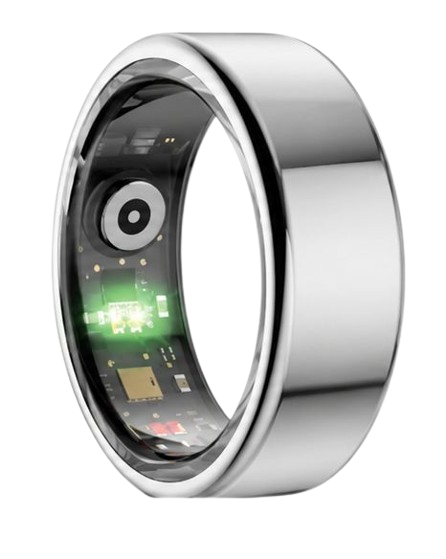
Our Herz P1 Smart Ring uses multispectral PPG sensors to detect subtle changes in blood volume pulse.
This advanced optical engineering helps minimize the signal noise that causes false biometric spikes.
If you are unsure why your metrics are changing, ask yourself: why does my hrv fluctuate so much?
The answer is often found in daily lifestyle variables like alcohol intake, late-night meals, or acute mental stress.
Even minor hydration changes can shift your autonomic balance within a single day.
Understanding these variables is key to mastering your own long-term health trends.
How to Track, Read, and Optimize Your Sleeping HRV Trends
Using the Herz P1 companion app makes reading your biometric data incredibly simple.
When you open the app, your daily dashboard displays a comprehensive recovery score.
This score is calculated using your sleeping HRV, resting heart rate, and total sleep duration.
Rather than obsessing over a single high or low number, you should focus on your rolling seven-day baseline.
A stable baseline tells you that your autonomic nervous system is adapting well to daily physical demands.
To optimize your sleep trends, we recommend establishing a consistent bedtime routine.
Avoiding blue light exposure for two hours before bed helps stimulate natural melatonin production.
Additionally, keeping your sleeping environment cool and dark promotes deeper, more restorative sleep cycles.
Wearing a bulky, heavy smartwatch to bed can actually disrupt these sensitive recovery phases.
The physical discomfort of a large device on your wrist often triggers micro-arousals during the night.
These brief, unconscious awakenings can instantly lower your nocturnal HRV by activating your sympathetic nervous system.
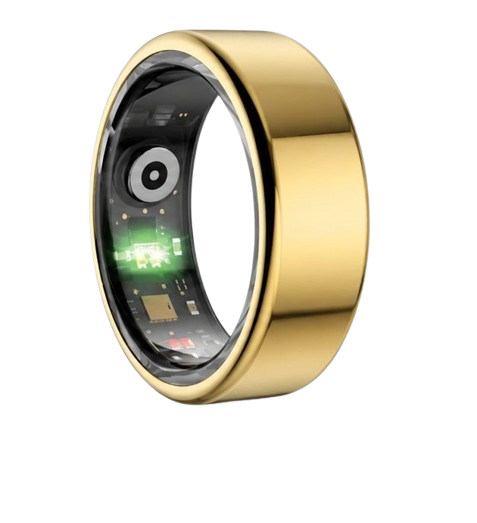
The Herz P1 Smart Ring solves this problem with its incredibly slim, lightweight design.
Crafted from military-grade steel, it fits comfortably around your finger without adding bulk.
You will barely feel it is there as it silently records your physiological data throughout the night.
This continuous, undisturbed tracking ensures the highest possible accuracy for your health dashboard.
Avoiding Common Traps in Sleep and Biometric Tracking
Many people make the critical mistake of tracking their sleep with fragile, overcomplicated devices.
Smartwatches often require daily charging, which forces you to choose between daytime tracking and overnight monitoring.
This interruption breaks the continuity of your physiological trends and leads to inaccurate baseline calculations.
Another major trap in the wearable market is the hidden cost of monthly app subscriptions.
Several premium brands require you to pay an ongoing monthly fee just to access your own biometric data.
Over time, these subscription fees can easily exceed the original cost of the device itself.
We believe that you should never have to pay a recurring fee to understand your own body.
The Herz P1 Smart Ring comes with a completely free companion app for life.
There are no hidden paywalls, no monthly renewals, and no premium tiers.
You receive full, unrestricted access to all of your advanced health metrics from day one.
Additionally, some wearable devices are easily damaged by water exposure or daily wear and tear.
The Herz P1 is engineered with military-grade steel and carries a certified IP68 waterproof rating.
This durable construction ensures your ring can withstand swimming, showering, and intense workouts.
With a 90-day money-back guarantee and a 2-year warranty, you can track your health with total peace of mind.
By choosing a durable, subscription-free smart ring, you protect both your health and your wallet.
Frequently Asked Questions About HRV and Sleeping Biometrics
Is the Herz P1 Smart Ring waterproof enough for swimming and showering?
Yes, the Herz P1 is fully IP68 waterproof and built to withstand deep water immersion.
This rating certifies that the ring is completely protected against dust and water entry up to a depth of 164 feet.
You can wear it with total confidence while lap swimming in a pool or open ocean swimming.
It is also perfectly safe to wear while taking a hot shower or soaking in a bath.
Our engineering team designed the ring with a seamless outer shell of military-grade steel.
This protective casing prevents moisture from reaching the sensitive optical sensors inside.
You do not need to remove the ring when washing your hands or washing dishes.
This continuous wearability ensures that you never miss a single biometric data point throughout your day.
Whether you are in a humid sauna or training in heavy rain, the Herz P1 performs flawlessly.
This level of durability sets it apart from fragile consumer electronics that require careful handling.
How long does the Herz P1 battery last and how fast does it charge?
The Herz P1 Smart Ring features an advanced low-power chipset that delivers up to six days of battery life.
This impressive battery longevity means you only need to charge your ring once a week.
This long life eliminates the daily charging anxiety that is common with smartwatches.
The continuous battery operation allows for uninterrupted sleep tracking and baseline calculations.
When it is time to recharge, the process is incredibly fast and convenient.
The ring charges from zero to one hundred percent in under one hour using the magnetic USB charger.
You can easily top up the battery while taking a quick morning shower or working at your desk.
The companion app will send a friendly notification to your phone when the battery falls below twenty percent.
This proactive alert ensures you never run out of power during an important tracking cycle.
By optimizing battery performance, we make health monitoring a seamless part of your daily routine.
Which finger is best to wear the Herz P1 Smart Ring on for accuracy?
For the highest possible biometric accuracy, we recommend wearing the Herz P1 on your index finger.
The index finger contains a high density of superficial blood vessels near the skin surface.
This vascular structure allows the optical sensors to capture strong, clean PPG heart signals.
If you prefer not to use your index finger, the middle finger is an excellent alternative.
The ring finger is also acceptable and provides highly reliable data for most users.
We suggest wearing the ring on your non-dominant hand to minimize daily physical impacts.
This placement also helps reduce the signal noise caused by gripping tools or opening doors.
The most important factor is ensuring a snug but comfortable fit that does not rotate easily.
A proper fit ensures the optical sensor array remains in constant contact with your skin.
This secure contact prevents external light leaks from interfering with your nocturnal metrics.
Does the Herz P1 Smart Ring store my health data offline?
Yes, the Herz P1 includes secure onboard memory that stores up to seven days of biometric data offline.
This local storage capacity means you do not need to keep your smartphone nearby at all times.
You can comfortably leave your phone in another room while you sleep or exercise.
The ring will continue to track your heart rate, HRV, and sleep stages silently.
Once you open the companion app near your phone, the data syncs automatically via Bluetooth.
This seamless sync process takes only a few seconds to complete.
Your data is then safely processed and displayed on your personalized health dashboard.
This offline storage capability is perfect for travelers, campers, or anyone who enjoys occasional digital detoxes.
You never have to worry about losing your valuable health history due to a temporary disconnection.
This reliable data logging ensures your baseline metrics remain highly accurate over time.
Conclusion
A sleeping HRV over 100 indicates exceptional physical recovery and a strong autonomic nervous system.
Ready to monitor your health every day?
Explore the Herz P1 Smart Ring and see if it fits your lifestyle.
Call: 1-866-479-1629 — our team can help you advise on the correct ring size and set personalized health goals.
