

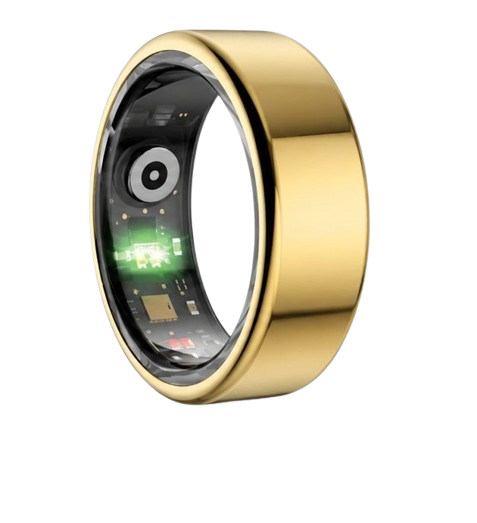
Understanding the deep physiological connection between body temperature and menstruation is the key to unlocking your natural health patterns, which is why Team Herz P1 engineered the premium, subscription-free Herz P1 Smart Ring to track these subtle thermal variations effortlessly while you sleep so you can accurately predict your cycle phases and optimize your daily energy without guessing.
Built to Last. Save Up to 69% Today.
The Herz P1 Smart Ring tracks HRV, Sleep, Heart Rate & SpO2 around the clock. No subscriptions. No renewals. Ever.
In This Article
- The Step-by-Step Guide: Learn how to track and map your thermal shifts to predict menstruation accurately.
- The Endocrine Connection: Understand how progesterone and estrogen drive cyclical temperature shifts.
- The Premenstrual Dip: Find out when your body temperature drops before your period starts.
- Smart Sensor Solutions: Discover how the military-grade Herz P1 tracks biometrics without subscription fees.
How to Map and Master Your Cycle Using Thermal Biometrics: A Practical Guide

To successfully map your biological cycles, you must follow a structured approach to monitoring skin temperature.
Tracking biological rhythms requires both the right analytical tools and a highly consistent monitoring protocol.
In this section, you will learn the exact steps to gather, interpret, and act on your body’s thermal signals.
Prerequisites / What You’ll Need
Before beginning your tracking journey, you must secure a highly sensitive optical biometric device capable of continuous overnight thermal recording.
You will also need a digital logging application that visualizes small decimal changes in skin or basal temperature.
Finally, you need to ensure a stable sleep schedule, as sleep fragmentation can temporarily skew your baseline readings.
-
Step 1: Establish Your Baseline Thermal Signature
Your body has a unique resting thermal baseline that serves as the foundation for all future cycle analysis.
You must begin tracking during the first few days of active menstruation to capture your lowest historical readings.
Record your temperature continuously during deep sleep when your circadian rhythm is most stable.
This initial low phase is characterized by steady, lower-range readings known as your follicular baseline.
The basal temp during period represents this essential reference point for the rest of your cycle.
-
Step 2: Detect the Mid-Cycle Ovulation Shift
As you approach mid-cycle, look for a slight, sudden drop in temperature followed by a sharp upward spike.
This thermal jump typically ranges between 0.5 and 1.0 degree Fahrenheit.
This sudden shift indicates that your body has transitioned from the follicular phase to the luteal phase.
By identifying this peak, you can pinpoint your exact ovulation cycle temperature shift.
Keep in mind that this shift must remain elevated for at least three consecutive days to confirm successful ovulation.
-
Step 3: Monitor Luteal Phase Variations
During the luteal phase, your body temperature will remain elevated well above your follicular baseline.
You should monitor this elevated plateau daily to verify healthy luteal phase duration and consistency.
A stable, high plateau indicates that your body is producing sufficient progesterone to support the cycle.
Many women notice these steady high readings and wonder, does your temperature rise before your period?
The answer is yes, as this sustained elevation persists right up until the final days of your cycle.
-
Step 4: Watch for the Premenstrual Drop
In the final days before your menses begins, look closely for a distinct downward trend in your daily logs.
This rapid cooling occurs as your progesterone levels fall, signaling the uterine lining to prepare for shedding.
Pinpointing when does your body temperature drop before period provides a highly reliable 24-to-48-hour warning of your bleed day.
A sharp decline back toward your baseline confirms that active menstruation is about to commence.
If the temperature remains high past 14 days, it may indicate a potential early pregnancy instead of an impending period.
-
Step 5: Document and Exclude External Variables
You must actively note any lifestyle variables that might cause temporary, non-hormonal temperature spikes.
Factors like alcohol consumption, late-night workouts, or mild illnesses can artificially elevate your overnight skin temperature.
Mark these abnormal days in your log so they do not skew your overall cycle trends.
Consistently excluding these anomalies ensures your long-term cycle predictions remain mathematically accurate.
Over time, this clean data set will reveal a highly predictable, personalized biometric map.
Enhancing the Process with the Herz P1 Smart Ring
Manually charting your temperature every morning can be incredibly tedious and prone to human error.
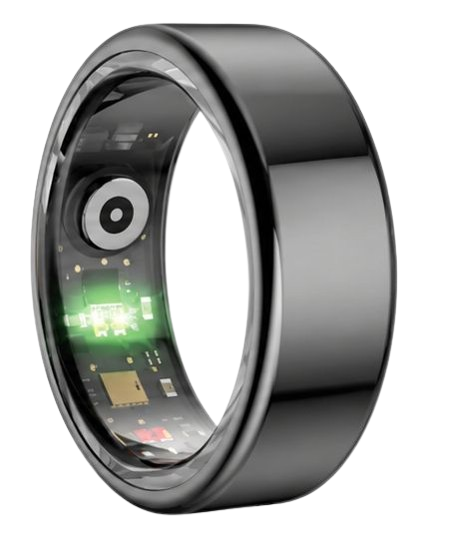
The Herz P1 Smart Ring automates this entire process by tracking your skin temperature variations continuously while you sleep.
It integrates these thermal metrics directly with sleep staging and heart rate variability to deliver a complete picture of your recovery.
By visiting the official Herz P1 Checkout Page, you can secure this military-grade tracking companion without ever paying a monthly subscription fee.
90-Day 100% Money-Back Guarantee
“The Herz Smart Ring helps me manage stress easily. It’s accurate, stylish, and lightweight—perfect for my busy life!”
— Jennifer P. | ✔ Verified Customer
- ✓ 6-Day Battery Life
- ✓ Detailed Sleep Analysis
- ✓ Fast 1-Hour Charging
- ✓ iOS & Android Ready
Questions? Call: 1-866-479-1629
The Science of Endocrine Rhythms: How Hormones Dictate Body Temperature

To understand cycle-tracking technology, you must first understand the endocrine foundation behind it.
Your endocrine system operates on a highly organized monthly cycle governed by chemical messengers.
These messengers dictate not only reproductive readiness but also your core thermoregulatory settings.
Scientific consensus from organizations like the Endocrine Society shows that skin temperature fluctuates in direct response to circulating hormone levels.
By measuring these fluctuations, a smart ring acts as an indirect monitor of your internal chemical states.
The Estrogen-Follicular Dynamic and Its Cooling Effect
The first half of your menstrual cycle is known as the follicular phase, which begins on the very first day of your period.
During this phase, estrogen becomes the dominant hormone in your bloodstream as your body prepares for potential ovulation.
Estrogen acts as a natural thermolytic agent, meaning it dilates blood vessels and helps lower your resting temperature.
This vascular dilation is why your skin temperature remains consistently low during the follicular phase.
Understanding your basal temp during period and early follicular days establishes the vital baseline for your unique body.
This cool baseline phase usually lasts about 10 to 14 days, depending on your individual cycle length.
During this low-temperature window, your body is optimized for physical stamina and high-intensity recovery.
Tracking this lower phase helps you identify when your body is in its most resilient physical state.
Progesterone, Luteal Heat, and the Biometrics of Ovulation
Once ovulation occurs, your ovaries transition into a temporary structure called the corpus luteum.
This structure begins releasing large amounts of progesterone, which is the primary hormone of the luteal phase.
Progesterone acts directly on the hypothalamus, which serves as your body’s internal thermostat.
This hormonal signal raises your core setpoint temperature, causing a noticeable shift in your daily readings.
This distinct elevated shift is known scientifically as the biphasic thermal response.
By analyzing your bbt throughout cycle, you can easily visualize this clear division between your cool and warm phases.
This sustained warmth serves as biological confirmation that ovulation was successful.
Furthermore, monitoring your ovulation cycle temperature allows you to identify your peak fertile window with incredible precision.
This warm phase typically remains elevated for 11 to 14 days until your hormone production shifts once again.
Deciphering the Premenstrual Dip: When Does Your Temperature Drop Before a Period?

For many women, the most valuable part of thermal tracking is predicting exactly when menstruation will begin.
The physical symptoms of an impending period can often be stressful or highly unpredictable.
Fortunately, your body’s thermal signature provides an objective warning system well before physical cramps start.
This biological warning is known as the premenstrual thermal dip, and it is highly consistent across most healthy cycles.
Identifying the Mathematical Temperature Drop
In a typical healthy cycle, the corpus luteum begins to break down if fertilization does not occur.
This breakdown causes a rapid drop in circulating progesterone levels in your bloodstream.
As progesterone falls, the hypothalamus immediately lowers your core thermal setpoint back to baseline.
This sudden drop typically occurs 24 to 48 hours before your active menstrual bleeding begins.
By tracking this shift, you can find the exact answer to when does your body temperature drop before period.
This thermal drop serves as a reliable biological notification that allows you to prepare for your period with total confidence.
For some individuals, this drop occurs gradually over a couple of days, while for others, it is an overnight drop.
Using advanced temperature cycle tracking, you can map your personal curve to see how your body behaves.
This mathematical drop eliminates the anxiety of unexpected periods and helps you reclaim control over your schedule.
At the same time, if you notice your temperature continues to rise, you might ask, does your temperature rise before your period in some cases?
An unusual elevation that persists past your expected period date is often the earliest biometric sign of pregnancy.
Actionable Biometric Tracking with the Herz P1 Companion App
Raw biometric data is only useful when it is translated into clear, actionable lifestyle insights.
The Herz P1 Companion App displays your overnight temperature trends alongside critical cardiovascular and recovery metrics.
By viewing these combined insights, you can make intelligent decisions about your workouts, work schedule, and rest.
Our team has compiled a helpful guide below to show you how to align your lifestyle with each phase of your cycle.
| Cycle Phase | Target Biometric Signature | Actionable Lifestyle Modification |
|---|---|---|
| Early Follicular (Menstruation) | Low, stable temperature; rising HRV trends. | Prioritize restorative yoga and gentle mobility work to support early-stage recovery. |
| Late Follicular (Pre-Ovulation) | Baseline temperature; peak cardiovascular recovery. | Schedule high-intensity interval training (HIIT) and demanding strength workouts. |
| Ovulation (Mid-Cycle) | A brief drop followed by a sharp 0.5°F thermal rise. | Optimize metabolic support; maintain high hydration levels during active periods. |
| Luteal Phase (Post-Ovulation) | Elevated, warm temperature plateau; lower baseline HRV. | Focus on steady-state aerobic workouts and prioritize earlier sleep times to combat fatigue. |
| Premenstrual Dip (24h Pre-Period) | Sharp temperature drop back toward your baseline. | Reduce physical stressors; incorporate active recovery and mindfulness techniques. |
By matching your activity levels to these phases, you work with your body’s natural chemistry instead of against it.
The Herz P1 Smart Ring monitors these shifts 24/7, tracking everything from your finger without bulky watch bands.
Its lightweight, military-grade steel design ensures you can wear it comfortably all night without disturbing your sleep.
Over time, this continuous wear builds a highly accurate, personalized map of your monthly health trends.
Navigating Sizing Variables and Tracking Pitfalls in Digital Health
Biometric wearables are incredibly advanced, but they still require proper fit and handling to deliver accurate results.
Our engineering team has analyzed real-world user data to identify the most common mistakes in smart ring tracking.
Understanding these potential pitfalls ensures you get the absolute highest accuracy from your device.
The Impact of an Improperly Fitted Ring
A smart ring relies on high-precision optical sensors that must maintain gentle, constant contact with your skin.
If your ring is too loose, it can rotate during the night and lose its alignment with your blood vessels.
This shifting can lead to gaps in your data or inaccurate temperature readings.
To avoid this, we recommend wearing the Herz P1 on your index or middle finger for the most stable fit.
If you fall between sizes, always choose the size that feels snug but comfortable during late-afternoon swelling.
Managing External Environmental Disturbances
Your sleeping environment can occasionally cause temporary, non-hormonal fluctuations in skin temperature.
For example, sleeping with an electric blanket or in an exceptionally cold room can alter your distal skin temp.
The Herz P1’s advanced algorithms account for minor environmental shifts by analyzing your systemic trends.
However, maintaining a relatively consistent bedroom temperature will always yield the most accurate cycle predictions.
If you experience an unusual night of sleep due to travel or illness, you can easily note it in the app to keep your data clean.
Frequently Asked Questions About Smart Rings
Is the Herz P1 Smart Ring waterproof?
Yes, the Herz P1 Smart Ring is fully IP68 waterproof and rated for submersion up to 164 feet (50 meters). You can confidently wear it while swimming, showering, washing your hands, or relaxing in a hot tub. This makes it incredibly easy to wear 24/7 without worrying about water damage.
How long does the Herz P1 battery last on a single charge?
The Herz P1 features a long-lasting battery that provides up to 6 days of continuous biometric tracking. When it is time to recharge, the ring charges from 0% to 100% in under 1 hour using the included magnetic charging dock. This fast-charging capability eliminates the charging anxiety common with typical smartwatches.
Which finger is best to wear a smart ring on for cycle tracking?
We recommend wearing the Herz P1 on your index finger, middle finger, or ring finger of your non-dominant hand. These fingers have the most stable skin contact and blood flow, which ensures the highest possible accuracy for optical sensors. Make sure the sensor bumps on the inside of the ring are positioned on the palm side of your finger.
Does the Herz P1 Smart Ring store data when my phone is offline?
Yes, the Herz P1 has built-in offline memory that can store up to 7 days of historical biometric data. You do not need to keep your smartphone nearby or connected to Bluetooth at all times. Once you open the companion app, the ring will automatically sync your stored data and update your personal health dashboard.
Are there any monthly subscription fees for the Herz P1 App?
No, the Herz P1 requires absolutely no monthly subscription fees or hidden app renewals. Once you purchase the ring, you receive lifetime access to all tracking features, cycle predictions, and deep sleep metrics. This saves you over $70 per year compared to competitors who lock your biological data behind a monthly paywall.
Conclusion: Reclaim Control of Your Hormonal Health Today
Monitoring your temperature shifts provides a powerful window into your body’s endocrine rhythms and recovery states.
By tracking these biometrics daily, you can accurately predict your cycle phases and make informed wellness choices.
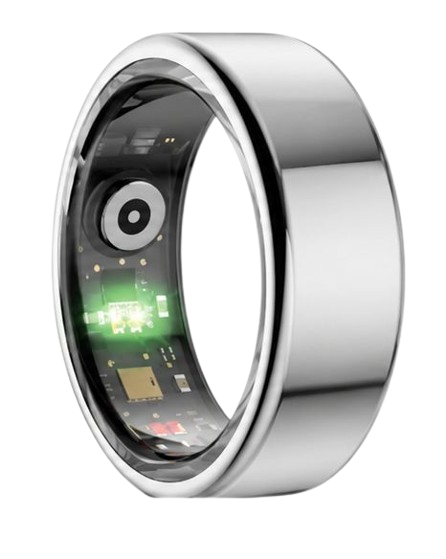
The military-grade Herz P1 Smart Ring makes this tracking completely seamless, automatic, and subscription-free.
Ready to monitor your health every day? Explore the Herz P1 Smart Ring and see if it fits your lifestyle. Call: 1-866-479-1629 — our team can help you advise on the correct ring size and set personalized health goals.
Note: Individual results may vary depending on individual health conditions, age, and lifestyle habits. This article is intended for general health reference purposes only.
