

Understanding your basal temp during period allows you to decode crucial ovulation signals and hormonal transitions effortlessly. Many women track their temperature variations daily but remain confused by sudden thermal drops on the first day of menstruation. By utilizing the advanced biometric sensors of the Herz P1 smart ring, you can comfortably capture these subtle shifts automatically without waking up early to use a traditional thermometer, ensuring a clearer picture of your ongoing reproductive health.
Built to Last. Save Up to 69% Today.
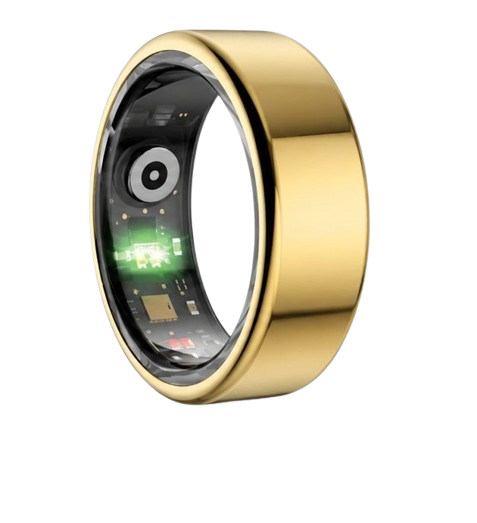
The Herz P1 Smart Ring tracks HRV, Sleep, Heart Rate & SpO2 around the clock. No subscriptions. No renewals. Ever.
In This Article
- How to Track Basal Temperature Safely: Follow our step-by-step biological guide to accurately measure monthly cycle variations.
- The Science of Menstrual Thermoregulation: Learn how estrogen and progesterone dynamically dictate your core temperature.
- Interpreting Your Baseline Trends: Understand the critical indicators that reveal ovulation timing and period starts.
- Optimizing Your Routine: Discover how to use automated biometric rings to bypass typical tracking errors.
How to Track Basal Temp During Period to Unlock Your Hormonal Blueprint

To accurately capture your menstrual cycles, you must establish a highly structured measurement protocol.
Inconsistent measurement techniques often create false spikes that lead to confusion.
Tracking your temperature cycle tracking patterns requires patience and the correct daily tools.
By building a consistent habit, you can successfully isolate anomalies from true ovulation shifts.
Prerequisites / What You’ll Need
Before you begin your tracking journey, ensure you possess a reliable measuring instrument.
You can use a digital basal thermometer with two decimal places or a specialized biometric smart ring.
Consistency is key, so you will need to measure your temperature at the exact same hour every morning.
A tracking app or physical chart is also necessary to plot your daily readings over several months.
-
Step 1: Establishing a Baseline Before Your Cycle Begins
You must record your waking temperature immediately upon opening your eyes each morning.
Do not sit up, speak, or drink water before taking your reading.
This ensures you record your true resting basal metabolic state without muscular interference.
Keep your measuring device within arm’s reach of your bed to avoid moving unnecessarily.
Log this initial data to understand your personal bbt throughout cycle trends.
-
Step 2: Detecting the Temperature Drop on Day One
Look for a sudden drop in your daily reading on the morning your menstruation begins.
This downward shift signals that your progesterone levels have fallen to their baseline.
This temperature drop indicates that the previous luteal phase has officially concluded.
Most individuals experience a reading below 97.6°F (36.4°C) during this phase.
Log this day as Day One of your new menstrual cycle inside your tracking application.
-
Step 3: Maintaining Daily Records During Bleeding Days
Continue taking your daily readings even while experiencing active menstrual bleeding.
Some people mistakenly believe tracking is unnecessary during their period.
However, keeping these records helps establish a reliable follicular phase baseline.
Your temperature should remain consistently low throughout your bleeding window.
Note any unusual sleep disturbances or late-night meals that might cause minor spikes.
-
Step 4: Recognizing the Transition to the Follicular Phase
Monitor your trends as your period ends and you move deeper into the follicular phase.
You will typically observe a stable, cool trend during this pre-ovulatory stage.
An unexpected increase may represent a high body temp during follicular phase anomaly.
This follicular baseline serves as the necessary contrast for your upcoming ovulation spike.
Keep your morning routine identical to ensure this baseline remains statistically clean.
-
Step 5: Identifying the Ovulation Surge and Biphasic Shift
Watch for a sustained temperature rise of 0.5°F to 1.0°F following your follicular phase.
This rapid shift indicates that successful ovulation has occurred in your ovaries.
You will transition to an elevated ovulation cycle temperature plateau.
This elevated state must persist for at least three consecutive days to confirm ovulation.
If your reading remains low, it suggests that your cycle may be anovulatory this month.
Enhancing Your Journey with Herz P1
The Herz P1 Smart Ring completely automates this elaborate tracking sequence so you can sleep peacefully.
Instead of waking up to alarms, you simply wear this military-grade steel ring throughout the night.
It samples your skin temperature continuously, filtering out waking movements to record your true basal state.
You can view your complete hormonal trend lines directly in the free, lifetime subscription app.
This seamless approach allows you to secure highly accurate data without the stress of manual morning tracking.
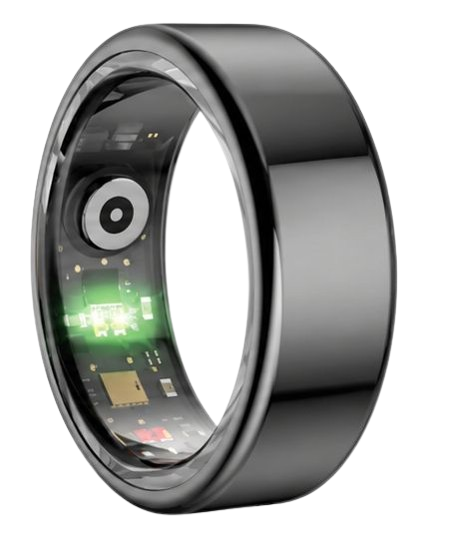
90-Day 100% Money-Back Guarantee
“The Herz Smart Ring helps me manage stress easily. It’s accurate, stylish, and lightweight—perfect for my busy life!”
— Jennifer P. | ✔ Verified Customer
- ✓ 6-Day Battery Life
- ✓ Detailed Sleep Analysis
- ✓ Fast 1-Hour Charging
- ✓ iOS & Android Ready
Questions? Call: 1-866-479-1629
The Science of Core Temperature Variation and Hormonal Fluctuations

Your body functions as an incredibly sophisticated thermostat governed by endocrine messengers.
These hormonal variations cause subtle shifts in blood flow to your extremities throughout the month.
Our team at Herz P1 has studied physiological datasets to map these precise thermal cycles.
We found that tracking skin temperature changes provides direct insight into ovarian follicular health.
Estrogen, Progesterone, and the Hypothalamic Thermostat
The hypothalamus acts as the primary master control center for your body’s core temperature.
During the follicular phase, estrogen dominates your system and acts as a mild cooling agent.
This cooling effect maintains your basal temperature at its lowest range during your period.
Once ovulation occurs, the corpus luteum begins releasing substantial amounts of progesterone.
Progesterone acts directly on the hypothalamus to raise your thermal baseline significantly.
This dynamic shift prepares your uterine lining for potential embryo implantation each month.
If implantation does not occur, hormone levels drop, initiating your does temperature drop after ovulation transition.
Deciphering the Biphasic Shift in Your Cycle
A healthy ovulatory cycle typically exhibits a distinct biphasic temperature pattern.
The first phase remains cool, while the second phase displays a noticeable elevation.
A persistent low reading indicates that your body remains in the estrogen-dominant phase.
Analyzing this biphasic pattern helps pinpoint your exact fertility window each month.
Many couples use this data to optimize their chances of natural conception.
Understanding your basal body temperature before period helps predict the exact day your menses will start.
The absence of this thermal shift may suggest a hormone imbalance that requires medical advice.
What Abnormal Temperature Trends Mean for Your Recovery
Irregular temperature patterns can indicate high physical stress or poor sleep quality.
If your readings show random spikes during your period, your body may be battling a mild infection.
Alternatively, late-night alcohol consumption can artificially raise your skin temperature metrics.
Our research shows that chronic stress dampens the natural temperature variation between phases.
By observing these anomalies, you can adjust your recovery habits to support endocrine health.
Using a bbt ovulation tracking system makes identifying these anomalies simple and stress-free.
When you spot these variations early, you can make proactive lifestyle adjustments to restore balance.
Practical Application Guide: Aligning Your Lifestyle with Your Cycle
Tracking your biological data is only valuable if you translate it into daily action.
You can use your temperature trends to optimize your workouts and rest cycles.
This personalized approach helps prevent overtraining and reduces physical exhaustion.
Aligning your habits with your natural physiology promotes long-term endocrine balance.
Adjusting Training Intensity Based on Thermal Phases
During your cool follicular phase, your body is primed for high-intensity workouts.
Low progesterone levels mean your cardiovascular system dissipates heat more efficiently.
This is the optimal time to focus on strength training and high-intensity interval training.
As your temperature rises post-ovulation, your body enters a high-recovery state.
You should transition to moderate aerobic exercises, yoga, and extended recovery sessions.
Following this phase-based physical routine protects your joints and lowers cortisol spikes.
Stress Management and Sleep Architecture Alignment
Elevated progesterone levels during the luteal phase can disrupt sleep quality.
You may experience more frequent waking periods and reduced deep sleep stages.
To combat this, focus on winding down early and maintaining a cool bedroom environment.
Use your smart ring data to monitor changes in your Heart Rate Variability (HRV).
A drop in HRV combined with elevated temperatures indicates your body needs extra rest.
Prioritizing recovery during this window helps prevent premenstrual mood swings.
Overcoming Risks & Common Mistakes in Cycle Tracking
Many individuals make simple mistakes that compromise the accuracy of their cycle charts.
Relying on outdated tracking methods often leads to frustrating data gaps.
Identifying these pitfalls allows you to choose a highly reliable tracking system.
Modern wearable technology offers solutions to these common tracking challenges.
The Discomfort and Limitations of Bulky Smartwatches
Wearing a large, heavy smartwatch to bed can severely disrupt your sleep quality.
Bulky devices often shift during the night, leading to inaccurate skin temperature readings.
This movement creates empty data points in your daily cycle charts.
Furthermore, daily charging requirements mean you might miss tracking crucial nights.
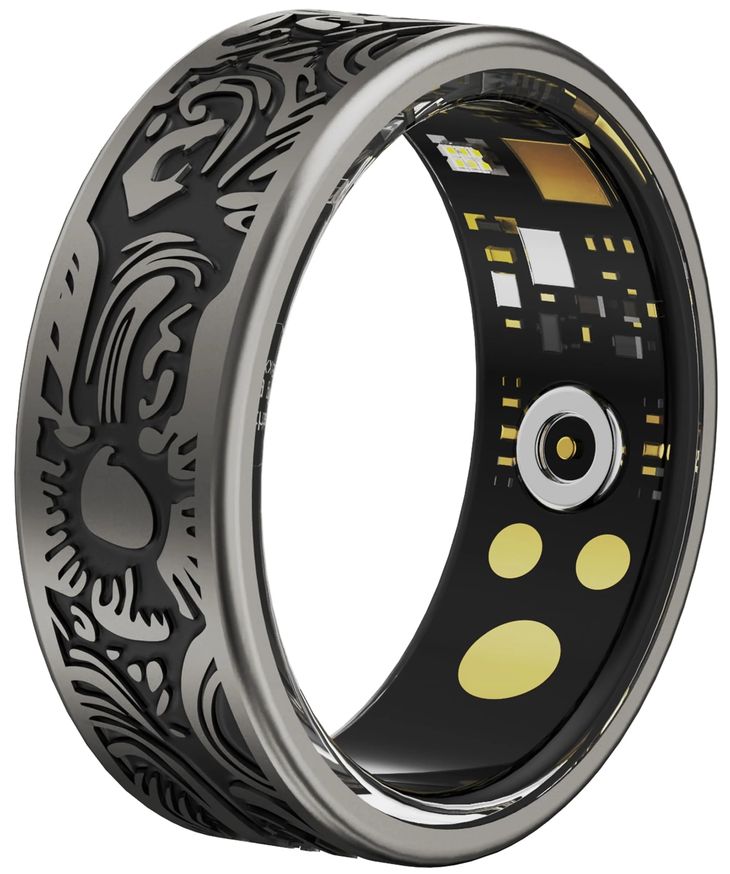
A sleek bbt charting ring provides a much lighter, more stable alternative.
This compact design ensures continuous contact with your blood vessels for precise metrics.
Avoiding the Financial Drain of Subscription-Based Wearables
Many health trackers lock your personal biometric data behind expensive monthly paywalls.
These ongoing fees turn a one-time hardware purchase into a long-term financial burden.
We believe you should never have to pay a subscription to view your own biological trends.
The Herz P1 provides complete access to all tracking features with zero ongoing costs.
Your purchase includes lifetime access to comprehensive sleep, HRV, and temperature dashboards.
This straightforward pricing model ensures you can track your health without hidden expenses.
Frequently Asked Questions (FAQ)
Is the Herz P1 waterproof?
Yes, the Herz P1 is IP68 waterproof and rated for submersion up to 164 feet (50 meters).
You can safely wear it while showering, swimming, or washing your hands.
The military-grade steel outer shell protects the inner sensors from moisture damage.
This high level of protection ensures you never have to remove the ring during daily activities.
How long does the battery last?
The advanced battery provides up to 6 days of continuous tracking on a single charge.
It fully recharges in under 1 hour using the included magnetic charging dock.
This long battery life eliminates the stress of daily charging.
You can track your sleep and temperature patterns for nearly a week without interruption.
Which finger is best to wear it on?
For the highest sensor accuracy, we recommend wearing the ring on your index or middle finger.
These fingers possess larger blood vessels close to the skin surface.
The ring should fit snugly but comfortably without rotating too easily.
Ensuring a secure fit prevents ambient air from interfering with the temperature sensors.
Does it store data offline?
Yes, the ring has secure onboard storage that holds up to 7 days of biological data offline.
You do not need to keep your smartphone nearby or leave Bluetooth active overnight.
The ring will automatically sync your data the next time you open the companion app.
This local storage feature ensures you never lose critical tracking data during travel.
Conclusion: Embrace Smart Menstrual Tracking with Herz P1
Tracking your basal temperature trends unlocks vital insights into your overall wellness.
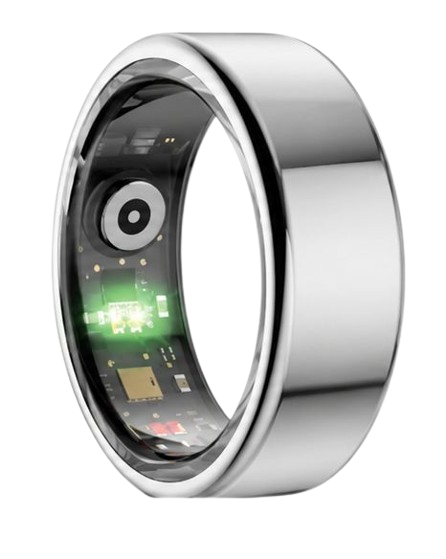
The Herz P1 Smart Ring offers a comfortable, subscription-free way to monitor these changes.
Ready to monitor your health every day?
Explore the Herz P1 Smart Ring and see if it fits your lifestyle.
Call: 1-866-479-1629 — our team can help you advise on the correct ring size and set personalized health goals.
