

Many individuals default to a curled-up posture, and understanding the psychology behind fetal position sleep can unlock deeper insights into daily stress. Our team at Team Herz P1 designed the subscription-free Herz P1 smart ring to help you track how your body recovers in this protective position. This comprehensive guide details the physiological benefits, psychological roots, and structural drawbacks of sleeping curled up in bed.
Built to Last. Save Up to 69% Today.
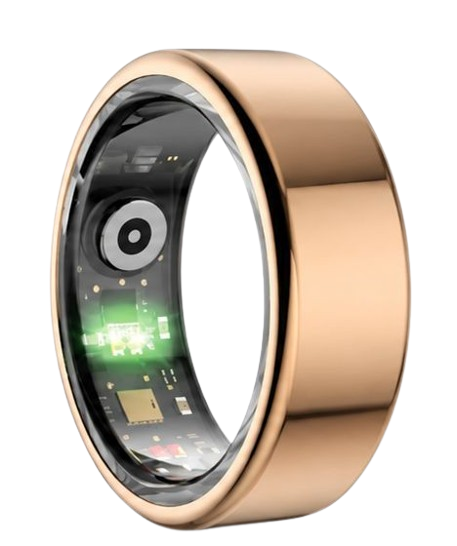
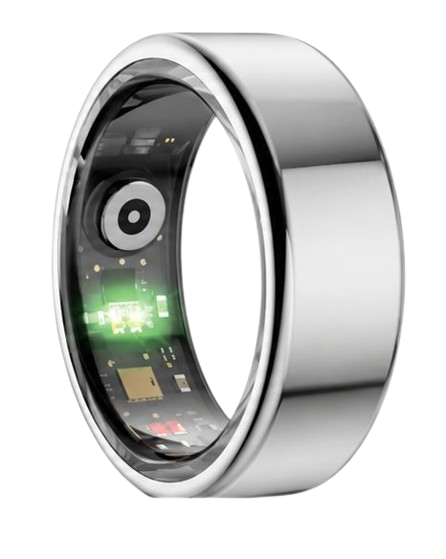
The Herz P1 Smart Ring tracks HRV, Sleep, Heart Rate & SpO2 around the clock. No subscriptions. No renewals. Ever.
In This Article
- How to optimize fetal sleeping posture for pelvic alignment and chest expansion.
- The psychological roots of sleeping curled up in bed and what it means for your nervous system.
- Biometric deep-dive on how lateral sleeping patterns influence heart rate variability (HRV) and oxygen levels.
- Actionable tips on choosing the right wearable device to monitor your overnight recovery without ongoing subscription fees.
How to Optimize Your Fetal Sleep Position for Peak Recovery: A Step-by-Step Guide

Prerequisites for optimization: A medium-firm mattress that contours to your body shape, a dedicated cervical head pillow, a thin pelvic support pillow, and a calibrated sleep tracking device like the subscription-free Herz P1.
Step 1: Choose Your Sleeping Side Wisely
First, identify whether left-side or right-side sleep is best for your current physiological needs.
Sleeping on your left side is clinically proven to improve lymphatic drainage and support natural digestive processes.
Conversely, choosing the right side can occasionally reduce cardiovascular pressure for individuals with sensitive heart rates.
You must avoid rolling flat onto your back if you are highly prone to sleep apnea or intense snoring.
By making an intentional lateral choice, you can preserve natural spine alignment and maintain quiet breathing throughout the night.
Step 2: Adjust Your Head Pillow to Maintain a Neutral Cervical Spine
Select a head pillow with a loft height that perfectly matches your exact shoulder width.
Your neck and head should rest in a completely straight line that is parallel to the mattress surface.
Avoid using overly thick or soft pillows that force your chin downward toward your chest.
A hyper-flexed neck posture compresses your trachea and can cause sudden drops in nocturnal blood oxygen saturation levels.
Keeping your throat open and relaxed allows for unrestricted, silent respiration all night long.
Step 3: Insert an Orthopedic Support Pillow Between Your Knees
Place a thin, semi-firm contour pillow directly between your knees and upper thighs.
This simple pelvic spacer keeps your hips and lower spine perfectly stacked in a parallel line.
Without this supportive barrier, your top leg will naturally drag forward and twist your lumbar joints.
Over time, this chronic spinal rotation results in morning lower back stiffness and severe sciatic nerve irritation.
Utilizing a knee pillow relieves joint pressure so your muscles can completely relax during deep sleep stages.
Step 4: Consciously Open Your Torso Curve
Avoid curling your body into a tight, ball-like shape that compresses your rib cage and internal organs.
Instead, gently stretch your spine so you maintain a loose, elongated semi-fetal posture.
Your knees should form a comfortable ninety-degree angle relative to your hips rather than being pulled up high.
A loose, open curve allows your diaphragm to expand fully and supports deep, oxygen-rich abdominal breathing.
Ensure your arms rest gently in front of you instead of being tucked tightly under your torso.
Step 5: Establish a Consistent Nocturnal Biometric Baseline
You must track how your body responds to these postural changes by measuring overnight physiological trends.
Pay close attention to your heart rate variability scores as they indicate deep parasympathetic nervous system recovery.
If your sleep posture is causing structural pain, your body will remain in a stressed, sympathetic state.
Consistently analyzing these bio-signals helps you discover the exact alignment that promotes deep slow-wave sleep.
By correlating your morning muscle stiffness with your sleep staging metrics, you can continually refine your sleeping setup.
Optimizing Your Recovery Tracking with Team Herz P1
To help you master this step-by-step optimization process, the Herz P1 Smart Ring works silently in the background all night long.
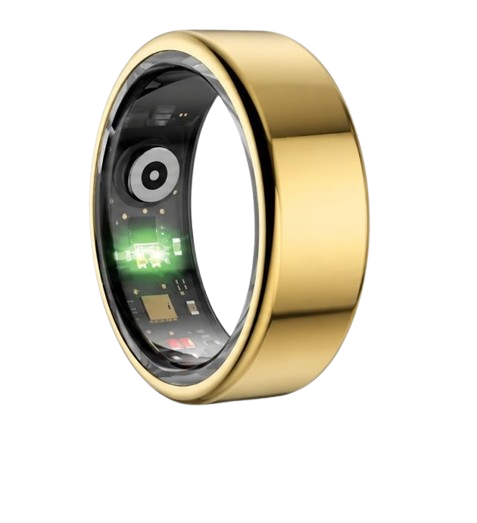
This ultra-lightweight military-grade steel ring monitors your sleep stages with surgical precision without bulky wrist straps.
Its advanced companion app provides free lifetime access to comprehensive health reports so you can track your posture optimization progress.
The Psychological Roots of Sleeping Curled Up: What Your Sleep Posture Says About Your Mind
Humans spend nearly a third of their lives sleeping, which makes our nightly habits highly representative of our subconscious mental health.
When you choose to lie curled up in bed, you are reacting to a deeply ingrained evolutionary defense mechanism.
This specific fetal pose sleep posture effectively protects the softest, most vulnerable parts of your anterior torso from external environmental threats.
Clinical sleep psychology studies show that individuals facing intense daytime pressure often default to this protective posture at night.
By shielding your chest, abdomen, and pelvis, your brain subconsciously signals that it is actively seeking emotional safety and physical security.
If you have ever wondered why do i sleep in fetal position, the answer is closely tied to your daily emotional processing dynamics.
When your mind is overwhelmed by high cortisol levels, it seeks comfort by returning to the primary position of human fetal development.
The psychological sleeping in fetal position psychology suggests that these sleepers are often gentle, highly sensitive, and emotionally intuitive individuals.
They may present a strong, highly independent exterior to the world while secretly craving deep empathy, understanding, and warm personal connection.
In terms of overall sleep position meaning, this posture is widely recognized as the human body’s natural stress-coping mechanism.
Over fifty-one percent of participants in global sleep surveys consistently prefer this protective curling style over other skeletal layouts.
Furthermore, the National Sleep Foundation connects high levels of mental fatigue with a physical drive to curl the body inward during rest.
This posture helps conserve core body temperature and reduces the energetic demands placed on your autonomic nervous system.
By utilizing the Herz P1 Smart Ring to log your sleep stages, you can monitor how mental stress directly influences your body’s physical positioning.
This comprehensive tracking bridges the gap between your psychological state and your overnight physical recovery.
The Biometric Impact of Lateral Postures: How Fetal Sleeping Affects HRV and Oxygen Saturation
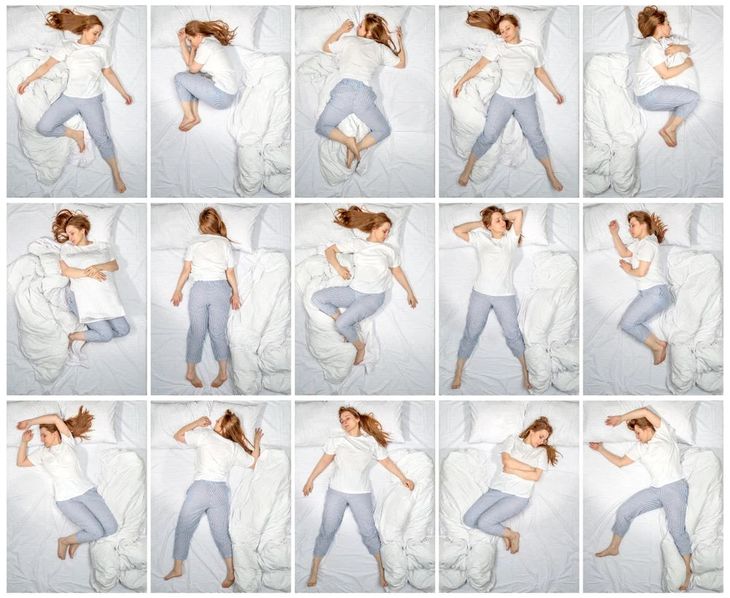
From a clinical perspective, adopting a moderate fetal position sleep has profound effects on your cardiovascular and respiratory metrics.
When you sleep in a lateral position on your left side, you promote optimal blood flow through the inferior vena cava.
This posture significantly reduces the workload on your heart muscle and allows your blood pressure to settle into a healthy, restorative rhythm.
The American Heart Association notes that healthy lateral positions help prevent sudden blood pressure spikes during deep sleep stages.
Additionally, lateral postures facilitate the natural clearance of metabolic waste from your brain through the glymphatic system.
This cleansing process is most active during deep, slow-wave sleep and is highly supported by proper spinal alignment.
However, if you curl too tightly into a closed ball, you risk compressing your rib cage and diaphragm.
Chronic chest compression restricts the volume of air your lungs can pull in, which can cause subtle drops in blood oxygen saturation.
These minor drops in SpO2 can trigger micro-arousals that disrupt your REM sleep and leave you feeling exhausted in the morning.
Furthermore, physical pain from joint compression can prevent your autonomic nervous system from transitioning into a restorative parasympathetic state.
This leaves your overnight Heart Rate Variability (HRV) scores flat, indicating that your body did not fully recover from daytime stress.
The high-precision optical sensors of the Herz P1 Smart Ring track these subtle variations with a margin of error under two percent.
By measuring your HRV and blood oxygen levels every five minutes, the ring uncovers how your posture impacts your vital organs.
This microscopic view of your biometrics ensures you can adjust your sleeping angles before poor alignment causes long-term health issues.
Armed with this precise data, you can optimize your sleeping habits and unlock a new level of daily energy.
Fetal Posture vs. Other Sleep Positions: Structural Benefits and Pain Mitigation
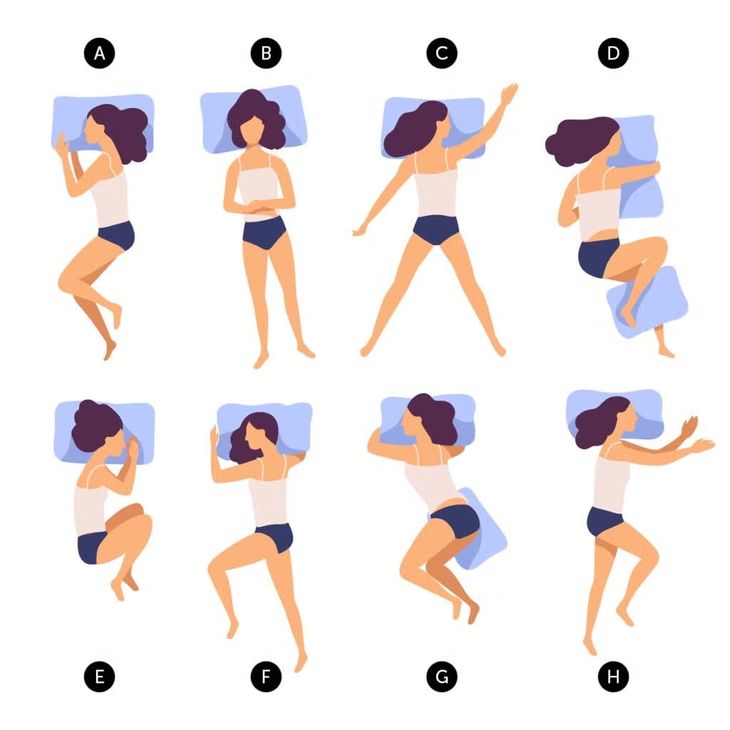
To truly appreciate the value of sleeping in a fetal position, we must compare it to alternative sleep habits.
Every layout within the spectrum of human sleeping positions impacts your musculoskeletal system differently.
For instance, while back sleeping aligns the spine, it carries significant risks of airway obstruction and heavy snoring.
These respiratory challenges highlight the major disadvantages of sleeping on your back for individuals prone to sleep apnea.
In contrast, those who prefer the starfish position often face severe lower back arching and neck hyper-extension.
Even worse, lying on stomach forces your neck to remain rotated for hours, causing intense joint inflammation.
Sleepers who attempt sleeping straight on their sides often struggle to maintain balance and frequently roll onto their stomachs.
Meanwhile, adopting a style like sleeping with knees up helps flatten the lower lumbar curve and reduces pressure on your sciatic nerve.
Some dynamic sleepers prefer a hybrid style, such as the figure 4 sleeping position meaning they balance structural stability with spinal rotation.
While these various postures have unique pros, sleeping in a fetal position remains a highly reliable way to protect your lower back.
The gentle curve of the spine opens up the facet joints in your vertebrae, providing instant relief from spinal stenosis pain.
However, if you suffer from severe hip osteoarthritis, the lateral pressure of this posture can cause morning stiffness.
This is why utilizing targeted pillow supports is absolutely essential for keeping your joints properly stacked all night.
By pairing these structural adjustments with the continuous monitoring of the Herz P1, you can master your sleep biomechanics.
This dual approach ensures your sleep posture actively heals your body rather than contributing to chronic muscle tension.
| Sleep Position | Psychological Association | Physiological & Structural Impact |
|---|---|---|
| Fetal Position | Desire for comfort, protective nature, emotional sensitivity, empathy. | Relieves lower back pressure; can compress chest if curl is too extreme. |
| Back Sleeping | Confidence, openness, structural order, high self-esteem. | Keeps spine aligned; increases risk of airway collapse and snoring. |
| Stomach Sleeping | Anxiety control, vulnerability shielding, perfectionism. | Causes severe neck rotation; strains lumbar spine and hip joints. |
Practical Application: Tracking Your Sleep Quality with Herz P1
To put these postural insights into action, you must learn to read your biometric trends within the Herz P1 application.
Every morning, check your Sleep Quality Score to see how long you spent in restorative deep and REM stages.
The ring’s companion app displays high-resolution graphs of your heart rate and movement levels throughout the night.
If you see frequent spikes in movement, it suggests that your fetal posture is causing structural discomfort or limb numbness.
Try adjusting the thickness of your contour pillow or swapping sides to see if your sleep stability improves.
You should also cross-reference your sleep metrics with your daily HRV Stress Index trends.
When your body is highly stressed during the day, your brain will naturally drive you to sleep in a tighter, more protective curl.
The premium, lightweight design of the Herz P1 makes this 24/7 monitoring completely comfortable and seamless.
Weighing only three grams, the ring is practically unnoticeable on your finger during sleep or intense physical activity.
Unlike smartwatches that require daily charging, the Herz P1 battery lasts up to six days to ensure uninterrupted tracking.
This long-lasting performance allows you to collect highly accurate, continuous data across several weeks.
This consistent tracking empowers you to make lifestyle adjustments based on objective biological evidence.
Overcoming Sleep Tracking Obstacles: Ditching Bulky Devices and Unfair Fees
Many wellness seekers make the fundamental mistake of wearing heavy, light-emitting smartwatches to bed.
These large devices often shift on your wrist, resulting in highly inaccurate optical sensor readings.
Furthermore, smartwatches frequently emit bright screen glare that can wake you from deep sleep stages.
Another significant pitfall in the wearable market is the hidden cost of ongoing monthly app subscriptions.
Several premium brands lock your sleep reports and HRV insights behind expensive recurring paywalls.
At Team Herz P1, we believe you should never have to pay a subscription to access your personal health data.
The Herz P1 Smart Ring companion app is completely free for life and contains zero hidden upgrade fees.
Additionally, some users worry about damaging fragile wearables during daily tasks or intense workouts.
Our smart ring is built with military-grade steel and a scratch-resistant finish to withstand extreme wear and tear.
This robust, subscription-free design ensures you can track your health with total confidence and zero ongoing expenses.
Frequently Asked Questions
Is the Herz P1 Smart Ring waterproof?
Yes, the Herz P1 is engineered with a premium IP68 waterproof rating.
This medical-grade protection allows you to submerge the ring in water up to 164 feet deep.
You can safely wear it while swimming, taking a hot shower, or relaxing in a steam sauna.
The military-grade steel housing is completely hermetic to prevent any internal moisture damage.
How long does the Herz P1 battery last on a single charge?
The Herz P1 Smart Ring provides up to 6 days of continuous battery life.
This long-lasting battery is made possible by an advanced, ultra-low-energy microchip.
When the battery is empty, it charges back to one hundred percent in under 1 hour.
This fast-charging capability ensures you never miss critical overnight physiological trends.
Which finger is best to wear the Herz P1 Smart Ring on?
We recommend wearing your smart ring on the index, middle, or ring finger of either hand.
The index finger of your non-dominant hand typically offers the strongest blood flow signals for the optical sensors.
However, any of these three fingers will deliver highly accurate tracking if the fit is comfortably snug.
Ensure the inner sensor bumps rest against the palm side of your finger for proper contact.
Does the Herz P1 store health data offline when disconnected from my phone?
Yes, the ring features internal flash memory that automatically stores up to 7 days of health data.
You do not need to keep your smartphone nearby or leave Bluetooth enabled while you sleep.
The next time you open the free app, all stored data will automatically sync in just a few seconds.
This offline feature gives you complete freedom to disconnect from screens during your resting hours.
90-Day 100% Money-Back Guarantee
“The Herz Smart Ring helps me manage stress easily. It’s accurate, stylish, and lightweight—perfect for my busy life!”
— Jennifer P. | ✔ Verified Customer
- ✓ 6-Day Battery Life
- ✓ Detailed Sleep Analysis
- ✓ Fast 1-Hour Charging
- ✓ iOS & Android Ready
Questions? Call: 1-866-479-1629
Conclusion: Take Charge of Your Sleep Quality
Decoding your sleep habits is key to physical recovery.
Ready to monitor your health every day? Explore the Herz P1 Smart Ring and see if it fits your lifestyle. Call: **1-866-479-1629** — our team can help you advise on the correct ring size and set personalized health goals.
Note: Individual results may vary depending on individual health conditions, age, and lifestyle habits. This article is intended for general health reference purposes only.
