

According to the National Sleep Foundation, over 35% of adults report waking up tired most days of the week, a persistent fatigue that shadows their work and family life. If you struggle daily with this exhausting state, the Herz P1 smart ring can decode your underlying biometric patterns to help you pinpoint why your rest is failing you.
Built to Last. Save Up to 69% Today.
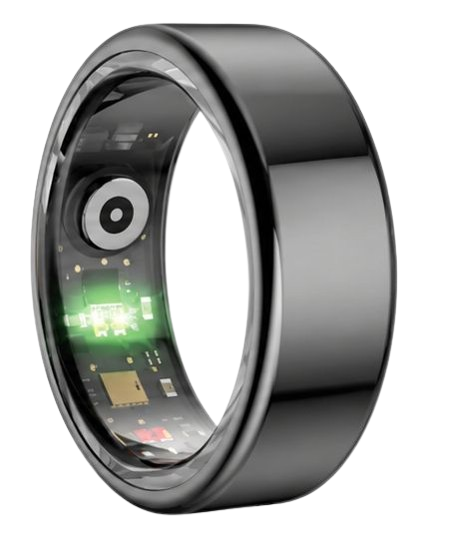
The Herz P1 Smart Ring tracks HRV, Sleep, Heart Rate & SpO2 around the clock. No subscriptions. No renewals. Ever.
In This Article
- Step-by-Step Recovery Blueprint: A practical system to optimize your sleep cycle transitions.
- Autonomic Balance: How heart rate variability (HRV) and blood oxygen (SpO2) impact morning wakefulness.
- Data-Informed Diagnostics: Leveraging wearable technology to eliminate sleep fragmentation.
- Common Mistakes: Pitfalls of heavy smartwatches and subscription-heavy health platforms.
How to Stop Waking Up Tired: A Step-by-Step Biometric Guide

Prerequisites and Baseline Requirements
To systematically eliminate morning fatigue, you only need basic tracking parameters and a commitment to monitor your habits.
Tracking your biological data over seven consecutive nights will reveal exactly what to do if you wake up tired every day.
You must establish a regular bedtime window to ensure your natural circadian rhythm aligns with your lifestyle.
Using a comfortable, low-profile wearable device will make this daily tracking effortless and highly accurate.
Step 1: Baseline Your Current Sleep Architecture
You cannot correct what you do not measure, so you must start by documenting your overnight sleep cycle stages.
Your brain requires a specific balance of light sleep, deep sleep, and REM sleep to restore physical and cognitive functions.
Deep sleep is the key stage responsible for physical tissue repair, immune strength, and muscle recovery.
If you lack sufficient deep sleep, you will feel exhausted in the morning regardless of your total time spent asleep.
Use continuous optical tracking to identify the exact duration of each sleep phase over one full week.
Avoid consuming large meals or alcohol within three hours of bedtime, as these habits directly suppress deep sleep cycles.
Step 2: Monitor Your HRV and Overnight Autonomic Recovery
Your heart rate variability represents the variation in time intervals between consecutive heartbeats.
Tracking your HRV provides a direct look into whether your autonomic nervous system is stressed or relaxed.
You want to observe your heart rate dip and your HRV rise as you progress through the night.
A high HRV indicates that your body has successfully shifted into a restorative, parasympathetic recovery state.
If your autonomic system remains locked in a sympathetic fight-or-flight response, you will wake up feeling drained.
Engage in ten minutes of slow, diaphragmatic breathing before sleeping to encourage a healthy overnight HRV transition.
Step 3: Track and Mitigate Overnight Oxygen Saturation Drops
Your blood oxygen saturation, or SpO2, should ideally remain between ninety-five and one hundred percent during sleep.
When SpO2 drops below ninety percent, your brain initiates brief micro-arousals to adjust your breathing patterns.
These constant micro-arousals fragment your sleep, leaving you with no energy in the morning.
Many individuals experience these oxygen dips due to poor sleeping posture or mild airway restriction.
Try utilizing a side-sleeping position or supportive pillows to keep your airway fully open throughout the night.
Consistently monitor your SpO2 trend lines to identify any sharp, repeating drops that may suggest breathing challenges.
Step 4: Align Your Wake-Up Window with Your Light Sleep Phase
Awakening suddenly from a deep sleep phase causes severe cognitive disorientation and physical sluggishness.
To prevent this, you should arrange to wake up during a light sleep stage when your body is already prepared for alertness.
Most human sleep cycles average around ninety minutes, moving from light to deep and back to light sleep.
You can calculate your bedtime backward from your desired wake-up alarm in blocks of ninety minutes.
This simple mathematical adjustment helps you learn how to wake up early and not feel tired.
Alining your alarms with your natural sleep stages is the most effective way to eliminate a heavy, groggy feeling.
Step 5: Apply Targeted Evening Environmental Adjustments
Your immediate sleep environment must be optimized to facilitate deep, uninterrupted physical recovery.
Keep your bedroom temperature cool, ideally between sixty-five and sixty-eight degrees Fahrenheit, to support your body’s natural cooling.
Block out all ambient light sources and eliminate blue-spectrum light from electronic devices at least one hour before bed.
If you find yourself constantly waking up at 3am, avoid checking your phone or looking at clock faces.
Get out of bed and do a brief, relaxing activity under dim light until you feel sleepy once again.
This simple habit prevents your brain from linking your bed with feelings of frustration and nighttime anxiety.
Enhancing Recovery with Wearable Insights
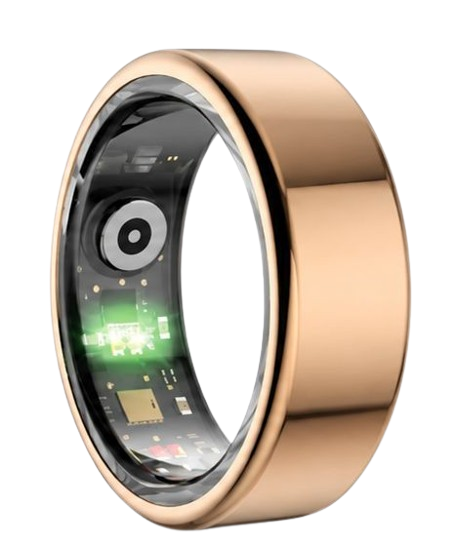
To effortlessly track your sleep architecture, blood oxygen trends, and overnight autonomic recovery, we designed the Herz P1 smart ring to capture clinical-grade biometrics straight from your finger with zero subscription fees.
Why Do I Feel Tired When I Wake Up? Decoding Sleep Inertia

Many individuals encounter a brief period of diminished cognitive function and motor coordination immediately after waking.
This physiological transition phase is clinically defined as sleep inertia, which usually persists for fifteen to sixty minutes.
If you find yourself feeling tired after waking up, sleep inertia is the direct physiological mechanism at play.
Research published by the National Sleep Foundation states that waking up from deep sleep triggers much more intense sleep inertia than light sleep.
During deep, slow-wave sleep, your brain displays slow delta waves and shows decreased blood flow in regional neural networks.
An abrupt alarm can pull you out of this deep state before your brain has the chance to redistribute blood flow and activate higher cortical areas.
This biological delay determines how long after waking up do people get tired, as adenosine clearance from neural pathways remains incomplete.
Adenosine is a natural byproduct of cellular metabolism that builds up in your brain during the day to generate healthy sleep drive.
While caffeine blocks adenosine receptors to mimic energy, it does not clear the underlying chemical debt affecting your morning wakefulness.
Monitoring your sleep architecture ensures you align your wake times with light sleep stages to bypass severe sleep inertia altogether.
The military-grade Herz P1 smart ring tracks your sleep transitions in real time, helping you identify these key light sleep windows.
Why Am I So Tired When I Wake Up? The Role of HRV and SpO2
Your autonomic nervous system and cardiorespiratory health work together to govern your overall morning vitality.
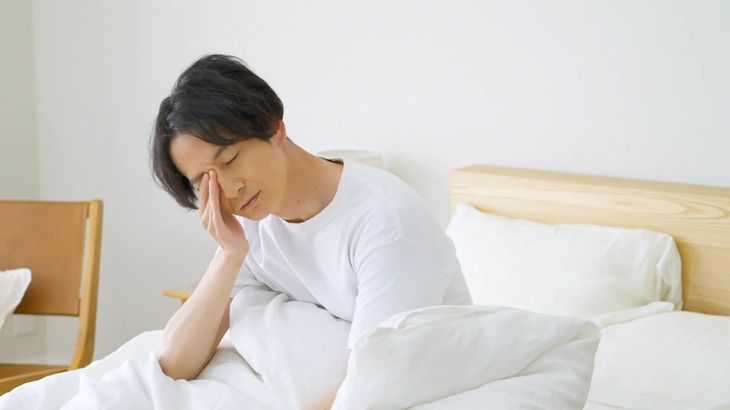
If you constantly ask yourself why am i so tired when i wake up, you must look closely at heart rate variability and blood oxygen saturation.
Heart rate variability, or HRV, serves as an accurate index of the delicate balance between your sympathetic and parasympathetic nervous systems.
The American Heart Association highlights that a healthy, highly resilient autonomic system exhibits greater beat-to-beat variability.
A depressed overnight HRV suggests that physical or psychological stressors are preventing your body from fully entering rest-and-digest mode.
This persistent cardiovascular strain explains why am so tired in the morning, even when you believe you slept for a full eight hours.
Furthermore, minor structural breathing restrictions can trigger repeated drops in your overnight blood oxygen saturation.
Your central nervous system must briefly wake you up to restore airway tone and normalize vital blood oxygen levels.
These protective micro-arousals are so short that they remain entirely below your conscious awareness.
Even though you do not remember these events, they fragment your sleep architecture and prevent you from entering restorative deep sleep.
This continuous, unseen fragmentation is the primary reason why millions of individuals wake up sleepy every morning.
Uncovering these hidden patterns requires consistent, high-frequency biometric monitoring throughout your entire sleep cycle.
The Herz P1 smart ring utilizes dual-wavelength optical PPG sensors to track your heart rate variability and SpO2 levels continuously.
By reviewing these trends in the free app, you can easily identify the exact factors causing you to waking up sleepy.
Optimizing Your Daily Habits with Herz P1 Biometric Insights
To finally answer why i am so tired in the morning, you need a clear, user-friendly breakdown of your personalized biometric metrics.
The free Herz P1 companion app converts your complex physiological data into an intuitive daily Sleep Score each morning.
Review your deep sleep duration first to ensure your body is receiving adequate physical recovery and tissue restoration.
Next, observe your overnight heart rate dip to confirm that your pulse lowers during sleep compared to your daytime resting baseline.
A delayed or shallow heart rate dip often points to late-night snacking, elevated alcohol intake, or high evening stress levels.
Use these reliable trends to tailor your training schedules, plan active recovery days, and refine your evening habits.
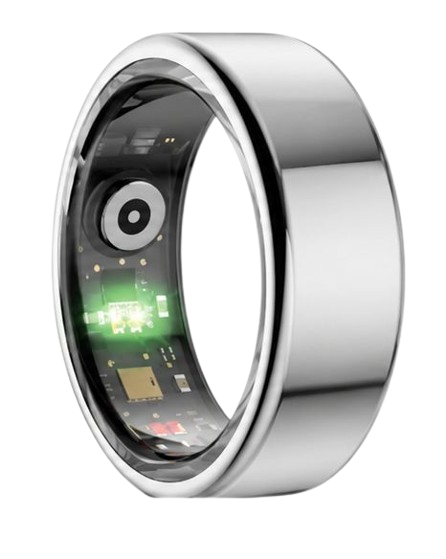
The sleek, ultra-lightweight profile of the Herz P1 ring ensures comfortable, distraction-free wear through the entire night.
Unlike bulky, heavy smartwatches, you will barely notice the military-grade steel band on your finger as you rest.
This exceptional comfort promotes consistent, long-term tracking compliance, giving you highly reliable historical data trends.
Overcoming Smartwatch Fatigue: Why Ring Biometrics Excel
Many health-conscious individuals abandon sleep tracking because they find bulky, heavy smartwatches highly uncomfortable to wear to bed.
These heavy wrist devices can trap sweat, cause skin irritation, and physically disrupt your natural sleep movements.
Additionally, smartwatches require frequent daily charging, meaning they are often sitting on chargers during key recovery windows.
Another common frustration in the wearable tech industry is the hidden cost of ongoing monthly app subscription fees.
Many popular brands lock your detailed sleep metrics and cardiovascular trends behind expensive paywalls.
Team Herz P1 believes that you should always have unrestricted access to your personal biological data.
Our companion app is completely free for life, providing full access to all sleep stages, HRV trends, and SpO2 metrics without recurring fees.
Our military-grade steel ring is engineered to withstand daily workouts, household tasks, and demanding aquatic activities.
By choosing a subscription-free smart ring, you invest in your long-term wellness without any hidden fees.
Frequently Asked Questions About Waking Up Tired and Wearable Tech
Yes, the Herz P1 features a certified IP68 waterproof rating.
It can withstand continuous water submersion up to one hundred and sixty-four feet deep.
This makes the device completely safe for swimming, showering, and daily handwashing.
The advanced, low-energy rechargeable battery lasts up to six full days on a single charge.
It uses highly optimized power management to deliver continuous biometric tracking day and night.
The ring charges from empty to full in under one hour using our high-speed magnetic charging dock.
The index, middle, or ring finger of your non-dominant hand offers the best perfusion for optical PPG sensors.
Ensure the inner sensor bump rests flat against the palm-side of your finger for precise readings.
The ring should fit snugly but remain comfortable enough to rotate slightly with gentle effort.
Yes, the Herz P1 features built-in local storage that saves up to seven days of biometric data.
You do not need to keep your smartphone nearby or connected to Bluetooth while you sleep.
Your gathered metrics will sync automatically the next time you open the free companion app.
90-Day 100% Money-Back Guarantee
“The Herz Smart Ring helps me manage stress easily. It’s accurate, stylish, and lightweight—perfect for my busy life!”
— Jennifer P. | ✔ Verified Customer
- ✓ 6-Day Battery Life
- ✓ Detailed Sleep Analysis
- ✓ Fast 1-Hour Charging
- ✓ iOS & Android Ready
Questions? Call: 1-866-479-1629
Conclusion
Maximize your morning energy by taking control of your sleep data.
The Herz P1 Smart Ring offers lifetime tracking with military-grade durability.
Explore the Herz P1 Smart Ring to see if it fits your lifestyle.
Call: 1-866-479-1629 — our team can help advise on correct ring sizes and set health goals.
Note: Individual results may vary depending on individual health conditions, age, and lifestyle habits. This article is intended for general health reference purposes only.
