

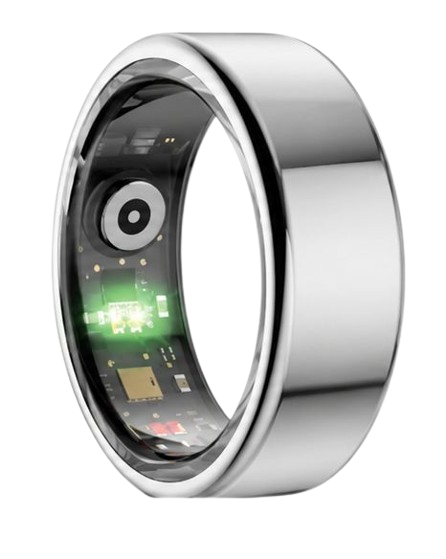
Your cardiovascular health starts with a single baseline measurement known as your resting hr, a metric that speaks volumes about your physical recovery and nervous system balance. To decode these deep biological signals without the daily distraction of a bulky smartwatch, Team Herz P1 developed the Herz P1 Smart Ring to track your biometrics seamlessly around the clock. By understanding your resting pulse trends, you can unlock a clearer path toward long-term vitality, stress resilience, and restorative sleep.
Built to Last. Save Up to 69% Today.
The Herz P1 Smart Ring tracks HRV, Sleep, Heart Rate & SpO2 around the clock. No subscriptions. No renewals. Ever.
In This Article
- How to Track and Optimize: Learn the exact steps to discover and optimize your waking biometric patterns.
- Demystifying Heart Rate Metrics: Dive deep into the science of baseline pulse variations.
- Identifying Critical Warnings: Understand when a high or low pulse pattern indicates systemic exhaustion.
- Actionable Wellness Hacks: Discover practical methods to strengthen your heart and lower your metrics naturally.
How to Establish and Optimize Your Personal Resting Heart Rate Baseline
To capture your most accurate cardiovascular metrics, you must understand the proper measurement environment.
You do not need specialized clinical equipment to successfully monitor these critical physiological trends.
Before beginning your tracking journey, ensure you are resting in a quiet space free from physical distractions.
-
Step 1: Choose Your Ideal Measurement Window
The most accurate time to record your pulse baseline is immediately upon waking up in the morning.
Do not check your phone or read stressful emails before capturing your daily heart rate statistics.
Lie completely still in bed for three to five minutes to allow your cardiovascular system to settle naturally.
Ensure your breathing is calm, steady, and unhurried to prevent artificial biometric spikes.
Practical Tip: Avoid drinking cold water or sitting up quickly, as both actions instantly elevate your heart activity.
-
Step 2: Ensure Proper Sensor Alignment
Optical sensors require direct, consistent skin contact to read the blood vessels underneath your skin.
If you are wearing a smart ring, position the sensor bumps on the palm side of your hand.
Slide the band or ring onto your index or middle finger to ensure the strongest pulse signal quality.
The device should fit snugly enough to stay in place without restricting your circulation.
Practical Tip: Avoid wearing the device on a cold finger, as cold temperatures reduce blood flow to the skin.
-
Step 3: Document Your Evening and Nighttime Habits
What you consume and experience before bed heavily influences your waking heart rate data.
Note any late-night meals, alcohol consumption, or intense evening workouts in your wellness log.
Observe how these lifestyle factors correlate with fluctuations in your morning biometric metrics.
Keep your evening environment cool and quiet to promote deeper, more stable restorative sleep cycles.
Practical Tip: Try to finish your last meal at least three hours before going to sleep.
-
Step 4: Establish a Seven-Day Rolling Average
A single day of biometric data does not provide a complete picture of your cardiovascular health.
Log your waking metrics for seven consecutive days to calculate your true baseline average.
Use this average to identify natural fluctuations caused by seasonal changes or work stress.
Watch for any sudden upward trends of five to ten beats per minute over several days.
Practical Tip: Do not panic over a single high reading, as minor daily fluctuations are perfectly normal.
-
Step 5: Adjust Your Daily Workload Based on Your Metrics
Use your morning pulse trends to make informed decisions about your daily physical activity.
If your waking metrics are unusually high, choose gentle active recovery over intense training.
Allow your nervous system to fully recover before pushing your body through another strenuous workout.
Focus on zone-two aerobic training to safely strengthen your heart and lower your waking pulse.
Practical Tip: Always listen to physical feedback from your body alongside your digital health data.
Empowering Your Baseline Tracking with Team Herz P1
The Herz P1 Smart Ring makes tracking your morning baseline effortless by measuring your pulse continuously while you sleep.
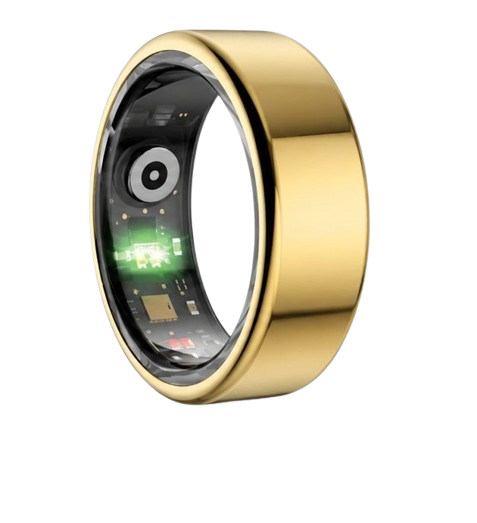
Our military-grade steel ring tracks your metrics automatically, so you do not have to perform manual morning tests.
With a free companion app that charges no ongoing monthly subscription fees, you gain complete lifetime access to your biometric trends.
Demystifying Your Daily Pulse: What Your Resting Heart Rate Says About You
To understand your physical health, you must first discover what is the resting heart rate and why it serves as an essential health metric.
Essentially, your resting heart rate represents the minimum number of times your heart beats per minute when you are at complete rest.
This measurement is a direct reflection of your heart muscle efficiency and overall autonomic nervous system balance.
When you seek the true resting heart rate meaning, you learn that a lower pulse typically indicates better cardiovascular fitness.
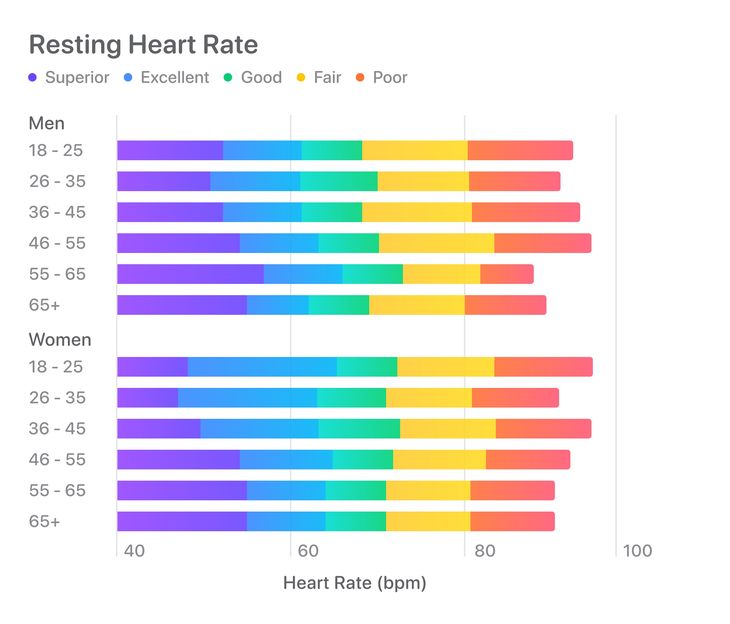
For most healthy adults, the normal waking pulse range falls between sixty and one hundred beats per minute.
However, many physically active individuals display a baseline that sits comfortably below this standard window.
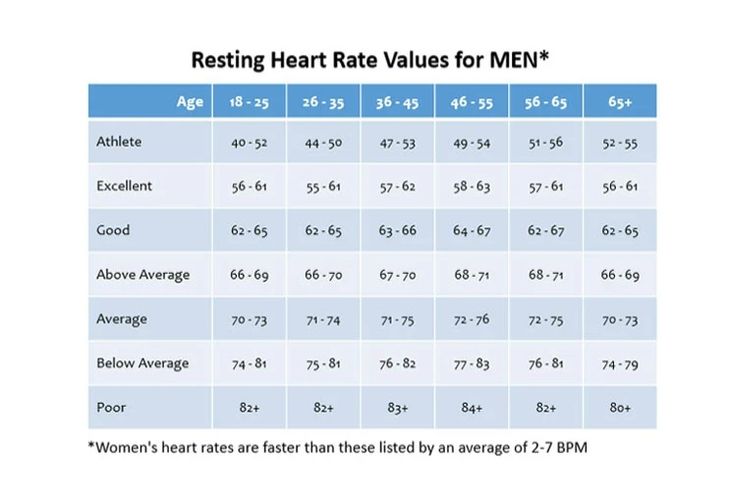
If you are wondering what’s the average resting heart rate for someone in your demographic, age and fitness level are the primary factors.
Highly conditioned endurance athletes often exhibit healthy resting rates that range between forty and sixty beats per minute.
By establishing your personal average human resting heart rate, you create a powerful benchmark for monitoring your daily recovery.
Our team at Herz P1 is dedicated to making this baseline data clear and accessible through our continuous tracking technology.
We designed our multispectral PPG sensors to observe your trends over time, helping you understand your unique average rhr.
This data-driven approach removes the guesswork from wellness, allowing you to monitor subtle cardiovascular adjustments without stress.
Anatomy of Heart Rate Extremes: High vs. Low resting pulse trends
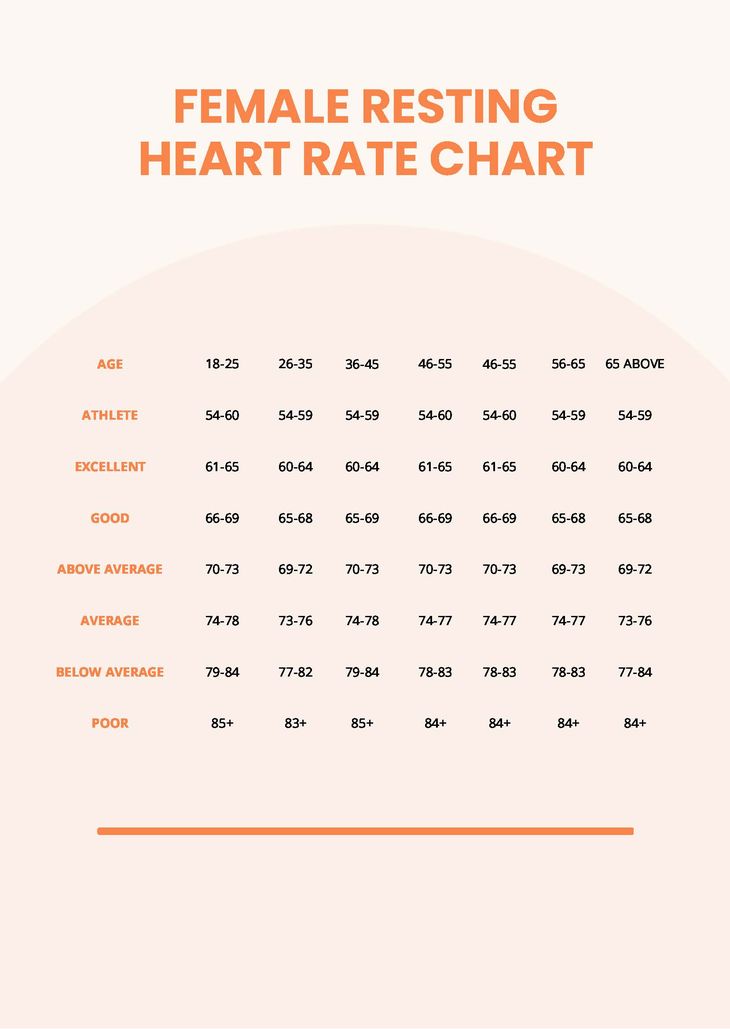
Understanding what does resting heart rate mean requires looking closely at how your body responds to daily challenges.
Your heart rate adapts dynamically to balance your physical workload, emotional state, and recovery needs.
Many individuals ask us a common question: is 60 a good resting heart rate for the average adult?
A pulse of sixty beats per minute is excellent, as it resides at the ideal lower end of the healthy adult range.
In contrast, a sustained high resting hr is a signal that your body is working harder than necessary to circulate blood.
If you discover that your waking heart rate is 90 at rest, it could indicate underlying physical fatigue, dehydration, or lack of sleep.
But is a resting heart rate of 100 bad, or is it simply a temporary response to a stressful week?
A consistent resting pulse at or above one hundred beats per minute is classified as tachycardia and warrants advice from a qualified healthcare professional.
If your waking pulse averages seventy-three beats per minute, you might ask is 73 a good resting heart rate for your lifestyle.
A waking pulse of seventy-three is perfectly healthy, normal, and indicates stable cardiovascular performance.
By observing these fluctuations daily, you can identify how your heart responds to minor physical stressors before you feel physically drained.
Our Herz P1 Smart Ring tracks these subtle changes continuously to give you a clear, honest picture of your physical state every single morning.
How to Strengthen Your Heart: Practical Tips to Reduce Your Baseline
If you want to optimize your heart health, you are probably asking how can i reduce my resting heart rate safely and naturally.
The key to reducing resting heart rate lies in consistent, gentle lifestyle adjustments that build cardiovascular strength over time.
Engaging in thirty minutes of moderate aerobic exercise, such as walking or cycling, helps condition your heart muscle.
As your heart grows stronger, it pumps a larger volume of blood with each beat, reducing the total beats needed per minute.
Prioritizing seven to nine hours of quality sleep each night is equally vital for cardiovascular recovery.
Staying fully hydrated keeps your blood volume stable, which prevents your heart from pumping faster to compensate for thick blood.
Practicing slow, deep breathing for five minutes daily helps calm your sympathetic nervous system, lowering your overall pulse.
Limiting caffeine and alcohol consumption, particularly in the evening, prevents overnight pulse spikes and promotes deeper sleep.
To help track your personal progress, you can refer to a standard resting bpm chart to see how your metrics compare to healthy averages.
| Heart Rate Range (BPM) | Typical Classification | General Physiological Meaning |
|---|---|---|
| Under 50 BPM | Highly Conditioned / Athletic | Indicates exceptional aerobic fitness and highly efficient heart volume. |
| 50 to 70 BPM | Excellent / Optimal | Reflects strong cardiovascular health, good recovery, and low systemic stress. |
| 70 to 85 BPM | Normal / Good | The standard average baseline for most healthy, moderately active adults. |
| 85 to 100 BPM | Elevated baseline | Suggests potential physical stress, fatigue, dehydration, or lack of recovery. |
| Over 100 BPM | High (Tachycardia) | Indicates the heart is working very hard; consult a healthcare professional if persistent. |
Overcoming Wearable Pitfalls and Sizing Mistakes
Many health enthusiasts make the critical mistake of wearing heavy, bulky smartwatches to sleep.
These oversized wrist devices frequently slide around during the night, leading to massive gaps in your biometric data.
This shifting can result in inaccurate readings that create unnecessary anxiety about your wellness metrics.
Furthermore, several premium smartwatch brands require expensive monthly subscription fees to view your sleep and heart rate history.
We believe you should never have to pay a recurring subscription to access your own personal biological data.
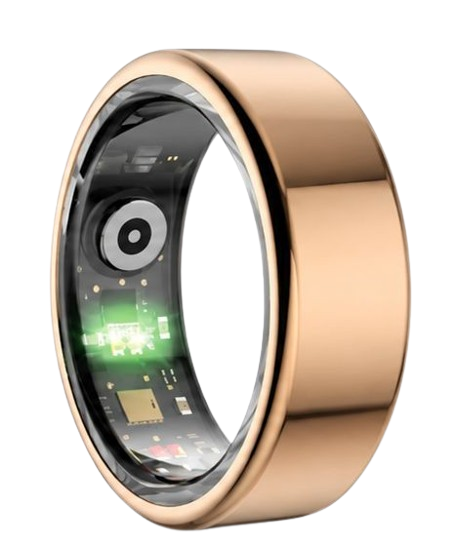
The Herz P1 Smart Ring features a free companion app that provides full lifetime metric access with zero hidden costs.
Our ring is crafted from ultra-lightweight, military-grade steel and weighs only three grams for maximum sleeping comfort.
This slim profile ensures the sensors maintain steady, snug contact with your finger skin throughout the entire night.
By securing a perfect fit, you eliminate sensor rotation issues and guarantee highly accurate waking pulse insights.
Frequently Asked Questions About Resting Heart Rate and Herz P1
Is the Herz P1 Smart Ring waterproof?
Yes, the Herz P1 is fully IP68 waterproof, allowing you to wear it safely up to one hundred and sixty-four feet deep.
You can wear your ring while swimming, showering, or washing your hands without interrupting your biometric tracking.
How long does the ring battery last?
Our advanced battery technology provides up to six days of continuous day-and-night tracking on a single charge.
When the battery is low, the ring charges exceptionally fast, reaching a full charge in under one hour.
Which finger is best to wear the smart ring on?
We recommend wearing the Herz P1 on your index, middle, or ring finger for the most consistent optical sensor contact.
The index finger of your non-dominant hand typically offers the strongest, most stable blood flow readings for the PPG sensors.
Does the Herz P1 store health data offline?
Yes, the ring features local offline memory that securely stores up to seven days of biometric data on the device.
Your stored metrics will sync automatically with the free app the next time your ring connects to your phone.
90-Day 100% Money-Back Guarantee
“The Herz Smart Ring helps me manage stress easily. It’s accurate, stylish, and lightweight—perfect for my busy life!”
— Jennifer P. | ✔ Verified Customer
- ✓ 6-Day Battery Life
- ✓ Detailed Sleep Analysis
- ✓ Fast 1-Hour Charging
- ✓ iOS & Android Ready
Questions? Call: 1-866-479-1629
Conclusion: Unlock the Power of Your Cardiovascular Trends
Monitoring your resting heart rate is the first step toward masterfully managing your daily health.
The Herz P1 Smart Ring offers a highly comfortable, subscription-free way to track these critical body signals.
Ready to monitor your health every day? Explore the Herz P1 Smart Ring and see if it fits your lifestyle.
Call: 1-866-479-1629 — our team can help you advise on the correct ring size and set personalized health goals.
