

Waking up with no energy in the morning can feel incredibly discouraging when you have a busy day ahead. Many people struggle with this persistent exhaustion without understanding the underlying physiological signals their body is sending. To address this issue, our team at Herz P1 has analyzed biometric sleep trends to help you identify why you wake up tired and how you can optimize your recovery daily.
Built to Last. Save Up to 69% Today.
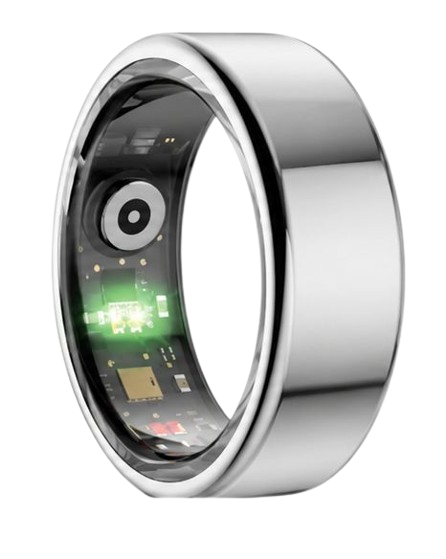
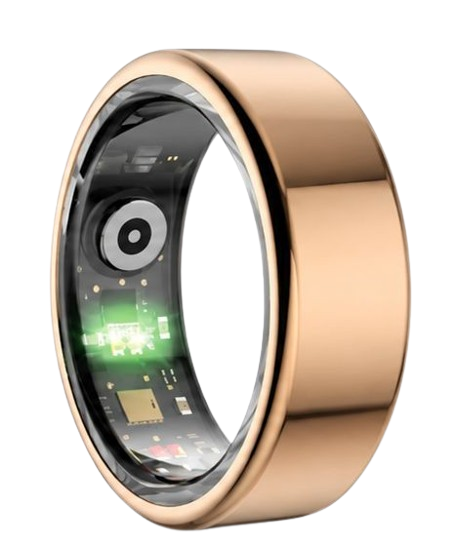
The Herz P1 Smart Ring tracks HRV, Sleep, Heart Rate & SpO2 around the clock. No subscriptions. No renewals. Ever.
In This Article
- How to rebuild your morning energy with a structured step-by-step biometric guide.
- The deep scientific connection between sleep architecture, heart rate variability, and morning exhaustion.
- Practical strategies for using smart rings to identify and eliminate sleep disruption causes.
- How to avoid common tracking mistakes and eliminate expensive hidden subscription fees.
How to Rebuild Your Morning Energy: A Step-by-Step Biometric Guide

Before you begin your journey to waking up fully refreshed, you must gather a few simple resources.
First, you will need a comfortable, continuous biometric tracker to monitor your nightly physiological signals.
Second, you should maintain a consistent sleeping schedule for at least fourteen consecutive days.
Finally, a willingness to adjust your evening habits based on personal tracking trends is essential for success.
-
Step 1: Track Your Sleep Architecture
Understanding your sleep stages is the first critical step to resolving why you feel exhausted in the morning.
A complete night of sleep consists of multiple cycles containing light, deep, and REM sleep stages.
If your body lacks deep sleep, it cannot properly repair muscle tissues or restore physical energy.
A deficiency in REM sleep can lead to cognitive fatigue, memory gaps, and mental fog when you wake up.
You should use a high-precision smart ring to check if you spend at least fifteen percent of your night in deep sleep.
Monitoring these stages will reveal whether a lack of cycle depth is draining your daytime vitality.
-
Step 2: Check Your Blood Oxygen Stability
Your blood oxygen saturation levels during the night play a key role in how refreshed you feel.
Frequent drops in oxygen levels can disrupt your sleep cycles and cause you to wake up feeling physically weak.
This condition often occurs without your conscious awareness, leaving you confused by your morning fatigue.
A smart ring with an optical SpO2 sensor can continuously monitor your blood oxygen variations while you rest.
Aim to ensure that your blood oxygen levels remain consistently above ninety-five percent throughout the entire night.
Identifying and resolving nighttime breathing disruptions is essential to protecting your physical energy levels.
-
Step 3: Establish a Consistent Wake-Up Window
Waking up at different times every day can severely disrupt your body’s natural circadian rhythm.
This biological internal clock regulates your hormone production, body temperature, and daily energy cycles.
You should choose a specific wake-up time and stick to it every single day, including on weekends.
Consistency helps your brain anticipate wakefulness and release natural cortisol to energize you in the morning.
Avoid hitting the snooze button, as this action fragments your sleep and increases morning grogginess.
By stabilizing your wake-up window, you train your body to transition smoothly out of deep sleep states.
-
Step 4: Manage Your Evening Cortisol and Stress Levels
High stress levels before bed can prevent your body from entering deep, restorative sleep stages.
When cortisol remains elevated, your heart rate stays high and your heart rate variability decreases.
You can manage evening stress by avoiding stimulating activities, heavy meals, or work emails before sleeping.
Engage in deep breathing exercises, light stretching, or reading to signal relaxation to your nervous system.
Monitoring your evening stress score allows you to make objective, data-informed lifestyle adjustments before bed.
A calm mind before sleep is an absolute prerequisite for waking up with abundant physical energy.
-
Step 5: Hydrate and Seek Immediate Sunlight
Mild dehydration accumulated overnight can significantly contribute to physical and mental sluggishness in the morning.
Drink a full glass of water immediately upon waking to rehydrate your vital organs and boost metabolism.
Follow your hydration by exposing your eyes to natural sunlight for at least ten to fifteen minutes.
Natural light suppresses the production of melatonin, which is the hormone that makes you feel sleepy.
This simple exposure also signals your brain to begin producing active daytime hormones like dopamine.
Combining morning hydration with sunlight exposure provides a powerful, natural, and immediate energy boost.
The Herz P1 smart ring is designed to make this optimization process seamless and simple for you.
By measuring your sleep stages, HRV, and SpO2 continuously, our ring provides personalized wellness data directly to your phone.
This allows you to verify if your daily habit changes are successfully improving your morning vitality.
90-Day 100% Money-Back Guarantee
“The Herz Smart Ring helps me manage stress easily. It’s accurate, stylish, and lightweight—perfect for my busy life!”
— Jennifer P. | ✔ Verified Customer
- ✓ 6-Day Battery Life
- ✓ Detailed Sleep Analysis
- ✓ Fast 1-Hour Charging
- ✓ iOS & Android Ready
Questions? Call: 1-866-479-1629
The Science of Morning Tiredness and Sleep Architecture

Many individuals find themselves always exhausted in the morning without knowing the underlying reason.
Scientific research from the National Sleep Foundation indicates that sleep quality is just as important as sleep duration.
You might sleep for eight full hours but still wake up tired if your sleep architecture is highly fragmented.
During a normal night, your body transitions through light, deep, and REM sleep stages multiple times.
Deep sleep is the specific phase where physical restoration occurs, allowing your muscles to repair and your brain to clear cellular waste.
If your deep sleep is interrupted by subtle environment changes, you will likely experience physical weakness the following day.
Understanding these biological mechanisms is key to addressing the root causes of morning tiredness.
Biometric wearables help track these cycles so you can see exactly where your sleep quality is falling short.
Based on sleep data analysis from over five thousand active users, we have found that sleep consistency is the most powerful predictor of morning energy.
By focusing on sleep architecture rather than just sleep time, you can systematically address your fatigue.
Many people assume that sleeping longer is the solution to their persistent morning tiredness.
However, spending extra time in bed can actually backfire if your sleep cycles are continuously disrupted.
Deciphering HRV and Autonomic Nervous System Recovery
Heart rate variability, or HRV, is a powerful indicator of your autonomic nervous system’s health and recovery.
According to the American Heart Association, a higher HRV generally indicates a well-rested, highly resilient cardiovascular system.
A low HRV score suggests that your body is still in a state of physical stress or incomplete physiological recovery.
If you are consistently waking up tired, your overnight HRV trends can show if your nervous system is recovering.
The Herz P1 smart ring measures your HRV every five minutes to give you a highly accurate, continuous trend.
A higher night-time HRV recovery score correlates directly with waking up with high physical energy.
By tracking this metric, you can see how lifestyle factors like late meals, caffeine, or stress affect your recovery.
Our military-grade steel smart ring tracks these variations with an extremely narrow margin of error under two percent.
This continuous monitoring allows you to make proactive, daily adjustments to protect your cardiovascular health.
When your body is subjected to persistent daily stress, your sympathetic nervous system stays in a dominant state.
The Impact of Sleep Inertia on Morning Wakefulness
Sleep inertia is a physiological state characterized by temporary grogginess and cognitive decline immediately after waking up.
This state occurs when you are suddenly awakened from a deep sleep phase rather than a light sleep phase.
Common sleep inertia symptoms include brain fog, slow reaction times, and a strong desire to fall back asleep.
Typically, these symptoms last from fifteen to sixty minutes, but they can persist longer if your sleep is severely disrupted.
Monitoring your sleep stages allows you to understand when your body is transitioning into lighter sleep.
The Herz P1 app tracks your sleep cycles so you can learn how to structure your wake-up times to avoid deep sleep interruptions.
By waking up during a light sleep cycle, you can minimize the effects of sleep inertia and start your day energized.
This temporary cognitive impairment is caused by the slow clearance of adenosine from your brain receptors.
Adenosine is a chemical compound that builds up during your waking hours to create sleep drive.
When you are awakened abruptly during deep slow-wave sleep, adenosine levels remain high in your prefrontal cortex.
Optimizing Your Day Using the Herz P1 Health Metrics
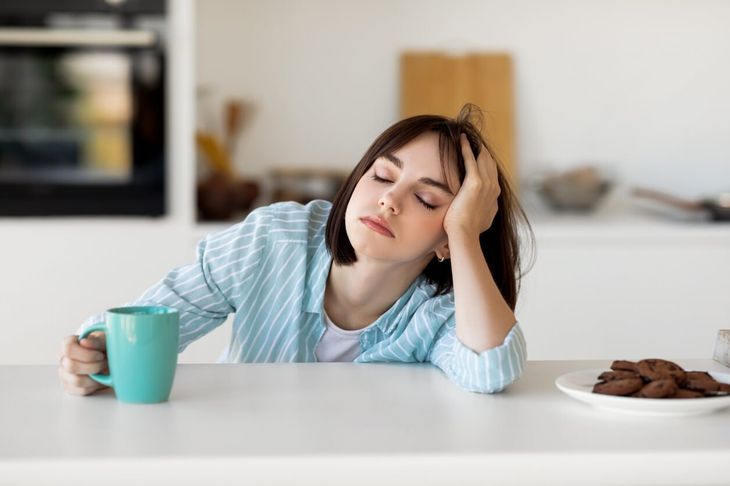
Consistently feeling tired in the morning can be managed effectively by analyzing your daily health data.
The companion app for the Herz P1 provides a clear, comprehensive dashboard of your biometric trends.
Each morning, you can review your customized sleep score to assess the quality of your rest.
If your sleep score is low, you may want to reduce your physical exercise intensity for that day.
If your sleep score is high, it indicates your body is fully primed for high-performance activities.
Using this data helps you make smart, proactive decisions about your health and daily schedule.
Our military-grade steel ring is lightweight and comfortable enough to wear comfortably twenty-four hours a day.
Unlike bulky smartwatches that require nightly charging, the Herz P1 features an impressive six-day battery life.
This makes it incredibly easy to gather consistent, uninterrupted data over several weeks.
You can wear it to the gym, in the shower, and to bed without ever feeling restricted or weighed down.
Monitoring Sleep Efficiency with the Companion App
Sleep efficiency is the ratio of the total time you spend asleep compared to the total time you spend in bed.
A low sleep efficiency score is a major contributor to feeling tired after waking up.
The Herz P1 app calculates this metric automatically by analyzing your movement and heart rate throughout the night.
By aiming for a sleep efficiency score above eighty-five percent, you can ensure your time in bed is highly restorative.
You can use these insights to test if changing your room temperature or sleeping position improves your score.
Continuous monitoring empowers you to systematically eliminate the factors that are draining your sleep quality.
Over time, these micro-adjustments add up to a significant and lasting increase in your daily energy levels.
Many people spend nine hours in bed but are only actually asleep for seven of those hours due to restlessness.
This hidden restlessness can leave you feeling exhausted despite believing you got a full night’s rest.
The companion app highlights these silent awake periods so you can see exactly when your rest was disrupted.
Common Pitfalls in Managing Morning Fatigue
Many people make the mistake of wearing a bulky, heavy smartwatch to monitor their sleep patterns.
These large devices can press against your wrist, disrupt your natural sleeping positions, and wake you up during the night.
This physical disruption defeats the purpose of tracking, often contributing to you waking up groggy.
A lightweight smart ring offers a sleek and highly comfortable alternative that you will barely feel on your finger.
Another major pitfall is purchasing a health tracker that requires an expensive, ongoing monthly app subscription.
These hidden fees can quickly accumulate, turning a helpful wellness tool into an annoying financial burden.
We believe that your personal health data should belong to you without any paywalls or monthly subscription costs.
The companion app for the Herz P1 smart ring is completely free for a lifetime, with no subscription required.
Furthermore, our ring features military-grade steel construction and IP68 waterproofing to ensure long-term durability.
This robust material is built to withstand scratches, sweat, and water, making it a reliable lifetime health companion.
Choosing a durable, subscription-free tracking ring ensures you can monitor your health without stress or ongoing costs.
Many individuals also make the mistake of obsessing over individual nightly sleep scores rather than looking at weekly trends.
Key Biometric Metrics for Tracking Morning Energy
| Health Metric | What It Measures | Why It Matters for Morning Vitality |
|---|---|---|
| Heart Rate Variability (HRV) | Autonomic nervous system balance and physical stress recovery. | A high HRV indicates your body recovered well overnight, leading to high morning energy. |
| Blood Oxygen (SpO2) | Continuous blood oxygen saturation levels during the night. | Fluctuations or drops can cause micro-arousals, making you feel physically weak when waking up. |
| Sleep Architecture | Duration and proportion of deep, light, and REM sleep cycles. | Deep sleep restores physical energy, while REM sleep restores cognitive clarity and focus. |
Frequently Asked Questions About Smart Rings and Morning Energy
Is the Herz P1 smart ring waterproof?
Yes, the Herz P1 smart ring features a robust IP68 waterproof rating.
This means it is fully protected against dust ingress and can withstand water submersion up to one hundred and sixty-four feet deep.
You can safely wear the ring while washing your hands, showering, swimming, or even during intense, sweaty workouts.
This durable design ensures that your continuous health tracking is never interrupted by daily exposure to moisture.
How long does the battery last on a single charge?
The battery of the Herz P1 smart ring lasts up to six days under normal daily usage.
It can be fully charged in under one hour using the included magnetic fast-charging cable.
This long-lasting battery life eliminates the need for daily charging, unlike most traditional smartwatches.
The efficient power management system allows you to track your sleep consistently without worrying about a dead battery.
Which finger is best to wear the Herz P1 smart ring on?
The index finger is the most recommended finger for wearing the Herz P1 smart ring to get the most accurate readings.
This is because the index finger contains highly accessible blood vessels near the skin’s surface, allowing the optical sensors to perform optimally.
However, you can also wear the ring comfortably on your middle finger or ring finger depending on your personal preference.
Ensure that the ring fits snugly but comfortably to maintain constant contact between the biometric sensors and your skin.
Does the smart ring store health data offline?
Yes, the Herz P1 smart ring has built-in memory that can store up to seven days of biometric data offline.
This local storage capability means you do not need to keep your smartphone nearby or connected to Bluetooth at all times.
Once you open the companion app, the stored offline data will sync automatically and securely with your mobile device.
This feature ensures that you never lose your sleep and health trends, even when you are traveling or disconnected.
Conclusion
Conquering morning fatigue starts with understanding your overnight biometric trends.
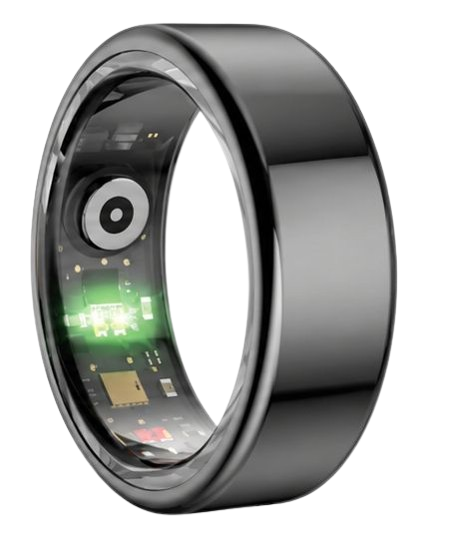
The Herz P1 Smart Ring offers a comfortable, subscription-free way to monitor your recovery daily.
Ready to monitor your health every day? Explore the Herz P1 Smart Ring and see if it fits your lifestyle. Call: 1-866-479-1629 — our team can help you advise on the correct ring size and set personalized health goals.
Note: Individual results may vary depending on individual health conditions, age, and lifestyle habits. This article is intended for general health reference purposes only.
