

Do you find yourself constantly feeling tired after waking up, even after a full eight hours in bed? Our team at Herz P1 understands this frustrating morning fog. You deserve to wake up feeling refreshed, recovered, and ready to conquer your day. This comprehensive guide decodes the biometric signals behind your morning fatigue and provides actionable solutions to reclaim your energy.
Built to Last. Save Up to 69% Today.
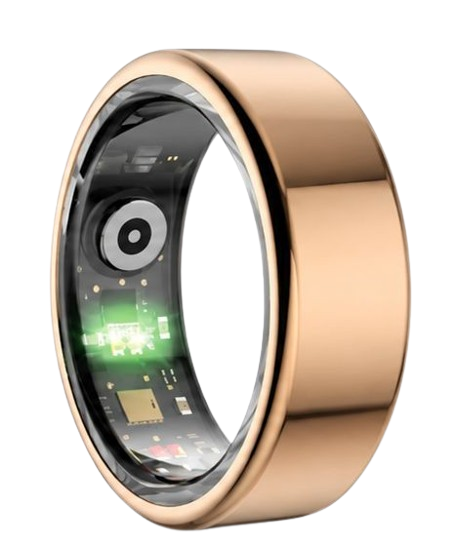
The Herz P1 Smart Ring tracks HRV, Sleep, Heart Rate & SpO2 around the clock. No subscriptions. No renewals. Ever.
In This Article
- The 5W2H Analysis of why you are feeling tired after waking up.
- Deep-dive explanations into sleep architecture, REM cycles, and deep sleep ratios.
- How Heart Rate Variability (HRV) acts as an early warning stress signal.
- Practical tips for monitoring sleep metrics with lightweight wearable technology.
- An objective comparison of top sleep-tracking options on the market.
Why Are You Feeling Tired After Waking Up? The Science-Backed Answers

Many people find themselves waking up tired even after a full eight hours of rest.
This persistent fatigue is often a result of poor sleep quality rather than a lack of sleep duration.
To truly understand this issue, we must look at how the body recovers overnight.
Our bodies rely on a delicate balance of deep sleep, light sleep, and REM sleep to restore physical and cognitive functions.
If any of these stages are disrupted, you will likely experience no energy in the morning.
Let us break down this common health issue using the 5W2H framework to provide clear, actionable answers.
What Is This Morning Fatigue About?
Morning fatigue is medically linked to prolonged sleep inertia and disrupted sleep architecture.
It is characterized by brain fog, heavy limbs, and a strong desire to return to sleep immediately after waking up.
This state occurs when your brain does not transition smoothly from deep sleep waves to active waking waves.
Instead of waking up refreshed, your brain remains trapped in a transitional twilight state.
Who Is Affected by This Fatigue?
This issue affects busy office workers, high-performing executives, athletes, and anyone managing high daily stress levels.
Individuals between the ages of 25 and 65 are highly susceptible due to modern lifestyle demands, late-night screen time, and irregular schedules.
Even those who believe they sleep well can suffer from quiet, unnoticed sleep disruptions.
When Does It Matter Most?
Occasional groggy mornings are normal, but chronic morning exhaustion demands serious attention.
If you experience these symptoms more than three times a week, your long-term cardiovascular and mental health could be affected.
It is especially critical to track these trends during periods of intense work stress or heavy physical exercise.
Where Does It Occur in the Body?
The root of morning tiredness lies within your autonomic nervous system and the circadian center of your brain.
Your brain’s suprachiasmatic nucleus regulates your circadian rhythm by controlling hormone releases.
Meanwhile, your heart and blood vessels reflect your physical recovery state through autonomic nerve signals.
By measuring these signals at the base of your finger, we can map your body’s exact recovery patterns.
Why Does It Happen?
The primary reasons for morning tiredness include low deep sleep ratios, sleep fragmentation, and poor oxygen saturation.
Deep sleep is the stage where your pituitary gland releases human growth hormone to repair muscles and tissues.
If you consume alcohol or caffeine close to bedtime, your brain cannot drop into this critical restorative phase.
Additionally, small, unnoticed breathing obstructions can lower your blood oxygen levels, forcing your heart to work harder during the night.
How Does It Work Physiologically?
During a healthy night, your body completes several 90-minute sleep cycles.
Each cycle moves from light sleep to deep slow-wave sleep, and finally to dreaming REM sleep.
If your alarm sounds while you are in the middle of a deep sleep cycle, your brain experiences a harsh biological shock.
This shock floods your system with adenosine, the chemical responsible for sleepiness, resulting in intense grogginess.
How Much Recovery Is Actually Required?
According to the National Sleep Foundation, healthy adults need between 7 and 9 hours of sleep per night.
However, you must also target at least 1.5 to 2 hours of deep sleep and a similar amount of REM sleep.
Your blood oxygen saturation (SpO2) should ideally remain between 95% and 100% all night.
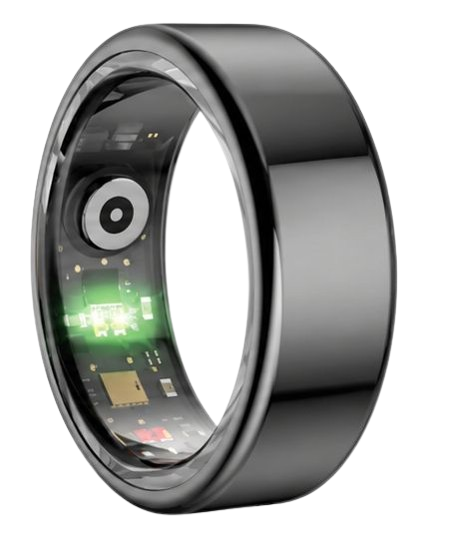
If you want to track these critical sleep metrics in real time, the Herz P1 Smart Ring monitors your biometrics 24/7.
This smart ring provides a detailed breakdown of your sleep architecture without the physical bulk of a smartwatch.
You can explore the Herz P1 here to start decoding your morning energy levels today.
90-Day 100% Money-Back Guarantee
“The Herz Smart Ring helps me manage stress easily. It’s accurate, stylish, and lightweight—perfect for my busy life!”
— Jennifer P. | ✔ Verified Customer
- ✓ 6-Day Battery Life
- ✓ Detailed Sleep Analysis
- ✓ Fast 1-Hour Charging
- ✓ iOS & Android Ready
Questions? Call: 1-866-479-1629
Analyzing Sleep Architecture: Why You Feel Tired After Sleeping

To solve morning exhaustion, we must dissect the deep layers of sleep architecture.
Many individuals report feeling tired after sleeping for an apparently adequate duration.
This occurs because sleep is not a single, continuous block of rest.
It is an active series of neurological stages designed to perform targeted maintenance on your body.
During the night, your brain cycles between Light Sleep, Deep Sleep, and REM Sleep.
Deep sleep is primarily responsible for physical restoration and tissue repair.
During this phase, your heart rate slows down, and your blood pressure decreases.
Your brain clears out metabolic waste products that accumulate during your waking hours.
If your deep sleep is cut short, your body cannot complete these essential maintenance tasks.
You will wake up feeling physically heavy and unrecovered, a classic state of being exhausted in the morning.
On the other hand, REM sleep is crucial for cognitive restoration, learning, and emotional processing.
A lack of REM sleep often results in brain fog, poor focus, and increased irritability.
Many modern factors, such as evening blue light and late-night stress, directly suppress these critical sleep phases.
Using multi-wavelength optical sensors, the Herz P1 Smart Ring monitors these shifts by analyzing your blood flow and heart rate.
The companion app then displays your exact sleep stages so you can identify recovery deficits immediately.
How HRV and Autonomic Balance Impact Morning Energy
Your heart rate variability, or HRV, is a direct measurement of your autonomic nervous system.
The autonomic nervous system is split into the sympathetic (fight-or-flight) and parasympathetic (rest-and-digest) branches.
A high HRV indicates that your nervous system is balanced, resilient, and ready to adapt to daily challenges.
A low HRV reveals that your body is locked in a state of stress, even while you are resting.
If you go to sleep with a highly stressed nervous system, your heart rate remains elevated.
This prevents you from entering deep sleep, explaining why you feel tired after full sleep.
The American Heart Association notes that tracking HRV trends is a powerful way to monitor systemic stress and cardiovascular recovery.
By measuring HRV every 5 minutes overnight, the Herz P1 tracks these trends with medical-grade precision.
This allows you to see if yesterday’s stress or late-night habits are directly impacting your sleep quality.
Understanding Sleep Inertia Symptoms and Remedies
Let us look closely at waking up groggy and how to resolve it.
This groggy feeling is a classic indicator of sleep inertia.
We must understand the specific sleep inertia symptoms to combat them effectively.
Common symptoms include delayed physical reflexes, slow mental processing, and short-term memory issues upon waking.
This happens because a sleep-promoting chemical called adenosine remains bound to your brain’s receptors.
Normally, adenosine levels decrease gradually during high-quality sleep.
However, if your sleep is fragmented or cut short, excess adenosine lingers in your brain.
Waking up directly out of a deep sleep cycle makes these symptoms significantly worse.
To prevent this, you should focus on stabilizing your sleep schedule and improving your sleep efficiency.
Tracking your daily biometrics with a smart ring helps you identify your ideal sleep windows.
This ensures you wake up naturally during a light sleep phase, bypassing morning grogginess entirely.
Practical Steps to Optimize Your Morning Energy
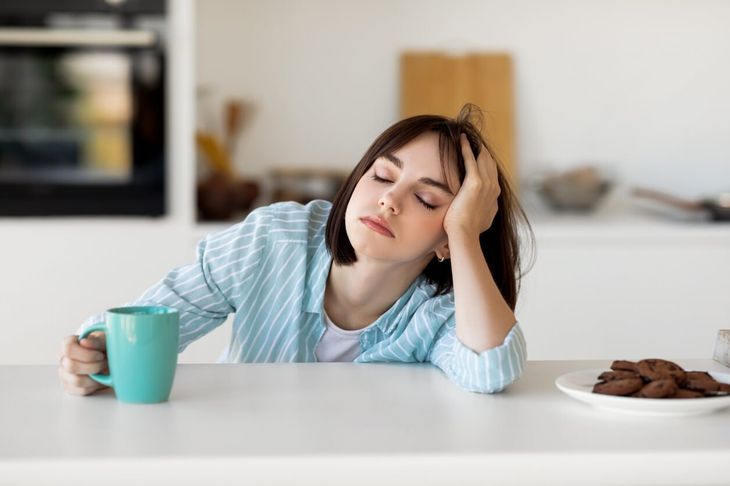
Overcoming morning fatigue requires a combination of reliable data tracking and smart lifestyle modifications.
First, you must establish a highly consistent sleep and wake schedule.
Going to bed and waking up at the exact same time every day stabilizes your internal circadian clock.
This consistency makes it easier for your brain to initiate and terminate sleep cycles naturally.
Second, you should avoid heavy meals, alcohol, and caffeine within three to four hours of bedtime.
Alcohol may help you fall asleep faster, but it severely disrupts your REM sleep stages.
It also lowers your overnight HRV and raises your resting heart rate, leaving you tired in the morning.
Third, you need to manage your exposure to artificial blue light in the evening.
Blue light from smartphones and computers tricks your brain into thinking it is still daytime.
This delays the natural release of melatonin, the hormone responsible for initiating deep sleep.
Fourth, you should monitor your blood oxygen saturation (SpO2) levels during the night.
Brief drops in oxygen can cause sudden, unnoticed micro-awakenings that ruin your sleep quality.
The Herz P1 Smart Ring tracks your SpO2 levels continuously with a clinical-grade margin of error under 2%.
The free Herz P1 App displays all these metrics in clean, easy-to-read charts on your smartphone.
You can easily see your overall recovery score the moment you wake up.
This allows you to adjust your daily workouts or professional tasks based on actual biological recovery data.
Because the ring is made of lightweight military-grade steel, you can wear it comfortably all night without distraction.
Overcoming Smart Wearable Pitfalls: Bulk and Subscription Fees
Many people attempt to track their sleep using large, heavy smartwatches.
However, wearing a bulky device to bed often disrupts your natural sleeping positions.
The physical discomfort of a thick wrist strap can cause additional, unnecessary awakenings.
This completely defeats the purpose of trying to monitor and improve your sleep.
Furthermore, most smartwatches require daily charging, meaning they are often sitting on a charger overnight.
If your device is not on your body, you miss critical sleep data.
Another major issue in the wearable market is the hidden cost of monthly app subscriptions.
Several popular smart rings require ongoing monthly fees to access your own physiological data.
These subscriptions can quickly add up to hundreds of dollars over a few years.
Our team at Herz P1 believes you should own your health data outright without any recurring fees.
The Herz P1 companion app is completely free for lifetime.
You get full, unrestricted access to all advanced biometric metrics, analysis tools, and software updates.
Our sleek, military-grade steel ring is incredibly slim and comfortable for 24/7 continuous wear.
Frequently Asked Questions About Herz P1 and Sleep Recovery
Is the Herz P1 Smart Ring waterproof?
Yes, the Herz P1 is fully IP68 waterproof.
It is certified safe for continuous water immersion up to 164 feet (50 meters).
You can confidently wear it while washing your hands, showering, swimming, or sitting in a hot tub.
How long does the battery last?
The battery lasts up to 6 days on a single charge.
This long battery life ensures continuous, uninterrupted sleep and activity tracking.
When the battery is low, it fully charges in under 1 hour using the magnetic charging cradle.
Which finger is best to wear the Herz P1 Smart Ring on?
We recommend wearing the ring on your index, middle, or ring finger.
Your index finger generally has the strongest blood vessels for optical sensors.
Ensure the ring fits snugly but comfortably without rotating too easily.
Does the Herz P1 store biometric data offline?
Yes, the ring has 7 days of local storage.
It automatically logs your heart rate, HRV, SpO2, and sleep data even if your phone is not nearby.
The data will sync seamlessly to the free app once your phone re-establishes a Bluetooth connection.
Conclusion: Your Subscription-Free Wellness Journey Starts Here
Overcoming morning fatigue starts with understanding your body’s nightly signals.
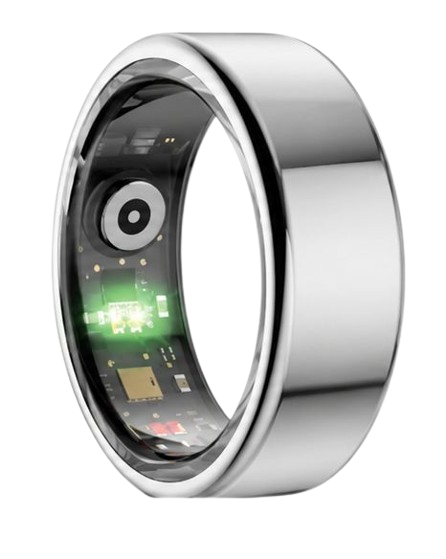
The Herz P1 Smart Ring tracks these trends accurately, without any subscription fees.
Ready to monitor your health every day? Explore the Herz P1 Smart Ring and see if it fits your lifestyle.
Call: 1-866-479-1629 — our team can help you advise on the correct ring size and set personalized health goals.
Note: Individual results may vary depending on individual health conditions, age, and lifestyle habits. This article is intended for general health reference purposes only.
