

If you often wonder how long after waking up do people get tired, you are likely dealing with persistent morning sluggishness that limits your daily potential. Waking up should feel like a fresh start, yet many active adults open their eyes only to feel immediately drained. At Team Herz P1, we know that tracking your biometrics is the key to unlocking sustained vitality, which is why the Herz P1 Smart Ring monitors your sleep architecture 24/7 to solve this exhausting puzzle.
Built to Last. Save Up to 69% Today.
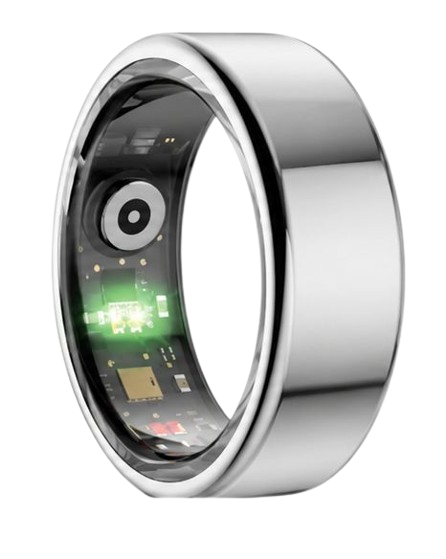
The Herz P1 Smart Ring tracks HRV, Sleep, Heart Rate & SpO2 around the clock. No subscriptions. No renewals. Ever.
In This Article
- Understanding Morning Fatigue: Clarifying exactly when and why the body experiences energy drops after waking.
- The Science of Sleep Inertia: Examining how adenosine buildup and incomplete sleep stages interfere with alertness.
- Biometric Diagnostics: Discovering how tracking Heart Rate Variability (HRV) and SpO2 uncovers hidden recovery gaps.
- Practical Recovery Strategies: Implementing actionable, data-driven daily routines to restore your natural waking power.
- Wearable Tech Choices: Comparing bulky smartwatches with the lightweight, subscription-free Herz P1 Smart Ring.
How Long After Waking Up Do People Get Tired? The Science of Morning Fatigue

Under ideal biological conditions, a healthy individual should not feel tired for at least 14 to 16 hours after waking up.
In fact, the human body is naturally programmed to experience a steady increase in alertness throughout the morning as your cortisol levels peak.
However, when dealing with sleep issues, many individuals find that they start feeling tired after waking up almost immediately, often within 30 minutes to 3 hours.
This premature energy crash is a signal that your body is failing to transition smoothly from deep rest to active alertness.
Morning fatigue affects millions of busy professionals, parents, and athletes, turning simple daily tasks into major physical hurdles.
This rapid return of sleepiness usually happens right in the comfort of your home or during your early morning commute.
The primary reason for this rapid energy depletion is a severe disruption in your internal sleep architecture and circadian rhythms.
Physiologically, your brain may still be flooded with sleep-inducing chemicals, or your blood oxygen levels may have dropped overnight.
Quantitatively, research indicates that normal sleep inertia should last no longer than 30 minutes after your alarm goes off.
When sluggishness lingers past this mark, or when you find yourself completely exhausted in the morning, your body is calling out for deeper physiological tracking.
If you want to track these energy dynamics in real time, the Herz P1 Smart Ring monitors your physical metrics 24/7 — explore it here.
90-Day 100% Money-Back Guarantee
“The Herz Smart Ring helps me manage stress easily. It’s accurate, stylish, and lightweight—perfect for my busy life!”
— Jennifer P. | ✔ Verified Customer
- ✓ 6-Day Battery Life
- ✓ Detailed Sleep Analysis
- ✓ Fast 1-Hour Charging
- ✓ iOS & Android Ready
Questions? Call: 1-866-479-1629
Why Am I Tired After I Wake Up? Decoding Sleep Inertia and Adenosine Buildup

The feeling of waking up in a mental fog is scientifically defined as sleep inertia.
According to research from the National Sleep Foundation, this transition state is characterized by temporary motor impairment and slowed cognitive processing.
During a normal night of rest, your brain gradually clears out adenosine, a naturally occurring chemical compound that builds up during your waking hours to create sleep pressure.
If your sleep cycle is cut short, or if you experience high sleep fragmentation, your brain does not have enough time to clear this chemical buildup.
The remaining adenosine binds directly to your neural receptors the moment you wake up, leaving you waking up tired despite spending hours in bed.
Furthermore, waking up directly from a deep sleep phase rather than a light sleep phase amplifies the intensity of sleep inertia.
This sudden disruption leaves your prefrontal cortex struggling to activate, which explains why you might crave a nap almost immediately.
By using precise biometric sensors at the base of your finger, you can see exactly which sleep stage your alarm is interrupting.
The Herz P1 Smart Ring delivers deep insights into these exact patterns by mapping your light, deep, and REM cycles with high fidelity.
This gives you a clear window into your daily sleep efficiency without relying on rough guesses or subjective feelings.
The Physiological Root Causes: How Sleep Stages, HRV, and SpO2 Dictate Your Morning Energy
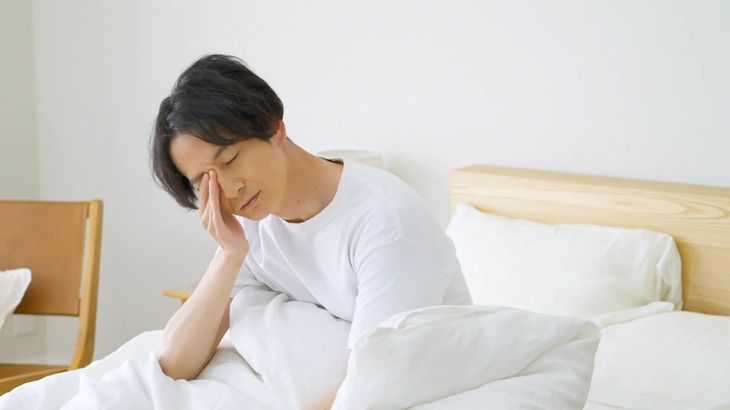
To truly solve morning sluggishness, we must look beyond basic sleep duration and study your underlying cardiovascular and respiratory signals.
Your Heart Rate Variability, or HRV, is one of the most reliable biometric indicators of physical recovery and stress tolerance.
A high overnight HRV indicates that your parasympathetic nervous system is actively repairing your body and preparing you for the day.
Conversely, a consistently low HRV suggests that your autonomic nervous system remains locked in a high-stress, fight-or-flight state.
This internal stress prevents deep physical recovery, leaving you feeling entirely unrefreshed when your eyes open.
Another crucial variable is your blood oxygen saturation, or SpO2, during your overnight sleeping hours.
The American Heart Association notes that even minor drops in blood oxygen saturation can cause silent micro-arousals that shatter your sleep structure.
You may not remember waking up, but these frequent oxygen drops lead to severe morning tiredness that lingers all day.
If you constantly feel like your energy crashes early, tracking these oxygen dips can pinpoint the exact source of your fatigue.
Additionally, an irregular circadian rhythm can cause you to feel sleepier during daylight hours than you should.
This disruption explains why am i always tired in the afternoon, as your body struggles to maintain its natural hormonal rhythms.
By tracking your biometrics, you might also discover the real reason behind why am i so tired by 8pm, which is often a direct result of accumulated morning fatigue.
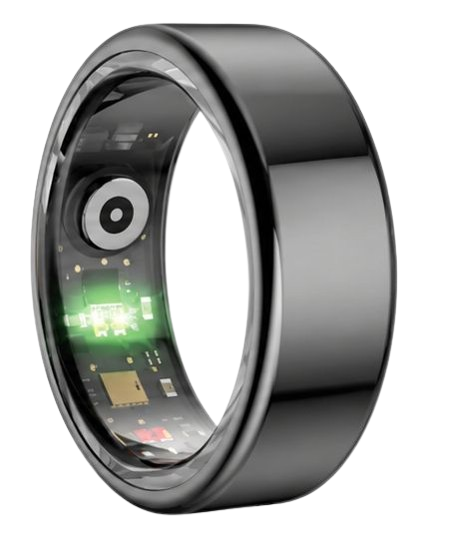
The Herz P1 Smart Ring utilizes premium multi-wavelength optical sensors to capture these delicate cardiovascular shifts directly from your finger.
With its durable, military-grade steel construction and IP68 waterproof rating, you can track these vital metrics continuously without interruption.
How to Prevent Morning Fatigue: A Step-by-Step Recovery Protocol
Reclaiming your morning energy requires a structured approach that matches your personal lifestyle habits with real-time biometric tracking.
The first step in this protocol is reviewing your personalized Sleep Score and HRV trends inside the companion Herz P1 App.
If you notice that your deep sleep phases are consistently brief, you can begin to make targeted adjustments to your evening routine.
Try avoiding heavy meals and blue light exposure for at least two hours before you head to bed.
Next, use your morning sleep stage data to set a consistent waking window that aligns with your light sleep cycles.
By waking up during a light sleep stage, you bypass the heavy sleep inertia that makes you feel so groggy.
Additionally, getting direct exposure to natural sunlight within ten minutes of waking helps halt melatonin production and clears out residual adenosine.
The ultra-lightweight design of the Herz P1 ensures you can comfortably collect this vital data every single night without the irritation of a bulky wrist tracker.
| Morning Symptom | Likely Biometric Culprit | Targeted Action Plan |
|---|---|---|
| Groggy for over an hour | Deep sleep phase interrupted | Establish a consistent bedtime to stabilize your natural cycles. |
| Rapid midday energy crash | Low overnight HRV recovery score | Reduce late-night stimulants and focus on evening relaxation techniques. |
| Waking up with a mild headache | Overnight SpO2 drops or dips | Improve bedroom ventilation and adjust your sleeping position. |
Smartwatch Pitfalls: Why Bulky Wearables Ruin Your Restorative Sleep
Many health-conscious individuals try to track their sleep quality by wearing a bulky, heavy smartwatch to bed.
However, these large devices often cause the very sleep disruptions they are supposed to be measuring.
The thick sensors frequently lose contact with your skin as you roll over, resulting in missing or highly inaccurate sleep stage data.
Furthermore, the bright screen can accidentally light up in the middle of the night, disrupting your deep REM sleep.
Many smartwatches also require daily charging, forcing users to charge them overnight and miss out on crucial physiological trends.
To make matters worse, many leading wearable brands require expensive monthly subscription fees just to view your own health data.
At Team Herz P1, we believe your personal health metrics should belong to you without any ongoing paywalls or hidden fees.
The Herz P1 App is completely free for life, giving you full access to your biometric trends from day one.
Protected by a premium 2-year warranty and a 90-day money-back guarantee, it represents a risk-free path to understanding your body.
Frequently Asked Questions About Morning Fatigue and the Herz P1
Is the Herz P1 Smart Ring waterproof enough for everyday use?
Yes, the Herz P1 features a certified IP68 waterproof rating, allowing it to withstand water depths up to 164 feet (50 meters). You can comfortably wear it while showering, swimming in the pool, or washing your hands without worrying about damaging the internal sensors.
How long does the ring’s battery last on a single charge?
The Herz P1 delivers up to 6 days of continuous biometric tracking on a single charge. When the battery runs low, the specialized magnetic charger restores it to 100% capacity in less than one hour.
Which finger is best to wear the Herz P1 on for optimal accuracy?
We recommend wearing the ring on the index, middle, or ring finger of your non-dominant hand. These fingers offer the best capillary blood flow, allowing the optical sensors to capture highly accurate HRV and SpO2 readings.
Does the Herz P1 Smart Ring store my health data offline?
Yes, the ring has secure built-in offline memory that safely stores up to 7 days of continuous health data. The next time you open the app, your recorded metrics will automatically sync via secure Bluetooth.
Take Control of Your Morning Energy Today
Understanding why you feel tired after waking up is the first step toward lasting daily vitality.
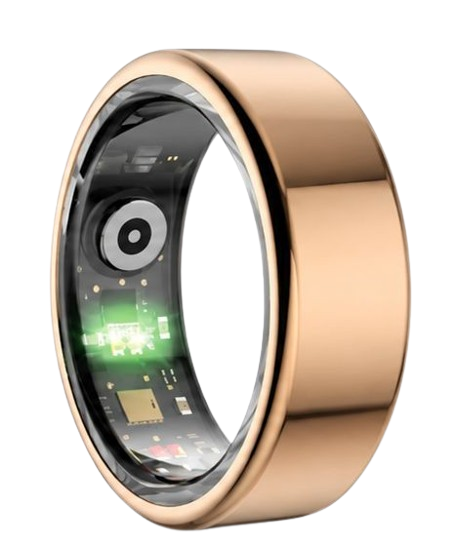
The subscription-free Herz P1 Smart Ring offers the continuous, accurate biometric insights you need to optimize your sleep and physical recovery.
Ready to monitor your health every day? Explore the Herz P1 Smart Ring and see if it fits your lifestyle. Call: 1-866-479-1629 — our team can help you advise on the correct ring size and set personalized health goals.
