

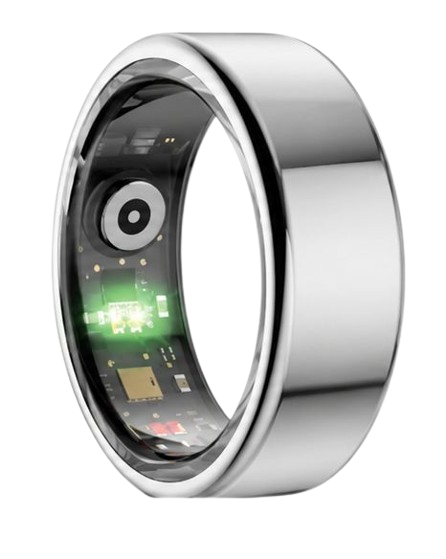
Waking up with a heavy, feeling groggy sensation can ruin your entire productivity. At Team Herz P1, we know that morning grogginess is often a biological puzzle tied to sleep architecture, heart rate variability (HRV), and overnight blood oxygen levels. Tracking these critical indicators with the Herz P1 Smart Ring will help you pinpoint the exact physiological disruptors causing your morning fatigue.
Built to Last. Save Up to 69% Today.
The Herz P1 Smart Ring tracks HRV, Sleep, Heart Rate & SpO2 around the clock. No subscriptions. No renewals. Ever.
In This Article
- A Complete Actionable Routine: Learn the exact 5-step daily process to dissolve morning brain fog before it derails your work.
- The Scientific Roots: Explore the mechanics of sleep inertia, autonomic balance, and why you wake up feeling like a zombie.
- The Biometric Connection: Discover how monitoring HRV and SpO2 trends with wearable technology empowers your morning readiness.
- Smart Wearable Strategy: Learn to choose comfortable, high-precision tracking tools that do not burden you with costly monthly fees.
How to Clear Your Morning Head: A Step-by-Step Recovery Guide

To overcome a persistent groggy feeling, you need a structured method that aligns with your biology.
This protocol works by targeting your autonomic nervous system and accelerating the clearance of sleep hormones from your brain.
Prerequisites / What You’ll Need
To succeed with this method, you only need three simple things.
First, secure immediate access to natural sunlight or a high-lux light therapy lamp.
Second, prepare a large glass of filtered water next to your bed before you fall asleep.
Third, commit to a consistent wake-up window of thirty minutes to keep your circadian rhythm stabilized.
Step-by-Step Instructions
-
Step 1: Seek Immediate Bright Light Exposure
Exposure to bright light is the fastest way to signal your brain that the sleep cycle is over.
As soon as your alarm goes off, open your blinds completely or step outside into the morning light.
This light strikes the photoreceptors in your eyes and instantly stops the production of melatonin.
If natural sunlight is unavailable, turn on a 10,000-lux seasonal lamp for ten minutes.
Do not look directly at the bulb, but let the light fill your field of vision.
-
Step 2: Rehydrate Your Body Immediately
Your brain is highly sensitive to the mild dehydration that occurs during eight hours of breathing.
Drink a full sixteen ounces of cool water within the first five minutes of opening your eyes.
This simple act increases blood volume and accelerates the transport of oxygen to your vital organs.
Avoiding dry tissues in the throat and nasal passages also reduces physical lethargy.
Do not substitute this water with sugary juices or heavy energy drinks.
-
Step 3: Execute a Brief Mindful Movement Pattern
Physical movement circulates fresh oxygenated blood through your stiff limbs and brain.
Spend exactly three minutes performing light dynamic stretching or deep knee bends.
Focus on deep, deliberate breathing to expand your lungs fully.
This low-intensity movement gently raises your heart rate without placing sudden stress on your cardiovascular system.
It also aids the lymphatic system in clearing metabolic waste accumulated overnight.
-
Step 4: Take a Cool Contrast Shower
A sudden shift in skin temperature triggers a powerful awakening response.
Step into a warm shower to clean your skin, then turn the dial to cool for the final thirty seconds.
The cold water activates your sympathetic nervous system, inducing a deep, natural breath.
This reflex increases cardiac output and sharpens your mental focus instantly.
It acts as a natural physical reset button for a sluggish prefrontal cortex.
-
Step 5: Review Daily Readiness Metrics and Plan Rest Periods
Do not push through severe morning exhaustion blindly.
Check your nightly bio-data to see if your recovery score is low.
If your sleep was fragmented, schedule a twenty-minute rest period in the early afternoon.
Keep this afternoon rest short to avoid disrupting your coming night of sleep.
Understanding your daily limits prevents chronic burnout and cumulative fatigue.
Leveraging Advanced Wearable Tech for Smarter Mornings
The steps outlined above are highly effective on their own.
However, you can elevate your results by monitoring how your body responds to each step in real time.
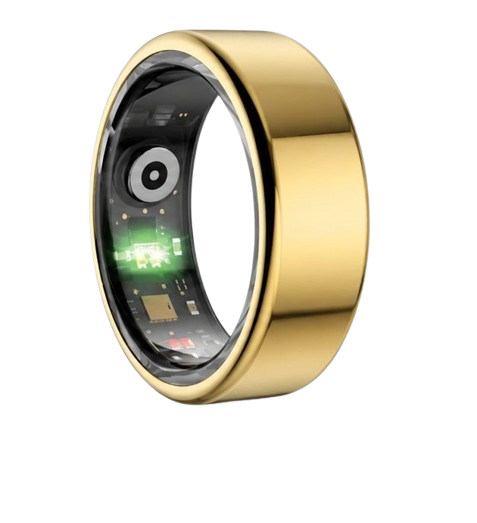
The Herz P1 Smart Ring provides continuous bio-feedback to show which wake-up habit delivers the best physiological results.
By tracking your heart rate variability and blood oxygen during sleep, you can visually confirm when your morning fog is beginning to lift.
90-Day 100% Money-Back Guarantee
“The Herz Smart Ring helps me manage stress easily. It’s accurate, stylish, and lightweight—perfect for my busy life!”
— Jennifer P. | ✔ Verified Customer
- ✓ 6-Day Battery Life
- ✓ Detailed Sleep Analysis
- ✓ Fast 1-Hour Charging
- ✓ iOS & Android Ready
Questions? Call: 1-866-479-1629
Understanding Why You are Waking Up Groggy: The Science of Sleep Inertia

To overcome a heavy head, you must first understand why you are waking up groggy every morning.
The primary culprit behind this transition state is a physiological process known as sleep inertia.
According to the National Sleep Foundation, sleep inertia symptoms can last anywhere from fifteen minutes to over two hours.
During this period, your brain is attempting to clear out accumulated chemical compounds like adenosine.
Adenosine is a molecule that builds up in your brain during your waking hours to create sleep drive.
If you wake up abruptly from a deep slow-wave sleep cycle, the sudden disruption leaves your motor and cognitive pathways coated in this compound.
Understanding what does sleep inertia feel like is the first step to reclaiming control of your mornings.
It typically presents as a heavy physical sensation, mental slowness, and an intense urge to fall back asleep.
This state is also known in medical literature as hypnopompic grogginess or sleep drunkenness.
When you interrupt a deep cycle, your prefrontal cortex is literally still offline while your brainstem has awakened.
The Herz P1 Smart Ring helps you observe these sleep transitions by tracking the specific stages you go through each night.
Our multispectral optical sensor platform can map out light, deep, and rapid eye movement (REM) cycles.
By tracking these metrics, you can learn to schedule your wake-up time during your lightest sleep phase.
This proactive tracking reduces the physiological shock of waking up from deep, restorative slow-wave sleep.
Decoding Morning Tiredness: How HRV and SpO2 Track Your Recovery

If you are constantly waking up tired, the root cause may be hidden in your autonomic nervous system.
Your heart rate variability, or HRV, is a direct measurement of the variation in time between each heartbeat.
The American Heart Association notes that a higher HRV indicates a highly adaptive, well-recovered nervous system.
Conversely, a low overnight HRV score indicates that your sympathetic nervous system is stuck in a fight-or-flight state.
When this autonomic imbalance occurs, your body cannot enter the deeper, restorative phases of sleep.
Your muscles remain tense, your heart rate stays elevated, and your brain fails to clear metabolic waste.
This lack of autonomic recovery leaves you feeling entirely drained before your feet even touch the floor.
Another crucial metric to monitor is your blood oxygen saturation, or SpO2, during the night.
Normal blood oxygen levels should remain between ninety-five and one hundred percent throughout your sleep.
If your SpO2 drops below ninety-two percent, your brain experiences mild hypoxia and triggers micro-arousals to restore breathing.
These brief, unnoticed awakenings fragment your sleep architecture and destroy your chances of getting deep sleep.
The Herz P1 Smart Ring uses red and infrared sensor technology to monitor your SpO2 levels continuously as you rest.
This continuous monitoring helps you identify if breathing issues or poor room ventilation are draining your morning energy.
Armed with this precise bio-feedback, you can make informed adjustments to your bedroom environment.
Tracking these values over time is the most effective way to eliminate guess-work from your wellness routine.
The Daily Protocol: Reading Your Herz P1 Biometric Trends
Managing your energy requires a simple, consistent relationship with your physiological data.
Each morning, open the free companion app to review your comprehensive Sleep Score.
Avoid focusing on a single night’s data, and look at your rolling seven-day averages instead.
If you notice a downward trend in your deep sleep percentage, prioritize a relaxing evening routine.
If you are feeling tired after waking up, cross-reference your subjective feelings with your recorded HRV trends.
A lower-than-average HRV recovery score indicates that you should scale back your workout intensity for the day.
Conversely, a high recovery score is a clear sign that your body is primed for physical challenges.
The sleek, lightweight form factor of the Herz P1 ensures that you can gather this data comfortably 24/7.
Unlike bulky watches, the ring fits snugly at the base of your finger where the blood flow is highly accessible.
This close contact allows the multi-wavelength optical sensors to gather clean, uninterrupted biological signals.
Avoiding the Smartwatch Trap: Comfort and Hidden Cost Realities
Many individuals try to track their recovery by wearing heavy, oversized smartwatches to bed.
This bulky hardware often presses against the skin and causes micro-awakenings that disrupt your deep sleep.
This disruption can leave you feeling completely exhausted in the morning due to mechanical discomfort.
Furthermore, many wearable brands force you to pay a monthly subscription fee to view your own health data.
At Team Herz P1, we believe that access to your personal biological information should be free forever.
Our app provides full historical graphs and advanced sleep analysis with absolutely no recurring fees.
We believe that tracking morning tiredness should not come with a lifetime of monthly bills.
Choosing a subscription-free, highly durable ring is the smartest way to protect both your health and your wallet.
Frequently Asked Questions About Sleep Metrics and Morning Grogginess
Conclusion
By using consistent bio-data, you can target and conquer morning brain fog with clinical precision.
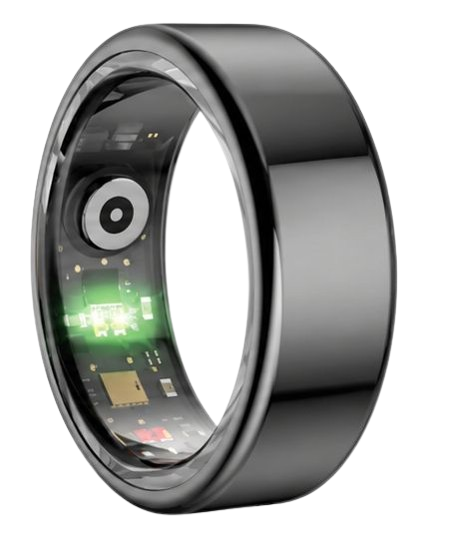
The Herz P1 Smart Ring makes tracking these sleep trends simple and highly accessible.
Ready to monitor your health every day? Explore the Herz P1 Smart Ring and see if it fits your lifestyle. Call: 1-866-479-1629 — our team can help you advise on the correct ring size and set personalized health goals.
