

Understanding your ideal breaths per minute while sleeping is a vital window into your underlying cardiorespiratory health. According to clinical studies, over 45% of busy adults experience undetected nighttime breathing fluctuations that directly impair daily recovery. Tracking these silent physiological signals is incredibly simple with the Herz P1 smart ring. Our comprehensive guide will help you decode your unique sleeping metrics, identify abnormal patterns, and optimize your overall sleep architecture for peak daytime energy levels.
Built to Last. Save Up to 69% Today.
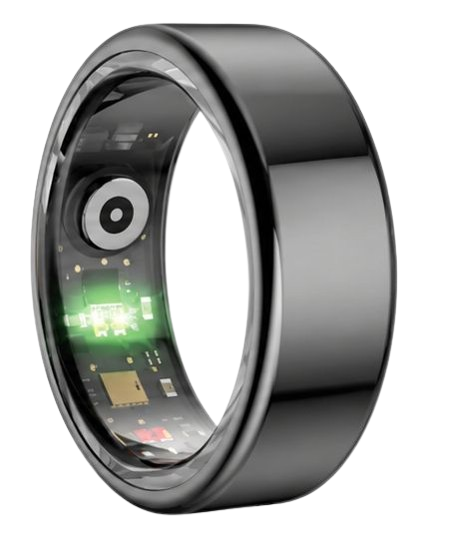
The Herz P1 Smart Ring tracks HRV, Sleep, Heart Rate & SpO2 around the clock. No subscriptions. No renewals. Ever.

In This Article
- How to Measure Respiration: Discover the step-by-step method to baseline and optimize your sleeping breath patterns.
- Scientific Deep-Dive: Explore clinical boundaries, sleep architecture, and photoplethysmography sensor technology.
- Practical Daily Application: Learn how to translate optical biometric readings into active lifestyle improvements.
- Smart Ring Advantages: Understand how to overcome the physical and financial issues of traditional wrist-worn fitness trackers.
How to Optimize Your Nighttime Respiration Rate: A Step-by-Step Guide

Before beginning this cardiorespiratory wellness program, you will need to establish a consistent tracking routine.
You must also maintain a quiet sleeping environment that is free from sudden environmental changes.
Having a structured method to record your daily variables like bedroom climate will help you pinpoint trends.
-
Step 1: Determine Your Nighttime Respiratory Baseline
You must first establish your personal breathing baseline over seven consecutive nights of rest.
Most healthy adults exhibit a normal sleeping respiratory rate that ranges from 12 to 20 breaths per minute.
Your unique baseline represents your body’s metabolic rate when it is under zero conscious stress.
Record your daily metrics immediately after waking to capture the most accurate data.
Avoid eating heavy meals or consuming alcohol before bed, as these substances skew your natural baseline.
Look for a stable average across the week rather than worrying about minor nightly fluctuations.
A sudden rise of more than two breaths above your average is a clear signal of physical fatigue.
Always prioritize tracking your baseline during weeks of typical, low-stress activity.
-
Step 2: Correct Your Bedtime Sleeping Posture
Your physical position in bed has a profound impact on your airway resistance during sleep.
Sleeping flat on your back often causes the tongue and soft palate to collapse backward.
This airway collapse increases breathing effort and leads to an erratic normal sleeping breath rate.
Transitioning to side sleeping is one of the most effective ways to keep your airways open.
Use a supportive pillow that maintains your head, neck, and spine in a straight line.
Body pillows can also help prevent you from rolling back onto your spine during the night.
Side sleeping reduces the physiological workload required to pull air into your lungs.
This simple posture shift helps maintain a highly stable, efficient respiration rate.
-
Step 3: Regulate Bedroom Climate and Air Quality
The air you breathe overnight must be clean, cool, and adequately humidified.
Dry or dusty air irritates your nasal passages and causes subtle airway inflammation.
This swelling forces your body to breathe faster to pull in the same amount of oxygen.
Set your bedroom thermostat to a cool range between 60 and 67 degrees Fahrenheit.
Cooler rooms naturally support deeper sleep and a more relaxed, slower breathing rhythm.
Utilize a high-quality cool-mist humidifier if your indoor humidity drops below 40%.
Clean your bedroom regularly to eliminate common allergens like dust mites and pet dander.
These environmental adjustments protect your throat from irritation and support smooth diaphragmatic breathing.
-
Step 4: Practice Evening Autonomic Conditioning
High daytime stress levels keep your sympathetic nervous system active into the evening.
This state of high alert leads to a shallow, rapid breathing pattern when you lie down.
You can actively reverse this state by performing four-seven-eight breathing before sleep.
Inhale quietly through your nose for four seconds, hold your breath for seven, and exhale fully for eight.
Repeat this cycle four times to stimulate your vagus nerve and promote deep physical relaxation.
This simple practice lowers your heart rate and prepares your cardiorespiratory system for rest.
It ensures you can easily transition into a healthy average breaths per minute while sleeping.
Dedicate just five minutes to this routine every night before turning off your lights.
-
Step 5: Perform Weekly Cardiorespiratory Audits
A single night of irregular breathing is rarely a cause for concern.
However, you must analyze your respiratory trends over weeks and months to find real insights.
Compare your average nightly respiratory rate with your sleep stage duration charts.
A rising breathing rate combined with shortened deep sleep indicates poor physical recovery.
Use this data to adjust your upcoming training loads or schedule an extra rest day.
If you notice your rate climbing steadily over three days, prioritize hydration and extra rest.
These proactive audits allow you to catch overtraining or illness before symptoms manifest.
Consistently tracking these trends is the key to mastering your long-term sleep wellness.
The Herz P1 smart ring is designed to make this entire tracking process completely effortless.
Our sleek wearable monitors your cardiorespiratory signals continuously without annoying chest straps.
It delivers all your daily and weekly trends directly to our free companion application.
You can easily see your breathing patterns and take action to improve your daily recovery.
90-Day 100% Money-Back Guarantee
“The Herz Smart Ring helps me manage stress easily. It’s accurate, stylish, and lightweight—perfect for my busy life!”
— Jennifer P. | ✔ Verified Customer
- ✓ 6-Day Battery Life
- ✓ Detailed Sleep Analysis
- ✓ Fast 1-Hour Charging
- ✓ iOS & Android Ready
Questions? Call: 1-866-479-1629
The Physiology of Nighttime Respiration: What Your Metrics Mean

Understanding the internal biology of cardiorespiratory function is key to making sense of your physical recovery patterns.
Your nighttime breathing operates under the control of the autonomic nervous system, which balances metabolic demands while you rest.
By learning how to read these automatic fluctuations, you can spot subtle shifts in your health before they impact your day.
Clinical Boundaries of Healthy Sleep Respiration
Medical research indicates that a normal respiration rate while sleeping lies between 12 and 20 breaths per minute.
During deep, non-REM sleep, your body’s metabolic rate drops to its lowest daily level.
This reduction in energy expenditure allows your respiratory center to operate at a slow, stable pace.
Your brain stem monitors carbon dioxide levels in your blood to regulate this steady rhythm.
An average rate that sits consistently below 12 breaths per minute is common in highly trained athletes.
Their efficient cardiovascular systems do not require rapid breathing to oxygenate tissues.
However, a rate that regularly exceeds 20 breaths per minute indicates that your body is under stress.
This elevated rate may stem from systemic inflammation, fever, alcohol consumption, or an underlying breathing disorder.
Tracking your unique numbers helps you understand when your body is working too hard to rest.
Data from thousands of Herz P1 users highlights the vital importance of monitoring these trends over time.
How Oxygen Saturation and Sleep Architecture Align
Your overnight recovery depends on a delicate balance between sleep stages and respiratory stability.
During REM sleep, your skeletal muscles experience temporary paralysis while your brain becomes highly active.
This neural activity causes your breathing to become irregular and shallow during dreams.
As a result, your average respiration rate sleeping will fluctuate throughout the night.
Despite these natural variations, your blood oxygen saturation (SpO2) should remain above 95%.
If your SpO2 drops below 90%, your brain triggers a brief arousal to restore normal breathing.
These micro-arousals are so short that you will not remember them in the morning.
However, they severely fragment your sleep architecture by pulling you out of deep slow-wave sleep.
This fragmentation prevents your muscles and brain from undergoing essential physical and cognitive repair.
By monitoring both metrics together, you can identify if breathing issues are secretly ruining your sleep.
The Technology Behind Wearable Cardiorespiratory Tracking

Biometric technology has evolved past bulky equipment and uncomfortable chest straps to provide continuous, medical-grade insights.
Today’s miniature sensors read your pulse waves directly from the skin to reconstruct your respiratory activity with high accuracy.
Understanding this sensor engineering will help you appreciate the depth of data available on your finger.
How Photoplethysmography Tracks Your Respiration
Optical sensors do not require a nasal cannula or chest strap to measure your breathing.
Instead, they leverage an autonomic nervous system phenomenon called Respiratory Sinus Arrhythmia.
Your heart rate naturally speeds up when you inhale and slows down when you exhale.
The PPG sensor shines light into your skin to detect these subtle blood volume changes.
Advanced algorithms then analyze these microscopic pulse intervals to calculate your breathing frequency.
This mathematical approach yields an accurate average breaths per minute sleep value without disrupting your rest.
It translates raw cardiovascular data into highly reliable respiratory insights while you sleep.
This non-invasive technology allows you to monitor your health trends comfortably every single night.
Finger-Based Sensoring vs. Wrist-Based Wearables
The physical location of your wearable sensor plays a critical role in data accuracy.
Your fingers contain a dense network of highly accessible capillaries close to the skin surface.
This vascular anatomy makes the finger an ideal location for optical PPG sensors.
In contrast, the wrist has thicker skin, tendons, and larger bones that block optical light paths.
Furthermore, smartwatches easily shift and rotate on your wrist when you move in bed.
This shifting allows ambient light to leak under the sensor and corrupt your biometric data.
A well-fitted smart ring maintains stable, continuous contact with your capillary bed throughout the night.
This consistent contact is essential for tracking your normal respiration rate for adults sleeping.
By choosing a finger-based device, you ensure your sleep data is clean, reliable, and actionable.
Translating Daily Sleep Data into Actionable Energy
Reviewing your biometric data should be an encouraging, stress-free part of your morning routine.
When you wake up, open your companion application to check your overnight metrics.
If you find that your rate perfectly aligns with a healthy baseline, your cardiorespiratory system is fully recovered.
You can confidently plan a challenging workout or take on a highly demanding workday.
If your metrics show a sudden spike, use this insight to adjust your daily schedule.
Consider skipping an intense gym session in favor of a restorative walk or extra stretching.
You might also plan to wind down earlier in the evening to give your body extra recovery time.
Our lightweight smart ring is designed for comfortable, 24/7 wear to support these lifestyle adjustments.
It fits smoothly on your finger and will not distract you during your daily activities.
This continuous wear ensures you never miss a vital health signal or recovery trend.
Knowing what is a good respiratory rate while sleeping helps you make informed daily health decisions.
Avoiding the Pitfalls of Uncomfortable Hardware and Hidden Fees
Many health-conscious individuals struggle to track their sleep due to bulky, heavy smartwatches.
These larger devices can feel hot, sweat-inducing, and restrictive on your wrist overnight.
This discomfort often leads to restless tossing and turning, which actively harms your sleep quality.
Additionally, smartwatches require frequent charging, meaning they are often plugged in overnight.
This charging habit creates major gaps in your long-term recovery and respiratory tracking.
Another common mistake is purchasing a device that locks your data behind monthly paywalls.
Several premium brands charge ongoing fees just to let you view your own sleep scores.
We believe that your personal health data belongs to you and should always be free to access.
Our device features a long-lasting six-day battery that charges fully in under one hour.
Our companion application is completely free for life with no annoying subscription fees.
Frequently Asked Questions About Nighttime Breathing Rates
Is the Herz P1 smart ring waterproof enough for daily use?
Yes, the ring features an IP68 waterproof rating that supports depths up to 164 feet.
This means you can safely wear it while washing your hands, showering, or swimming.
The durable military-grade steel construction ensures the internal sensors remain fully protected.
You do not need to take the ring off during your daily water-based activities.
How long does the battery last on a single charge?
Our smart ring features an impressive battery life that lasts up to six days.
It charges from zero to one hundred percent in under one hour using the included charger.
This long battery life minimizes charging anxiety and ensures continuous overnight tracking.
You only need to charge it once a week to maintain complete health logs.
Which finger is best for wearing the smart ring?
We recommend wearing the ring on your index finger for the most accurate capillary readings.
The middle finger and ring finger are also excellent alternative locations for daily wear.
Choose your non-dominant hand to minimize physical wear and reduce motion interference.
Ensure the internal sensor pads sit snugly against the palm side of your finger.
Does the ring store my biometric data offline?
Yes, the device features seven days of local, encrypted storage.
If your phone is away or out of battery, the ring continues to track your biometrics safely.
Once you open the app near your phone, all stored data syncs automatically.
You will never lose a night of sleep data due to a disconnected Bluetooth signal.
Conclusion
Your sleep breathing rate is a vital pillar of daily wellness.
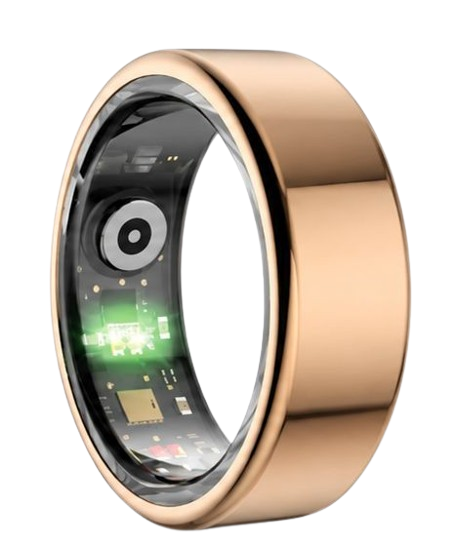
The Herz P1 provides accurate, continuous tracking without monthly fees.
Explore the Herz P1 Smart Ring to optimize your recovery today.
Call: 1-866-479-1629 — our team can help you select your size and set personalized health goals.
Note: Individual results may vary depending on individual health conditions, age, and lifestyle habits.
This article is intended for general health reference purposes only.
