

Many active adults struggle with unexplained morning fatigue despite spending eight hours in bed. To solve this mystery, you must analyze your respiratory quality while sleeping. The Herz P1 Smart Ring provides a direct, clinical-grade window into your sleep oxygen variations and nighttime breathing stability. Scientific data reveals that tracking these indicators can unlock deeper physical recovery. Let us explore how simple adjustments can optimize your sleep quality.
Built to Last. Save Up to 69% Today.
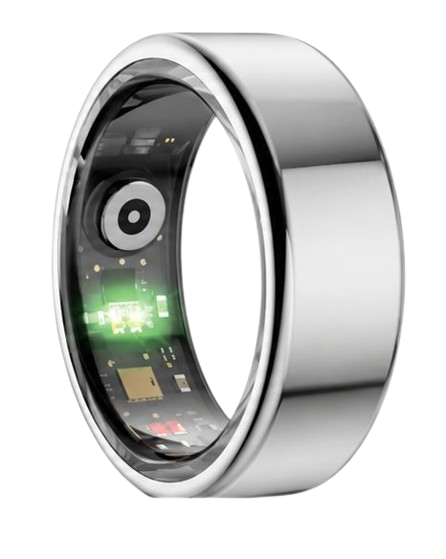
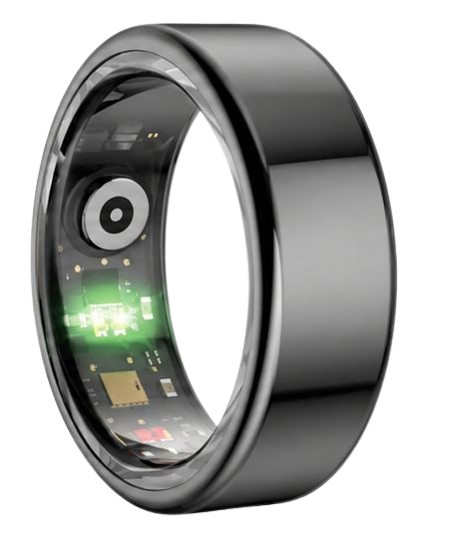
The Herz P1 Smart Ring tracks HRV, Sleep, Heart Rate & SpO2 around the clock. No subscriptions. No renewals. Ever.
In This Article
- Understand how to systematically track and assess your nighttime breathing stability.
- Explore the clinical science of blood oxygen levels and sleeping respiration rates.
- Learn to use wearable smart ring data to build an optimized sleeping environment.
- Avoid common biometric tracking mistakes that lead to fragmented health data.
How to Track Your Respiratory Quality While Sleeping: A Step-by-Step Guide

You will need a reliable biometric tracking device with a multi-wavelength optical sensor before starting.
Ensure you have at least seven consecutive nights of baseline sleep data for accurate physiological comparisons.
-
Step 1: Choose the Right Finger for Optimal Optical Blood Oxygen Sensing
Your index or middle finger contains the highest density of superficial blood vessels in your hands.
Place your smart ring on one of these digits to secure the highest quality optical sensor contact.
A snug and proper fit prevents external ambient light from leaking into the optical receiver during movement.
Avoid placing the sensors over thick calluses or skin blemishes that block optimal light penetration.
The non-dominant hand is usually preferred to reduce daily wear and friction on the metal band.
Make sure the ring feels comfortable and does not restrict your natural blood flow at night.
Testing your fit before sleeping guarantees clean data collection without annoying signal dropouts.
Our sizing kit offers various sizes to ensure your choice fits perfectly on any selected finger.
-
Step 2: Establish Your Baseline Sleep Oxygen Variation Data
Monitor your biometric sleep data consistently for seven consecutive nights without changing your daily habits.
Calculate your normal sleeping respiratory rate to discover your unique biological benchmark.
This baseline average serves as your personalized standard for evaluating all future sleep cycles.
Note any minor variations that occur naturally after high-stress workdays or intense physical training sessions.
Understanding these initial fluctuations prevents you from overreacting to normal day-to-day data changes.
Your body naturally adapts its breathing patterns to match your level of daily fatigue and recovery.
A solid baseline is the foundation of any successful health tracking and optimization program.
Keep your evening routines consistent during this initial observation phase to ensure clean baseline metrics.
-
Step 3: Analyze Sleep Oxygen Variation Trends in Your App
Review your nightly charts inside the companion app to spot sudden drops in blood oxygen levels.
Pay close attention to any sleep oxygen variation patterns that fall below your typical baseline averages.
Healthy sleep physiology typically maintains blood oxygen saturation levels between ninety-five and one hundred percent.
Frequent drops below ninety percent can indicate minor airway resistance during deep slow-wave sleep stages.
These drops can cause your body to trigger micro-arousals that secretly fragment your sleep architecture.
Identifying these trends early allows you to address potential breathing issues before they cause chronic fatigue.
Our advanced optical sensors capture these subtle shifts with clinical-grade accuracy while you rest.
Use this historical data to track how your respiratory quality improves over several weeks.
-
Step 4: Audit and Improve Your Bedroom Air Quality
Elevated levels of carbon dioxide in your closed bedroom can significantly increase your breathing rate.
Keep a window slightly cracked or use a high-efficiency air purifier to maintain fresh airflow.
Maintain a cool room temperature between sixty and sixty-eight degrees Fahrenheit to support deep recovery.
Use a humidifier if your home heating system makes the indoor air excessively dry and irritating.
Dry air can inflame your nasal passages and force you to breathe through your mouth during sleep.
Mouth breathing is less efficient than nasal breathing and often leads to lower oxygen levels.
Simple adjustments to your sleeping environment can yield immediate improvements in your nightly breathing metrics.
An optimized bedroom environment is one of the easiest ways to elevate your overall sleep quality.
-
Step 5: Adjust Your Sleeping Position to Support Nighttime Breathing Stability
Sleeping flat on your back can cause your tongue to slide backward and partially block your airway.
Try sleeping on your side to promote unobstructed breathing and maintain higher oxygen saturation levels.
Use a supportive contour pillow to keep your head, neck, and spine properly aligned throughout the night.
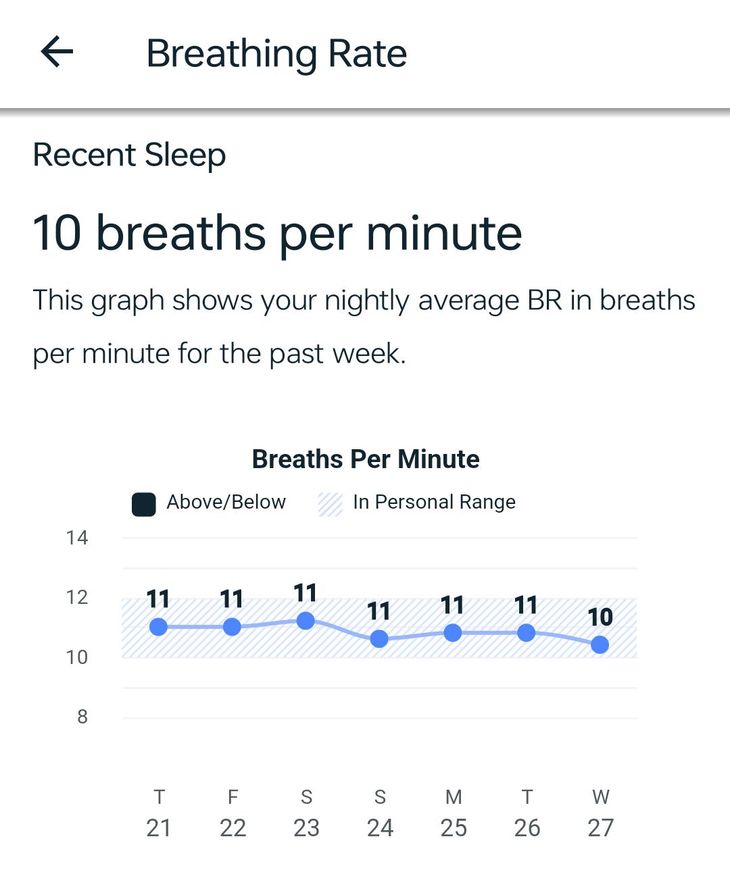
Observe how side sleeping positively impacts your average breaths per minute while sleeping over one week.
Your airway remains naturally more open and stable when you maintain a side-sleeping posture.
This simple physical adjustment can reduce the occurrence of mild nighttime breathing instability events.
Track your sleeping position trends alongside your oxygen data to find your most restorative posture.
Small changes in how you position your body can dramatically improve your overnight physical recovery.
The Herz P1 Smart Ring streamlines this entire optimization process by tracking your metrics automatically.
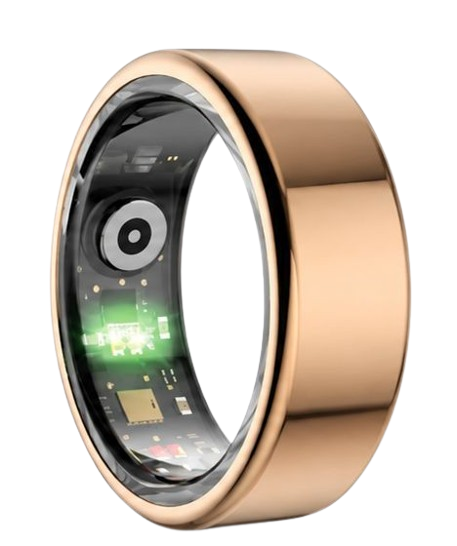
Our military-grade steel ring tracks your blood oxygen sensing metrics continuously without requiring uncomfortable chest straps or heavy wristbands.
It syncs seamlessly with our free companion app to provide clear, actionable trends directly to your phone.
Experience the freedom of monitoring your health with zero monthly subscription fees by exploring the Herz P1 Smart Ring today.
90-Day 100% Money-Back Guarantee
“The Herz Smart Ring helps me manage stress easily. It’s accurate, stylish, and lightweight—perfect for my busy life!”
— Jennifer P. | ✔ Verified Customer
- ✓ 6-Day Battery Life
- ✓ Detailed Sleep Analysis
- ✓ Fast 1-Hour Charging
- ✓ iOS & Android Ready
Questions? Call: 1-866-479-1629
The Physiology of Respiratory Quality During Sleep
The Autonomic Control of Nighttime Respiration
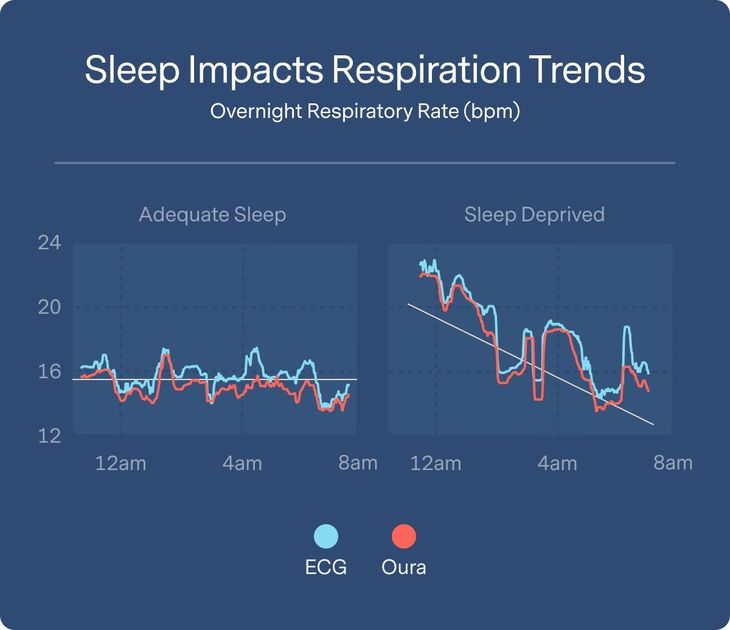
Your autonomic nervous system manages your respiration rate sleeping metrics automatically.
During non-REM sleep, your parasympathetic nervous system drives a slow, steady, and highly predictable breathing pattern.
This deep relaxation state allows your cardiorespiratory system to recover from daily physical stressors.
When you transition into rapid eye movement sleep, your respiratory patterns naturally become faster and more irregular.
This transition is entirely normal and reflects active dreaming states and rapid neural processing in the brain.
However, unexpected spikes in your sleeping breathing rate during deep non-REM stages may point to a lingering physiological stressor.
These stressors include late-night meals, alcohol consumption, or elevated cognitive fatigue from work.
Tracking these subtle shifts over time provides an invaluable window into how your body manages physical and mental fatigue.
A consistent respiratory pattern confirms that your nervous system is successfully transitioning into recovery mode.
How Clinical Studies Define Normal Respiration Rates
The National Sleep Foundation states that healthy adults breathe twelve to twenty times per minute during rest.
Your average resting rate should remain highly stable from night to night with very little fluctuation.
An unexpected increase of even two breaths per minute can signal an oncoming low-grade systemic illness.
This respiratory elevation often occurs up to twenty-four hours before you experience active physical symptoms.
Similarly, elevated stress levels can keep your sympathetic nervous system highly active throughout the night.
This sympathetic dominance prevents your respiratory muscles from fully relaxing during your deep sleep stages.
The American Heart Association notes that chronic respiratory elevation can place extra strain on your cardiovascular system.
Consistent tracking helps you identify these subtle deviations before they impact your daily energy and productivity levels.
By reviewing these trends weekly, you can make proactive lifestyle changes to protect your recovery.
Deciphering Blood Oxygen Saturation and Hypoxia
The Role of Hemoglobin and Optical Sensing
Your red blood cells rely on a protein called hemoglobin to carry oxygen through your body.
Advanced wellness wearables use red and infrared light to measure how much oxygen this protein carries.
Oxygenated blood absorbs more infrared light, while deoxygenated blood absorbs more red light.
A smart ring blood oxygen monitoring system measures these absorption ratios with high accuracy.
The device sends light waves through your skin and captures the reflected signal via an optical sensor.
This continuous measurement ensures that you detect any temporary drops in your systemic oxygen supply.
Understanding these optical ratios is essential for evaluating your overall nighttime recovery quality.
It allows you to see how efficiently your lungs are delivering oxygen to your vital organs.
By tracking this metric, you gain a clear picture of your cardiorespiratory health during sleep.
Identifying Hypoxia Desaturation Trends
A temporary drop in blood oxygen saturation below ninety-five percent is known as a desaturation event.
These drops can result from shallow breathing, nasal congestion, or minor airway obstruction during deep sleep.
Using a wearable for hypoxia desaturation tracking highlights how often these events occur.
Frequent desaturation events force your heart to pump harder to deliver oxygen to your tissues.
This extra cardiac workload can disrupt your sleep stages and significantly reduce deep sleep duration.
Our data shows that resolving minor nasal blockages can significantly reduce these desaturation drops.
It also prevents your body from waking up in a state of low-grade panic due to temporary oxygen drops.
Identifying these trends early empowers you to take control of your sleeping environment.
You can then implement simple solutions like side sleeping or using a humidifier to protect your airway.
The Intersect of Heart Rate Variability and Respiratory Quality
Understanding Respiratory Sinus Arrhythmia
Your heart rate naturally speeds up when you inhale and slows down when you exhale.
This physiological phenomenon is known as respiratory sinus arrhythmia.
It reflects a highly efficient communication loop between your heart, lungs, and brain.
A high heart rate variability score indicates that this communication loop is operating at its peak.
When your autonomic nervous system is stressed, this natural rhythm becomes less pronounced.
Monitoring this relationship shows you how closely your respiration connects to cardiovascular health.
Our engineering team has optimized our sensors to track these micro-adjustments in real time.
This real-time tracking provides a deeper understanding of your body’s internal recovery systems.
It allows you to see exactly how your breathing patterns influence your cardiovascular resilience.
How HRV Stress Scores Reveal Nighttime Recovery Depth
Your overnight recovery depends heavily on your body’s ability to maintain a low stress index.
If your breathing is labored, your heart rate variability will drop as your body fights for air.
Our data indicates that poor breathing quality is a primary driver of low overnight recovery scores.
By tracking your stress index every five minutes, you can pinpoint exactly when your recovery is disrupted.
This precise timing helps you connect breathing issues with external factors like alcohol or late caffeine.
You can then make informed decisions to eliminate these disruptors from your evening routine.
Over time, these adjustments will help you achieve a more stable resting heart rate throughout the night.
This stability is the ultimate indicator of a well-recovered and highly resilient cardiovascular system.
Start focusing on these metrics to unlock a new level of daily energy and physical performance.
Practical Application: Reading Your Sleep Data to Optimize Recovery
How to Interpret Your Weekly Respiratory Trends
Open your companion app every morning to review your daily sleep quality dashboard and key metrics.
Look at your weekly average to spot any gradual changes or anomalies in your breathing patterns.
If you notice a gradual increase in your sleeping respiration rate, prioritize active relaxation techniques.
Incorporate five minutes of slow, controlled deep breathing exercises before you turn off the lights.
This simple practice helps calm your nervous system and stabilizes your breathing before sleep onset.
Monitor how your overnight metrics respond to this new bedtime routine over the next two weeks.
You should see a measurable reduction in your average breaths per minute and higher stability scores.
This downward trend is a clear sign that your parasympathetic nervous system is recovering effectively.
Consistent weekly reviews allow you to catch subtle physiological changes before they impact your wellness.
Use these insights to build a highly personalized recovery routine that matches your body’s demands.
Optimizing Physical Exercise Based on Sleep Quality
Adjust your daily workout intensity based on your overnight recovery score and respiratory quality metrics.
If your sleep data shows poor breathing stability and low HRV, choose a lighter active recovery session.
This proactive approach prevents chronic overtraining and protects your immune system from excessive physical stress.
When your metrics are highly optimal, you can confidently push your limits during high-intensity athletic training.
The lightweight design of our ring ensures you can wear it comfortably during all physical activities.
Unlike bulky smartwatches, it will not interfere with your grip during heavy lifting or dynamic exercises.
It provides continuous, uninterrupted tracking without causing skin irritation or uncomfortable wrist fatigue during movement.
This seamless integration makes it the perfect tool for active individuals seeking peak physical performance.
Let your real-time biological data guide your training schedule to achieve superior athletic results safely.
Listen to your body’s physiological signals to build a sustainable, long-term fitness routine that works.
Avoiding Common Biometric Wearable Pitfalls
The Hidden Discomfort of Bulky Sleep Trackers
Many people try to track their sleep using heavy, oversized smartwatches and wrist-based monitors.
These bulky devices often shift during the night, leading to significant sensor gaps and lost data.
The weight and size of a smartwatch can also cause subtle micro-awakenings that disrupt your deep sleep.
Furthermore, trapping sweat under a wide silicone strap can lead to skin irritation and night discomfort.
Our smart ring solves these issues by packing advanced sensors into a sleek, ultra-lightweight profile.
It weighs only a few grams and feels completely natural on your finger throughout the entire night.
This continuous comfort ensures you get clean, uninterrupted data without sacrificing your actual sleep quality.
Switching to a ring allows you to sleep naturally while collecting highly accurate biological insights.
Enjoy the benefits of modern technology without the physical distractions of a bulky wrist-based tracker.
A comfortable device is one you will actually wear consistently to monitor your wellness trends.
The High Cost of Continuous Subscription Fees
Many popular health trackers lock your personal biometric data behind expensive and mandatory monthly paywalls.
These ongoing subscription fees quickly add up and significantly increase your long-term cost of ownership.
We believe that you should never have to pay a monthly fee to access your own health data.
Our companion app is completely free for lifetime, with no hidden charges or premium paywalled tiers.
You get full access to all advanced sleep analytics, stress monitoring, and historical trends from day one.
This commitment to financial transparency ensures you can focus entirely on improving your health without extra stress.
Invest in your wellness once and enjoy a lifetime of advanced biometric tracking with zero recurring fees.
Our business model focuses on delivering high-quality hardware without exploiting customers with ongoing digital costs.
Your health data belongs to you, and accessing it should always be free and uncomplicated.
Make the smart choice by selecting a tracking companion that respects both your health and your wallet.
Frequently Asked Questions About Nighttime Respiratory Tracking
Is the Herz P1 Smart Ring waterproof?
Yes, the Herz P1 features a certified IP68 waterproof rating.
This means it is completely protected against dust and water submersion up to one hundred and sixty-four feet.
You can wear it safely while washing your hands, showering, swimming, or relaxing in a hot sauna.
The military-grade steel casing ensures the internal sensors remain completely dry in all aquatic conditions.
You never have to take it off, allowing for true twenty-four-seven biometric monitoring of your body.
Enjoy your active lifestyle without worrying about damaging your premium wellness tracking device.
How long does the battery last on a single charge?
The advanced battery inside the Herz P1 lasts up to six days on a single charge.
It features a rapid charging system that goes from zero to one hundred percent in under one hour.
This long battery life eliminates the daily charging anxiety associated with traditional modern smartwatches.
You can easily track your sleep for several consecutive nights without worrying about a dead sensor.
The app will send a gentle notification to your phone when it is time to recharge.
This efficient power management ensures you never miss a single night of critical sleep oxygen tracking.
Which finger is best to wear the smart ring on?
We recommend wearing the Herz P1 on your index, middle, or ring finger for the best results.
Your index finger generally provides the strongest and clearest blood flow signal for optical heart rate sensors.
Ensure the ring fits snugly but remains comfortable throughout the dynamic day and resting night.
A proper fit prevents the ring from rotating and keeps the optical sensors aligned with your blood vessels.
Our complimentary sizing kit makes it easy to find your perfect fit before making your final purchase.
Finding the right size ensures continuous skin contact for accurate, uninterrupted biometric data collection.
Does the ring store my biometric data offline?
Yes, the Herz P1 has built-in storage that holds up to seven days of local data offline.
You do not need to keep your phone nearby or connected to Bluetooth while you sleep peacefully.
The ring will securely record your metrics and sync them automatically once you open the mobile app.
This offline storage feature is perfect for travel, camping, or those who prefer to disable wireless signals.
Your historical data is safely preserved and will never be lost due to a temporary connection drop.
This design prioritizes your convenience and data security under any real-world tracking circumstances.
Conclusion: Your Subscription-Free Wellness Journey Starts Here
Optimizing your respiratory quality while sleeping is a vital step toward long-term physical recovery. The Herz P1 Smart Ring makes tracking these essential sleep metrics completely effortless and highly accurate. Ready to monitor your health every day? Explore the Herz P1 Smart Ring and see if it fits your lifestyle. Call: 1-866-479-1629 — our team can help you advise on the correct ring size and set personalized health goals.
