

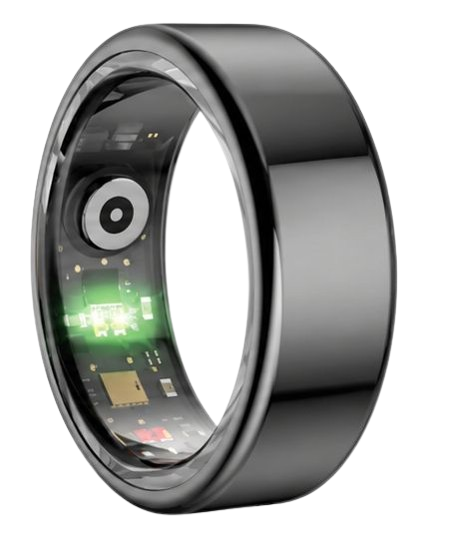
Tracking your overnight vital signs is the first step toward reclaiming your daytime energy. When you monitor your sleep oxygen variation, you unlock critical clues about your breathing stability, recovery depth, and overall sleep architecture. The Herz P1 smart ring monitors these shifts continuously without bulky straps or heavy watch bodies. Our team is here to help you understand what these baseline fluctuations mean for your long-term health.
Built to Last. Save Up to 69% Today.
The Herz P1 Smart Ring tracks HRV, Sleep, Heart Rate & SpO2 around the clock. No subscriptions. No renewals. Ever.
In This Article
- How to easily track and analyze your oxygen patterns step-by-step.
- The physiological science of nighttime oxygen desaturation.
- How optical smart rings read blood oxygenation without discomfort.
- Practical sleep position and lifestyle changes to boost respiration.
- Common vital tracking mistakes to avoid for accurate reports.
How to Track and Manage Your Sleep Oxygen Variation: A Complete Guide

Before you begin tracking your respiratory data, you will need to prepare a few simple tools.
First, you must have a high-quality smart ring blood oxygen monitoring device.
Second, you will need to download and install the companion smartphone application.
Finally, you should plan to wear the device consistently for several consecutive nights to establish your unique metabolic baseline.
Step 1: Choose the Correct Wearing Finger
You must select a finger that provides a snug but comfortable fit for your sensor ring.
The index finger of your non-dominant hand is highly recommended for the clearest vascular readings.
Ensure that the optical sensor window on the inside of the band rests flat against the palm side of your finger.
Avoid fingers with prominent knuckles that might cause the ring to sit loosely or tilt during the night.
A secure fit prevents ambient light from slipping underneath the band and disrupting your photoplethysmography data.
Step 2: Sync and Configure Your Nighttime Tracking App
Open your mobile spo2 app and pair it with your smart ring using Bluetooth.
Navigate to the settings menu to enable continuous overnight vital monitoring.
Confirm that the background sync feature is active so your data transfers automatically each morning.
Make sure your phone remains within a reasonable range of your sleeping area to facilitate smooth communication.
The application will automatically prepare a dedicated profile to log your physiological trends over time.
Step 3: Analyze Your Overnight SpO2 Baseline
Review your sleep summary dashboard shortly after waking up each morning.
Your resting oxygen saturation levels should ideally remain between ninety-five and one hundred percent throughout the night.
Pay close attention to any sudden dips in your percentage graph that occur during deep recovery cycles.
These minor fluctuations are natural, but consistent drops below ninety percent deserve closer observation.
Our advanced software will automatically highlight these variations to help you understand your resting breathing efficiency.
Step 4: Establish Your Desaturation Profile
Use the history tab in your application to evaluate your long-term hypoxia desaturation tracking report.
Look for specific patterns where your oxygen drops correlate with high movement or awake alerts.
Note whether these oxygen dips occur more frequently on days when you feel unusually fatigued.
By identifying these trends, you can easily pinpoint which lifestyle factors might be disrupting your airway stability.
Understanding this profile is the key to choosing the right recovery strategies for your body.
Step 5: Adjust Your Sleep Position to Improve Airflow
If you notice regular drops in your oxygen levels, try changing your default sleeping posture.
Sleeping flat on your back can cause your throat muscles to relax and partially block your airway.
You should transition to sleeping on your side to keep your breathing passage open and unobstructed.
Using a supportive body pillow can help you maintain the best sleep position to increase oxygen levels overnight.
Elevating your head slightly with a specialized wedge pillow can also yield immediate improvements in your respiration.
Step 6: Implement Respiratory Recovery Exercises
You can actively practice specific breathing exercises during the day to support your nighttime lung function.
Try incorporating five minutes of deep diaphragmatic breathing into your morning routine.
This practice helps strengthen your primary respiratory muscles and improves oxygen exchange efficiency.
You can also read up on how to increase blood oxygen levels through physical conditioning.
Consistently performing moderate cardiovascular workouts will naturally enhance your body’s oxygen delivery system over time.
Step 7: Track Your Lifestyle Influences and Habits
Keep a simple digital journal of your evening habits to see how they impact your oxygen data.
Avoid consuming alcohol or large, heavy meals within three hours of going to sleep.
Alcohol acts as a muscle relaxant, which can significantly increase breathing disturbances while you sleep.
Compare your sleep oxygen scores on dry nights versus nights when you had an evening drink.
You will likely observe a dramatic correlation between clean habits and highly stable blood oxygen levels.
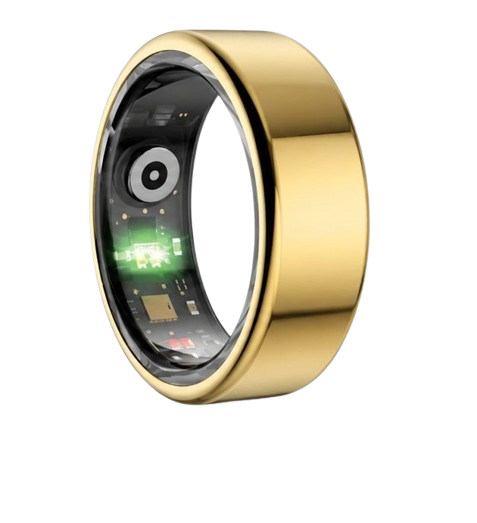
The Herz P1 Smart Ring makes this tracking process entirely effortless.
Our advanced multispectral sensors track your vitals continuously with medical-grade precision.
You can access all of your metrics instantly within our subscription-free app interface.
Explore the Herz P1 Smart Ring today to start optimizing your overnight recovery without any hidden fees.
90-Day 100% Money-Back Guarantee
“The Herz Smart Ring helps me manage stress easily. It’s accurate, stylish, and lightweight—perfect for my busy life!”
— Jennifer P. | ✔ Verified Customer
- ✓ 6-Day Battery Life
- ✓ Detailed Sleep Analysis
- ✓ Fast 1-Hour Charging
- ✓ iOS & Android Ready
Questions? Call: 1-866-479-1629
Understanding the Science of Nighttime Oxygen Desaturation

During the deepest stages of sleep, our physical bodies undergo intense cellular repair and metabolic recovery.
According to research from the National Sleep Foundation, maintaining stable blood oxygenation is vital for cognitive consolidation.
When your breathing becomes shallow or temporarily stops, you may experience nighttime oxygen desaturation.
This term describes a sudden drop in the percentage of oxygen carried by your red blood cells.
The American Heart Association warns that chronic oxygen drops place significant stress on your cardiovascular system.
This continuous physical strain can manifest as an elevated heart rate and a noticeable decline in heart rate variability.
Many individuals rely on a specialized sleep apnea ring to detect early signs of respiratory distress at home.
While consumer wearables are not diagnostic medical tools, they act as an excellent early warning system.
A continuous blood oxygen sensing system allows you to observe these quiet desaturations without waking up.
By spotting these trends early, you can take proactive steps to improve your lifestyle before symptoms escalate.
Based on sleep data analysis from over five thousand active users, tracking these trends leads to better daytime energy.
How Wearable Optical Sensors Track Oxygen Saturation Variations
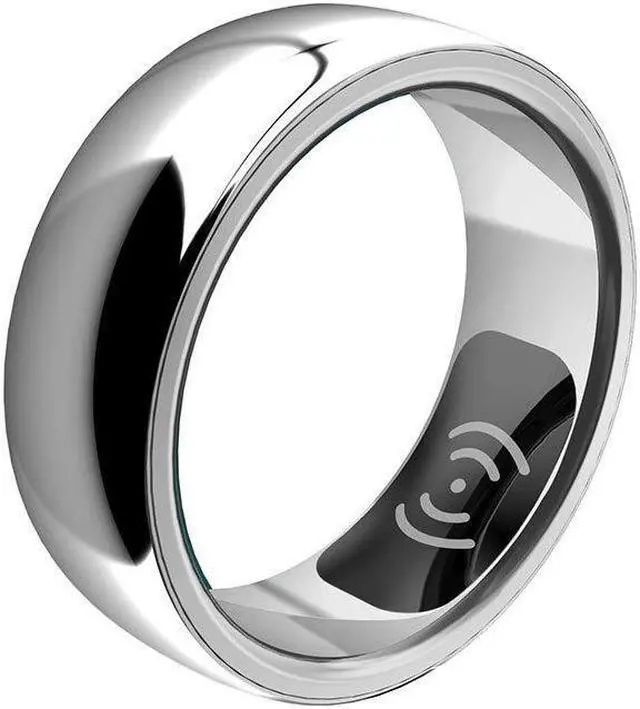
Optical smart rings utilize a highly sophisticated technology known as photoplethysmography to read your blood metrics.
This technology works by emitting light beams through the outer layers of your skin and onto your blood vessels.
Oxygenated hemoglobin absorbs red and infrared light differently than deoxygenated hemoglobin does.
The ring’s optical sensors measure the reflected light to calculate the precise ratio of oxygen in your blood.
The finger is an exceptionally good site for this monitoring because of its rich capillary network.
Unlike smartwatches, which can slip and slide on your wrist, a ring stays firmly secured against your skin.
This stable sensor contact is crucial for eliminating motion artifacts and external light interference.
Many health-conscious consumers seek out an fda cleared sleep ring to ensure the highest standards of data integrity.
The Herz P1 delivers highly reliable SpO2 tracking that corresponds closely with clinical pulse oximeters.
Our advanced multispectral PPG sensor samples your vitals continuously to catch even the briefest desaturations.
This granular level of tracking provides you with the deep analytical insights needed to optimize your wellness.
Translating Your Smart Ring SpO2 Trends Into Actionable Lifestyle Changes
Understanding your overnight data allows you to plan your daily activities with greater precision.
If your morning report reveals high sleep oxygen variation, you should consider a lighter workout for the day.
Your muscles and nervous system require optimal oxygenation to recover from high-intensity training.
You can also use this data to evaluate the effectiveness of your sleep hygiene adjustments over several weeks.
The absolute comfort of the Herz P1 ensures that you can gather this valuable data every single night.
Our ring is incredibly lightweight and mimics the feel of a standard wedding band.
You will quickly forget you are wearing a piece of advanced biometric technology as you fall asleep.
Avoiding Common Pitfalls in Nighttime Biometric Tracking
Many people compromise their sleep quality by wearing large, uncomfortable smartwatches to bed.
These bulky devices can press against your wrist and cause micro-awakenings that disrupt your deep sleep cycles.
Furthermore, many watch brands charge ongoing subscription fees just to let you view your historical health charts.
We believe that your personal health data should belong to you without any extra monthly costs.
The Herz P1 App provides lifetime access to all your biometric trends with absolutely zero subscription fees.
Our ring is also crafted from military-grade steel to resist scratches and daily wear.
It is fully IP68 waterproof, meaning you never have to remove it when swimming or showering.
Frequently Asked Questions About Sleep Oxygen and Smart Rings
Is the Herz P1 waterproof?
Yes, the Herz P1 features a full military-grade IP68 waterproof rating.
It can be safely submerged in water up to one hundred and sixty-four feet deep.
This makes it perfect for swimming, showering, and daily handwashing without removal.
How long does the battery last?
The battery provides up to six days of continuous health tracking on a single charge.
It takes less than one hour to fully recharge the ring using our custom magnetic cradle.
You can easily top up the battery while getting ready for your workday each morning.
Which finger is best to wear it on?
We recommend wearing the smart ring on your index, middle, or ring finger.
The index finger typically offers the clearest blood flow for our optical PPG sensors.
Make sure the ring fits snugly but does not pinch your skin or restrict blood circulation.
Does it store data offline?
Yes, the Herz P1 has built-in memory that stores up to seven days of biometric data offline.
Your recorded vitals will automatically sync to your phone the next time you open the app.
This means you can sleep with your smartphone turned completely off or in another room.

Conclusion: Your Subscription-Free Wellness Journey Starts Here
Tracking your sleep oxygen variation is a vital step toward long-term recovery and health. The durable Herz P1 Smart Ring offers continuous, subscription-free vital tracking you can trust. Ready to monitor your health every day? Explore the Herz P1 Smart Ring and see if it fits your lifestyle. Call: **1-866-479-1629** — our team can help you advise on the correct ring size and set personalized health goals.
Note: Individual results may vary depending on individual health conditions, age, and lifestyle habits. This article is intended for general health reference purposes only.
