

Monitoring your body signals is the key to proactive wellness, which is why tracking your resting respiration rate can provide deep insights into your health. Many people wonder, is 12 breaths per minute normal, and how does this affect cardiovascular longevity? At Herz P1, we empower you to decode these vital signals with military-grade, subscription-free tracking designed for active, health-conscious lives.
Built to Last. Save Up to 69% Today.
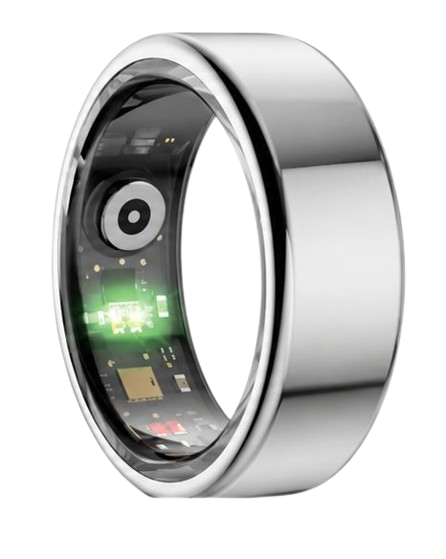
The Herz P1 Smart Ring tracks HRV, Sleep, Heart Rate & SpO2 around the clock. No subscriptions. No renewals. Ever.
In This Article
- Is 12 Breaths per Minute Normal? A complete scientific breakdown of clinical baseline values.
- Decoding Respiration Ranges: Analyzing the differences between 12, 15, 18, and 20 breaths per minute.
- Biometric Science & Sleep: How modern sensors track sleep architecture, SpO2, and nighttime recovery.
- Actionable Lifestyle Strategies: Step-by-step methods to optimize your respiratory and autonomic health.
- A Subscription-Free Future: Why the Herz P1 Smart Ring represents the ultimate value in continuous health monitoring.
Is 12 Breaths per Minute Normal for Adults? Here is What Science Says

The short and definitive answer is yes.
A resting rate of 12 breaths per minute is completely normal and highly ideal for healthy adults.
Medical guidelines from the American Heart Association state that a normal resting respiratory rate for healthy adults ranges from 12 to 20 breaths per minute.
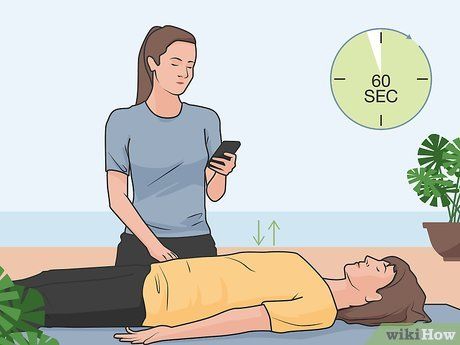
This metric refers to the number of inhalation-exhalation cycles you complete in 60 seconds.
When you are calm and physically inactive, your body seeks to maintain a steady chemical balance.
This balance requires the precise regulation of oxygen intake and carbon dioxide elimination.
A resting rate at the lower end of the clinical spectrum suggests excellent cardiorespiratory efficiency.
It indicates that your lungs and circulatory system are highly capable of distributing oxygen throughout your tissues.
For individuals who focus on regular physical training, this baseline value is common.
During deep rest, you might even exhibit a low breathing rate while sleeping.
Your body slows down its vital signs to facilitate muscle recovery and cellular repair.
This drop in nocturnal respiratory frequency is a healthy sign of parasympathetic nervous system dominance.
Conversely, a sustained spike in this resting baseline during wakefulness could indicate underlying physiological stress.
Tracking your average sleeping respiratory rate helps reveal long-term cardiovascular stability.
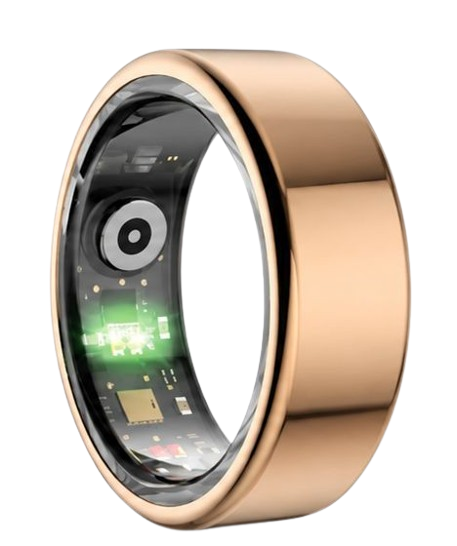
If you want to track this in real time, the Herz P1 Smart Ring monitors your vitals 24/7 — explore it here.
90-Day 100% Money-Back Guarantee
“The Herz Smart Ring helps me manage stress easily. It’s accurate, stylish, and lightweight—perfect for my busy life!”
— Jennifer P. | ✔ Verified Customer
- ✓ 6-Day Battery Life
- ✓ Detailed Sleep Analysis
- ✓ Fast 1-Hour Charging
- ✓ iOS & Android Ready
Questions? Call: 1-866-479-1629
Decoding Respiration Rates: Comparing 12, 15, 18, and 20 Breaths per Minute
Is 15 Breaths per Minute Good?
A value of 15 breaths per minute is an excellent, balanced score for any adult.
It rests perfectly in the middle of the normal clinical baseline.
This rate suggests that your autonomic nervous system is in a stable, non-threatened state.
Most individuals experience this rate during light office work, casual walking, or peaceful reading.
Your heart and lungs do not have to work excessively hard to maintain balanced blood oxygen levels.
It indicates a healthy relationship between your oxygen intake and cellular carbon dioxide release.
Overall, 15 breaths per minute reflects a strong state of homeostasis.
Is 18 Breaths per Minute Good?
An average of 18 breaths per minute is still considered within the safe clinical range.
However, it is slightly elevated compared to a deeper resting baseline.
This level may occur if you are digesting a heavy meal, experiencing mild mental focus, or drinking caffeine.
If this value occurs while you are fully relaxed, it could point to low-level chronic stress.
Your body might be operating with a slight sympathetic bias, meaning you are in a mild “fight-or-flight” mode.
Observing a persistent rate of 18 breaths per minute during rest should prompt you to check your daily stressors.
It is not an immediate cause for alarm, but it suggests room for improvement in cardiorespiratory efficiency.
Is 20 Respiration Good?
A respiratory rate of 20 breaths per minute sits at the very limit of the normal resting range.
While technically acceptable under clinical standards, it is generally not ideal during complete rest.
An elevated rate like this often signals physical fatigue, high mental anxiety, or poor physical conditioning.
It might also show up if you are fighting a minor immune threat, such as a cold or low-grade fever.
When you breathe 20 times per minute, your body uses more energy simply to sustain ventilation.
This fast rate can make it difficult to enter deep, restorative states of physical recovery.
If you regularly notice this elevated value, it is helpful to look closely at your lifestyle habits.
Addressing chronic work fatigue or poor sleep hygiene can help lower this resting baseline over time.
We need to ask what causes low respiratory rate to understand how we can bring our resting numbers back to a calmer state.
Many individuals find that a what causes low respiratory rate investigation points to athletic conditioning or deep meditation.
In contrast, experiencing a sudden, unexplained drop in breathing frequency requires careful observation.
Understanding what does lower respiratory rate mean can help you make sense of these complex biological trends.
If you experience low breaths per minute during sleep, it often reflects a highly rested brain and stable heart function.
Respiration and Sleep Architecture: How Your Body Breathes at Night

The Importance of Continuous Tracking
Your respiratory rate during sleep is a powerful window into your overall physical health.
Unlike waking measurements, sleep breathing metrics are unaffected by conscious emotional control.
This makes overnight data highly reliable for tracking pure, unadulterated biometric baselines.
When you enter deep sleep stages, your voluntary muscles relax completely.
Your autonomic nervous system takes full control of your respiratory patterns.
A stable, consistent breathing rhythm indicates healthy neural regulation.
The National Sleep Foundation emphasizes that irregular sleep breathing can disrupt critical cellular repair.
Tracking your respiratory sleep rate helps confirm if you are truly recovering overnight.
If your respiration fluctuates wildly, your brain may be struggling to complete vital sleep cycles.
Using a dedicated sleep apnea ring can help you identify nocturnal breathing anomalies early.
How Smart Ring Biometrics Work
Continuous biometric tracking was once limited to uncomfortable clinical sleep labs.
Today, advanced wearable tech allows you to gather medical-grade insights from the comfort of home.
The Herz P1 Smart Ring utilizes high-precision optical PPG (photoplethysmography) sensors.
These sensors project light into the dense capillary network at the base of your finger.
By measuring minute changes in blood volume with every heartbeat, the ring calculates your respiration.
This process is highly accurate and runs continuously in the background while you rest.
The ring measures your average brpm while sleeping to build a personalized baseline.
This baseline helps detect subtle physiological shifts, such as early signs of viral illness.
A sudden increase in nighttime respiration often precedes conscious symptoms of a cold by up to 24 hours.
This early warning system gives you a valuable window to prioritize rest and hydration before you feel sick.
How to Monitor and Optimize Your Respiration Every Day
Improving your cardiorespiratory fitness requires a mixture of lifestyle changes and targeted tools.
A simple step to lower an elevated resting respiration rate is to practice daily breathwork.
Techniques like box breathing or slow diaphragmatic inhalation help stimulate your parasympathetic system.
Just five minutes of slow, controlled breathing can train your nervous system to stay calm under pressure.
Over time, this practice helps reduce your resting heart rate and overall respiratory baseline.
Regular cardiovascular exercise, such as zone 2 training, is also highly effective.
This level of aerobic activity strengthens your heart muscle and improves lung capacity.
As a result, your body can deliver oxygen to tissues with fewer, more efficient breaths.
You can verify these long-term fitness gains by monitoring your daily metrics on the Herz P1 companion app.
The app provides detailed, easy-to-read trend charts that show your biometric progress over weeks and months.
Its lightweight, ergonomic design makes it exceptionally comfortable to wear 24/7.
Unlike heavy smartwatches, the military-grade steel ring does not pinch your skin or cause wrist fatigue during sleep.
It blends seamlessly into your daily routine, letting you focus on life while it monitors your recovery.
Overcoming Smartwatch Pitfalls: The Comfort and Cost Benefits of Smart Rings
Many wellness seekers purchase bulky smartwatches only to leave them on the charger overnight.
This common pattern completely defeats the purpose of tracking overnight sleep architecture.
Large watches are often too hot, heavy, and uncomfortable to wear while sleeping.
Furthermore, many smartwatch brands hide your biometric data behind expensive monthly subscriptions.
They charge you recurring fees simply to access the physiological insights you already paid to measure.
We believe your personal health data should belong to you, without ongoing financial barriers.
The Herz P1 Smart Ring is entirely free of subscription fees for the lifetime of the product.
Once you purchase the ring, you gain permanent access to all advanced software updates and tracking features.
This eliminates the frustration of surprise renewals and locked metrics.
The ring features a durable, military-grade steel shell that is fully IP68 waterproof up to 164 feet.
You can wear it safely while swimming, showering, or washing your hands without worry.
Its lightweight structure weighs only a few grams, ensuring zero sleep disturbance.
Biometric Tracker Feature Comparison
| Feature / Metric | Herz P1 Smart Ring | Standard Smartwatches | Basic Fitness Bands |
|---|---|---|---|
| Form Factor Comfort | Ultra-light, zero wrist pressure | Bulky, heavy, restricts wrist movement | Medium size, rubber strap sweat buildup |
| Monthly Subscriptions | $0 (Lifetime Free App) | Often requires $5.99–$9.99/month | Basic app free, advanced data locked |
| Nocturnal SpO2 Accuracy | Clinical-grade optical sensor | Varies heavily by wrist movement | Low sampling frequency |
| Durability & Build | Military-grade steel, IP68 waterproof | Aluminum/plastic, vulnerable screens | Hard plastic, prone to scratches |
| Battery Life | Up to 6 days per charge | 1 to 2 days maximum | 5 to 7 days (fewer metrics tracked) |
Frequently Asked Questions About Respiration and Smart Rings
The Herz P1 features a robust IP68 waterproof rating.
It is fully rated to handle continuous immersion in water up to 164 feet (50 meters) deep.
You can wear it comfortably while swimming in pools, showering, bathing, or doing dishes.
This makes it an incredibly versatile tracker that never requires you to take it off during daily water-based activities.
This eliminates the anxiety of daily charging common with traditional smartwatches.
When the battery runs low, the ring charges fully in under 1 hour using our compact magnetic charger.
This fast-charging capability ensures you rarely miss a single minute of biometric data.
The middle and ring fingers are also highly effective alternatives if you prefer a different fit.
The key is to select a finger where the ring sits securely without sliding or rotating excessively.
A snug, comfortable fit ensures the optical sensors maintain continuous contact with your skin.
It can hold up to 7 full days of biometric data offline if you are away from your phone.
Once you open the companion app, the ring will instantly sync all stored metrics via Bluetooth.
This means you can enjoy vacations or camping trips without worrying about losing your recovery history.
Conclusion
A resting rate of 12 breaths per minute represents excellent physical health and nervous system balance.
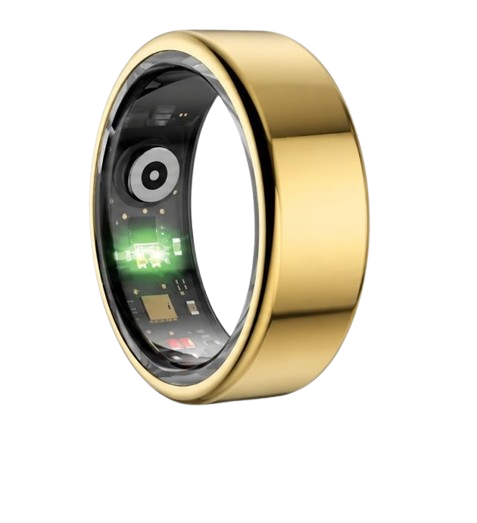
Ready to monitor your health every day? Explore the Herz P1 Smart Ring and see if it fits your lifestyle. Call: 1-866-479-1629 — our team can help you advise on the correct ring size and set personalized health goals.
Note: Individual results may vary depending on individual health conditions, age, and lifestyle habits. This article is intended for general health reference purposes only.
