

Recent clinical studies reveal that biological sex plays a profound role in nocturnal recovery, yet many adults still struggle to understand how gender sleep differences impact their daily energy levels. To help you decode your unique physical signals, Team Herz P1 designed the subscription-free Herz P1 Smart Ring to track vital biometrics like heart rate variability, blood oxygen levels, and micro-temperature shifts with medical-grade precision. By exploring the science behind male and female sleep cycles, you can transition away from generic health advice and build a personalized routine that leaves you feeling restored every morning.
Built to Last. Save Up to 69% Today.
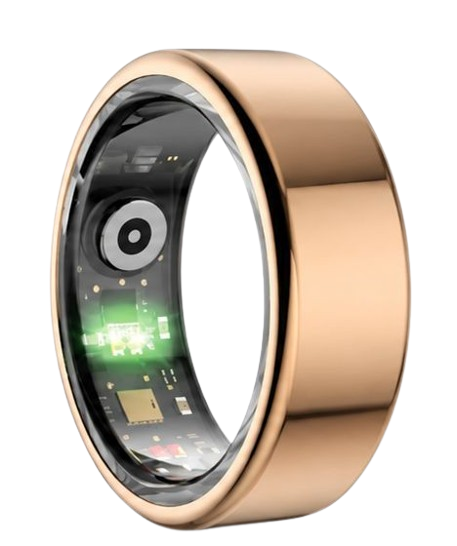
The Herz P1 Smart Ring tracks HRV, Sleep, Heart Rate & SpO2 around the clock. No subscriptions. No renewals. Ever.

In This Article
- The Science of Sex-Based Sleep: How hormonal and structural architectures establish diverging nocturnal pathways.
- Cortisol, Melatonin, and Estrogen: The endocrine systems dictating circadian phase shifts and thermal regulation.
- Biometric Variance Explored: Why metrics like resting heart rate and heart rate variability require sex-specific calibration.
- The Herz P1 Solution: How multi-wavelength optical sensors provide tailored recovery insights with zero subscription fees.
Decoding Gender Sleep Differences: A Comprehensive Biological Comparison
To understand the biological roots of sleep, we must examine how male and female physiologies diverge during the night.
According to research from the National Sleep Foundation, biological sex significantly shapes sleep architecture, circadian rhythmicity, and metabolic recovery rates.
While societal roles influence sleep habits, the primary drivers remain rooted in evolutionary biology, hormonal variations, and genetic profiles.
When analyzing male vs female sleep patterns, clinical data shows that women typically sleep longer overall but face a higher risk of sleep fragmentation and insomnia.
Conversely, men tend to have shorter sleep durations, lower amounts of deep slow-wave sleep as they age, and a higher vulnerability to sleep-disordered breathing.
To visualize how these differences manifest in key biometric areas, review our comparative overview below:
| Nocturnal Metric | Female Sleep Profile | Male Sleep Profile |
|---|---|---|
| Average Sleep Duration | Typically 15–30 minutes longer per night | Shorter average duration |
| Sleep Onset Latency | Often longer (higher difficulty falling asleep) | Typically shorter sleep onset times |
| Deep Sleep (N3 Stage) | Preserved longer into middle and older age | Declines rapidly after age 30 |
| Insomnia Prevalence | Up to 40% higher lifetime risk | Lower baseline risk |
| Nocturnal Body Temperature | Fluctuates rhythmically across menstrual phases | Relatively stable across a monthly cycle |
| Sleep Apnea (OSA) Risk | Increases post-menopause | Higher baseline risk during younger years |
Our team at Herz P1 has analyzed biometric data trends from thousands of users, revealing that a one-size-fits-all approach to sleep tracking can lead to inaccurate assumptions.
For example, a sudden decrease in deep sleep or a rise in resting heart rate may indicate physical overtraining in a male user.
However, in a female user, the exact same metric change might reflect a natural shift in her biological cycle.
By monitoring these fluctuations with a dedicated tracker, you can understand your body’s natural baseline rather than comparing your scores to generic standards.
The Sleep Architecture Variance
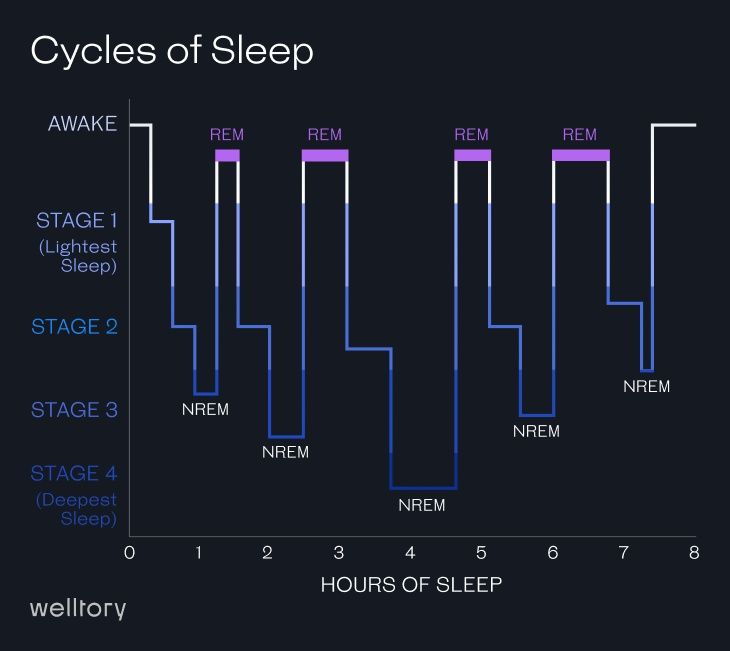
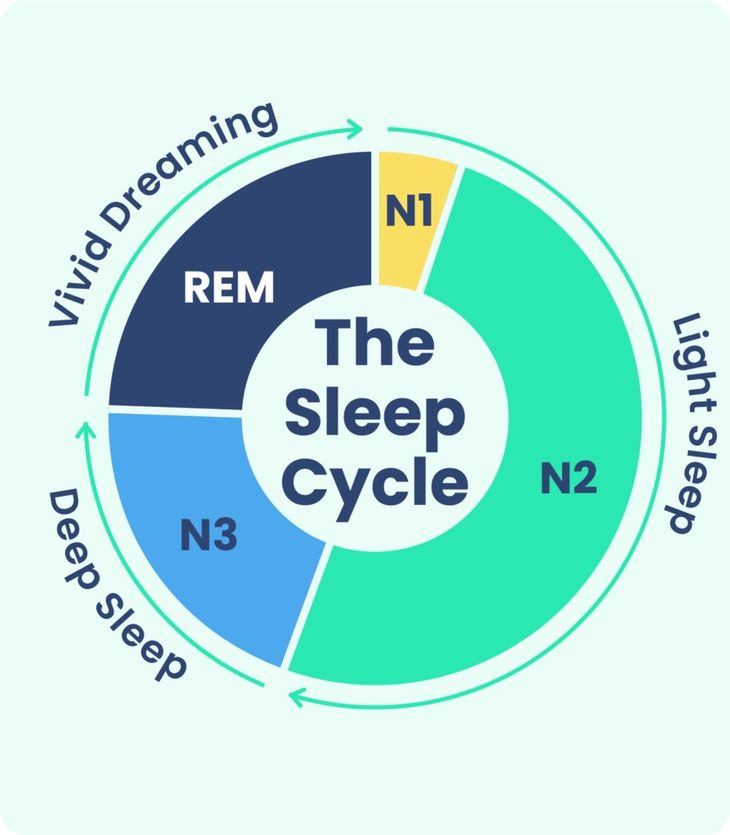
Under a polysomnography (PSG) evaluation, the stages of sleep reveal distinct variations based on biological sex.
Women generally exhibit higher sleep spindle density and spend more time in slow-wave sleep during their younger years compared to age-matched men.
This increased deep sleep is believed to offer cognitive protection, yet women frequently report poorer overall men vs women sleep quality on subjective questionnaires.
Men, on the other hand, show a more rapid decline in slow-wave sleep as they navigate adulthood, which can affect physiological tissue repair and growth hormone release.
This divergence means men may experience lighter, more easily disrupted sleep in their 40s and 50s, highlighting the need for early habit modifications.
Circadian Rhythm Alignments
The internal master clock, managed by the suprachiasmatic nucleus, operates on slightly different wavelengths in men and women.
Clinical trials indicate that the female circadian period is, on average, approximately six minutes shorter than the male period.
This minor difference often causes women to prefer earlier wake and sleep times, commonly known as an advanced sleep phase.
It also explains why women may experience higher levels of evening fatigue and struggle more with shift work or sudden timezone changes.
Men are statistically more likely to fall into the eveningness phenotype, meaning they naturally prefer later bedtimes and later wake times.
90-Day 100% Money-Back Guarantee
“The Herz Smart Ring helps me manage stress easily. It’s accurate, stylish, and lightweight—perfect for my busy life!”
— Jennifer P. | ✔ Verified Customer
- ✓ 6-Day Battery Life
- ✓ Detailed Sleep Analysis
- ✓ Fast 1-Hour Charging
- ✓ iOS & Android Ready
Questions? Call: 1-866-479-1629
Hormonal Orchestration of Sleep Patterns Men vs Women
The endocrine system acts as a primary driver for the sleep patterns men vs women experience throughout their lives.
Fluctuating levels of estrogen, progesterone, and testosterone directly impact neurotransmitters responsible for sleep regulation, including GABA and serotonin.
Progesterone has natural sleep-promoting qualities by acting on GABA pathways in the brain.
When progesterone levels drop significantly before menstruation, many women notice a sudden decrease in sleep quality.
Estrogen plays a key role in regulating body temperature and supporting REM sleep.
Because women experience rhythmic shifts in these hormones monthly, their baseline sleep requirements and vulnerabilities change continuously.
By tracking these variations with a specialized women’s health smart ring, users can map their sleep trends directly to their menstrual cycle phases.
This allows women to adjust their evening habits during phases when their bodies are naturally more prone to light sleep.
The Impact of the Menstrual Cycle
During the follicular phase, sleep is generally more stable because estrogen levels gradually rise and progesterone remains low.
Following ovulation, the luteal phase brings a substantial rise in progesterone, which elevates core body temperature by about 0.3 to 0.5 degrees Celsius.
This elevated core temperature can interfere with the body’s natural cooling process required to fall asleep easily.
This shift explain why many women experience frequent awakenings and reduced deep sleep during the week before menstruation.
By monitoring these micro-temperature trends, the Herz P1 Smart Ring helps women identify exactly when their bodies enter this sensitive phase.
The Menopausal Transition
Perimenopause and menopause represent a period of significant hormonal shift that can heavily disrupt sleep.
The reduction in estrogen production often leads to hot flashes and night sweats, which can wake women up throughout the night.
These disruptions can significantly lower sleep efficiency and make daytime fatigue more common.
According to clinical data, the average hrv by age for women aged 50 declines during this transition, reflecting increased strain on the nervous system.
Tracking these biological shifts can help you determine whether poor sleep is caused by lifestyle factors or hormonal changes.
Biometric Fingerprints: Sleep Quality, Heart Rate, and HRV Differences
To accurately assess sleep recovery, we must measure the heart’s autonomic activity during the night.
Biological sex influences resting heart rate (RHR) and heart rate variability (HRV) due to differences in heart size, vagal tone, and hormone receptors.
On average, women have smaller hearts and a lower stroke volume than men, which is compensated for by a slightly higher resting heart rate.
Because of this, the average resting heart rate for women is typically 3 to 5 beats per minute higher than for men.
When tracking sleep recovery, it is crucial to recognize that a higher resting heart rate for a woman is often perfectly normal.
Similarly, the autonomic nervous system shows distinct variations by biological sex during sleep.
Our team at Herz P1 emphasizes that comparing your HRV to someone of another gender can lead to incorrect conclusions.
For instance, the average hrv for men differs from women and tends to decline more linearly with age.
Using a device that builds a personal baseline helps ensure your recovery insights are accurate for your body.
Autonomic Cardiovascular Variations
During deep sleep, the parasympathetic nervous system becomes highly active, leading to a lower heart rate and increased HRV.
Men often show higher sympathetic activity during waking hours, which can carry over into the early part of their sleep.
This difference can be seen by comparing a resting heart rate chart men use to track their recovery trends with female data.
A lower resting heart rate in men during sleep is common, but it does not automatically mean they are recovering better than women.
For an accurate assessment, we must evaluate the average heart rate sleeping woman patterns against her own historical baseline rather than comparing her to a male partner.
Blood Oxygen Saturation (SpO2) and Respiratory Differences
Oxygen saturation monitoring during sleep is highly valuable for detecting early signs of respiratory strain.
Men have a higher biological risk for obstructive sleep apnea, which often presents as sudden drops in blood oxygen levels during the night.
Women are less likely to experience severe sleep apnea before menopause, though their risk rises as estrogen levels decline.
The Herz P1 Smart Ring uses an optical SpO2 sensor with a margin of error under 2% to monitor blood oxygen levels throughout the night.
This continuous tracking helps you spot any unusual patterns that might warrant a chat with a healthcare provider.
Practical Application Guide: Optimizing Daily Habits with the Herz P1 Smart Ring

Using biometric data to improve your sleep requires a clear, step-by-step approach to lifestyle optimization.
The Herz P1 Smart Ring translates complex biometric signals into easy-to-understand daytime recommendations.
By wearing the ring continuously, you can identify how changes in your evening routine affect your sleep stages.
Follow these simple strategies to optimize your recovery based on your personal data:
- Monitor Your Sleep-Onset Temperature: Check the Herz P1 App for changes in your skin temperature before bed. If your temperature is elevated, keeping your bedroom slightly cooler can help encourage deep sleep.
- Align Workouts with Your HRV Score: If your HRV is lower than your personal average, your nervous system may need a lighter recovery day. Consider trading high-intensity training for a restorative walk or gentle yoga.
- Evaluate Your Sleep Efficiency: If your total time in bed is eight hours but your actual sleep time is under seven, look for patterns in your nighttime awakenings. Minimizing screen time before bed or sleeping in a darker room can help reduce these micro-arousals.
- Check Your SpO2 Recovery Trends: Consistent oxygen levels between 95% and 100% indicate healthy nocturnal breathing. If you notice a downward trend, adjusting your sleeping position or improving bedroom ventilation may help.
The military-grade steel construction and IP68 waterproof design of the Herz P1 make it easy to wear 24/7 without worry.
Unlike bulky smartwatches that need daily charging, the Herz P1 features a 6-day battery life and charges in under an hour.
This long battery life means you can track your sleep consistently without missing key data points due to charging.
Avoiding the Sleep-Tracking Pitfalls of Bulky Wearables
Many health enthusiasts wear heavy smartwatches to bed, which can actually make it harder to get a good night’s rest.
A bulky watch can press into your wrist, causing discomfort and micro-awakenings that disrupt your deep sleep cycles.
Additionally, wrist-based sensors can lose contact with your skin when you roll over, leading to gaps in your sleep data.
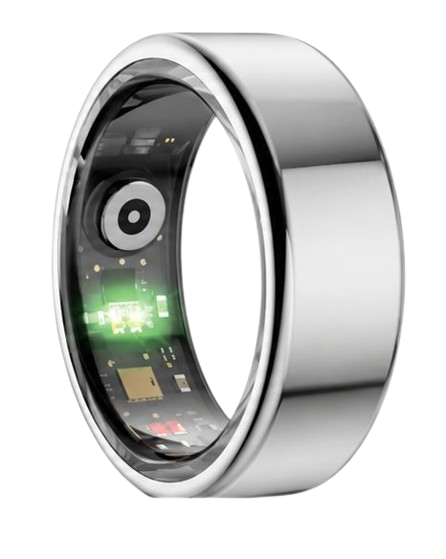
The Herz P1 Smart Ring offers a lightweight, low-profile alternative that fits comfortably around the base of your finger.
This position provides a more reliable reading because the blood vessels in your fingers are closer to the skin’s surface than those in your wrist.
Another common issue with modern wearables is the hidden cost of ongoing monthly app subscriptions.
Some brands charge a monthly fee just to access your own biometric data and sleep analysis.
Team Herz P1 believes you should own your health data, which is why our companion app is completely free for lifetime.
With no subscription fees, you get full access to your sleep stages, HRV trends, and recovery insights forever.
Frequently Asked Questions About Gender Sleep Dynamics
Conclusion: Empowering Your Sleep and Recovery
Understanding how biological sex influences sleep stages, heart rates, and circadian pathways is a powerful tool for your wellness journey.
By replacing generic assumptions with highly accurate, personal biometric insights, you can make lifestyle choices that truly support your body’s recovery.
Ready to monitor your health every day? Explore the Herz P1 Smart Ring and see if it fits your lifestyle. Call: 1-866-479-1629 — our team can help you advise on the correct ring size and set personalized health goals.
Note: Individual results may vary depending on individual health conditions, age, and lifestyle habits. This article is intended for general health reference purposes only.
