
Many people wonder what lying on stomach with head up called, as this common sleeping posture often triggers morning stiffness and sleep disruptions. Our team at Team Herz P1 understands how critical spinal alignment is to your overnight recovery. The Herz P1 Smart Ring continuously monitors your physiological metrics to reveal exactly how your sleeping position impacts your autonomic nervous system.
Built to Last. Save Up to 69% Today.
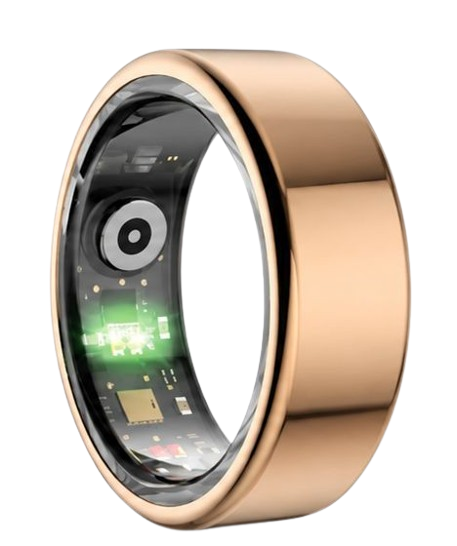
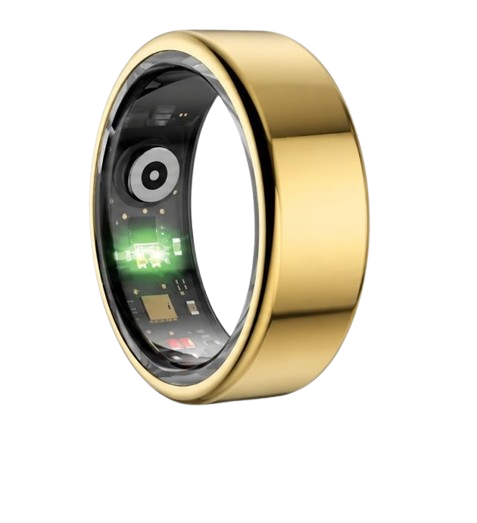
The Herz P1 Smart Ring tracks HRV, Sleep, Heart Rate & SpO2 around the clock. No subscriptions. No renewals. Ever.
In This Article
- Biomechanical Definition: Discover exactly what the prone neck hyperextension posture is and why you adopt it.
- Cervical Spine Impact: Analyze the physiological consequences of sleeping with a hyperextended neck.
- Advanced Biometrics: Learn how a smart ring tracks the microscopic sleep disruptions caused by poor posture.
- Actionable Solutions: Implement targeted adjustments, including specialized pillows and metric-driven tracking, to restore deep recovery.
What Is Lying on Stomach with Head Up Called? The Complete Biomechanical Analysis

Understanding overnight biomechanics is the first critical step toward resolving chronic morning soreness.
If you routinely wake up resting on your chest with your neck tilted backward, you are likely wondering what lying on stomach with head up called in clinical terms.
In the field of sleep medicine and physical therapy, this posture is formally identified as the prone neck hyperextension position.
It is also colloquially referred to by clinicians as the Sphinx posture or a variation of the classic freefall sleeping position.
To fully unpack this posture, we can apply the 5W2H framework to understand its physiological footprint.
What: Prone neck hyperextension refers to a sleep position where the torso lies flat against the mattress while the cervical spine is forced into a backward bend, elevating the skull.
Who: This habit primarily affects chronic front sleepers, individuals with undiagnosed breathing limitations, or those with naturally high physical restlessness.
When: This mechanical adjustment typically occurs during transitions into deep sleep when muscle tone relaxes, causing the body to seek intuitive airway relief.
Where: The primary mechanical stress is concentrated directly on the cervical facets, the upper thoracic vertebrae, and the lumbar curvature of the lower back.
Why: Many sleepers adopt this stance because gravity pulls the abdomen downward, forcing the head up to keep the airway open and prevent suffocation against the mattress.
How: The position functions by actively contracting the deep posterior neck extensors, including the splenius capitis and upper trapezius muscles, during sleep.
How Much: Clinical surveys suggest that approximately 7% to 15% of the global adult population engages in regular lying on stomach postures, frequently leading to sub-optimal recovery scores.
By forcing the head upward, you compromise the natural neutral alignment of your spine, which directly impacts your overall physical comfort.
If you want to track this in real time, the Herz P1 Smart Ring monitors your physical recovery and stress metrics 24/7 — explore it here to see how your body recovers each night.
90-Day 100% Money-Back Guarantee
“The Herz Smart Ring helps me manage stress easily. It’s accurate, stylish, and lightweight—perfect for my busy life!”
— Jennifer P. | ✔ Verified Customer
- ✓ 6-Day Battery Life
- ✓ Detailed Sleep Analysis
- ✓ Fast 1-Hour Charging
- ✓ iOS & Android Ready
Questions? Call: 1-866-479-1629
How Your Sleep Position Affects Your Cervical Spine and Airway Dynamics
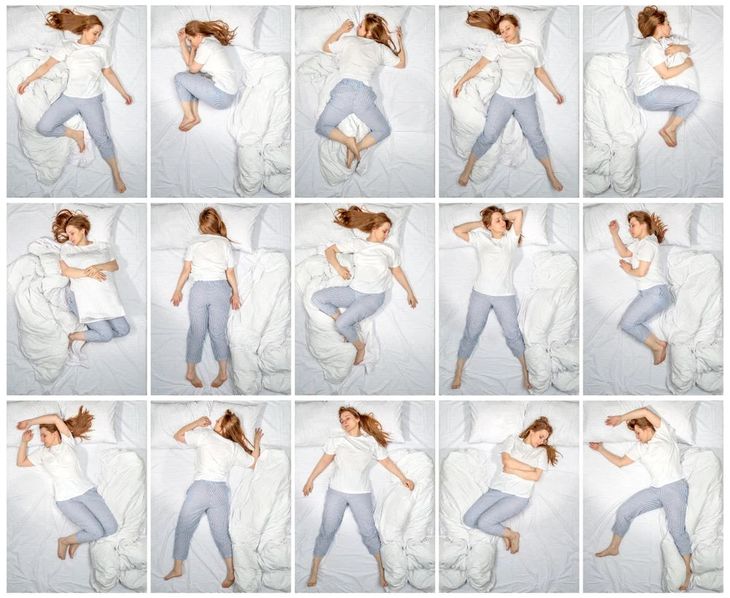
The biomechanics of sleep positions play a profound role in our daily comfort and vitality.
Every night, your musculoskeletal system depends on neutral positioning to decompress from gravity.
When you sleep on your stomach with your head propped up, you force the spine out of its natural curvature.
According to research from the National Sleep Foundation, poor alignment can lead to micro-arousals and localized nerve compression.
Let us look closely at how front sleeping positions strain the intricate structures of your neck and back.
Understanding the Mechanics of Front Sleeping Postures
The human spine has three natural curves that distribute structural loads during sleep.
When you adopt front sleeping postures, the pelvis sinks deeply into the mattress, which increases the lumbar arch.
To breathe, a stomach sleeper must turn their head or prop it up on a thick pillow.
This twist forces the cervical vertebrae to rotate near their mechanical limits for hours.
Over time, this rotation stresses the atlantoaxial joint and the surrounding supportive ligaments.
In contrast, side sleeping or back sleeping keeps the vertebrae in a neutral, relaxed line.
Evaluating your personal sleep position meaning can highlight why you wake up feeling tired.
Your body frequently adapts its shape in bed to manage respiratory resistance or joint tension.
Identifying these adjustments is key to improving your long-term sleep health.
Why Neck and Shoulder Stiffness Occurs
Waking up with a stiff neck is a classic sign of stomach sleeper neck pain.
When the head is propped up and turned, the neck muscles remain in a shortened, tense state all night.
This prolonged contraction limits local blood flow, causing metabolic waste to pool in the muscle tissues.
The levator scapulae and trapezius muscles work overtime to stabilize your elevated head.
When you wake up, these muscles feel tight, restricted, and painful to move.
Additionally, this hyperextension compresses the delicate cervical nerve roots, which can cause tingling down the arms.
Many sleepers switch to this posture to avoid the disadvantages of sleeping on your back, such as snoring.
However, swapping breathing issues for severe neck strain is not a healthy long-term solution.
Understanding these patterns is essential for choosing better sleeping positions that support your recovery.
Biometric Sleep Architecture: How Your Ring Captures Posture-Driven Sleep Disruptions
Your sleep position does more than affect your muscles; it shapes your sleep architecture.
When your body struggles against poor alignment, it triggers subtle physical stress responses.
These responses can be measured through advanced biometrics like Heart Rate Variability (HRV) and Blood Oxygen Saturation (SpO2).
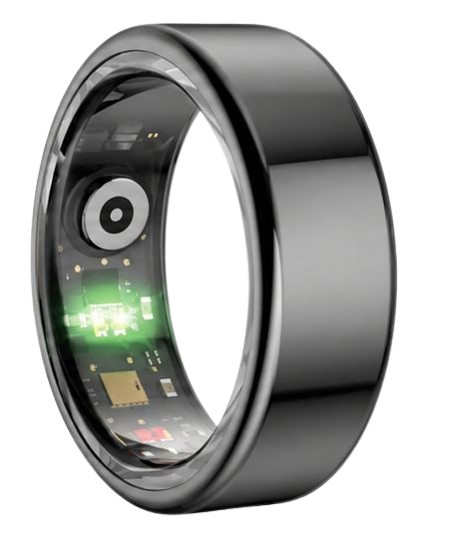
The Herz P1 Smart Ring uses multispectral optical sensors to track these micro-arousals and physical stressors.
When you sleep with your head propped up, the elevated physical strain keeps your sympathetic nervous system active.
This active state prevents your heart rate from dropping to its lowest point, which is necessary for deep cardiovascular recovery.
A lower night-time HRV indicates that your body is spending too much energy dealing with physical discomfort.
The American Heart Association notes that high overnight physical stress can impair cardiovascular recovery.
Additionally, if your airway is partially blocked by neck hyperextension, your blood oxygen level (SpO2) may drop.
The Herz P1 tracks these brief SpO2 dips, giving you a clear view of your airway health.
By monitoring these fluctuations, you can see exactly when and how physical strain disrupts your deep and REM sleep stages.
Optimizing Your Sleep Comfort and Cervical Alignment
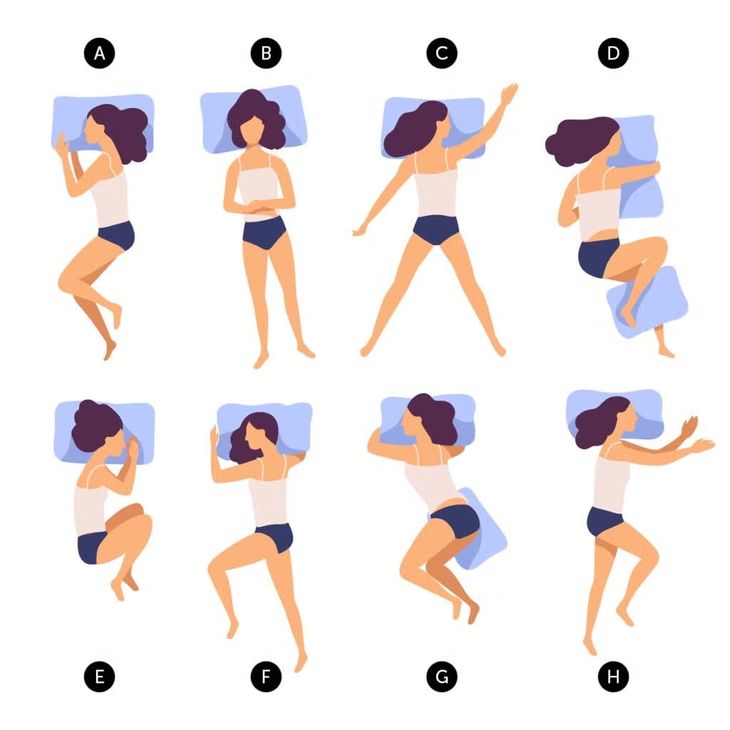
Correcting poor sleep posture requires both physical adjustments and objective data tracking.
You can protect your neck by making simple changes to your sleep environment.
Combining structural support with biometrics helps you build a highly effective recovery routine.
Let us look at practical strategies to align your spine and use your health data effectively.
Choosing the Right Pillows and Sleep Support
If you cannot avoid sleeping on your stomach, your pillow choice is incredibly important.
Standard pillows lift your head too high, which increases neck hyperextension and strain.
Instead, choose an ultra-thin, flat pillow specifically designed for stomach sleepers.
This flat profile keeps your head closer to the mattress, which helps maintain a more neutral cervical spine.
Additionally, you can place a flat pillow under your pelvis to lift your lower back.
This small lift prevents your lower back from sagging, which relieves pressure on your lumbar joints.
Some stomach sleepers find comfort by using a supportive body pillow to transition to side sleeping.
Using a body pillow can also prevent you from shifting into a modified laying on stomach with feet up position.
This dual-pillow setup is a simple, highly effective way to reduce muscle tension and protect your joints.
Using Herz P1 Sleep Data to Improve Your Recovery
Your body provides valuable feedback every night, and tracking this data helps you make smart adjustments.
The Herz P1 Smart Ring companion app translates your overnight biometrics into a simple, personalized Sleep Score.
When you try a new pillow or change your sleep position, you can track the impact on your biometrics in the app.
A higher sleep score, paired with a rising HRV trend, shows that your spine is resting in a more relaxed alignment.
If your deep sleep duration increases, your muscles are getting the rest they need to repair.
Conversely, a sudden drop in your Sleep Score indicates that your body is struggling with postural stress.
The lightweight, sleek ring design fits comfortably on your finger, providing continuous tracking without the bulk of a smartwatch.
This continuous, accurate feedback helps you refine your sleep habits and find the best setup for your body.
Avoiding Common Biometric Wearable Pitfalls and Hidden Subscription Costs
Choosing the right health tracker is just as important as choosing the right sleep posture.
Many health-conscious individuals struggle with bulky smartwatches that get in the way during sleep.
Heavy smartwatches can irritate your wrist and disrupt your natural sleep movements.
Additionally, charging a smartwatch every day is a hassle, and forgetting to charge it leads to gaps in your health data.
Another common issue is the hidden ongoing cost of monthly app subscriptions required by many premium brands.
These recurring subscription fees can add up quickly, raising the total cost of your device over time.
The Herz P1 Smart Ring offers a better, worry-free alternative.
It features a durable, military-grade steel chassis that is both highly protective and incredibly lightweight.
With an IP68 waterproof rating, you can wear it in the shower, pool, or sauna without a second thought.
Most importantly, the Herz P1 companion app is completely free for life, with absolutely no monthly fees.
Backed by a 2-year warranty and a 90-day money-back guarantee, it is a reliable, stress-free tool for your health journey.
Frequently Asked Questions
Conclusion
Understanding the impact of your sleep position is key to enjoying deeper, more restorative rest.
The Herz P1 Smart Ring is your ideal, subscription-free partner for tracking and improving your physical recovery.
Ready to monitor your health every day?
Explore the Herz P1 Smart Ring and see if it fits your lifestyle.
Call: 1-866-479-1629 — our team can help you advise on the correct ring size and set personalized health goals.
