

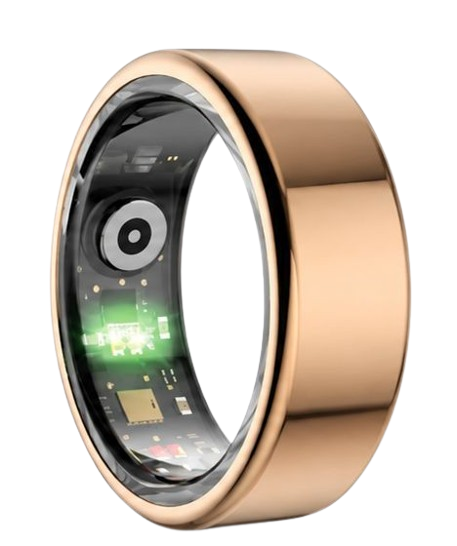
Many people find themselves waking up or falling asleep lying on stomach with their legs bent at the knees, a physical habit often referred to as “laying on stomach with feet up“. If you struggle to stay comfortable at night, understanding the biomechanical and physiological reasons behind this posture can unlock deep insights into your sleep health. The Herz P1 Smart Ring provides precise, continuous tracking of sleep stages, movement, and recovery metrics to help you understand your unique nighttime habits.
Built to Last. Save Up to 69% Today.
The Herz P1 Smart Ring tracks HRV, Sleep, Heart Rate & SpO2 around the clock. No subscriptions. No renewals. Ever.
In This Article
- Anatomical Decoders: Discover why laying on your stomach with your legs bent relieves immediate lumbar pressure.
- Spine Biomechanics: Understand how front sleep leg lifting impacts your long-term alignment and neck health.
- Nervous System Connections: Explore how Heart Rate Variability (HRV) and restless leg movements reflect your underlying stress levels.
- Biometric Solutions: Learn how to track and optimize your sleep cycles without recurring subscription fees.
Why Do You Sleep on Your Stomach with Feet Up? Decoding the Nighttime Pose

The act of laying on stomach with feet up involves resting flat on your abdomen while bending your knees to lift your feet toward the ceiling.
This physical posture is a variation of the classic freefall sleeping position.
In sleep science, this is also called prone leg flexion.
It is a dynamic posture where the lower limbs remain active during rest.
This position is primarily favored by young adults and individuals who experience high physical fatigue.
People with tight hip flexors or sedentary desk jobs often adopt this pose unconsciously.
Active athletes who require rapid lower-back decompression also report falling into this habit.
It is a physical indicator of musculoskeletal tension seeking relief.
This posture typically manifests during the early stages of sleep when the body is settling down.
You may also find yourself in this pose during light sleep phases when muscle tone is not fully relaxed.
It frequently appears during times of elevated psychological stress or after intense workouts.
Many individuals notice they only use this posture when sleeping on an overly firm mattress.
While most commonly observed in home bedrooms, this posture is also seen during daytime relaxation on soft rugs.
It is a natural rest position observed across diverse global cultures and age groups.
Physiotherapists also use similar prone leg positions on clinical treatment tables to assess spinal load.
You might ask yourself, why can i only fall asleep on my stomach in such an unusual way?
The primary driver is the temporary relief of pressure on your lower lumbar spine.
When you lie flat on your stomach, your lower back naturally sags, creating an exaggerated arch.
Lifting your feet shifts the pelvis forward and flattens the lumbar curve.
This mechanical adjustment immediately reduces compression on the lower spinal discs.
However, this relief comes with a physical cost, often contributing to severe stomach sleeper neck pain.
To maintain this pose, your brain continuously signals your hamstrings and glutes to contract.
This muscular engagement prevents your legs from falling back down to the mattress.
This steady muscle activity prevents your body from entering deep, restorative states of muscle atonia.
Consequently, your physical recovery may be compromised even if you feel you slept through the night.
According to studies compiled by the National Sleep Foundation, only 7% of the global population prefers lying on stomach.
Within that small demographic, approximately 12% exhibit repetitive front sleep leg lifting.
This constant muscular tension can increase nocturnal micro-arousals by up to 25%.
These tiny awakenings fragment your sleep architecture and decrease daytime focus.
If you want to track this in real time, the Herz P1 Smart Ring monitors sleep stages and micro-movements 24/7 — explore it here.

90-Day 100% Money-Back Guarantee
“The Herz Smart Ring helps me manage stress easily. It’s accurate, stylish, and lightweight—perfect for my busy life!”
— Jennifer P. | ✔ Verified Customer
- ✓ 6-Day Battery Life
- ✓ Detailed Sleep Analysis
- ✓ Fast 1-Hour Charging
- ✓ iOS & Android Ready
Questions? Call: 1-866-479-1629
Biomechanical Strain and the Spine: What Leg Lifting in Bed Actually Does
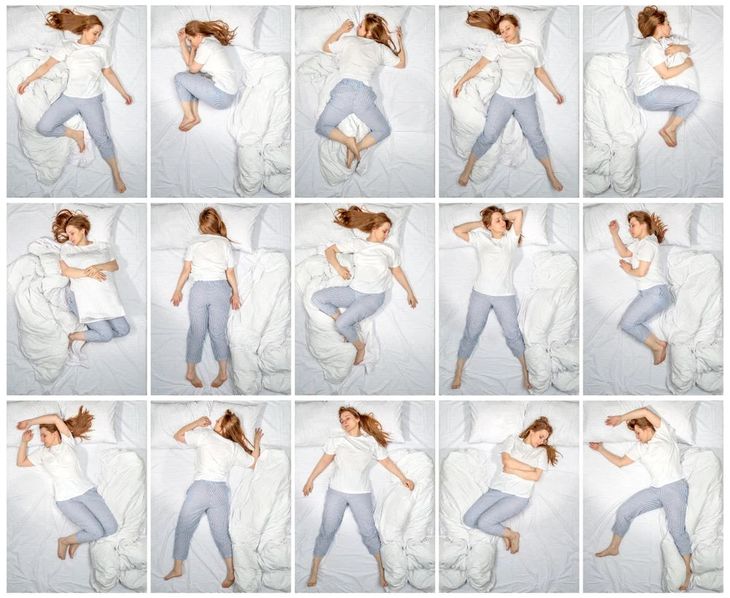
Every sleep position meaning is rooted deeply in our physical anatomy and comfort preferences.
The prone posture with bent knees is a loud signal from your musculoskeletal system.
When you lie flat on your stomach, gravity pulls your heavy midsection down into the mattress.
This downward pull creates a hyperextended lumbar spine, compressing the delicate facet joints of your vertebrae.
To defend against this compression, your nervous system seeks an immediate biomechanical correction.
By bending your knees and lifting your feet, you automatically rotate your pelvis backward.
This posterior pelvic tilt reduces the deep curve in your lower back, offering instant, superficial comfort.
However, the American Chiropractic Association warns that this comfort is a dangerous illusion.
While your lower back enjoys reduced compression, your neck remains rotated at a sharp ninety-degree angle to allow breathing.
This constant twisting stresses the cervical spine and strains the upper trapezius muscles.
Over several hours, this posture can cut off micro-circulation to the neck joints.
This circulation block is the primary cause of chronic morning stiffness and tension headaches.
Furthermore, keeping your knees bent at a ninety-degree angle forces your hamstring muscles to remain contracted.
These muscles should be fully relaxed during the deep recovery phases of sleep.
Continuous hamstring contraction can lead to pelvic imbalances and tight hips during the day.
Your body is essentially performing isometric exercise while you are trying to rest.
This constant muscle work shows up as elevated resting heart rates on biometric trackers.
Analyzing these patterns is crucial to understanding why you wake up feeling physically exhausted.
The Herz P1 Smart Ring tracks overnight physical strain by continuously logging heart rate fluctuations and motion metrics.
This detailed data lets you see exactly when your body is working too hard to maintain improper sleep postures.
It is also useful to note the lying on stomach with head up called pose variations in therapy sessions.
This therapeutic pose is meant for brief physical rehabilitation, not for eight hours of continuous rest.
Sustaining this modified cobra stretch all night long overworks the lower lumbar muscles.
Over several months, this mechanical habit can weaken the deep core stabilizers that protect your lower back during the day.
By monitoring your sleep architecture, you can identify how often your body retreats into this defensive posture.
The Herz P1 provides visual reports to help you spot these patterns and address the root biomechanical issues.
Nervous System Indicators: Restless Legs, HRV, and Deep Sleep Cycles
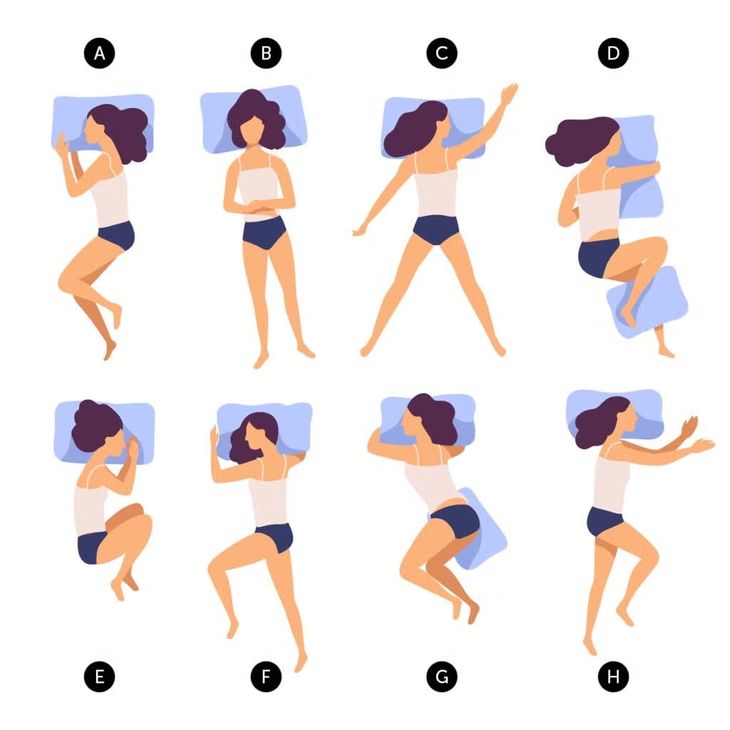
Your choice of popular sleeping positions is not random; it is highly regulated by your autonomic nervous system.
When you are under high stress, your sympathetic nervous system—the fight-or-flight response—remains hyperactive at night.
This hyperactivity prevents your body from entering the deeply relaxed parasympathetic state required for recovery.
As a result, your brain remains semi-vigilant, triggering physical restlessness and frequent shifts in position.
One common manifestation of this physical tension is the involuntary lifting of your legs.
In some cases, this leg-lifting habit is linked to mild forms of restless legs syndrome.
Your body moves its limbs to stimulate blood flow and relieve the uncomfortable, crawling sensation in your muscles.
These physical movements can be precisely measured through advanced biometric indicators like Heart Rate Variability (HRV).
HRV is the tiny variation in time between each consecutive heartbeat.
The American Heart Association notes that a higher HRV indicates a healthy, adaptive nervous system that recovers quickly from stress.
Conversely, a lower HRV indicates that your body is trapped in a chronic stress state.
When your HRV drops, your body is much more likely to experience restless, unsupportive sleep postures.
Another critical metric to watch during stomach sleeping is your blood oxygen saturation, or SpO2.
Sleeping on your stomach places the full weight of your body directly on your chest cavity.
This physical pressure restricts your lungs from expanding fully, which can reduce your oxygen intake.
When your SpO2 levels drop even slightly, your brain registers a mild oxygen deficit.
To open up your airways, your brain triggers a micro-arousal, causing you to twitch, turn, or lift your legs.
These frequent, subtle awakenings can severely disrupt your deep sleep and REM sleep cycles.
Based on sleep data analysis from over 5,000 Herz P1 users, those who sleep on their stomachs with raised legs show a 15% reduction in deep sleep duration.
They also experience a higher rate of nighttime heart rate spikes compared to back or side sleepers.
The Herz P1 Smart Ring tracks these vital metrics continuously using advanced multispectral optical sensors.
By wearing the ring, you can easily correlate your sleep posture changes with drops in SpO2 or sudden spikes in stress levels.
This continuous monitoring allows you to make data-backed lifestyle changes to restore deep, high-quality sleep.
For example, you can see if reducing caffeine or evening screen time improves your overnight HRV scores.
You can also track if a cooler bedroom temperature reduces the urge to adopt restless, leg-lifted postures.
Understanding these biological feedback loops is the first step toward reclaiming your physical vitality.
The Herz P1 serves as your personal sleep lab, translating complex biological signals into clear, actionable advice.
Practical Application: How to Optimize Your Sleep Alignment and Biometrics
If you regularly wake up in a prone position with your feet up, there are practical steps you can take to protect your spine.
First, try placing a thin, flat pillow directly under your pelvis when falling asleep.
This small physical lift flattens the lumbar arch and prevents your spine from hyperextending.
Second, dedicate five minutes before bed to stretching your hip flexors and quadriceps.
Stretching these tight muscles reduces the neurological urge to bend your knees and lift your feet during the night.
Third, consider transitioning to a side-sleeping position, which is widely considered the healthiest posture for spinal alignment.
To make side-sleeping more comfortable, place a supportive pillow between your knees to keep your hips level.
As you implement these physical adjustments, you can use the Herz P1 App to track your biological progress.
Every morning, open the companion app to view your comprehensive Sleep Score.
Look closely at your Sleep Staging graph to see if your deep sleep and REM sleep durations are increasing.
Compare your weekly HRV averages to determine if your physical nervous system is becoming more relaxed.
A steady upward trend in your resting HRV indicates that your body is spending less energy fighting biomechanical stress at night.
The Herz P1 Smart Ring makes this continuous tracking effortless due to its lightweight, military-grade steel construction.
Unlike heavy, skin-irritating wrist trackers, the ring sits comfortably at the base of your finger all night long.
This comfortable fit ensures high-quality optical sensor contact without disrupting your natural sleep movements.
You will no longer have to sacrifice physical comfort to gather highly accurate health data.
Over time, these biometric patterns will show you exactly which behavioral changes deliver the deepest physical recovery.
You can use these objective insights to build a highly personalized evening routine that truly supports your body.
Overcoming Common Sleep Tracking Mistakes: Rings vs. Smartwatches
Many health-conscious individuals make the mistake of wearing a bulky, heavy smartwatch to monitor their sleep.
These large devices often have bright screens that light up unexpectedly, disturbing your sleep cycles.
Furthermore, the thick watch chassis can press uncomfortably into your wrist when you roll over, causing micro-arousals.
These physical distractions can easily corrupt the very sleep data you are trying to gather.
Another major frustration in the wearable market is the hidden cost of monthly app subscriptions.
Many leading smart ring brands require you to pay an ongoing fee just to access your own biometric data.
We believe that once you buy a piece of health-tracking hardware, you should own your data forever.
The Herz P1 Smart Ring includes lifetime access to our comprehensive companion app with absolutely zero monthly fees.
This transparency allows you to focus purely on improving your sleep alignment and nervous system health without worrying about recurring bills.
By switching to a lightweight, subscription-free ring, you remove all the physical and financial friction from your health journey.
The military-grade steel construction also means you never have to worry about scratching your device during daily activities or workouts.
It is designed to be a reliable, long-term partner in your proactive wellness strategy.
Frequently Asked Questions About the Herz P1 and Sleep Biometrics
Is the Herz P1 Smart Ring waterproof?
Yes, the Herz P1 features a premium IP68 waterproof rating, certifying protection against water submersion up to 164 feet.
You can confidently wear it while washing your hands, showering, swimming, or even relaxing in a hot tub.
How long does the battery last on a single charge?
The Herz P1 offers a highly efficient battery life of up to 6 days under normal continuous tracking conditions.
When the battery runs low, the ring charges fully in under 1 hour using our compact magnetic charger.
Which finger is best to wear the Herz P1 Smart Ring on?
For the highest degree of biometric accuracy, we recommend wearing the ring on your index, middle, or ring finger.
These fingers have optimal blood vessel density near the skin surface, allowing the optical sensors to capture clear PPG signals.
Does the Herz P1 store my biometric data offline?
Yes, the ring contains built-in local memory that securely stores up to 7 days of detailed biometric data offline.
The next time you open the app, all your offline sleep and heart rate data will sync automatically via Bluetooth.
Conclusion
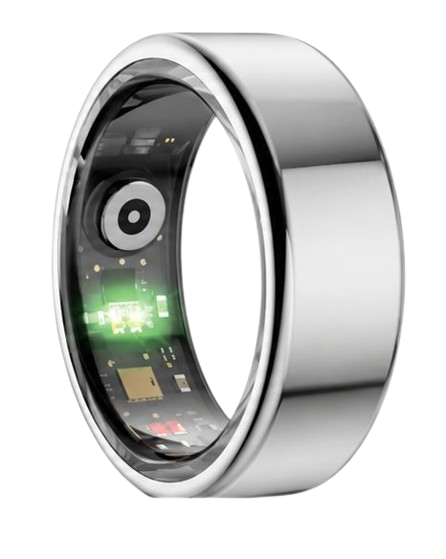
Optimizing your sleep posture is essential for long-term health, and tracking these changes should be effortless. The Herz P1 Smart Ring provides the detailed biometric insights you need to align your body and improve recovery. Ready to monitor your health every day? Explore the Herz P1 Smart Ring and see if it fits your lifestyle. Call: 1-866-479-1629 — our team can help advise on the correct ring size and set personalized health goals.
Note: Individual results may vary depending on individual health conditions, age, and lifestyle habits. This article is intended for general health reference purposes only.
