

Understanding the physiological impact of your freefall sleeping position is critical since clinical data reveals stomach sleeping drastically alters overnight recovery metrics. At Team Herz P1, we believe that tracking posture and stress signals is essential for sleep optimization. Our advanced, subscription-free Herz P1 smart ring monitors sleep architecture with medical-grade precision. This comprehensive guide details the mechanics of this pose and provides key comfort tips for ultimate nighttime rest.
Built to Last. Save Up to 69% Today.
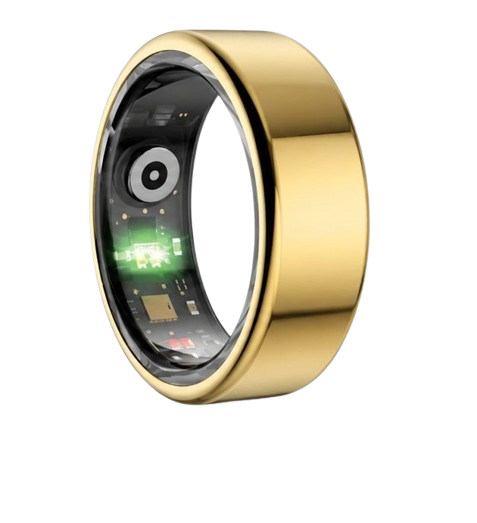
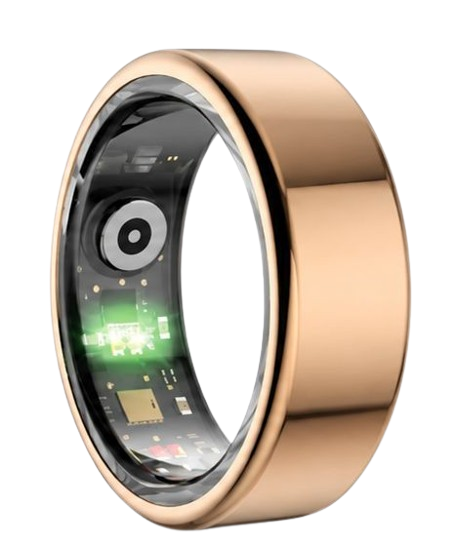
The Herz P1 Smart Ring tracks HRV, Sleep, Heart Rate & SpO2 around the clock. No subscriptions. No renewals. Ever.
In This Article
- Step-by-Step Comfort Guide: Learn exactly how to optimize the freefall sleeping position to prevent alignment issues.
- Cardiorespiratory Physiology: Explore how stomach sleeping influences your heart rate and nighttime blood oxygenation levels.
- Sleep Architecture Secrets: Discover how different postures impact deep sleep stages and rapid eye movement sleep cycles.
- Biometric Tracking Mastery: Find out how smart rings measure sleep architecture and morning recovery trends seamlessly.
- Smart Ring Value Comparison: Understand the hardware and financial benefits of choosing subscription-free wearable devices.
How to Ergonomically Optimize Your Freefall Sleeping Position: A Step-by-Step Comfort Guide
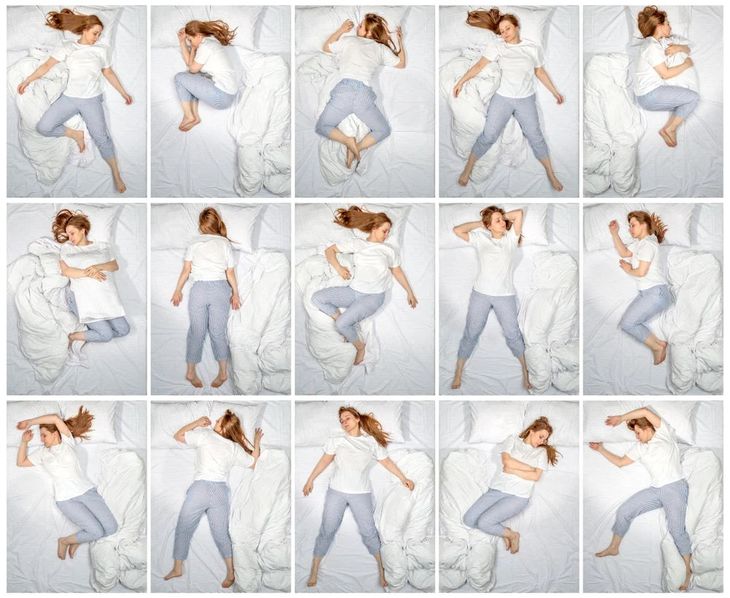
Before you begin optimizing your sleep environment, you will need to gather a few essential tools.
A standard mattress with medium-firm support is highly recommended for stomach sleepers.
You will also need two low-profile pillows designed for flat support.
Lastly, downloading a free health-tracking application like the Herz P1 app will help you monitor your recovery trends.
Step 1: Choose an Ultra-Thin Pillow for Neck Alignment
Your choice of pillow is the most critical factor for preventing morning neck pain.
Standard pillows are too thick and force your cervical spine to bend backward.
This unnatural angle places immense pressure on your neck muscles and upper spine.
Look for a pillow with a thickness of three inches or less.
Memory foam or gel-infused options are excellent because they maintain their flat shape throughout the night.
Consciously placing your head flat on this surface aligns your cervical spine with your mid-back.
This alignment reduces tension on the surrounding ligaments and prevents tension headaches.
If you find yourself waking up with stiffness, your pillow is likely still too high.
Some stomach sleepers choose to sleep without a head pillow entirely to maximize flat alignment.
Experiment with both methods to see which one provides the most relief for your neck.
Step 2: Place a Pelvic Support Pillow to Prevent Lower Back Sagging
Sleeping on your stomach naturally causes your hips to sink deeper into the mattress.
This sinking action creates an excessive arch in your lower lumbar spine.
Over several hours, this posture compresses your spinal discs and leads to chronic back pain.
To counteract this gravity-induced sag, place a thin, flat pillow directly under your pelvis.
This small adjustment elevates your hips and keeps your spine in a neutral position.
You will notice an immediate release of pressure in your lower back muscles.
The pillow should span from your lower abdomen down to your upper thighs.
Ensure this support pillow is also relatively flat to prevent over-correcting your posture.
Using a high-quality memory foam pad for pelvic support works wonders for body weight distribution.
This simple ergonomic trick is a game-changer for dedicated stomach sleepers.
Step 3: Position Your Arms Strategically to Avoid Shoulder Pinching
The classic freefall sleeping position often involves wrapping your arms under your head.
However, this overhead reaching posture can easily pinch the nerves in your shoulder joints.
It also restricts arterial blood flow, causing that frustrating pins-and-needles sensation.
To prevent nerve compression, position your arms out to the sides in a relaxed fashion.
Your elbows should be bent at approximately a ninety-degree angle, resembling goalposts.
Keep your hands level with or slightly below your shoulders to promote open blood circulation.
Avoid tucking your hands under the heavy weight of your chest or pillow.
This posture allows your shoulder blades to rest flat and wide against your rib cage.
By keeping your arms low, you also relieve tension in your upper trapezius muscles.
This small change protects your rotator cuff tendons from overnight wear and tear.
Step 4: Practice Gradual Neck Rotation and Symmetrical Breathing
Since you cannot breathe through your mattress, stomach sleeping requires turning your head.
Keeping your head rotated to one side for eight hours causes severe muscle imbalances.
One side of your neck becomes highly compressed while the opposite side is over-stretched.
To mitigate this risk, train yourself to rotate your head to the opposite side periodically.
You can make this shift each time you wake up slightly during the night.
Consciously practicing this symmetry balances the workload on your cervical muscles.
Ensure your head pillow is positioned to leave your nose and mouth completely unobstructed.
Clear pathways allow for deep, uninhibited diaphragmatic breathing throughout the night.
This deep breathing pattern is essential for triggering your parasympathetic nervous system.
A calm nervous system is the ultimate key to achieving high-quality restorative rest.
Step 5: Execute Gentle Morning Stretching and Decompression Exercises
Waking up from a night in the freefall position requires a careful transition.
Your joints and spinal discs will naturally feel stiff from the prolonged pressure.
Before springing out of bed, take two minutes to perform gentle mobility movements.
Roll onto your back and gently pull your knees toward your chest.
Hold this position while breathing deeply to stretch and decompress your lower spine.
Next, transition into a gentle child’s pose on your mattress to stretch your shoulders.
These low-impact movements stimulate localized blood flow to your cold muscles.
They also lubricate your joints with synovial fluid, reducing morning stiffness.
Taking this time prevents sudden muscle spasms or strains when you stand up.
This mindful morning routine sets a positive, pain-free tone for your entire day.
Monitoring how these specific physical adjustments affect your sleep quality is crucial.
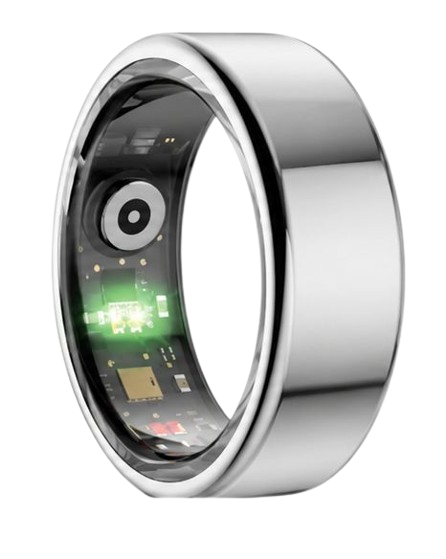
The subscription-free Herz P1 smart ring is designed to track your overnight metrics with extreme precision.
It fits comfortably on your finger and collects continuous biometric data while you sleep.
You can easily analyze your daily sleep score to see which adjustments yield the best results.
Our advanced tracker helps you take control of your sleep health without any ongoing monthly fees.
90-Day 100% Money-Back Guarantee
“The Herz Smart Ring helps me manage stress easily. It’s accurate, stylish, and lightweight—perfect for my busy life!”
— Jennifer P. | ✔ Verified Customer
- ✓ 6-Day Battery Life
- ✓ Detailed Sleep Analysis
- ✓ Fast 1-Hour Charging
- ✓ iOS & Android Ready
Questions? Call: 1-866-479-1629
The Cardiorespiratory Physiology of Stomach Sleeping
Sleeping face down in the freefall pose exerts unique physical forces on your cardiovascular system.
When you lie flat on your chest, your body weight presses directly against your rib cage.
This pressure requires your respiratory muscles to work harder to expand your lungs.
According to research highlighted by the National Sleep Foundation, this chest compression can lead to shallow breathing.
Shallow breathing reduces the volume of fresh oxygen entering your bloodstream during the night.
To compensate for this lower oxygen concentration, your heart rate must increase to deliver oxygen to your vital organs.
This elevated heart rate prevents your cardiovascular system from entering a state of deep rest.
The American Heart Association emphasizes that a lower resting heart rate during sleep is a primary indicator of heart health.
If your heart is constantly working hard to overcome chest pressure, your overall recovery is compromised.
This cardiorespiratory workload also directly impacts your heart rate variability, or HRV.
A healthy body should display high HRV during sleep, reflecting a relaxed nervous system.
However, the physical stress of stomach sleeping can trigger a mild sympathetic, or fight-or-flight, response.
This response lowers your HRV and keeps your body in a state of low-grade stress.
Our Team Herz P1 smart ring features a highly accurate multispectral PPG sensor to monitor these subtle changes.
It tracks your oxygen saturation levels and heart rate variability every five minutes.
By reviewing these trends, you can easily see if the freefall pose is straining your heart.
This data allows you to make informed decisions to protect your long-term cardiovascular wellness.
Sleep Stage Architecture and Postural Disruptions
Your body relies on structured, uninterrupted sleep stages to perform essential physical and mental repairs.
These stages include light sleep, deep slow-wave sleep, and rapid eye movement, or REM, sleep.
When you sleep in an uncomfortable posture, your body experiences frequent micro-arousals.
You may not fully wake up or remember these brief disturbances in the morning.
However, these tiny structural interruptions fragment your sleep architecture and prevent deep recovery.
Deep sleep is the vital stage where your body releases growth hormones and repairs muscle tissue.
If physical discomfort constantly pulls you out of deep sleep, you will wake up feeling chronically fatigued.
Similarly, REM sleep is crucial for cognitive performance, memory retention, and emotional balance.
Postural pain from sleeping on your stomach often shortens your REM cycles.
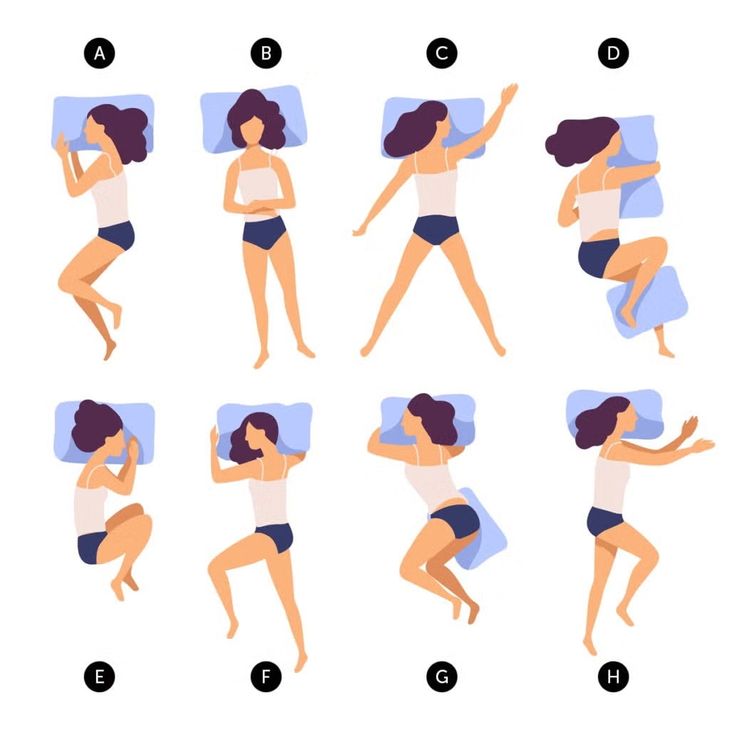
Many people try to understand their sleep by looking into different sleeping positions meaning.
They discover that traditional styles like the cozy fetal position sleep are often highly restorative.
Others find that the straight soldier sleeping position works well but can increase snoring.
Some even prefer the open arm layout of the starfish position to keep their airways clear.
If you prefer a side-lying posture, you might adopt the yearner sleeping position to reduce spine pressure.
Our comprehensive popular sleeping positions guide outlines how these styles affect your joints.
We also offer a dedicated resource on various names of sleeping positions to help you compare.
The Herz P1 smart ring uses advanced sleep staging algorithms to map your sleep phases precisely.
It tracks your movement patterns and physiological changes to identify when you enter deep and REM stages.
This data provides the clear, actionable insights you need to optimize your nighttime recovery.
Leveraging Biometric Insights to Refine Your Daily Recovery Routine

Tracking your biometric data is only useful if you can apply those insights to your daily habits.
The Herz P1 companion app translates complex biological signals into a simple, daily sleep score.
This score ranges from zero to one hundred, giving you a quick snapshot of your recovery.
If your sleep score is low after a night in the freefall pose, check your restless movement logs.
A high frequency of tossing and turning suggests your joints were under physical stress.
You can use this direct feedback to adjust your pillow placement or mattress firmness.
The app also monitors your daily autonomic stress level by analyzing your heart rate variability.
High daytime stress often carries over into your sleep, causing physical tension in your muscles.
To help you unwind, the Herz P1 app features guided, science-backed breathing exercises.
Practicing these slow breathing techniques before bed can lower your heart rate and prepare your body for rest.
Wearing our smart ring around the clock allows it to build a highly accurate physiological baseline for you.
The ring is crafted from lightweight, military-grade steel and features a smooth, hypoallergenic inner band.
Unlike bulky smartwatches, you will barely notice it on your finger while you rest or exercise.
You can use these baseline trends to intelligently manage your daily workout intensity.
If your recovery metrics are low, it is best to focus on light stretching rather than heavy training.
This proactive approach prevents injuries and supports your body’s natural recovery processes.
By bridging the gap between your day and night, you can achieve a higher quality of life.
Overcoming the Risks and Disadvantages of Traditional Sleep Trackers
Many individuals rely on heavy, wrist-worn smartwatches to monitor their sleep habits.
However, these bulky devices often interfere with your natural sleeping movements.
Stomach sleepers in the freefall position frequently find that a large watch presses painfully against their face.
The rigid edges of a smartwatch can also catch on bedsheets, causing abrupt, unwanted awakenings.
Additionally, smartwatches require frequent charging, often leaving you without tracking during crucial sleep cycles.
Another major drawback in the consumer wearable market is the hidden cost of subscription fees.
Several prominent smart ring manufacturers lock your personal health data behind a monthly paywall.
We believe that you should never have to pay a recurring fee to view your own biological data.
The Herz P1 app is completely free for a lifetime, with no subscription requirements whatsoever.
You make a single purchase for the premium ring, and you gain unlimited access to the tracking app forever.
This transparent pricing model saves you substantial money while delivering clinical-grade accuracy.
Our ring is engineered from military-grade steel and carries an IP68 waterproof rating.
This rugged design ensures it can withstand daily drops, scratches, and water depths up to 164 feet.
We also back our high-quality craftsmanship with an industry-leading 2-year warranty.
To ensure your complete satisfaction, we offer a generous 90-day money-back guarantee.
This combination of durability and customer protection makes the Herz P1 a truly risk-free investment.
Frequently Asked Questions About the Herz P1 Smart Ring
Is the Herz P1 smart ring completely waterproof?
Yes, the Herz P1 carries a certified IP68 waterproof rating.
This rating ensures the ring is completely protected against water entry at depths up to 164 feet.
You can safely wear it while swimming in pools, taking hot showers, or washing your hands.
The durable steel chassis and sealed internal electronics are built to survive continuous moisture exposure.
How long does the battery last on a single charge?
The Herz P1 features an advanced lithium battery that lasts up to 6 days on a single charge.
This long battery life includes continuous 24/7 heart rate, sleep, and HRV monitoring.
When the battery runs low, the ring charges to 100% in under 1 hour.
This fast-charging capability means you spend less time waiting and more time tracking.
Which finger is the best option for wearing the Herz P1?
We recommend wearing the smart ring on your index, middle, or ring finger.
These fingers have the most prominent blood vessels near the skin, ensuring highly accurate sensor readings.
The ring should fit snugly but comfortably enough to slide over your knuckle without excessive resistance.
You can wear it on either hand based on your personal preference and daily activity style.
Does the Herz P1 store my health data offline?
Yes, the Herz P1 smart ring features 7 days of secure local offline storage.
If your phone is offline or out of Bluetooth range, the ring continues to log your biometrics.
All stored data will automatically sync to your smartphone dashboard as soon as you open the app.
This offline storage ensures you never lose valuable trend data during travel or outdoor adventures.
Conclusion
Optimizing your freefall sleeping position is the first step toward pain-free nights and energized mornings.
The Herz P1 smart ring is your ultimate subscription-free health companion.
Ready to monitor your health every day?
Explore the Herz P1 Smart Ring and see if it fits your lifestyle.
Call: 1-866-479-1629 — our team can help you advise on the correct ring size and set personalized health goals.
