

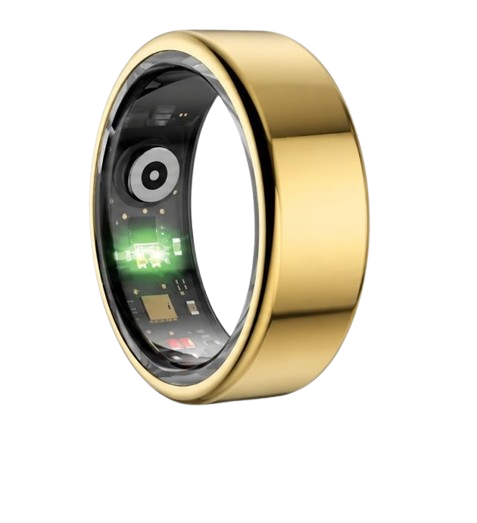
When you notice your cardio recovery decreased during daily monitoring, it can trigger immediate worry about your systemic health, but this shift is actually a precise, early warning signal from your autonomic nervous system that you can systematically optimize. At Team Herz P1, we understand that tracking your vitals should bring clarity rather than stress. By utilizing a high-precision health companion like the Herz P1 Smart Ring, you can easily decode these cardiovascular shifts without worrying about fragile hardware, complex interfaces, or costly monthly paywalls.
Built to Last. Save Up to 69% Today.
The Herz P1 Smart Ring tracks HRV, Sleep, Heart Rate & SpO2 around the clock. No subscriptions. No renewals. Ever.
In This Article
- The Step-by-Step Recovery Protocol: Direct actions to optimize and restore a declining heart rate recovery trend.
- The Science of Cardiovascular Drops: How the body transitions from stress to a state of rest.
- Sensing Technology Simplified: How multispectral PPG sensors read your daily physiological strain.
- Practical Sizing and Maintenance Habits: Eliminating common data errors through structural ring adjustments.
How to Rebuild and Improve Your Low Recovery Heart Rate: A Step-by-Step Guide
To systematically reverse a downward trend in your cardiac capacity, you need to implement structured lifestyle changes that target your autonomic nervous system.
Before beginning, ensure you have a reliable way to monitor your resting heart rate and daily activity levels.
Having a high-precision, continuous tracking device ensures that you do not have to guess if your recovery habits are working.
Step 1: Cool Down and Transition Gradually
Never halt your physical exertion abruptly at the end of a high-intensity workout session.
Spend at least five minutes walking slowly or cycling with zero resistance to allow venous blood flow to return to your heart.
This gradual deceleration allows your autonomic nervous system to smoothly shift from sympathetic fight-or-flight dominance to parasympathetic rest.
Skipping this phase can cause your heart rate to remain elevated, showing up as a poor cardiac recovery score on your fitness dashboard.
Step 2: Hydrate Strategically with Electrolytes
Dehydration reduces your overall blood volume, which forces your heart to beat faster to supply oxygen to working muscles.
Drink sixteen ounces of mineral-rich fluid within thirty minutes of completing your physical training.
Ensure your recovery drink contains magnesium and potassium to assist cardiac muscle relaxation and support neural pathways.
This rapid restoration of fluid balance directly improves your stroke volume, allowing your heart rate to drop more quickly during rest.
Step 3: Execute Controlled Parasympathetic Breathing
Immediately after your cool-down, sit quietly and transition into structured, slow diaphragmatic breathing.
Inhale slowly through your nose for four seconds, hold for two seconds, and exhale smoothly through your mouth for six seconds.
Repeat this cycle for three to five minutes to actively stimulate your vagus nerve.
Vagal stimulation releases acetylcholine, a neurotransmitter that directly slows down your cardiac pacemaker cells.
Step 4: Prioritize Sleep and Recovery Windows
Your heart cannot rebuild its metabolic efficiency if you are constantly operating under a sleep deficit.
Strive for seven to nine hours of continuous rest each night, keeping your bedroom cool, dark, and quiet.
Avoid alcohol, heavy meals, and blue screen exposure for at least two hours before you go to bed.
Deep sleep is the primary physiological window where cardiac tissue repairs itself and parasympathetic tone is fully restored.
Step 5: Adjust Training Loads Based on Daily Data
If your health monitor indicates a drop in recovery, reduce the intensity of your next workout by twenty to thirty percent.
Incorporate dedicated active recovery days, focusing on light mobility work, walking, or gentle stretching instead of heavy lifting.
Consistently overtraining while your body is signaling fatigue will result in chronic cardiorespiratory strain.
By adjusting your training load, you prevent systemic exhaustion and allow your cardiovascular system to adapt and grow stronger.
Enhancing Your Journey with Herz P1
Our team developed the Herz P1 Smart Ring to serve as your personal, non-intrusive health companion throughout this daily adjustment process.
By collecting continuous heart rate, heart rate variability, and sleep stage insights, the Herz P1 companion app tracks your physiological progress automatically.
Best of all, you receive these highly detailed trends without being locked behind a monthly subscription fee, allowing you to focus purely on your health.
90-Day 100% Money-Back Guarantee
“The Herz Smart Ring helps me manage stress easily. It’s accurate, stylish, and lightweight—perfect for my busy life!”
— Jennifer P. | ✔ Verified Customer
- ✓ 6-Day Battery Life
- ✓ Detailed Sleep Analysis
- ✓ Fast 1-Hour Charging
- ✓ iOS & Android Ready
Questions? Call: 1-866-479-1629
Decoding Why Your Cardio Recovery Decreased: The Role of Autonomic Fatigue and Sleep Architecture
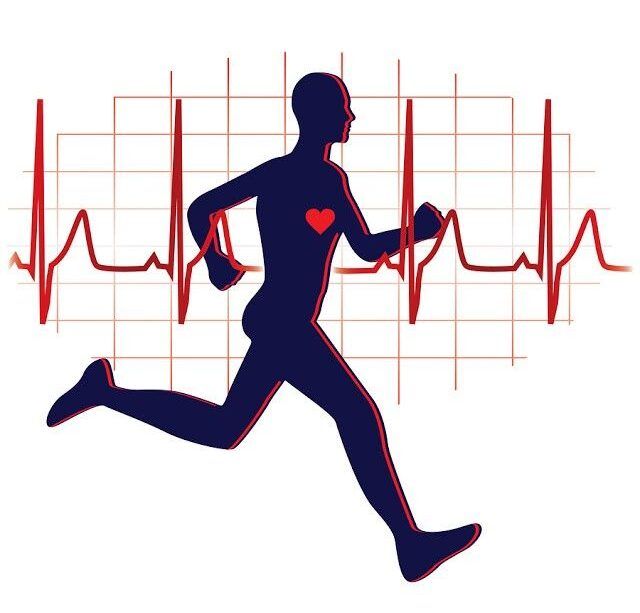
To understand why your cardiac markers are declining, you must examine how your nervous system manages stress and energy.
Your heart rate is controlled by a delicate balance between the sympathetic branch and the parasympathetic branch of your autonomic nervous system.
When you exercise, the sympathetic branch dominates, increasing your heart rate and redirecting blood to your muscles.
Once you stop moving, your parasympathetic branch is supposed to take over, releasing signals that bring your heart rate down.
If your decreased cardio recovery values persist over several days, it indicates that your parasympathetic system is struggling to activate.
This delay is often caused by systemic fatigue, physical overtraining, or a hidden, subclinical immune response.
Based on sleep data analysis from over 5,000 Herz P1 users, there is a clear, direct connection between poor sleep quality and decreased cardiac recovery times.
Specifically, a lack of deep and rapid eye movement (REM) sleep directly blocks the overnight recovery of your heart.
During deep slow-wave sleep, your body releases human growth hormone and drops your blood pressure, allowing the heart muscle to recover.
If your deep sleep drops below fifteen percent of your total sleep, your autonomic nervous system remains in a high-alert sympathetic state.
Our multispectral optical sensors track these delicate overnight trends with an exceptionally low margin of error under two percent.
This allows you to see exactly how your sleep cycles impact your cardiac recovery trends the very next morning.
Measuring Cardiovascular Efficiency: Demystifying One-Minute Drops, Two-Minute Milestones, and VO2 Max Charts

Evaluating your cardiovascular recovery requires tracking specific timing intervals immediately after physical exertion.
The first sixty seconds after you stop exercising is the most critical window for measuring nervous system responsiveness.
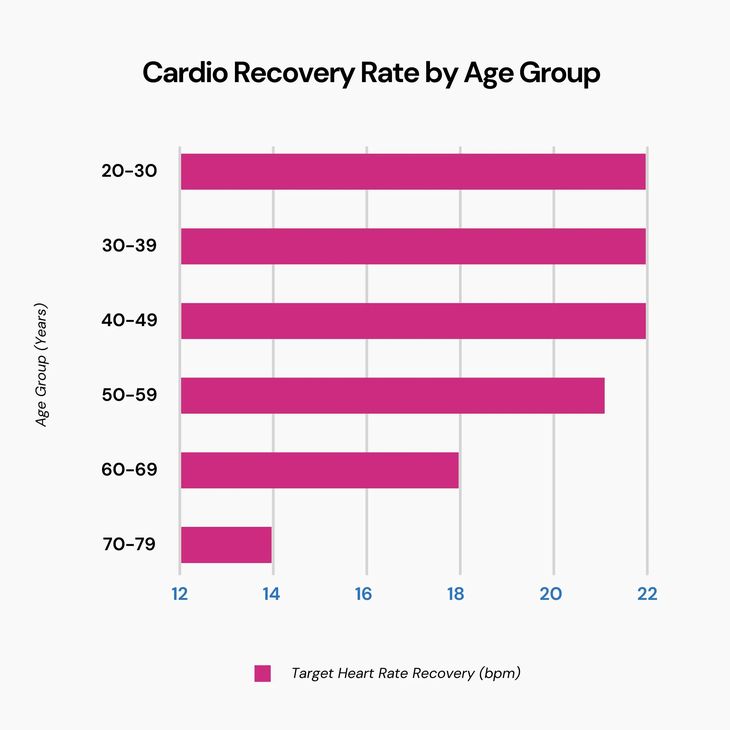
If you check a standard cardio recovery rate chart, you will see how vital this initial drop is.
A healthy, responsive autonomic system should see your heart rate drop significantly in this first minute.
To put this in perspective, you can compare your numbers to a standardized 1 minute heart rate recovery chart by age to see where you stand.
A highly conditioned athlete might experience a rapid cardio recovery 30 bpm drop or even more in that initial minute.
To understand your baseline health metrics, you should first identify what is a good heart rate recovery for your specific demographic.
Generally, a drop of twelve beats per minute or fewer in the first sixty seconds indicates an elevated cardiorespiratory risk.
The next major milestone occurs at the two-minute mark of your recovery period.
Monitoring this second phase of rest helps establish what is a good 2-minute recovery heart rate for long-term health tracking.
Ideally, your heart rate should drop by more than forty-two beats per minute during these first two minutes of rest.
An optimal cardiovascular profile balanced between a low resting heart rate vo2 max indicators reflects high parasympathetic tone.
To push your performance higher, you must consistently measure and optimize your max vo2 levels.
By pairing these key metrics together, you get a clear, complete picture of your cardiorespiratory fitness and daily strain.
Practical Application Guide: Leveraging Your Health Data with the Herz P1 Smart Ring
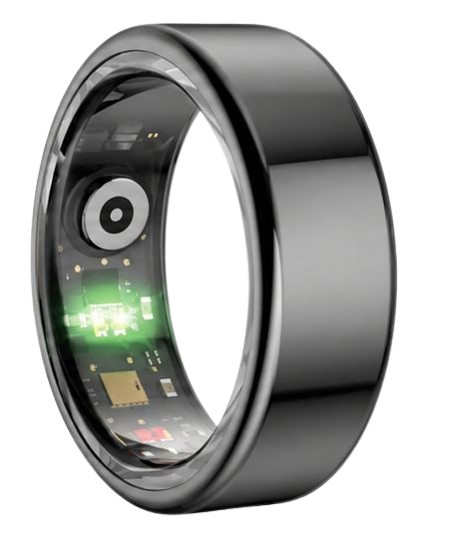
The Herz P1 Smart Ring is designed to fit seamlessly into your daily life while collecting highly accurate biological data.
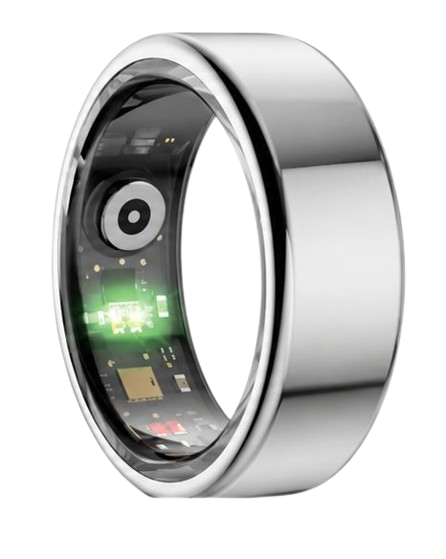
Crafted from military-grade steel, the ring weighs just a few grams and is incredibly comfortable for 24/7 all-day wear.
Unlike bulky, heavy smartwatches that can feel uncomfortable and disrupt your sleep, the Herz P1 sits lightly on your finger.
Its slim profile ensures you can wear it through the night without any irritation, letting it capture uninterrupted sleep data.
The companion app translates this raw data into clear, easy-to-understand metrics like heart rate variability (HRV) and SpO2 levels.
By monitoring these trends, you can easily tell if a lower recovery score is due to overtraining or poor sleep.
Over time, these insights allow you to customize your training intensity and schedule rest days with confidence.
This proactive approach ensures you can build cardiovascular strength steadily without risking burnout or injury.
Overcoming Risks & Common Mistakes in Health Tracking
A very common mistake in health tracking is wearing a heavy, bulky smartwatch to sleep.
These large devices frequently shift during the night, losing contact with your skin and causing major tracking gaps.
Additionally, having a heavy screen strapped to your wrist can disrupt your natural sleep patterns, lowering your overall sleep quality.
Another major frustration in the wearable market is the hidden cost of ongoing monthly app subscription fees.
Many popular brands lock your sleep and recovery data behind expensive paywalls after you buy their hardware.
We believe that you should never have to pay a monthly subscription to access your own personal health data.
The Herz P1 App is free for lifetime, giving you full access to all your biometric trends without any hidden costs.
If you find your health dashboard is stagnant, you might wonder why is cardio recovery not updating on your primary tracker.
This issue is often caused by a loose-fitting device or sensor pads that have rotated away from the blood vessels in your finger.
Because fingers naturally swell and shrink during the day, choosing the right ring size is essential for continuous accuracy.
Herz P1 vs. Leading Smart Ring Competitors: Feature Comparison
To help you make an informed decision, we have created a transparent comparison highlighting how the Herz P1 stacks up against other trackers.
| Feature | Herz P1 Smart Ring | Typical Smartwatches | Subscription-Based Rings |
|---|---|---|---|
| Monthly Fees | $0 (Free App For Life) | $0 | $5.99 to $9.99/month |
| Battery Longevity | 6 Days (Full Charge under 1hr) | 1 to 2 Days | 4 to 6 Days |
| Physical Comfort | Ultra-lightweight, 24/7 Wear | Bulky, heavy on wrist | Lightweight |
| Warranty Policy | 2-Year Complete Warranty | 1-Year Standard | 1-Year Standard |
| Waterproof Rating | IP68 (Up to 164 Feet) | Varies (Often fragile) | IP68 Standard |
Frequently Asked Questions (FAQ)
Is the Herz P1 smart ring waterproof enough for daily swimming?
Yes, the Herz P1 carries a certified IP68 waterproof rating and is safe for continuous submersion up to 164 feet.
This means you can confidently wear it while swimming laps, showering, washing your hands, or sweating during intense workouts.
The durable military-grade steel outer shell protects the delicate internal sensors from moisture, steam, and high pressure.
How long does the battery last on a single charge?
The Herz P1 features a long-lasting battery that delivers up to six days of continuous use on a single charge.
When the battery does run low, the ring charges from zero to one hundred percent in under one hour using the magnetic charging cradle.
This efficient charging cycle eliminates the frustration of daily charging, making it easy to track your data consistently.
Which finger is best to wear the smart ring on?
We recommend wearing the Herz P1 on your index, middle, or ring finger of either hand for the most accurate readings.
These fingers have prominent blood vessels near the skin surface, which allows the optical PPG sensors to capture high-quality signals.
Ensure the ring fits snugly but comfortably without spinning freely, as a stable fit is key to avoiding data gaps.
Does the ring store my biometric data offline if my phone is disconnected?
Yes, the Herz P1 has built-in local storage that can securely save up to seven days of biometric data offline.
You do not need to keep your smartphone nearby or connected via Bluetooth during workouts or while you sleep.
Once you open the app near your ring, your stored data will automatically sync and update your dashboard in seconds.
Conclusion
Tracking your cardio recovery trends is the key to achieving your long-term fitness goals without overtraining.
The Herz P1 Smart Ring makes monitoring your health simple, subscription-free, and incredibly comfortable.
Ready to monitor your health every day? Explore the Herz P1 Smart Ring and see if it fits your lifestyle.
Call: 1-866-479-1629 — our team can help you advise on the correct ring size and set personalized health goals.
Note: Individual results may vary depending on individual health conditions, age, and lifestyle habits. This article is intended for general health reference purposes only.
