

Monitoring your cardiovascular health is essential for longevity, and understanding what is a good heart rate recovery is a reliable way to assess your autonomic nervous system. The Herz P1 Smart Ring lets you track your heart rate, sleep quality, and daily stress effortlessly with no monthly fees. In this guide, we will analyze what is a good 2-minute recovery heart rate to help you optimize your health.
Built to Last. Save Up to 69% Today.
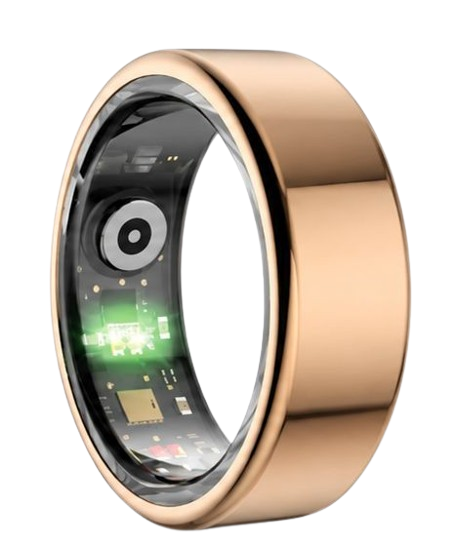
The Herz P1 Smart Ring tracks HRV, Sleep, Heart Rate & SpO2 around the clock. No subscriptions. No renewals. Ever.
In This Article
- Understanding Heart Rate Recovery: How the body transitions from exertion to rest.
- The 2-Minute Recovery Benchmark: Defining normal, good, and athletic physiological drops.
- Autonomic Nervous System Insights: The delicate balance of sympathetic and parasympathetic states.
- Optimization Protocols: Actionable strategies to build cardiovascular resilience.
What is a Good 2-Minute Recovery Heart Rate? Understanding Your Cardio Health
Your two minute recovery heart rate is the measurement of how quickly your heart rate drops within two minutes after you stop performing vigorous physical exercise.
This metric serves as a direct indicator of your cardiorespiratory fitness and autonomic nervous system efficiency.
Physiologically, a rapid decline in your heart rate indicates a robust vagal tone and a healthy heart that recovers quickly from stress.
According to clinical standards established by the American Heart Association, a 2-minute recovery heart rate normal range is typically a drop of 22 to 52 beats per minute (BPM).
If your heart rate drops by more than 52 BPM in those first two minutes, you are considered to have an excellent level of cardiovascular conditioning.
Conversely, if your heart rate drops by fewer than 22 BPM, it may indicate that your cardiovascular system is working under excessive strain.
This test can be performed anywhere you exercise, whether you are running outdoors, cycling in a gym, or performing high-intensity interval training at home.
It is important to track this metric consistently because changes in your recovery speed can warn you of chronic fatigue, dehydration, or potential overtraining.
A poor recovery rate over a sustained period of time is often a sign of high biological stress or systemic inflammation.
Your age, physical fitness level, and sleep quality all play a major role in determining your specific recovery capacity.
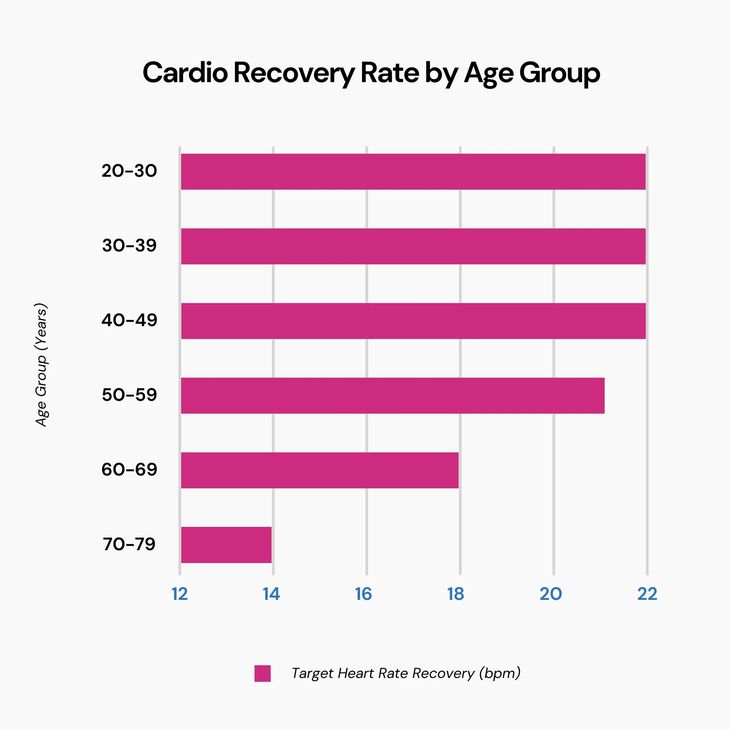
To understand how your individual recovery patterns correlate with different workout intensities, you can consult a comprehensive cardio recovery rate chart for a detailed breakdown.
This chart provides clear context based on different fitness levels so you can set realistic recovery milestones.
If you want to track this in real-time without manual stopwatches, the Herz P1 Smart Ring monitors your cardiovascular recovery metrics 24/7 — explore it here.
90-Day 100% Money-Back Guarantee
“The Herz Smart Ring helps me manage stress easily. It’s accurate, stylish, and lightweight—perfect for my busy life!”
— Jennifer P. | ✔ Verified Customer
- ✓ 6-Day Battery Life
- ✓ Detailed Sleep Analysis
- ✓ Fast 1-Hour Charging
- ✓ iOS & Android Ready
Questions? Call: 1-866-479-1629
The Autonomic Symphony: How Your Nervous System Regulates Recovery
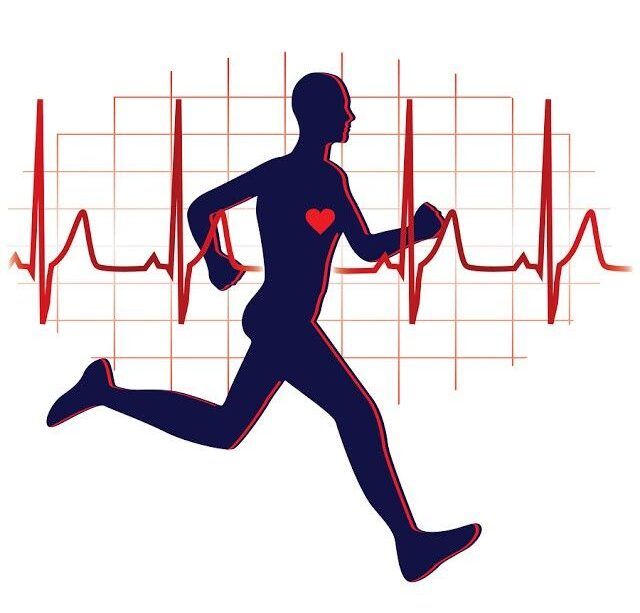
Sympathetic Withdrawal and Parasympathetic Activation During Recovery
When you begin to exercise, your sympathetic nervous system triggers the “fight-or-flight” response to increase your heart rate and deliver oxygen to working muscles.
Once you stop exerting yourself, your body must rapidly shift back into a “rest-and-digest” state dominated by the parasympathetic nervous system.
This transition relies heavily on the vagus nerve, which releases acetylcholine to slow down the electrical pacemaker of your heart.
The speed at which this shift occurs determines your two minute recovery heart rate.
If you notice that your cardio recovery decreased over several consecutive workouts, it is a clear sign that your parasympathetic nervous system is struggling to activate.
This failure to recover is often caused by lack of sleep, emotional stress, or inadequate recovery time between intense training sessions.
A sluggish response means your body remains in a state of high physiological strain long after your workout has officially ended.
By tracking this shift daily, you can identify the exact threshold where your training becomes counterproductive to your cardiorespiratory health.
Our engineering team designed the Herz P1 Smart Ring to continuously log these subtle autonomic fluctuations so you can adjust your training intensity accordingly.
Evaluating Recovery Benchmarks with Clinical Charts and Aging
As we age, our cardiovascular elasticity and autonomic responsiveness naturally begin to decline.
This physiological change directly impacts how quickly our heart rate can return to baseline after an intense workout.
For instance, a younger athlete might easily achieve a cardio recovery 30 bpm drop within the very first minute of stopping exercise.
However, an older individual or someone recovering from an illness might experience a much slower drop during the same timeframe.
To understand where you stand relative to your peers, it is highly useful to check a validated 1 minute heart rate recovery chart by age.
This comparison allows you to differentiate between normal age-related declines and genuine warning signs of overtraining.
Monitoring both the one-minute and two-minute recovery marks gives you a complete picture of your heart’s resilience.
If your heart rate fails to drop significantly, it suggests your cardiovascular reserve is depleted.
Consistent tracking of these benchmarks is the most reliable way to monitor your long-term aerobic conditioning progress.
The Herz P1 Smart Ring simplifies this process by automating the collection of your recovery heart rate metrics without requiring manual stopwatch tracking.
The Relationship Between Resting Heart Rate, HRV, and VO2 Max
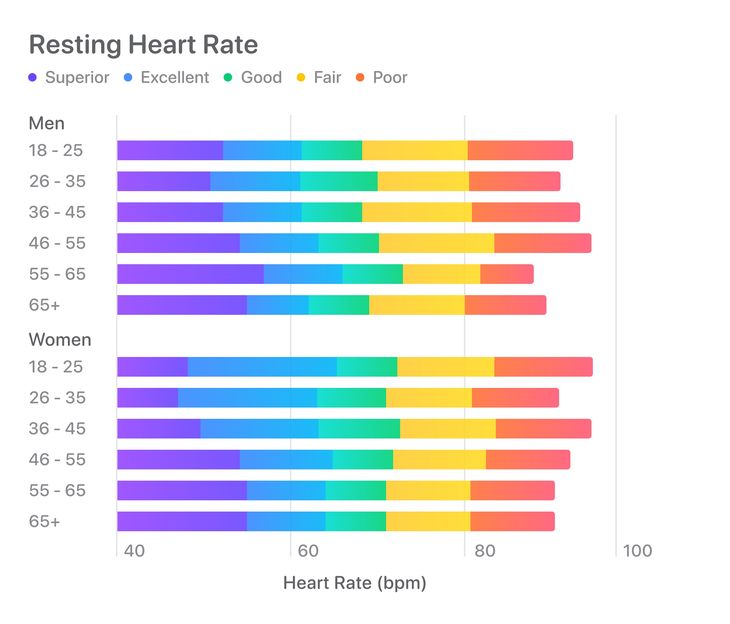
Your 2-minute recovery heart rate is closely linked to other vital cardiovascular indicators such as your resting heart rate and Heart Rate Variability (HRV).
A highly conditioned athlete typically possesses a lower resting heart rate and a higher overall HRV score.
These characteristics are strongly correlated with a high aerobic capacity, which is measured clinically as your resting heart rate vo2 max score.
When you improve your aerobic efficiency, your heart becomes a more powerful pump that requires fewer beats to deliver the same volume of oxygenated blood.
As a result, your heart can return to its resting state much faster after you complete an intense cardiovascular workout.
Understanding your max vo2 levels can help you design targeted training zones to maximize your recovery rate over time.
The Herz P1 Smart Ring tracks your resting heart rate, active HRV, and blood oxygen levels around the clock to give you a complete wellness overview.
By analyzing these metrics in unison, our advanced algorithm helps you determine when your body is fully prepared for another challenging physical effort.
This proactive approach prevents the chronic fatigue that often leads to injuries and long-term athletic setbacks.
How to Measure and Improve Your Recovery Metrics with Herz P1
To accurately measure your two-minute recovery heart rate, you must follow a structured testing protocol immediately after a strenuous workout.
Once you reach your peak exercise intensity, stop moving immediately and sit down in a comfortable, quiet space.
Record your heart rate at the exact moment you stop exercising, and then record it again precisely two minutes later.
Subtract the second number from the first number to determine your total recovery drop in beats per minute.
To help you interpret these numbers, we have compiled a reference guide based on standard fitness evaluations.
| Recovery Level | 1-Minute Drop (BPM) | 2-Minute Drop (BPM) |
|---|---|---|
| Poor / Under Strain | Fewer than 12 BPM | Fewer than 22 BPM |
| Average / Normal | 12 to 20 BPM | 22 to 39 BPM |
| Good / Fit | 21 to 30 BPM | 40 to 52 BPM |
| Excellent / Athletic | More than 30 BPM | More than 52 BPM |
If your results place you in the average or poor categories, there are several lifestyle habits you can adopt to boost your recovery performance.
Prioritizing consistent hydration is one of the fastest ways to increase blood volume and support efficient cardiovascular function during and after exercise.
In addition, aiming for seven to nine hours of high-quality sleep each night allows your autonomic nervous system to fully restore its baseline balance.
Incorporating regular zone-2 aerobic base training into your weekly fitness routine will also strengthen your heart muscle over time.
As your cardiovascular endurance improves, you will notice your heart rate dropping much faster during the crucial two-minute recovery window.
The lightweight design of the Herz P1 Smart Ring makes it comfortable to wear 24/7, ensuring you never miss a recovery trend during intense training or overnight rest.
By viewing these historical trends on our subscription-free mobile application, you can easily track your progress as your cardiovascular conditioning reaches new heights.
Avoiding Common Pitfalls in Heart Rate and Recovery Tracking
Many fitness enthusiasts make critical mistakes when tracking their recovery data, which leads to unnecessary anxiety or false security.
One common error is performing your recovery test while standing up or walking around immediately after your workout.
Standing requires active muscle contraction, which forces your heart to continue pumping blood at a higher rate to fight gravity.
To ensure consistency, you should always sit quietly during the entire two-minute measurement period.
Another major mistake is comparing your daily recovery metrics to other people rather than focusing on your own baseline trends.
Cardiovascular metrics are highly individual and are influenced by genetic factors, physical anatomy, and underlying health conditions.
Furthermore, many users experience frustration when their smart devices do not seem to update their cardiovascular metrics dynamically.
The Downside of Bulky Wrist Trackers During Rest and Activity
While smartwatches have become incredibly popular, their bulky design presents a major obstacle for accurate cardiovascular monitoring.
Heavy wrist-based trackers frequently shift during sleep or intensive exercise, which breaks the contact between the optical sensor and your skin.
This movement creates physical gaps that allow ambient light to interfere with the delicate Photoplethysmography (PPG) sensors.
The resulting sensor noise can severely distort your heart rate readings, leading to highly inaccurate recovery calculations.
Additionally, wearing a large, rigid smartwatch to bed can feel highly uncomfortable and actively disrupt your natural sleep architecture.
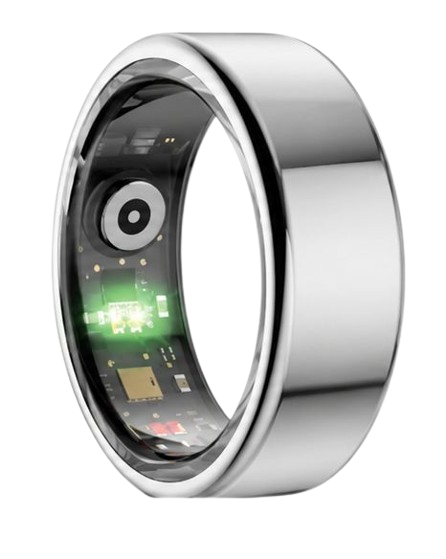
In contrast, the Herz P1 Smart Ring is crafted from ultra-lightweight, military-grade steel that contours perfectly to your finger.
The ring’s inner sensors remain in constant, secure contact with the dense capillary network at the base of your finger.
This stable placement ensures clinical-grade tracking accuracy throughout the entire night and during high-intensity exercise sessions.
By switching to a smart ring, you can collect pristine physiological data without the physical burden of a heavy wrist-bound screen.
Addressing Sync and Data Inconsistencies
Some users occasionally notice that their daily cardiovascular metrics do not seem to align with their subjective feelings of fatigue.
This mismatch can occur if your wearable device is experiencing a temporary software sync delay with your mobile phone.
If you have ever wondered why is cardio recovery not updating on your dashboard, the cause is usually a background Bluetooth restriction.
To resolve this, ensure that your phone’s operating system is not putting the companion health application into a deep battery-saving sleep mode.
Our engineering team has optimized the Herz P1 companion app to handle offline data sync seamlessly as soon as a stable connection is established.
The ring features seven days of local storage, meaning your biometrics are safely recorded even if you leave your phone behind during a workout.
By checking your background app permissions and keeping your firmware updated, you can guarantee a continuous flow of highly accurate cardiovascular recovery data.
This seamless integration allows you to focus on your fitness goals rather than troubleshooting connectivity issues.
Frequently Asked Questions About Recovery Heart Rate Tracking
Is the Herz P1 Smart Ring waterproof?
Yes, the Herz P1 Smart Ring is fully waterproof with a certified IP68 and IPX8 rating.
This advanced rating certifies that the ring can withstand continuous submersion in water up to 164 feet deep.
You can confidently wear the ring while swimming laps, taking hot showers, washing dishes, or relaxing in a dry sauna.
Our manufacturing process utilizes a seamless, medical-grade resin interior that completely seals the delicate optical sensors and battery.
Unlike traditional smartwatches with open charging ports, the Herz P1 features a fully enclosed design that prevents water ingress.
This durable construction ensures that your biometric tracking remains uninterrupted during water-based sports and daily washing routines.
We guarantee this water resistance under our comprehensive 2-year warranty program, allowing you to live your active life without limitation.
Whether you are sweating in a high-intensity gym class or diving into an open-water lake, your cardiovascular metrics are logged safely.
The non-porous outer casing also resists corrosion from salt water, sweat, and household soaps, ensuring long-term durability.
How long does the battery of the Herz P1 Smart Ring last?
The Herz P1 Smart Ring features an exceptionally long battery life that lasts up to 6 full days on a single charge.
This extended battery performance is made possible by our highly efficient, low-power optical sensors and advanced power management algorithms.
When the battery does eventually run low, you can recharge it from zero to one hundred percent in under 1 hour.
The included magnetic charging dock holds the ring securely in place to ensure a rapid and stable power transfer.
This long-lasting battery capacity eliminates the daily charging anxiety that is commonly associated with modern smartwatches.
You can wear the ring continuously through multiple sleep cycles and intensive workouts without needing to bring a charger along.
To optimize the lifespan of the battery, we recommend keeping the charge level between twenty percent and eighty percent whenever possible.
The Herz P1 mobile application will send a gentle notification to your phone when the ring’s battery drops below twenty percent.
Which finger is best to wear the Herz P1 Smart Ring on?
For the most accurate cardiovascular and sleep readings, we recommend wearing the Herz P1 Smart Ring on your index, middle, or ring finger.
The index finger typically has the most prominent blood vessels, which allows the optical PPG sensors to capture the strongest pulse signals.
However, the middle and ring fingers of either hand are also excellent options that deliver highly comparable tracking accuracy.
It is important to select a finger where the ring fits snugly but remains comfortable throughout the day and night.
Your fingers will naturally expand and contract slightly based on environmental temperature, physical activity, and time of day.
Every Herz P1 order includes a professional sizing kit so you can test different sizes before selecting your final ring.
Ensure the optical sensor bumps on the inside of the ring are positioned against the palm side of your finger for optimal data collection.
This positioning guarantees that the multi-wavelength light beams can scan your blood flow with minimal physical interference.
Does the Herz P1 Smart Ring store biometric data offline?
Yes, the Herz P1 Smart Ring features advanced internal flash memory that allows it to store up to 7 days of biometric data offline.
This local storage capacity means you do not need to keep your smartphone nearby while exercising or sleeping.
The ring will continue to track your heart rate, sleep stages, SpO2, and stress levels entirely in the background.
Once you open the companion mobile application, the stored data will automatically sync via a secure Bluetooth connection.
This offline functionality is incredibly convenient for outdoor runners, swimmers, or individuals who prefer to turn off their phones at night.
Your physiological data is stored using high-grade encryption directly on the ring’s hardware to protect your personal privacy.
You never have to worry about losing your valuable health history due to a temporary loss of wireless connectivity.
Our seamless offline tracking ensures that your weekly and monthly health trend averages remain completely accurate and uninterrupted.
Conclusion
Understanding your recovery heart rate is vital for lifelong wellness. The subscription-free Herz P1 Smart Ring makes tracking this metric seamless and accurate. Ready to monitor your health? Explore the Herz P1 Smart Ring today. Call: 1-866-479-1629 — our team is here to advise on your perfect ring size and health goals.
*Note: Individual results may vary depending on individual health conditions, age, and lifestyle habits. This article is intended for general health reference purposes only.*
