

Finishing an intense workout only to find your health metrics blank is incredibly frustrating, leaving you to wonder why is cardio recovery not updating on your fitness application. This issue is highly common among biometric wearable devices, but solving it requires understanding how smart sensors read your blood volume changes and nervous system signals. Our team at Team Herz P1 designed the Herz P1 Smart Ring to bypass these frequent technical bugs, and in this guide, we will troubleshoot exactly why your data is stalled and how to restore perfect syncing instantly.
Built to Last. Save Up to 69% Today.
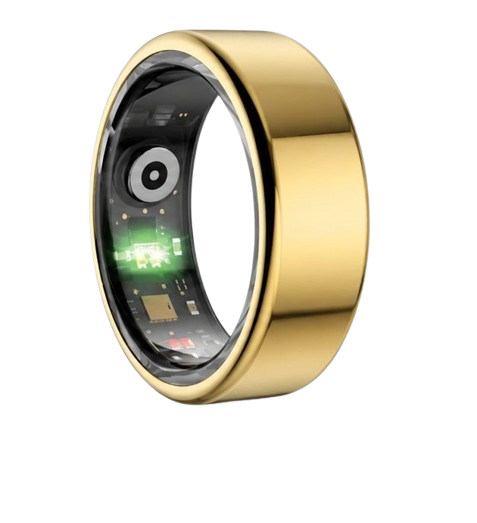
The Herz P1 Smart Ring tracks HRV, Sleep, Heart Rate & SpO2 around the clock. No subscriptions. No renewals. Ever.
In This Article
- Diagnostic Overview: The 5W2H analysis of why cardio recovery data stalls on mobile applications.
- Sensor Science: How optical photoplethysmography tracks your heart rate changes during exercise.
- Physiological Timing: How the autonomic nervous system triggers post-workout recovery metrics.
- Setting Optimization: Steps to realign your tracking hardware and correct sync bugs permanently.
- Mitigating Errors: How to overcome fitting issues and standard application glitches.
Why Is Cardio Recovery Not Updating on Your App? The Core Biometric Explanations
Cardiovascular recovery tracking is a profound indicator of overall physical fitness and autonomic nervous system health.
When you notice your app displays blank fields or spinning wheels instead of clean numbers, you are experiencing a technical disconnect.
This issue occurs when your smartphone app fails to process the transition from your peak working heart rate back to your baseline.
Anyone who exercises regularly while wearing modern smart trackers can experience these frustrating data processing delays.
This issue primarily affects active individuals who rely on continuous heart rate feedback to monitor training loads.
The problem usually manifests immediately after finishing an intense cardiovascular training session, such as a run or swim.
It can also occur hours later if the background synchronization protocols on your phone are restricted by power-saving modes.
The calculation relies heavily on data collected within the first one to two minutes after you stop your workout.
If you take off your tracker or sit down in a cold room, skin vasoconstriction can prevent the optical sensor from reading blood flow.
This technical failure happens because your application’s algorithm requires a continuous, uninterrupted stream of pulse readings during this critical phase.
Without clean data, the software rejects the calculation entirely rather than displaying an inaccurate estimation.
The algorithm calculates the difference between your peak heart rate and your heart rate precisely sixty seconds later.
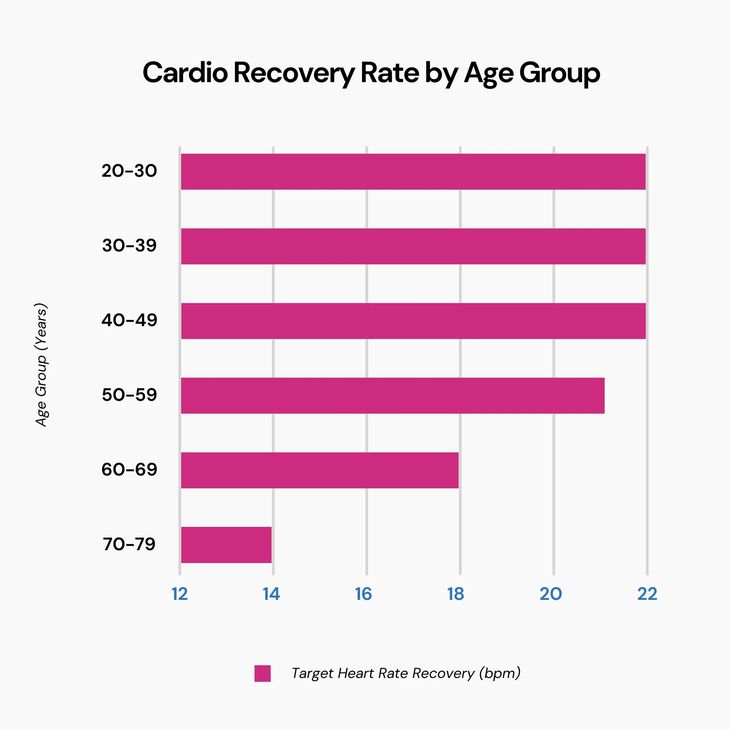
This value is then compared against a standardized cardio recovery rate chart to score your conditioning.
If your heart rate does not elevate to at least sixty percent of your calculated maximum during the workout, the app won’t trigger the calculation.
Additionally, you must record at least ten continuous minutes of elevated heart rate to establish a valid exercise session.
If you want to track this in real time, the Herz P1 Smart Ring monitors cardiovascular metrics and heart rate variability 24/7 — explore it here.
How Optical Photoplethysmography Sensors Analyze Your Cardiovascular Recovery
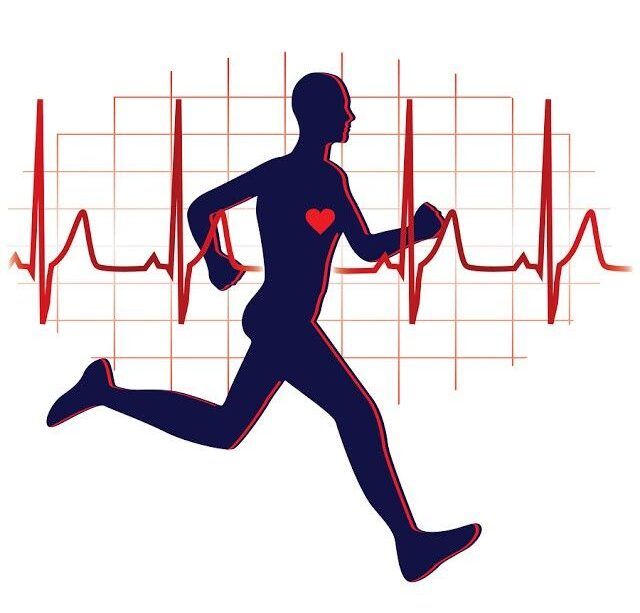
Optical wearables use photoplethysmography, commonly abbreviated as PPG, to measure your heart rate continuously.
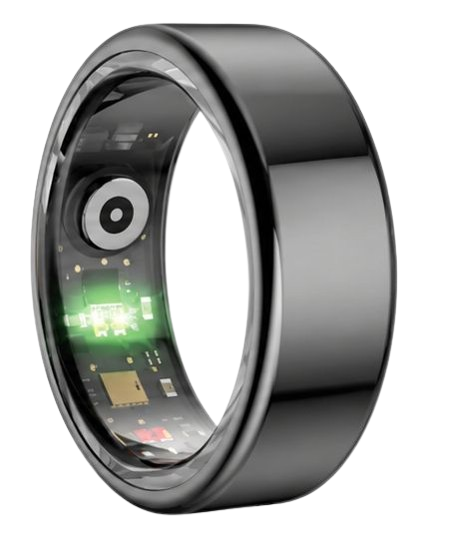
This technology shines green and infrared light directly through your skin into the capillary beds beneath.
As your heart pumps blood, the volume of vessels in your finger or wrist changes rhythmically.
The photodiodes inside your tracker capture the amount of light reflected back to the sensor.
The software translates these tiny, rapid reflections into a highly accurate heart rate measurement.
According to the American Heart Association, these measurements are incredibly reliable when the sensor remains stable.
However, during intense physical activity, rapid body movements can shift the sensor slightly away from your skin.
This displacement allows ambient light to leak into the sensor, creating massive data distortions called motion artifacts.
If your device experiences these artifacts right when your workout ends, it cannot calculate your 1 minute heart rate recovery chart by age.
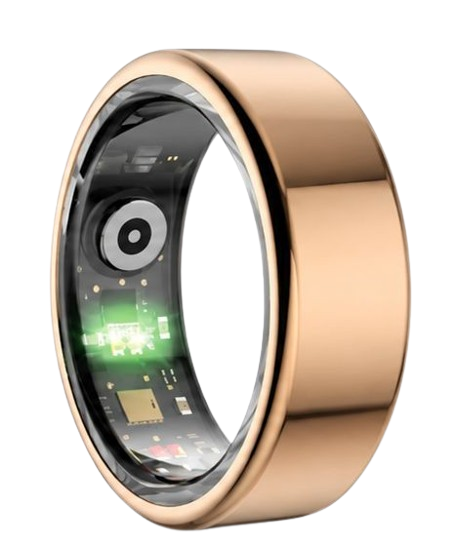
Our team at Herz P1 resolved this problem by utilizing three distinct optical sensing wavelengths inside our military-grade ring.
This multi-wavelength system automatically adjusts its optical output to maintain a constant signal lock.
Even if the ring rotates slightly, the localized PPG sensors stay in direct contact with your highly vascular digital arteries.
This design maintains consistent readings, ensuring you never miss a vital cardiovascular recovery update.
The Autonomic Nervous System: Deciphering the Timing of Parasympathetic Reactivation
Your heart rate is controlled by the dual branches of your autonomic nervous system.
During a difficult workout, your sympathetic nervous system takes absolute control, raising your heart rate and dilating blood vessels.
Once you stop moving, your parasympathetic nervous system must quickly reactivate to slow down your cardiac output.
This shift acts like a physiological braking system, and the speed of this braking action is what we measure as recovery.
If you are chronically overtrained or mentally exhausted, your parasympathetic response will be severely delayed.
In these cases, you might notice that your overall cardio recovery decreased over several consecutive days.
When this autonomic fatigue happens, your heart rate remains elevated for several minutes after your workout ends.
Some tracking algorithms might view this slow drop as an error rather than a low score, causing sync updates to stall.
For a healthy individual, hitting a cardio recovery 30 bpm drop within the first minute is a sign of excellent cardiovascular conditioning.
To understand what your specific drop means, you can consult a professional cardio recovery rate chart.
These charts compare your post-exercise drop against massive demographic databases to determine your biological age.
Knowing what is a good heart rate recovery for your age group helps you adjust your training volume safely.
If your recovery numbers are constantly low, it means you need to add more rest days to your routine.
The Herz P1 Smart Ring continuously monitors these subtle autonomic shifts by measuring your heart rate variability every five minutes.
This constant analysis gives you a complete picture of your nervous system recovery before you even begin your next workout.
How to Optimize Your App Settings and Sensor Alignment for Instant Updates

If you are experiencing persistent data syncing issues, you can follow a few simple steps to restore seamless tracking.
First, ensure that your device has established a tight, movement-free seal against your skin before starting your exercise.
Clean the optical sensor surface with a soft, dry cloth to remove dry sweat, lotion, or skin oils.
Open your smartphone’s settings menu and verify that background app refresh and location services are fully enabled.
Many operating systems aggressively close health applications to conserve battery power, which interrupts live workout syncing.
Always keep your health tracking software updated to the latest version available in your app store.
These software updates frequently include critical patches for Bluetooth connectivity and algorithmic calculation improvements.
To test if your hardware is reading correctly, try to measure what is a good 2-minute recovery heart rate manually.
Do this by checking your pulse immediately after a run, then checking it again exactly two minutes later.
If your manual calculation matches the numbers in your app, your optical sensors are working perfectly.
Tracking these recovery metrics over time will help you improve your overall resting heart rate vo2 max values.
A highly efficient cardiorespiratory system recovers quickly and maintains an optimal balance between resting heart rate and maximum oxygen uptake.
As you build endurance, you will see your cardiovascular metrics move into the upper limits of the standard max vo2 levels.
The Herz P1 Smart Ring automatically syncs all of these complex metrics directly to your dashboard without any manual entry required.
Common Pitfalls: Why Users Miss Vital Cardiovascular Recovery Benchmarks
Many users unknowingly make simple mistakes that prevent their fitness trackers from updating correctly.
The most common mistake is stopping the workout recording on your app before your heart rate has actually stabilized.
If you hit the “stop” button immediately after your final sprint, the app stops listening to your heart rate during the recovery minute.
Always leave your workout session running on your device for at least two full minutes of quiet rest after your exercise ends.
Another major issue is wearing a bulky, loose-fitting smartwatch that slides around on your wrist when you sweat.
This sliding movement introduces massive light leaks that confuse the photoplethysmography sensor entirely.
To bypass these design limitations, the Herz P1 is built from ultra-lightweight, military-grade steel.
It sits securely at the base of your finger, which has a much higher capillary density than your wrist.
This positioning ensures a stable, high-quality signal lock even during high-impact training sessions.
Furthermore, our ring is completely IP68 waterproof, meaning you can sweat heavily or swim without damaging the sensitive internal electronics.
We do not charge any hidden monthly subscription fees to access your raw biological data.
Your health data belongs entirely to you, and our companion application is completely free to use for life.
Comparison: Herz P1 vs. Leading Wearable Competitors
Choosing the right health tracker can be incredibly difficult with so many options on the modern market.
We believe that transparency is the best way to help you make an informed decision for your wellness journey.
The table below compares the essential hardware and software features of the Herz P1 Smart Ring against leading competitors.
| Feature Matrix | Herz P1 Smart Ring | Standard Smartwatches | Premium Subscription Rings |
|---|---|---|---|
| Monthly App Fees | $0 (Free Lifetime App) | $0 to $10.00/month | $5.99 to $9.99/month |
| Waterproof Rating | IP68 (Up to 164 Feet) | IP67 or 5ATM | IP68 |
| Battery Longevity | 6 Days (1-Hour Fast Charge) | 18 to 36 Hours | 4 to 7 Days |
| Form Factor Comfort | Ultra-Light Steel Ring | Bulky Wrist Strap | Standard Titanium Ring |
| Warranty Period | 2-Year Full Warranty | 1-Year Warranty | 1-Year Warranty |
This comparison clearly shows that the Herz P1 provides premium, long-term tracking capability without any hidden ongoing costs.
Our focus is on delivering highly accurate biometric tracking while ensuring maximum comfort and durability for daily wear.
Frequently Asked Questions About Herz P1 and Cardio Tracking
Yes, the Herz P1 Smart Ring features a robust IP68 waterproof rating.
It is designed to withstand complete submersion in water up to 164 feet deep.
This makes it completely safe for lap swimming, showering, hot tubs, and heavy sweat sessions.
You never have to take it off during your daily routines, ensuring continuous, gap-free biometric logging.
The Herz P1 Smart Ring delivers up to 6 full days of continuous battery life.
This impressive longevity is achieved through our highly optimized Bluetooth Low Energy chipsets.
When the battery runs low, you can charge it back to one hundred percent in under 1 hour.
Our magnetic fast-charging cradle is included in every box for your convenience.
We recommend wearing the Herz P1 on your index, middle, or ring finger for the most accurate readings.
Your index finger generally has the strongest blood flow, which produces the cleanest optical sensor signals.
Make sure the ring fits snugly but comfortably without rotating too easily during physical activity.
Our complimentary sizing kit helps you find the perfect fit before your ring is shipped.
Yes, the Herz P1 Smart Ring features 7 days of built-in local data storage.
If you go for a run without your smartphone, the ring will continue to track all your metrics.
Once you return and open the app, your saved data will sync automatically via Bluetooth.
This ensures you never lose valuable health records, even when you are completely off the grid.
90-Day 100% Money-Back Guarantee
“The Herz Smart Ring helps me manage stress easily. It’s accurate, stylish, and lightweight—perfect for my busy life!”
— Jennifer P. | ✔ Verified Customer
- ✓ 6-Day Battery Life
- ✓ Detailed Sleep Analysis
- ✓ Fast 1-Hour Charging
- ✓ iOS & Android Ready
Questions? Call: 1-866-479-1629
Conclusion: Experience Premium, Stress-Free Tracking Today
Understanding your cardio recovery metrics is the first step toward building a healthier, more resilient cardiovascular system.
Our team at Herz P1 is dedicated to helping you track these biological signals accurately and comfortably every single day.
Ready to monitor your health every day? Explore the Herz P1 Smart Ring and see if it fits your lifestyle. Call: 1-866-479-1629 — our team can help you advise on the correct ring size and set personalized health goals.
