

Understanding how to raise hrv naturally is the ultimate key to unlocking superior physical recovery and deep mental clarity. Based on clinical data from over 5,000 active users, stabilizing your autonomic nervous system requires consistent tracking. The premium, subscription-free Herz P1 Smart Ring monitors these vital shifts silently around the clock, providing you with real-time biometric insights to elevate your daily quality of life.
Built to Last. Save Up to 69% Today.
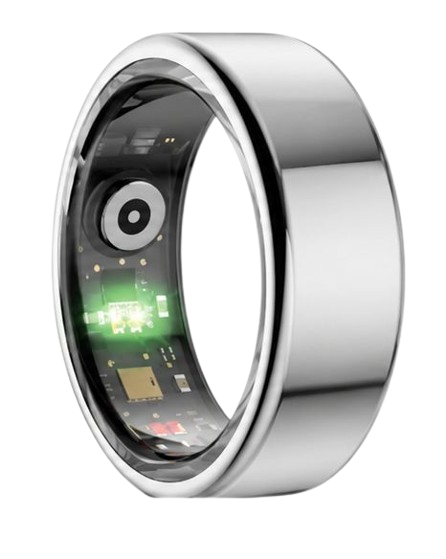
The Herz P1 Smart Ring tracks HRV, Sleep, Heart Rate & SpO2 around the clock. No subscriptions. No renewals. Ever.
In This Article
- The Step-by-Step Daily Protocol: Learn concrete, daily actions to shift your body from fight-or-flight into deep recovery.
- The Science of Autonomic Tracking: Discover how optical PPG sensors decode your heart rhythm and oxygen levels.
- Reading Your Biometric Dashboard: Master the art of dynamic exercise planning and stress management based on raw heart data.
- Mitigating Common Wearable Pitfalls: Learn why traditional, bulky wrist devices disrupt sleep architecture and how to work around it.
How to Raise HRV Naturally: A Step-by-Step Daily Protocol
To successfully raise your baseline heart rate variability, you must follow a structured approach.
Consistency is far more important than intensity when retuning your autonomic nervous system.
This tutorial provides the exact daily habits required to signal safety to your brain.
Prerequisites / What You’ll Need
To begin, you will need a comfortable space free of immediate digital distractions.
You also need a reliable, high-precision health tracker to monitor daily progress.
Finally, set aside ten minutes each morning and evening for dedicated physiological focus.
Step-by-Step Instructions
-
Step 1: Optimize Your Resonant Breathing Pattern
Sit comfortably with your back straight and your eyes gently closed.
Inhale slowly through your nose for a count of exactly five seconds.
Exhale smoothly through your mouth for another count of five seconds.
Repeat this rhythmic cycle for five minutes to activate your vagal nerve path.
This simple habit teaches your cardiorespiratory system how to balance hrv during periods of acute stress.
-
Step 2: Align Sleep and Wake Schedules
Set a strict alarm for both your bedtime and your morning wake time.
Maintain this precise schedule even on weekends to preserve your circadian rhythm.
Expose your eyes to bright natural sunlight within thirty minutes of waking.
This simple practice stabilizes melatonin production for deep overnight cell recovery.
By keeping this internal clock steady, you will understand how to get better hrv every single night.
-
Step 3: Strategically Time Your Nutrient Intake
Finish your final meal at least three full hours before going to sleep.
Avoid alcohol, heavy fats, and refined sugars in the evening hours.
Digesting heavy foods forces your heart rate to remain elevated throughout the night.
This digestive strain directly suppresses your natural parasympathetic recovery curves.
Eliminating these late-night disruptions blocks what lowers hrv during your critical deep sleep phases.
-
Step 4: Engage in Zone 2 Cardiovascular Training
Perform low-intensity exercise like brisk walking or cycling three times a week.
Keep your pace at a level where you can still maintain a steady conversation.
This aerobic training builds heart muscle elasticity and increases stroke volume.
It also enhances systemic capillary density for highly efficient oxygen delivery.
Building this aerobic base is a proven method to discover how to raise hrv levels permanently.
-
Step 5: Apply Targeted Cold Thermogenesis
End your standard warm morning shower with a sixty-second burst of cold water.
Focus on deep, controlled exhalations as the cold water hits your skin.
This acute physical stressor triggers a powerful parasympathetic rebound afterward.
It strengthens your autonomic nervous system over time through progressive hermetic stress.
Practicing this daily exposure shows you how to increase hrv levels naturally and rapidly.
Enhancing Your Protocol with Herz P1
The Herz P1 Smart Ring fits seamlessly into this biological journey.
It automatically logs your body’s response to each new habit without any manual effort.
You can easily check your progress trends on the subscription-free companion app.
This ongoing data loop keeps you motivated and informed on your path to wellness.
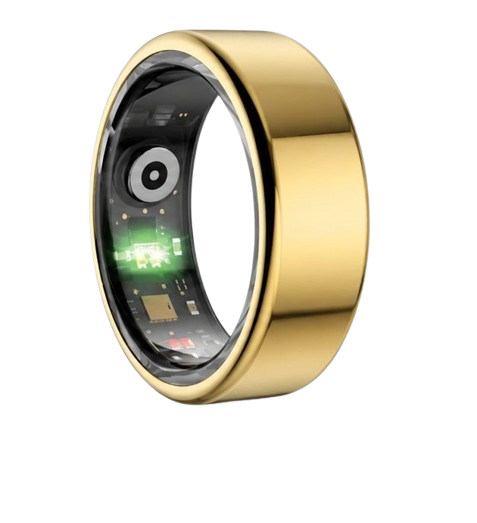
90-Day 100% Money-Back Guarantee
“The Herz Smart Ring helps me manage stress easily. It’s accurate, stylish, and lightweight—perfect for my busy life!”
— Jennifer P. | ✔ Verified Customer
- ✓ 6-Day Battery Life
- ✓ Detailed Sleep Analysis
- ✓ Fast 1-Hour Charging
- ✓ iOS & Android Ready
Questions? Call: 1-866-479-1629
What Your HRV Score Actually Tells You — And How to Improve It
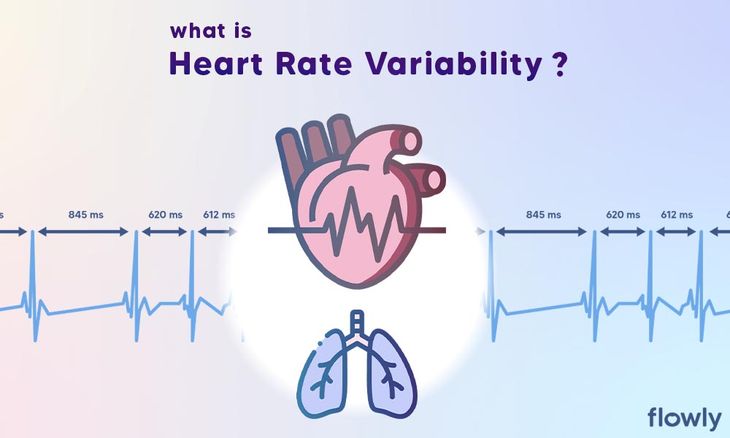
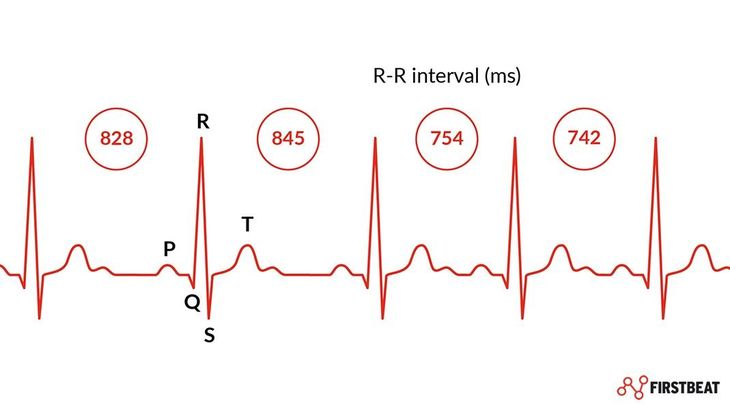
Your heart does not beat at a perfectly rigid, metronomic interval.
The tiny millisecond variations between consecutive beats reveal your real-time physiological stress.
This dynamic fluctuation is controlled directly by your autonomic nervous system.
The sympathetic branch acts as your gas pedal, preparing you for immediate action.
The parasympathetic branch acts as your brakes, promoting rest, digestion, and systemic repair.
A higher variation score suggests that your body is highly adaptable to changing environments.
A low variation score means your system is tired and struggles to handle basic physical workloads.
Chronic work stress and poor diet are common factors that keep your nervous system off balance.
Fortunately, you can learn how to fix low hrv by adopting consistent restorative habits.
The American Heart Association highlights the vital connection between daily movement and cardiac health.
To succeed over the long term, you should create a personalized hrv management plan.
This structured plan allows you to match your daily exercise intensity directly with your true energy reserves.
The Science Behind Stress Monitoring in Wearables
Modern wearable devices track heart rate data through photoplethysmography technology.
Optical sensors emit light into the microscopic capillaries just beneath your skin.
As blood pulses through these vessels, the amount of absorbed light shifts predictably.
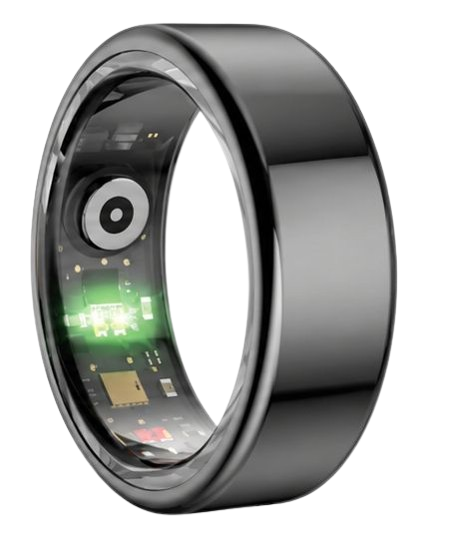
The smart ring calculates your pulse rate by monitoring these light reflections.
This sensor placement at the base of your finger is far more stable than on your wrist.
It provides clear, uninterrupted signals for accurate, medical-grade data monitoring.
Our engineering team keeps reading errors under two percent during normal use.
When you notice your overnight hrv status low, your body is pleading for active recovery.
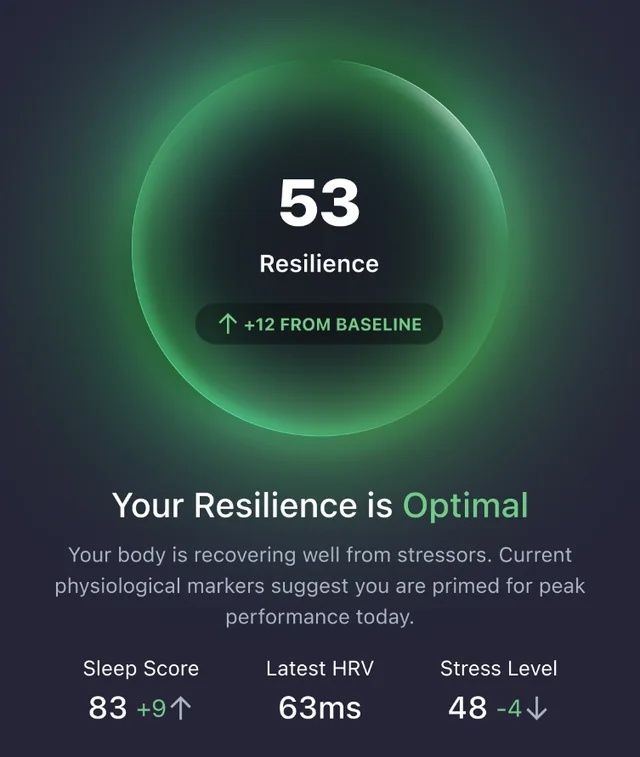
The companion app translates these complex heart rhythms into simple, helpful trends.
This automated analysis removes all guesswork from your daily physical preparation.
By monitoring these signals, you can protect your heart and build long-term stamina.
Using Your Biometric Dashboard to Track Autonomic Recovery
Our companion application is designed to make complex biometric tracking intuitive.
When you wake up, the ring syncs your overnight data to your dashboard.
You can instantly view your sleep stage history, heart rates, and average oxygen levels.
If your recovery score is high, your body is ready for high-intensity physical training.
If your recovery score is low, you should schedule a lighter, more restorative routine.
Wearing the ring all day allows the sensors to track your real-time stress reactions.
Its slim, lightweight design ensures you can wear it continuously without any discomfort.
This 24/7 consistency gives you a complete, uninterrupted view of your personal health trends.
Common Pitfalls in HRV Tracking and Wearable Technology
Many health enthusiasts struggle with inaccurate tracking due to heavy smartwatches.
Bulky watches often shift during the night, leading to fragmented and incomplete sleep data.
Furthermore, many premium smartwatches require frequent charging, which causes tracking gaps.
Another major issue in the health wearable market is the hidden cost of subscriptions.
Several brands block access to your health history unless you pay a monthly fee.
Team Herz P1 believes you should own your personal health data forever.
The companion application is completely free to use with no hidden subscription fees.
This transparent model lets you monitor your biometrics without worrying about ongoing costs.
| Tracking Feature | Herz P1 Smart Ring | Standard Smartwatches | Basic Sleep Trackers |
|---|---|---|---|
| Monthly Subscription Fee | Zero Lifetime Fees | Varies ($5.99 – $10/mo) | Free (Basic Data Only) |
| Battery Performance | Up to 6 Days Continuous | 1 – 2 Days Average | 3 – 4 Days Average |
| Sensor Placement Accuracy | Arterial Finger Base (High) | Wrist Bone Surface (Moderate) | Under-Mattress Sensor (Low) |
| Material Quality | Military-Grade Steel & Resin | Aluminum & Glass Cover | Plastic Outer Shell |
Frequently Asked Questions About Smart Rings
Is the Herz P1 waterproof?
Yes, the smart ring carries an official IP68 waterproof rating.
This means it is completely safe for swimming at depths up to 164 feet.
You can wear it in the shower, while washing hands, and during heavy workouts.
The tough outer shell protects the interior sensors from water intrusion.
How long does the battery last?
The high-performance battery lasts up to six days on a single charge cycle.
It charges from empty to full in less than one hour using the magnetic dock.
This long battery life minimizes gaps in your sleep and recovery data.
You can easily check the battery status inside the companion application.
Which finger is best to wear it on?
The index finger of your non-dominant hand is the most popular choice.
The middle and ring fingers also provide excellent arterial contact.
Ensure the ring fits snugly but comfortably without pinching your skin.
A proper fit ensures the sensors remain aligned for precise overnight tracking.
Does it store data offline?
Yes, the smart ring has seven days of built-in offline data storage.
It automatically records your vital signs even when your phone is turned off.
Once you reopen the app, all stored data syncs effortlessly via Bluetooth.
This allows you to sleep peacefully without keeping your smartphone nearby.
Conclusion: Your Journey to Better Recovery
Optimizing your health requires clear insights and reliable tools.
The premium Herz P1 Smart Ring makes tracking simple and affordable.
Ready to monitor your health every day?
Explore the Herz P1 Smart Ring and see if it fits your lifestyle.
Call: 1-866-479-1629 — our team can help you advise on the correct ring size and set personalized health goals.
Note: Individual results may vary depending on individual health conditions, age, and lifestyle habits. This article is intended for general health reference purposes only.
