

Discovering how to get better hrv is the ultimate key to unlocking peak physical performance and deep restorative sleep. Scientific data from the American Heart Association confirms that higher heart rate variability directly correlates with robust cardiovascular health and high stress resilience. The premium Herz P1 smart ring monitors these vital biological fluctuations with clinical precision. Our team has designed this comprehensive, science-backed manual to help you elevate your daily autonomic recovery, balance your nervous system, and conquer morning fatigue starting tonight.
Built to Last. Save Up to 69% Today.
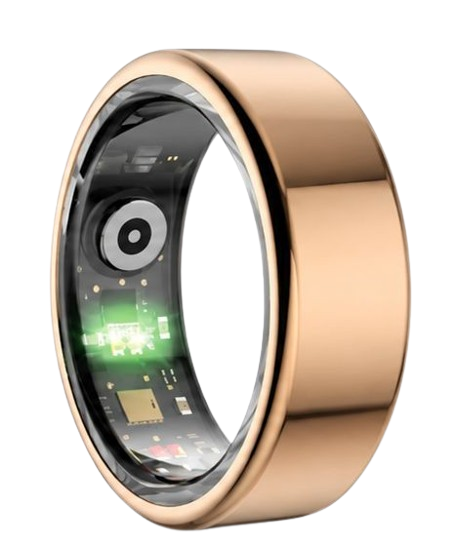
The Herz P1 Smart Ring tracks HRV, Sleep, Heart Rate & SpO2 around the clock. No subscriptions. No renewals. Ever.
In This Guide
- High-Recovery Lifestyle: Discover a step-by-step biometric protocol to quickly raise your baseline.
- Autonomic Physiology: Uncover the science behind vagal tone, RMSSD, and autonomic nervous system balance.
- Sleep Optimization: Learn how slow-wave sleep and heart rate dipping unlock peak morning readiness scores.
- Actionable Insights: Turn complex physiological trends into simple, practical day-to-day decisions.
How to Build a High-Recovery Lifestyle: A Step-by-Step Biometric Guide
Before embarking on this protocol, you need a reliable way to monitor your autonomic nervous system.
We recommend wearing a high-precision, low-profile tracker continuously for at least seven days.
This tracking period establishes your unique personal baseline.
You will also need a willingness to adjust evening habits that disrupt cardiac rhythm.
-
Step 1: Standardize Your Sleep-Wake Schedule
Aligning your biological clock is the most effective way to start learning how to raise hrv.
Going to bed and waking up at the exact same times stabilizes your natural circadian rhythm.
Your nervous system thrives on predictable, repeated daily routines.
Irregular sleep schedules confuse your autonomic nervous system and depress your morning scores.
Aim for a maximum variance of thirty minutes even on your days off.
This consistency allows your body to anticipate sleep and initiate cardiac recovery processes sooner.
When your sleep schedule is predictable, your body spends more time in deep, restorative phases.
This behavioral routine directly strengthens your vagus nerve activity over time.
Clinical studies show that sleep consistency is often more powerful than total sleep duration alone.
By stabilizing your sleep window, you remove a major source of physiological stress.
Your brain can transition smoothly into a parasympathetic state without unexpected interruptions.
This simple behavioral shift acts as the foundation for all other biometric improvements.
-
Step 2: Implement a Strict Three-Hour Evening Fasting Window
Eating large meals close to bedtime forces your body to direct significant energy to digestion.
This active digestive demand prevents your sleeping heart rate from dropping early in the night.
An elevated heart rate during sleep directly contributes to an hrv status low state.
Finish your last major meal at least three hours before your planned sleep time.
This fasting window allows your cardiovascular system to rest and recover much sooner.
Your body can focus on cellular repair rather than processing complex macronutrients.
Late-night snacking triggers insulin spikes that keep your sympathetic nervous system highly active.
This active state blocks the natural cardiac deceleration required for high-quality recovery.
If you must eat late, choose small, easily digestible proteins or healthy fats.
Avoid heavy carbohydrates, spicy foods, and refined sugars before bed.
Your heart rate should reach its lowest point during the first half of your sleep cycle.
Giving your digestive tract a rest is a crucial step to maximize your morning readiness.
-
Step 3: Perform Daily Coherent Breathing Exercises
Coherent breathing is a fast, clinically proven method to learn how to balance hrv.
Inhale deeply through your nose for exactly five seconds, expanding your diaphragm fully.
Exhale smoothly through your mouth for another five seconds without pausing.
Repeat this rhythmic breathing cycle for ten to fifteen minutes every afternoon.
This specific pacing of six breaths per minute optimizes your cardiovascular resonance.
It stimulates the vagus nerve and immediately activates your parasympathetic nervous system.
You will feel your heart rate rise slightly as you inhale and fall as you exhale.
This natural fluctuation is the physical manifestation of healthy heart rate variability.
Practicing this exercise regularly trains your nervous system to handle stress more gracefully.
It serves as a gentle reset button during high-pressure workdays.
Over time, coherent breathing permanently strengthens your resting autonomic balance.
It is a free, highly accessible tool that produces measurable physiological improvements in minutes.
-
Step 4: Balance High-Intensity Workouts with Structured Rest
Chronic overtraining is a primary contributor to what lowers hrv.
You must balance intense physical training with dedicated, active recovery periods.
Monitor your daily recovery score to determine if your body is ready for heavy physical exertion.
If your scores are severely suppressed, swap your heavy lifting session for a gentle walk.
Following a structured hrv management plan prevents chronic physical burnout.
Exercise is a form of healthy stress, but it still requires adequate time for adaptation.
Pushing through deep fatigue without rest eventually degrades your hormonal and nervous systems.
Active recovery days help flush metabolic waste from muscles without overloading your heart.
Focus on low-intensity activities like yoga, stretching, or light swimming on these days.
This balance allows your muscle tissues to rebuild and your cardiac system to recharge.
Elite athletes use this adaptive training methodology to achieve peak physical performance.
Listening to your body’s biometric limits is the smartest way to guarantee long-term progress.
-
Step 5: Regulate Thermal Exposure
A cool sleeping environment is crucial to learn how to increase hrv levels.
Keep your bedroom temperature set consistently between sixty-five and sixty-eight degrees Fahrenheit.
Taking a warm bath or shower ninety minutes before bed also helps lower your core temperature.
The rapid cooling effect that occurs after leaving a warm bath signals your brain to sleep.
Lower core temperatures facilitate deeper slow-wave sleep and higher nighttime recovery scores.
Hot bedrooms cause physical restlessness, frequent night awakenings, and elevated sleeping heart rates.
Your body must work harder to cool itself down, which drains your overnight recovery reserves.
Choose breathable cotton sheets and light blankets to prevent heat from trapping around your body.
Keep a window slightly open if you prefer natural, cool airflow throughout the night.
Restricting evening screen time also prevents your brain from overheating and delaying melatonin production.
A cool body state allows your heart to beat slower and more variably during rest.
This physical optimization is a simple yet powerful hack for your autonomic health.
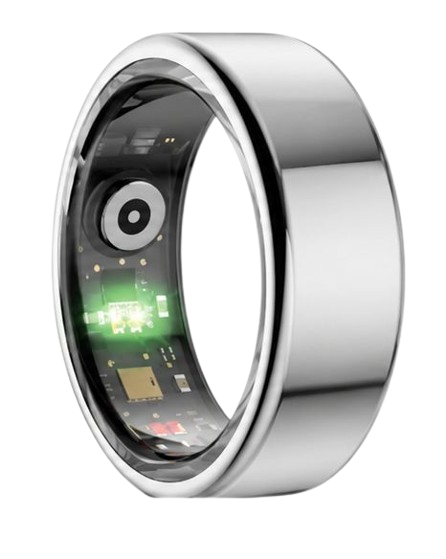
Our team designed the Herz P1 smart ring to automate this entire tracking process for you.
It monitors your physiological responses continuously as you implement these five recovery steps.
You do not need to manually log your sleep or calculate your nightly heart rate variability.
The lightweight ring works silently in the background to provide real-time updates directly to your phone.
90-Day 100% Money-Back Guarantee
“The Herz Smart Ring helps me manage stress easily. It’s accurate, stylish, and lightweight—perfect for my busy life!”
— Jennifer P. | ✔ Verified Customer
- ✓ 6-Day Battery Life
- ✓ Detailed Sleep Analysis
- ✓ Fast 1-Hour Charging
- ✓ iOS & Android Ready
Questions? Call: 1-866-479-1629
What Your HRV Score Actually Tells You — And How to Improve It
Understanding the Autonomic Nervous System Balance
Your heart does not beat at a perfectly constant, metronomic interval.
The microscopic variation in time between consecutive heartbeats is what we call heart rate variability.
This fluctuation is controlled by your autonomic nervous system, which has two main branches.
The sympathetic branch acts as an accelerator, preparing your body for fight-or-flight scenarios.
The parasympathetic branch acts as a brake, promoting rest, digestion, and systemic recovery.
A high variability means your heart is highly responsive to signals from both nervous system branches.
This dynamic responsiveness indicates a healthy, resilient, and well-balanced autonomic system.
Conversely, low variability suggests one branch is dominating, typically due to physical stress or exhaustion.
Learning how to fix low hrv involves reducing sympathetic dominance and boosting parasympathetic activity.
When you achieve this balance, your body can repair itself much more efficiently from daily physical demands.
Our team utilizes military-grade steel and advanced multispectral optical sensors to capture these subtle shifts.
The continuous feedback loop helps you identify which specific daily activities are depleting your recovery reserves.
Understanding these biological patterns is the first step toward reclaiming your daily vitality and mental clarity.
Why Nightly HRV is the Gold Standard for Recovery
Many health-conscious consumers wonder why we focus so heavily on nighttime biometric measurements.
Daytime heart rate variability is constantly skewed by random external factors and mental distractions.
An unexpected work email, a cup of morning coffee, or a sudden noise can temporarily alter your readings.
Measuring your vital biometrics during sleep eliminates these disruptive daytime variables completely.
This quiet, standardized period allows us to capture your true, unadulterated baseline recovery state.
Our team recommends tracking your metrics during the deep sleep cycles for maximum scientific accuracy.
A high nightly score proves your nervous system successfully transitioned into a restorative parasympathetic state.
If you consistently wake up with low numbers, you need to investigate what lowers hrv in your routine.
Identifying these lifestyle culprits is the first step toward building lasting physical and mental resilience.
With the Herz P1, you can access your historical graphs directly on our free smartphone app.
You can see exactly when your body transitions from high-stress wakefulness into deep physical recovery.
This immediate visibility empowers you to make smarter choices about your training, nutrition, and sleep hygiene.
You no longer have to guess whether your wellness habits are actually working.
The Physiology of Sleep Architecture and Heart Rate Dynamics
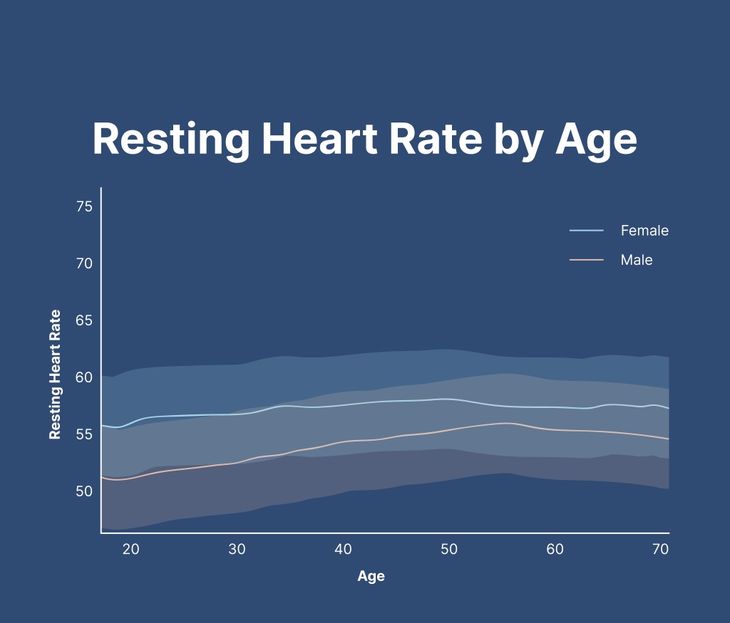
How Deep Sleep Drives Parasympathetic Rebound
Sleep is not a uniform state of unconsciousness but a highly structured series of nightly cycles.
According to the National Sleep Foundation, healthy adults transition through multiple sleep stages each night.
Deep sleep, also known as slow-wave sleep, is the stage where physical repair actually occurs.
During deep sleep, your brain releases critical hormones to rebuild muscle tissues and bone density.
Your blood pressure drops significantly, and your heart rate reaches its lowest daily resting point.
This physiological shift triggers a powerful parasympathetic rebound that drives your recovery scores upward.
Understanding how to raise hrv levels requires maximizing your time in this deep, restorative stage.
If your deep sleep is cut short, your body cannot fully repair itself from daily wear and tear.
You will likely wake up feeling fatigued, even if you spent eight full hours in bed.
Tracking your sleep architecture reveals whether you are getting genuine quality rest or merely superficial sleep.
The Herz P1 uses dual-wavelength optical PPG sensors to track your exact sleep stages with clinical-grade accuracy.
Our app maps your light sleep, deep sleep, REM sleep, and awake periods throughout the night.
This detailed map helps you understand why you feel energetic or exhausted on any given morning.
Armed with this data, you can optimize your bedroom environment to favor deeper, more restorative sleep.
Identifying Sudden Spikes in Nightly Heart Rate
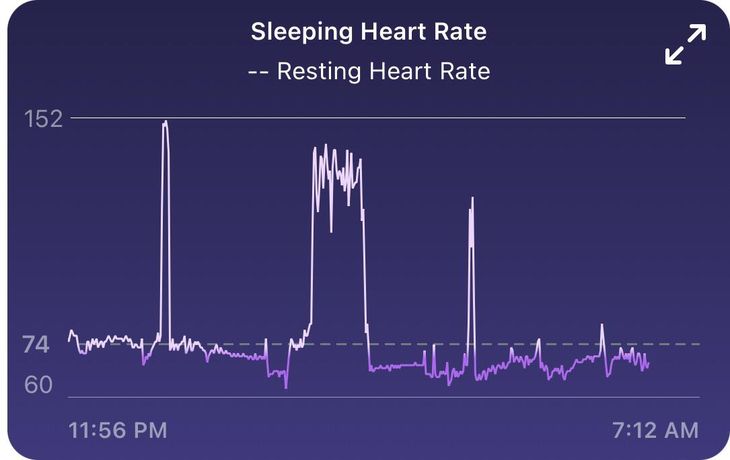
An unexpected spike in your sleeping heart rate is a clear warning sign from your body.
These nighttime spikes often indicate that your autonomic nervous system is struggling to calm down.
Common triggers include late-night alcohol consumption, high-stress thoughts, or an oncoming subclinical illness.
When your heart rate remains elevated, your heart rate variability naturally drops to suppressed levels.
This physiological combination results in a highly compromised recovery score the following morning.
If you notice these patterns, it is time to implement a structured hrv management plan.
This personalized plan should focus on calming your nervous system before your head hits the pillow.
By monitoring these nightly trends, you can catch potential recovery setbacks before they ruin your week.
Our team utilizes advanced multi-wavelength optical sensors to detect these subtle cardiac shifts instantly.
The Herz P1 measures blood oxygen saturation and heart rate fluctuations every five minutes while you sleep.
This frequent sampling rate ensures that even short, transient spikes are captured and logged accurately.
You can share these reports directly with your fitness coach or doctor to optimize your overall health strategy.
It provides an objective, data-driven window into your internal state that subjective feelings simply cannot match.
Translating Your Herz P1 Data Into Actionable Recovery Protocols
The true power of the Herz P1 lies in its ability to turn raw biological data into actionable wisdom.
When you open the companion app each morning, you are greeted with a personalized recovery score.
This score is calculated using your heart rate, sleep quality, and heart rate variability trends.
Do not view this number as a grade, but rather as a guide for your daily physical energy budget.
If your score is high, your nervous system is fully charged and ready for a heavy physical workload.
This is the perfect day to challenge yourself with a difficult workout or a demanding creative project.
If your recovery score is low, your body is actively signaling that it needs rest and recovery.
You should prioritize gentle movement, proper hydration, and an early bedtime to help your system recover.
Learning how to increase hrv levels is a gradual process of listening to these daily signals.
The lightweight, military-grade steel design of the Herz P1 ensures you can collect this data comfortably 24/7.
You will quickly forget you are even wearing a tracker, allowing for completely natural biometric monitoring.
Our free app presents this data in clear, easy-to-read charts that help you identify long-term wellness trends.
You can track how your scores change over weeks and months as you implement healthy lifestyle changes.
This long-term perspective is vital for sustainable health improvements and preventing physical burnout.
Common Pitfalls That Artificially Lower Your Recovery Scores
Many health enthusiasts make simple mistakes that compromise their biometric tracking accuracy.
The most common error is wearing a bulky, uncomfortable smartwatch to bed.
Heavy watches often shift during the night, leading to inaccurate sensor readings and frequent sleep disruptions.
A tight, heavy strap can also restrict local blood flow, further skewing your heart rate data.
Switching to a lightweight, ergonomically designed smart ring eliminates these physical tracking errors completely.
Another massive pitfall is the hidden financial strain of ongoing app subscriptions.
Many leading wearable brands lock your recovery data behind expensive monthly paywalls.
This subscription model adds unnecessary financial stress, which can actually lower your HRV over time.
We believe you should never have to pay a recurring monthly fee to access your own personal health data.
The Herz P1 app is entirely free for life, ensuring you always have full access to your recovery insights.
Additionally, wearing the wrong size ring can cause the sensors to lose contact with your skin.
Our team provides a free sizing kit with every order to ensure your ring fits perfectly and reads data flawlessly.
By avoiding these common pitfalls, you can guarantee highly accurate, stress-free recovery tracking every single day.
Frequently Asked Questions About HRV and Smart Ring Tracking
Yes, the Herz P1 features a certified IP68 waterproof rating, making it completely safe for everyday water exposure.
You can confidently wear it while swimming, showering, washing your hands, or sweating during intense workouts.
The seamless outer shell protects the delicate internal optical sensors from any moisture penetration.
This continuous durability ensures that your daily activities are never interrupted by having to remove your device.
The energy-efficient battery inside the Herz P1 lasts up to six full days on a single charge.
When the battery runs low, the ring charges fully in under one hour using the included quick-charging dock.
This long battery life means you spend less time worrying about charging and more time tracking your health.
It is the perfect low-maintenance companion for busy professionals and active travelers alike.
For the most accurate heart rate and sleep tracking, we recommend wearing the ring on your index finger.
The middle finger and ring finger are also excellent alternatives if you prefer a different fit.
Ensure the ring fits snugly but comfortably without rotating excessively during your daily movements.
A secure fit ensures the optical sensors maintain continuous, high-quality contact with your skin.
Yes, the Herz P1 has built-in local storage that can save up to seven days of biometric data offline.
You do not need to keep your smartphone nearby or connected to Bluetooth at all times.
Once you open the app, the ring will automatically sync all stored data to your phone in seconds.
This feature allows you to disconnect from your phone during sleep or workouts without losing any valuable data.
Conclusion: Your Subscription-Free Wellness Journey Starts Here
Mastering your body’s recovery signals is the key to daily vitality.
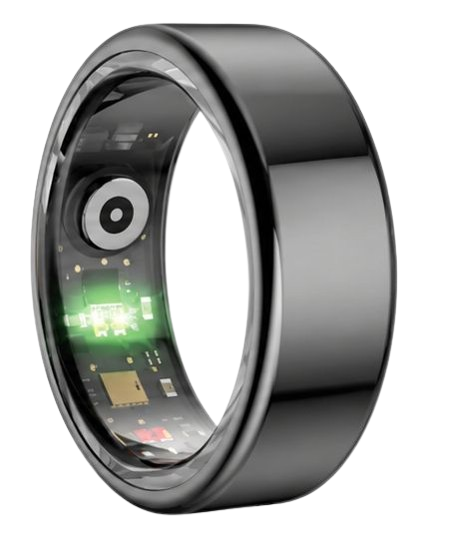
The subscription-free Herz P1 Smart Ring makes tracking your health effortless.
Ready to monitor your health every day?
Explore the Herz P1 Smart Ring and see if it fits your lifestyle.
Call: 1-866-479-1629 — our team can help advise on correct ring sizes.
Note: Individual results may vary depending on individual health conditions, age, and lifestyle habits. This article is intended for general health reference purposes only.
