

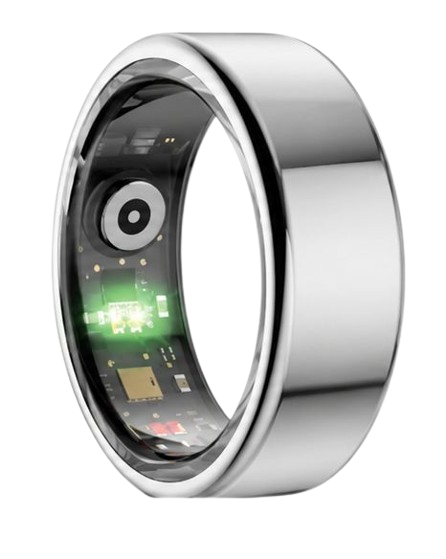
Wondering why is my body temperature high when you feel perfectly fine otherwise? Tracking these subtle heat spikes is the key to catching subclinical stress, ovulation phases, or early immune responses before they disrupt your life. The Herz P1 Smart Ring continuously monitors your skin temperature variations with military-grade precision, helping you decode your body’s unique daily baseline.
Built to Last. Save Up to 69% Today.
The Herz P1 Smart Ring tracks HRV, Sleep, Heart Rate & SpO2 around the clock. No subscriptions. No renewals. Ever.
In This Article
- How to Track and Lower Body Temperature: A step-by-step practical guide to managing temperature elevations.
- The Science of Thermophysiology: How the body regulates its internal baseline.
- Underlying Causes: Real-world triggers for unexplained high readings.
- Smart Sensor Integration: The distinction between skin and core metrics.
- Practical FAQ: Answers to common wearable and health-tracking queries.
How to Track and Lower an Elevated Body Temperature: A Step-by-Step Guide
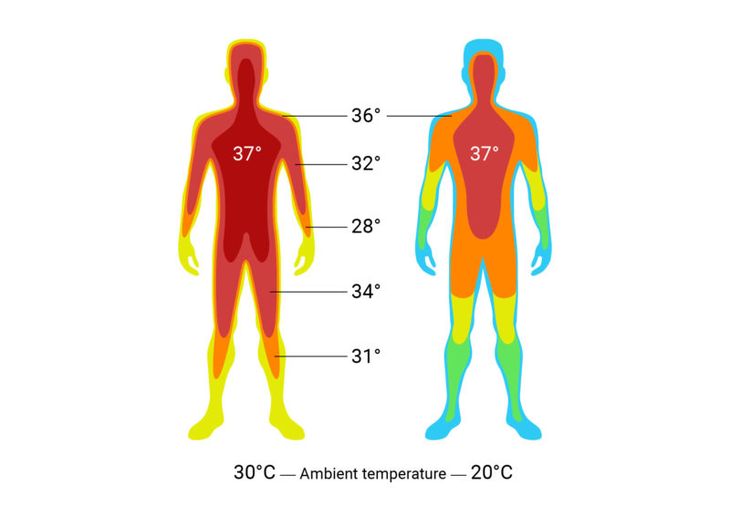
Managing a higher thermal baseline requires a systematic approach to cooling the body and tracking key recovery metrics.
Before you begin, ensure you have access to a reliable digital thermometer, cold drinking water, a well-ventilated room, and a wearable health tracker like the Herz P1 to map your trends.
-
Step 1: Hydrate with Cool Fluids Immediately
Dehydration is one of the most common reasons why your body temperature might spike during or after activity.
Drinking cool water helps transfer excess internal heat out of your core through conduction.
Avoid sugary or caffeinated drinks as they can cause mild dehydration and raise metabolic heat production.
Aim to sip eight to twelve ounces of cool water over a ten-minute period.
-
Step 2: Transition to a Thermally Controlled Environment
Move away from direct sunlight, humid spaces, or poorly ventilated rooms that trap ambient heat.
Turn on an air conditioner or position yourself directly in front of a circulating fan to promote convective cooling.
Convective cooling accelerates the evaporation of sweat from your skin, lowering your outer thermal layer.
Rest in a reclined position to reduce muscular exertion and drop your active metabolic rate.
-
Step 3: Remove Constrictive or Heavy Clothing
Heavy fabrics like polyester or tight-fitting garments trap a micro-climate of warm air against your skin.
Switch to loose, breathable natural fibers such as cotton or linen to facilitate heat dissipation.
Exposing key heat-release zones like the wrists, neck, and ankles helps speed up natural cooling.
This simple physical change can bring quick relief to someone experiencing sudden heat accumulation.
-
Step 4: Use a Lukewarm Compress on Pulse Points
Apply a damp, lukewarm cloth to your forehead, back of the neck, underarms, or wrists.
Avoid using ice-cold water or ice packs directly on your skin for extended periods.
Extremely cold temperatures can trigger rapid vasoconstriction, which actually traps heat deep inside your organs.
Lukewarm water allows your blood vessels to remain dilated, encouraging continuous heat release.
-
Step 5: Monitor Your Sleep Quality and Overnight Trends
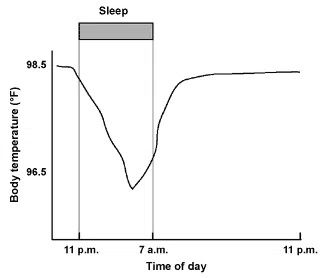
Your body naturally drops its temperature during the deepest phases of sleep to facilitate cellular repair.
Keep your bedroom environment between sixty-five and sixty-eight degrees Fahrenheit for optimal rest.
Check your wearable device the following morning to see if your overnight thermal baseline has stabilized.
Sustained elevations over several nights may point to underlying fatigue or an immune system response.
Integrating these cooling habits with the continuous monitoring of the Herz P1 Smart Ring makes managing your health intuitive.
The ring automatically records your thermal fluctuations while you sleep, allowing you to see exactly how your lifestyle choices impact your baseline recovery.

90-Day 100% Money-Back Guarantee
“The Herz Smart Ring helps me manage stress easily. It’s accurate, stylish, and lightweight—perfect for my busy life!”
— Jennifer P. | ✔ Verified Customer
- ✓ 6-Day Battery Life
- ✓ Detailed Sleep Analysis
- ✓ Fast 1-Hour Charging
- ✓ iOS & Android Ready
Questions? Call: 1-866-479-1629
Understanding Why Your Body Temperature Is High: The Science of Thermophysiology

Your biological system operates within a tightly controlled thermal spectrum designed to keep cellular structures stable.
The brain’s hypothalamus acts as your internal thermostat, constantly shifting blood flow to regulate heat.
When looking at the physiological temp, the classic target is around ninety-eight point six degrees Fahrenheit.
However, this value is not a static number and fluctuates naturally based on your unique metabolic rate.
The internal body temperature varies continuously throughout the day depending on hormone levels and activity.
During intense physical exercise, your muscles generate metabolic heat, which causes temporary thermal elevation.
Your cardiovascular system responds by dilating peripheral blood vessels to move heat from your core to your skin.
This response explains why your skin might feel warm or look flushed when your internal organs are working hard.
Maintaining a stable internal temperature of the human body is vital for healthy enzyme activity and organ function.
When the brain detects pathogens or severe physiological stress, it raises the thermal setpoint to help fight off illness.
This shifts your baseline, creating a state of high temperature designed to inhibit viral and bacterial replication.
Monitoring these changes can help you spot early signs of physical stress before you feel noticeable symptoms.
Everyday Causes of Elevated Body Temperature Baseline
Many everyday factors can cause your thermal baseline to shift without an active infection or fever.
Understanding these triggers can help you identify why you are experiencing a body temperature higher than your usual range.
One major contributor is daily hormonal shifts, particularly the rise of progesterone during the luteal phase of the menstrual cycle.
This hormonal shift often leads to an irregular body temperature curve that rises by about half a degree Fahrenheit after ovulation.
Many women use these subtle skin temperature trends to identify fertile windows and predict upcoming cycles.
Another common trigger is chronic physical or psychological stress, which activates your sympathetic nervous system.
This fight-or-flight response constricts deep blood vessels while raising your heart rate and metabolic output.
These vascular changes can cause a varying body temperature profile throughout busy workdays.
Sudden emotional stressors can also lead to brief hot and cold body temperature swings as your circulation adapts.
Your environment, clothing choices, and hydration levels also play a large role in how well your body releases heat.
By tracking these subtle shifts, you can learn to tell the difference between normal lifestyle-related heat spikes and early signs of fatigue.
How Wearable Sensors Decode Skin vs. Core Temperature Variations
Understanding how modern biometric devices measure heat is key to making sense of your daily health data.
Traditional clinical thermometers measure your core temperature inside mucosal cavities like the mouth or ear.
In contrast, wearable devices like the Herz P1 use highly sensitive optical and thermal sensors to track skin temperature at the finger’s base.
Your skin temperature acts as a dynamic shield, changing as your body moves blood to release or conserve core heat.
For example, during deep sleep, blood vessels in your skin dilate, allowing heat to escape to help your core cool down.
This process explains what causes body temp to drop during rest, a shift that is vital for metabolic recovery.
By measuring these subtle overnight changes, the Herz P1 helps map your unique personal baseline over time.
Rather than flagging a single high reading as a fever, the ring focuses on deviations from your personal norm.
This personalized tracking approach helps you identify real anomalies, such as a sudden rise during recovery.
By looking at your temperature alongside Heart Rate Variability (HRV), you get a clear, rounded picture of your body’s stress levels.
Practical Application Guide & Lifestyle Tips
Having access to continuous wellness data is incredibly valuable, but knowing how to use those insights is what leads to real lifestyle improvements.
We recommend checking your Herz P1 App dashboard first thing every morning to review your overnight recovery trends.
If your app shows an elevated temperature baseline alongside a drop in your HRV score, your body may be working harder to recover.
Consider swapping high-intensity workouts for active recovery, like a gentle walk or stretching, on those days.
Make sure to drink extra fluids and prioritize getting to bed early to support your immune system.
You can also use this data to see how evening habits, like late meals or alcohol, impact your body’s recovery.
Many users notice their overnight temperature remains high and their sleep is restless after eating close to bedtime.
Adjusting your evening habits based on these insights is a simple way to improve your sleep quality and daytime energy levels.
Over time, these small, data-driven changes can help build a stronger, more resilient wellness routine.
Overcoming Risks & Common Mistakes
Many people make the mistake of wearing heavy, bulky smartwatches to bed to track their sleep metrics.
These larger devices can easily slip out of place during the night, leading to incomplete or inaccurate data.
They can also feel uncomfortable, causing minor sleep disruptions that negatively impact your recovery score.
Another major frustration with many popular health trackers is the ongoing cost of monthly app subscriptions.
Many users find themselves locked into paying recurring fees just to access their basic wellness data.
The Herz P1 Smart Ring solves these common issues with its lightweight, military-grade steel design and subscription-free app.
With no monthly fees, you get lifetime access to all of your health metrics and sleep insights.
The sleek, durable ring is designed to fit comfortably on your finger all night, ensuring reliable, uninterrupted tracking.
Frequently Asked Questions (FAQ)
-
Is the Herz P1 Smart Ring waterproof?
Yes, the Herz P1 features an IP68 waterproof rating, making it safe for continuous water exposure up to 164 feet deep.
You can wear it with peace of mind while swimming, showering, washing your hands, or during high-intensity, sweaty workouts.
-
How long does the battery last on a single charge?
The ring’s high-efficiency battery lasts up to six days on a single charge under normal use conditions.
It charges quickly from zero to one hundred percent in under an hour using the included magnetic charging dock.
-
Which finger is the best choice to wear the ring on?
For the most accurate biometric readings, we recommend wearing the ring on your index, middle, or ring finger.
These fingers have optimal blood vessel density near the skin, allowing the optical sensors to capture clear signals.
-
Does the Herz P1 store health data offline?
Yes, the ring can store up to seven days of biometric data locally on its internal memory chip.
Your data will automatically sync with the companion app the next time your ring connects to your phone via Bluetooth.
-
Is there a monthly subscription fee for the app?
No, the Herz P1 companion app is completely free to use and does not require any monthly or annual subscription.
You have full, unlimited access to your sleep analysis, HRV trends, and temperature logs with no hidden costs.
Conclusion
Paying attention to subtle shifts in your body temperature is a powerful way to stay in tune with your physical health and recovery.
By pairing healthy daily habits with reliable tracking, you can make informed choices to support your overall wellness.
Ready to monitor your health every day?
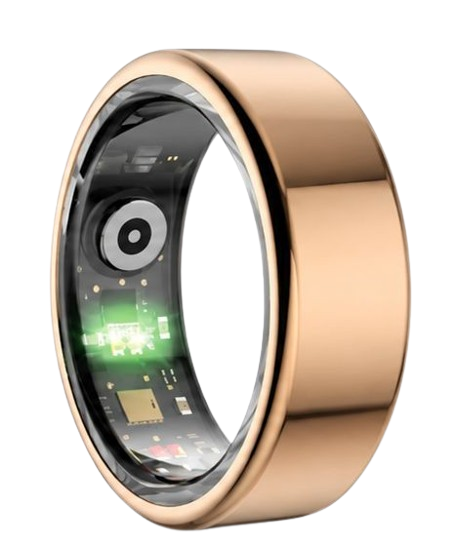
Explore the Herz P1 Smart Ring and see if it fits your lifestyle.
Call: 1-866-479-1629 — our team can help you advise on the correct ring size and set personalized health goals.
