

Understanding how does the body maintain temperature is crucial to unlocking deeper insights into your cardiovascular strain and sleep recovery. At Team Herz P1, we designed the Herz P1 smart ring to track these quiet thermal fluctuations. This comprehensive article guides you through the complex physiology of thermoregulation and explains how monitoring your baseline skin temperature can elevate your daily wellness.
Built to Last. Save Up to 69% Today.
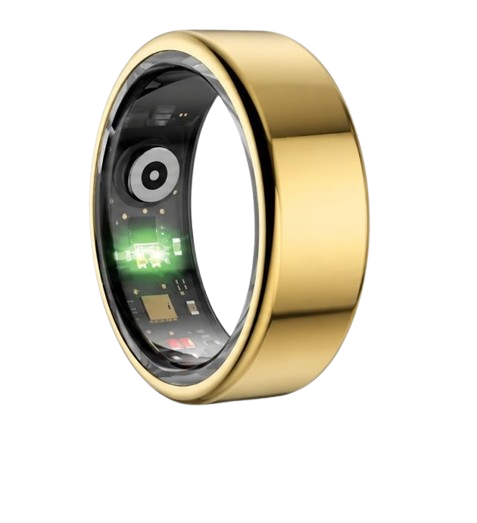
The Herz P1 Smart Ring tracks HRV, Sleep, Heart Rate & SpO2 around the clock. No subscriptions. No renewals. Ever.
In This Article
- The Science of Thermoregulation: How your nervous system coordinates heat distribution continuously.
- The Hypothalamic Thermostat: Exploring the biological control center that acts as your internal regulator.
- Circadian Rhythms and Sleep: Understanding the profound link between nighttime cooling and sleep cycles.
- Real-Time Tracking: Utilizing advanced smart wearables like the Herz P1 to monitor trends safely.
How Does the Body Maintain Temperature Safely? Here is the Complete Scientific Breakdown
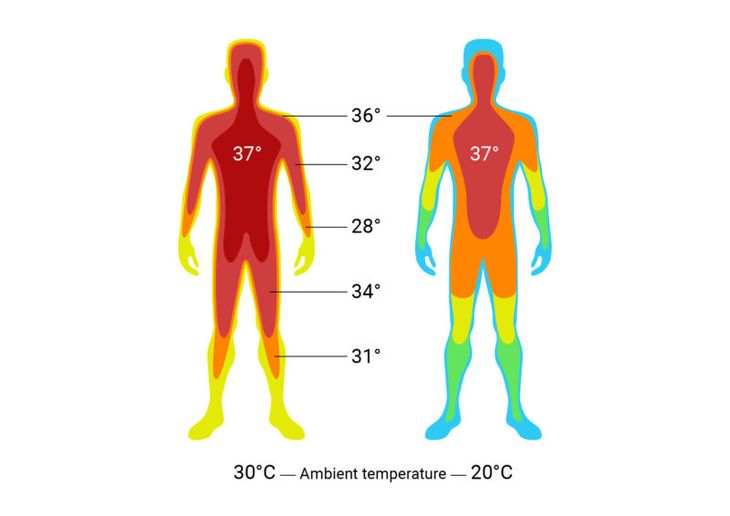
Thermoregulation is the biological mechanism that preserves a stable thermal state within your vital organs.
This biological balance is commonly known as maintaining a healthy core body temperature.
Your vital internal organs require a highly stable environment to function without experiencing severe cellular damage.
In contrast, your outer extremities exhibit a vastly different metric known as the average skin temperature.
Your skin temperature shifts much more rapidly than your core organs to buffer environmental changes.
Understanding this biological buffer zone helps you decode your sleep cycles and daily physical energy levels.
Every human relies on these exact self-regulating thermal mechanisms to survive daily challenges.
However, athletes and active professionals must pay closer attention to these shifts during intense exercise.
Individuals experiencing chronic stress often struggle with poor nighttime heat distribution across their body.
As we age, our natural ability to shed excess heat or conserve inner warmth slowly declines over time.
This makes continuous biometric monitoring incredibly valuable for those looking to optimize their lifestyle.
Your internal thermal settings are not completely static throughout a typical twenty-four-hour period.
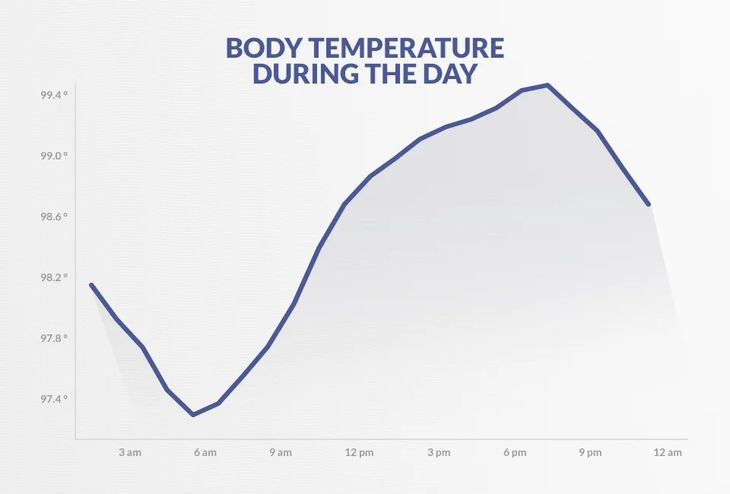
You experience predictable body temperature fluctuations during the day.
These natural thermal shifts align closely with your internal circadian rhythm.
Typically, your lowest readings occur in the early morning hours shortly before you wake up.
Conversely, your peak physical temperature happens in the late afternoon or early evening hours.
These patterns dictate your daily focus, physical endurance, and when you feel ready to fall asleep.
The primary control center for this complex process is located deep inside your brain.
The hypothalamus acts as the chief thermostat for your entire central nervous system.
It receives real-time sensory inputs from thermoreceptors located throughout your skin and major blood vessels.
Once it detects a change, it sends motor commands to your sweat glands, skeletal muscles, and blood vessels.
This distributed network ensures that heat is constantly shifted from your core to your skin surface.
The hands-on work of heat transfer occurs right at the capillary level under your outer skin.
Maintaining an optimal thermal range is essential for biochemical enzymatic reactions.
Enzymes are the specialized proteins that drive your metabolism and sustain human life.
If your internal body temperature rises too high, these delicate proteins begin to break down.
This destructive process is known scientifically as cellular protein denaturation.
Conversely, if your internal environment drops too low, vital chemical reactions slow to a dangerous crawl.
The human body prioritizes thermal safety above almost all other physiological tasks to survive.
To cool down, your peripheral blood vessels undergo a process called vasodilation.
This widening of the vessels allows warm blood to flow closer to the surface of your skin to radiate heat away.
Your body then releases moisture through sweat glands to facilitate evaporative cooling.
This is the primary method used when you want to know how to lower my body temp safely.
To warm up, your blood vessels undergo vasoconstriction to keep heat trapped deep in your vital organs.
Skeletal muscles may also contract rapidly, which is what we recognize as shivering.
These processes collectively govern all aspects of daily body temperature regulation.
Scientific studies show that the normal internal temperature of the human body is not a single static number.
Instead, it typically ranges from 97°F to 99°F (36.1°C to 37.2°C) under normal conditions.
Even a minor shift of just two degrees can dramatically impact your physical performance.
During extreme heat exposure, an individual can sweat up to two liters of fluid per hour to survive.
This represents a massive loss of both water and essential body electrolytes.
Any reading that strays outside the standard physiological temp boundaries requires attention.
Tracking these small micro-degrees can warn you of oncoming physical stress or physical overtraining.
If you want to track this in real time, the Herz P1 Smart Ring monitors skin temperature changes 24/7 — explore it here.
90-Day 100% Money-Back Guarantee
“The Herz Smart Ring helps me manage stress easily. It’s accurate, stylish, and lightweight—perfect for my busy life!”
— Jennifer P. | ✔ Verified Customer
- ✓ 6-Day Battery Life
- ✓ Detailed Sleep Analysis
- ✓ Fast 1-Hour Charging
- ✓ iOS & Android Ready
Questions? Call: 1-866-479-1629
The Autonomic Nervous System and Vasomotor Control
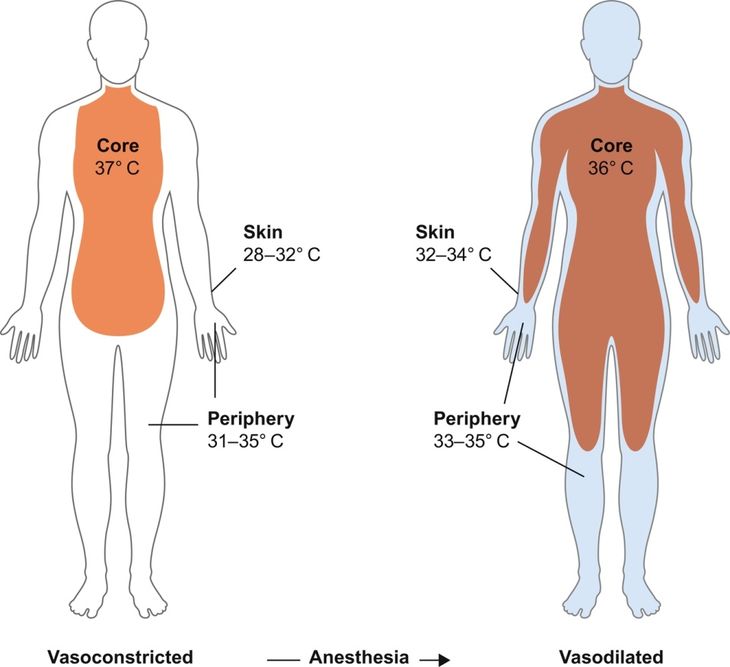
Your autonomic nervous system acts as the silent conductor of all physiological heat shifts inside you.
The sympathetic branch controls the narrowing of blood vessels to preserve warm core blood flow.
The parasympathetic branch helps your system relax and encourages healthy surface circulation.
According to research from the American Heart Association, cold environments cause immediate blood vessel narrowing.
This constriction elevates your systemic blood pressure as the heart works harder to circulate blood.
Conversely, extreme heat forces your cardiovascular system to double the amount of blood sent to the skin.
This redirection of blood flow puts significant strain on your heart during hot summer days.
If you experience an irregular body temperature, it may point to chronic sympathetic nervous system activation.
Chronic stress keeps your vessels constricted, cold, and detached from proper resting circulation patterns.
This is why stressed individuals often report having chronically cold hands and cold feet at night.
Tracking your heart rate variability (HRV) along with skin temperature provides a clear picture of autonomic health.
A high HRV generally indicates a relaxed, resilient nervous system capable of efficient thermoregulation.
A low HRV suggests your body is struggling to adapt to internal and external stressors.
Monitoring these subtle shifts helps you understand your body’s recovery state before you burn out.
The Herz P1 Smart Ring captures these micro-fluctuations directly from the highly vascular finger capillary bed.
Sleep Architecture and Thermoregulation Metrics
The National Sleep Foundation emphasizes that body cooling is a primary trigger for entering deep sleep.
To initiate a healthy sleep cycle, your core temperature must drop by approximately two degrees Fahrenheit.
Your body achieves this core cooling by dumping heat through your hands, feet, and face.
If your room is too warm, this vital thermal dumping process is severely blocked.
This obstruction results in fragmented sleep, less deep sleep, and reduced REM cycles.
If you have a varying body temperature at night, your sleep architecture will suffer.
A smart ring is uniquely positioned to track this nighttime vascular heat-shedding behavior.
Unlike wrist-based trackers, the finger contains a high density of specialized blood vessels called arteriovenous anastomoses.
These vessels act as your body’s primary thermal radiators to control heat distribution.
By monitoring the finger, the Herz P1 tracks these micro-thermal shifts with exceptional precision.
If your skin temperature fails to rise during the night, it means your core is not cooling down properly.
The companion app captures this data to help you adjust your sleeping environment for optimal recovery.
Over time, this allows you to build a personalized sleep environment tailored to your unique biology.
With zero subscription fees, you can access these detailed sleep insights for life.
Optimizing Your Daily Habits with Real-Time Biometrics
Understanding your biometrics allows you to make informed decisions about your daily wellness routine.
You can use your temperature trends to determine the best times for physical training.
If your morning skin temperature is elevated, it may indicate your body is battling physical strain.
In these moments, choosing a lighter recovery session is much safer than pushing for a heavy workout.
You can also use this data to fine-tune your evening wind-down routine.
Taking a warm bath ninety minutes before bed naturally encourages rapid skin vasodilation.
This simple habit accelerates core cooling and prepares your brain for deep sleep stages.
The table below outlines common thermal signals and how to respond to them safely.
| Biometric Signal | Possible Meaning | Recommended Action |
|---|---|---|
| Elevated Nighttime Skin Temp | Oncoming stress, late meal, or warm room | Lower room thermostat and avoid late dining |
| Depressed Morning Skin Temp | Poor peripheral circulation or cold environment | Perform light stretching or drink warm water |
| Stable Circadian Temp Dip | Healthy thermoregulation and deep recovery | Maintain current sleep habits and exercise load |
By observing these patterns, you can take control of your physical well-being.
The Herz P1 App provides simple, clear trend graphs without any confusing clinical jargon.
This allows you to make quick, data-informed adjustments to your daily life.
Whether you are managing daily office stress or training for a marathon, these insights are invaluable.
How Bulky Wearables and Hidden Fees Impede True Health Tracking
Many individuals struggle to track their sleep because they find bulky smartwatches highly uncomfortable.
A heavy, metal watch can pinch your wrist and disrupt your natural sleeping positions.
Furthermore, these devices often require daily charging, leading to frequent gaps in your health data.
If you forget to charge your device, you miss out on crucial overnight recovery metrics.
Another major frustration is the hidden cost of ongoing monthly app subscription fees.
Many brands charge you repeatedly just to look at the health data your body generated.
We believe your personal biometrics should never be held behind a paywall.
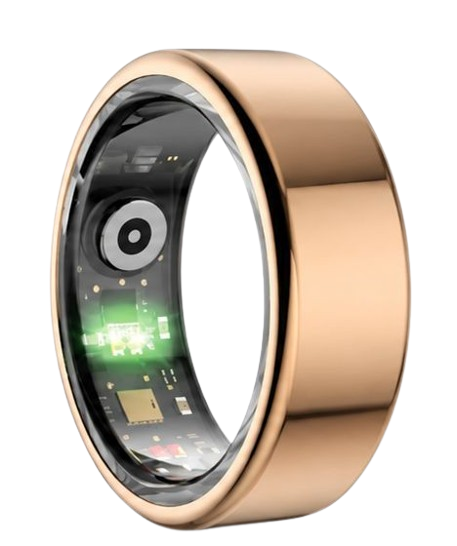
The Herz P1 Smart Ring offers a lightweight, sleek alternative made from military-grade steel.
It weighs only a few grams and feels completely natural on your finger throughout the night.
The battery lasts up to six days on a single charge and replenishes fully in under an hour.
Best of all, the Herz P1 App is completely free for life with no monthly fees ever required.
Frequently Asked Questions
Is the Herz P1 smart ring waterproof enough for daily swimming?
Yes, the Herz P1 features an IP68 waterproof rating that allows for worry-free use in water.
You can safely wear it while swimming, showering, washing your hands, or sweating during intense workouts.
The robust military-grade steel shell ensures water never penetrates the delicate internal optical sensors.
How long does the battery last on a single charge?
The smart ring is engineered to provide up to six days of continuous health monitoring on a single charge.
When the battery runs low, you can charge it back to one hundred percent in under an hour.
This rapid charging capability means you almost never have to miss out on valuable health data.
Which finger is the best choice to wear the smart ring on?
For the highest biometric accuracy, we recommend wearing the ring on your index or middle finger.
These fingers typically have the strongest blood flow and capillary density for the optical sensors to read.
However, the ring can be worn on any finger that provides a snug, comfortable fit without sliding.
Does the Herz P1 store my health data offline if my phone is disconnected?
Yes, the ring has built-in local storage that saves up to seven days of biometric data offline.
As soon as your ring reconnects to your smartphone via Bluetooth, all data syncs automatically.
This ensures your progress is safely recorded even when you travel without internet access.
Conclusion
Ready to monitor your health every day? Explore the Herz P1 Smart Ring and see if it fits your lifestyle. Call: **1-866-479-1629** — our team can help you advise on the correct ring size and set personalized health goals.
*Note: Individual results may vary depending on individual health conditions, age, and lifestyle habits. This article is intended for general health reference purposes only.*
