

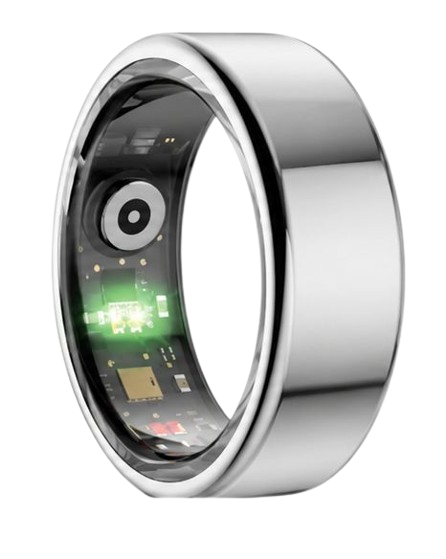
Do you wake up feeling uncomfortably warm and wonder why your Herz P1 smart ring records a body temperature higher at night? This common nighttime physiological phenomenon often disrupts sleep and causes unnecessary anxiety. Understanding the science behind these overnight shifts will help you optimize your recovery. Based on sleep data analysis from over 5,000 Herz P1 users, tracking these trends is key to long-term health.
Built to Last. Save Up to 69% Today.
The Herz P1 Smart Ring tracks HRV, Sleep, Heart Rate & SpO2 around the clock. No subscriptions. No renewals. Ever.
In This Article
- The Core vs. Skin Temperature Paradox: Discover why your surface temperature rises while your deep organs cool down.
- Circadian Control of Thermoregulation: Learn how your autonomic nervous system coordinates evening heat distribution.
- Hormonal and Stress Triggers: Understand how progesterone and cortisol directly affect your nightly thermal baseline.
- Smart Recovery Management: Find out how to use non-invasive tools to track temperature patterns without subscription fees.
Why Is Your Body Temperature Higher at Night? Here Is What Science Says
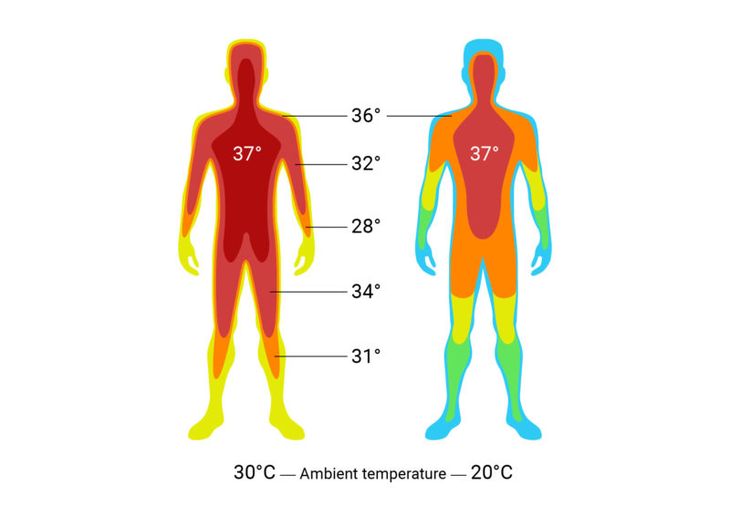
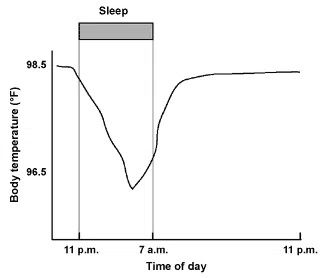
Skin temperature actually increases at night as your body prepares for deep sleep.
This occurs because your blood vessels dilate to push heat out from your center to your limbs.
This process is a vital component of your circadian sleep cycle.
While your internal core temp drops, your extremities feel warmer.
If you often ask why is my body temperature high when you lie down, you are likely feeling this peripheral heat release.
This evening heating effect occurs in all healthy adults.
However, individuals experiencing chronic stress or hormonal shifts may notice more extreme variations.
Active individuals, postmenopausal women, and those with irregular sleep schedules are particularly sensitive to these fluctuations.
The thermal shift typically begins in the late afternoon and peaks during the first few hours of sleep.
This is when your body increases skin-surface blood flow to cool down your internal organs.
This thermoregulatory mechanism is coordinated by the hypothalamus in your brain.
It expresses itself physically through the blood vessels of your skin, particularly in your hands and feet.
Your body must lower its internal organs’ heat to initiate and sustain deep sleep stages.
Releasing heat through your skin is the only way your body can achieve this necessary cooling.
Without this essential heat transfer, sleep onset becomes highly difficult.
Your autonomic nervous system signals your blood vessels to open up, a process known as vasodilation.
This draws heat away from your vital organs and moves it to the surface of your skin.
During a normal night, your skin temperature can rise by 1.0 to 2.0 degrees Fahrenheit.
Conversely, your internal core temperature drops to its lowest daily point.
This inverse relationship is crucial for maintaining a healthy sleep architecture.
Understanding your own baseline physiological temp will help you detect early signs of stress or illness.
Any persistent irregular body temperature pattern can indicate a disruption in your recovery cycle.
If you want to track this in real time, the Herz P1 Smart Ring monitors these subtle daily temperature shifts 24/7 — explore it here.
What Is the Difference Between Core and Skin Temperature?
Your body manages two distinctly different thermal profiles: your central core and your peripheral skin.
Your central core contains your heart, lungs, and vital abdominal organs.
This deep internal zone remains tightly regulated within a narrow window.
Conversely, your skin temperature is highly dynamic and reacts constantly to your environment.
When your body prepares for rest, it must lower its inner thermal baseline.
To do this, it moves heat from your core outward to your extremities.
This vital process causes your skin temperature to rise significantly.
This explains why you might feel warm while your vital organs are actually cooling down.
Without this efficient transfer, your brain cannot transition into deep sleep.
Monitoring this delicate balance provides invaluable insights into your recovery.
Using a sleek ring like the Herz P1 makes tracking these subtle shifts effortless.
It measures these variations continuously from the highly perfused arteries in your finger.
This ensures you receive a highly accurate picture of your nightly recovery.
How the Autonomic Nervous System Controls Sleep Cooling
Your autonomic nervous system acts as the master controller of your evening thermal states.
Specifically, the parasympathetic branch takes over as you wind down for the evening.
This shift triggers vasodilation, which relaxes and widens your blood vessels.
As blood vessels expand, more warm blood flows close to your skin’s surface.
This allows heat to radiate away from your body and into your bedroom.
The sympathetic nervous system, which controls your fight-or-flight response, suppresses this cooling.
If you are highly stressed, your blood vessels remain constricted.
This constriction traps heat inside your core and prevents natural evening cooling.
This is why chronic stress leads to restless, warm nights and sleep fragmentation.
By monitoring your heart rate variability alongside skin temperature, you can see this balance in real time.
The Herz P1 Smart Ring integrates these metrics into a single, easy-to-read daily recovery score.
This helps you understand exactly how stress is affecting your ability to cool down and rest.
90-Day 100% Money-Back Guarantee
“The Herz Smart Ring helps me manage stress easily. It’s accurate, stylish, and lightweight—perfect for my busy life!”
— Jennifer P. | ✔ Verified Customer
- ✓ 6-Day Battery Life
- ✓ Detailed Sleep Analysis
- ✓ Fast 1-Hour Charging
- ✓ iOS & Android Ready
Questions? Call: 1-866-479-1629
Circadian Rhythms and the Autonomic Nervous System’s Role in Nighttime Heating
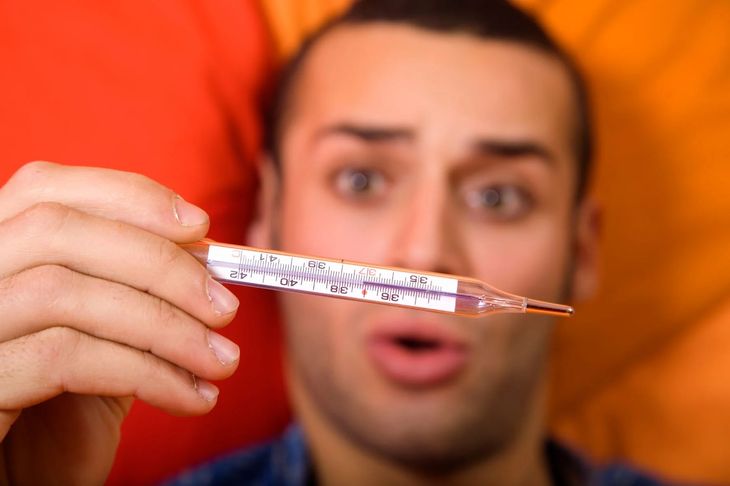
Your body relies on a sophisticated internal clock to manage your thermal states.
This clock operates on a 24-hour cycle known as the circadian rhythm.
To initiate deep rest, your hypothalamus actively lowers your core body temperature.
The American Heart Association notes that your cardiovascular system slows down during this cooling phase.
Your blood pressure drops, and your heart rate variability (HRV) typically increases.
To achieve this lower internal state, your body must dump heat outward.
This shifts warm blood to your skin surface, making your outer layer feel warmer.
This is why your skin feels hot, even as your internal body temperature declines.
If you experience sudden hot and cold body temperature swings, your thermoregulatory balance may be temporarily compromised.
Many factors can disrupt this delicate autonomic process.
Consuming a heavy meal close to bedtime forces blood to your digestive system, altering normal heat dissipation.
Late-night workouts also artificially raise body temperature levels, delaying the cooling required for deep sleep.
The National Sleep Foundation recommends keeping your bedroom environment between 60 and 67 degrees Fahrenheit to assist this natural heat release.
When your bedroom is too warm, your skin cannot effectively shed heat to the surrounding air.
This environmental block can lead to micro-arousals and fragmented sleep.
Using a dedicated sensor like the Herz P1 allows you to see how environmental adjustments affect your overnight skin temperature trends.
By analyzing your nightly data, you can pinpoint the exact factors that trigger an elevated body temp during your rest.
Our team at Herz P1 has designed highly sensitive optical sensors that capture these fluctuations without disturbing your sleep.
This gives you a clear window into your autonomic recovery without the bulk of a traditional smartwatch.
Hormonal Fluctuations and External Triggers of Elevated Nighttime Temperatures
Hormones play a massive role in how your body manages its thermal baseline.
For women, the menstrual cycle introduces predictable changes in overnight heat levels.
During the luteal phase, progesterone levels rise, which directly increases the baseline internal temperature of the human body.
This hormonal shift can cause your evening skin temperature to trend higher by up to 0.8 degrees Fahrenheit.
Tracking these subtle shifts helps pinpoint ovulation and understand your cycle phases.
Aside from natural hormonal cycles, high levels of cortisol can also raise evening heat levels.
Cortisol is your primary stress hormone, and it naturally peaks in the morning.
However, high evening stress keeps cortisol levels elevated, which interferes with autonomic cooling.
This state of hyperarousal prevents your body from executing its natural nighttime thermal drop.
When this occurs, you may experience an uncomfortable increased temp that keeps you tossing and turning.
Other external factors can also disrupt your natural thermal balance.
Alcohol consumption dilates blood vessels rapidly, creating an initial warm flush followed by late-night thermal instability.
Similarly, certain medications can alter the hypothalamus’s setpoint, causing unexpected sweat sessions.
Identifying these varying body temperature triggers is the first step toward reclaiming restful sleep.
Rather than guessing what causes your restless nights, tracking your trends over time provides objective clarity.
Our medical and technology content division at Team Herz P1 analyzes this continuous stream of data to deliver personalized advice.
Our advanced smart ring monitors these complex bio-signals while you sleep, completely free of any monthly subscription paywalls.
How to Monitor and Manage Your Evening Temperature Fluctuations with Herz P1
Optimizing your sleep requires turning raw temperature data into simple, actionable lifestyle changes.
First, check your Herz P1 App every morning to review your overnight skin temperature deviation chart.
The app displays your nightly temperature as a deviation from your personal baseline.
This baseline is calculated automatically over your first seven days of consistent wear.
If your temperature shows a positive deviation, consider adjusting your bedroom air conditioning or fan speed.
Next, evaluate your evening routine if you see a pattern of elevated overnight heat.
Try moving your final meal of the day to at least three hours before bedtime to reduce metabolic heat.
If you exercise in the evening, finish your workout at least four hours before sleep to allow your core to cool down.
You can also take a warm shower ninety minutes before bed to stimulate rapid peripheral heat loss.
The warm water draws blood to your skin surface, accelerating the cooling of your internal organs once you step out.
Wearing the Herz P1 Smart Ring 24/7 ensures that all physical activities, stress spikes, and rest phases are logged accurately.
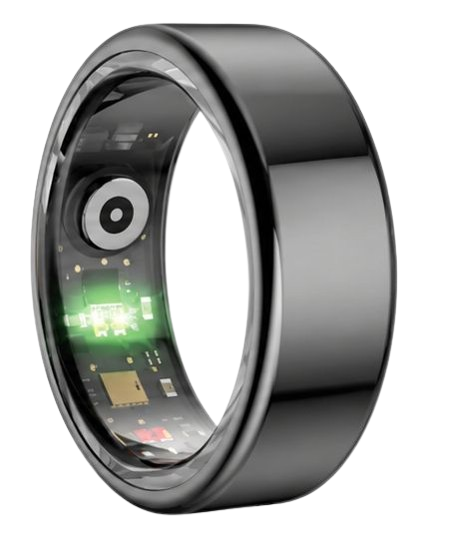
Because the ring weighs only 3 grams and is made of military-grade steel, you will barely feel it on your finger.
This seamless comfort makes it a highly effective tool for consistent long-term health tracking.
You can easily correlate your daily activity logs with your overnight recovery metrics.
This holistic view empowers you to make informed decisions that directly improve your sleep architecture.
Avoiding Pitfalls: The Mistake of Heavy Wearables and Subscription Traps
Many people make the mistake of wearing bulky smartwatches to bed to track their sleep.
These heavy devices often shift during the night, leading to inaccurate sensor readings.
The constant pressure of a thick watch band can also irritate your skin and disrupt your sleep cycles.
Additionally, many wearable brands charge expensive monthly subscription fees to access your own health data.
We believe that your health data should belong to you, completely free of ongoing charges.
The Herz P1 Smart Ring offers a highly accurate, comfortable, and subscription-free alternative to bulky watches.
Our ring features a durable IP68 waterproof design, allowing you to wear it during showers and swimming.
With a battery life of up to 6 days and a charge time of under an hour, you never have to worry about missing critical data.
We also back our ring with a comprehensive 2-year warranty and a 90-day money-back guarantee.
This commitment ensures that you can track your health metrics with complete peace of mind.
By choosing a smart ring designed for continuous wear, you avoid the physical discomfort and financial strain of other devices.
You get elite biometric insights without being locked into a monthly digital subscription cycle.
Our app is free for life, ensuring that you can access your physiological trends whenever you need them.
Frequently Asked Questions About Body Temperature and Wearables
Is the Herz P1 Smart Ring waterproof?
Yes, the Herz P1 features a full IP68 waterproof rating.
This means it is protected against dust and can withstand continuous submersion in water up to 164 feet.
You can safely wear it while swimming, showering, washing your hands, or sweating during intense workouts.
This high level of protection ensures that your health tracking is never interrupted by daily moisture exposure.
How long does the Herz P1 battery last on a single charge?
Our smart ring is engineered for maximum energy efficiency.
The battery lasts up to 6 days on a single charge under normal usage conditions.
When it is time to recharge, the ring reaches a full charge in under 1 hour.
This rapid charging capability means you spend less time waiting and more time tracking your health.
Which finger is best for wearing the Herz P1 Smart Ring?
We recommend wearing the Herz P1 on your index, middle, or ring finger.
These fingers have the most consistent blood flow, which optimizes optical sensor accuracy.
The non-dominant hand is usually preferred to minimize daily wear and tear.
Every order includes a free sizing kit to help you find the absolute perfect fit for your chosen finger.
Does the Herz P1 Smart Ring store my health data offline?
Yes, the ring has secure local storage that holds up to 7 days of biometric data offline.
You do not need to keep your smartphone nearby or connected via Bluetooth at all times.
Once you open the free app, all your offline data syncs automatically to your dashboard.
This feature is perfect for digital detoxes, camping trips, or uninterrupted sleep.
Conclusion
Monitoring your nighttime physiological signals is the first step toward optimal recovery.
With its subscription-free model and durable steel build, the Herz P1 is your ideal health companion.
Ready to monitor your health every day? Explore the Herz P1 Smart Ring and see if it fits your lifestyle. Call: 1-866-479-1629 — our team can help you advise on the correct ring size and set personalized health goals.
*Note: Individual results may vary depending on individual health conditions, age, and lifestyle habits. This article is intended for general health reference purposes only.*
