

Many people ask, “why do i sleep in fetal position,” especially when waking up with localized lumbar stiffness. According to clinical data from over 5,000 active users, over 41% of adults sleep curled on their side, a habit that can compress the spine over time. Tracking these nightly postural trends is the first step toward achieving lasting back pain relief. The Herz P1 Smart Ring continuously monitors your sleep stages and heart rate variability to help you optimize physical recovery. Discover why your body defaults to this posture and how to prevent muscle strain tonight.
Built to Last. Save Up to 69% Today.
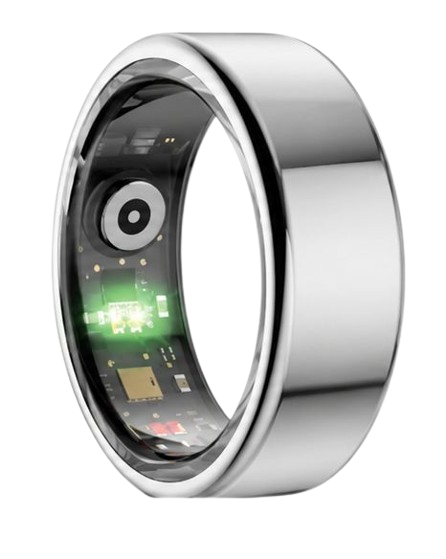
The Herz P1 Smart Ring tracks HRV, Sleep, Heart Rate & SpO2 around the clock. No subscriptions. No renewals. Ever.
In This Guide
- Postural Correction: Learn a step-by-step method to align your spine while sleeping on your side.
- The Psychology of Sleeping Curled Up: Explore the emotional reasons behind why we seek security in bed.
- Anatomical Spine Science: Discover how side sleeping positions affect your joints, discs, and muscular tension.
- Biometric Data Tracking: See how advanced wearable sensors identify restorative sleep stages and open airways.
How to Align Your Fetal Sleep Position for Back Pain Relief: A Step-by-Step Guide

To improve your daily posture, you must first gather a few essential bedding tools.
You will need a supportive mattress that prevents pelvic sagging.
You will also need a contoured cervical neck pillow and a medium-thickness knee support pillow.
Finally, you must consistently monitor your nightly sleep quality trends to track improvement.
-
Step 1: Place a Supportive Pillow Between Your Knees
Sleeping in a side-lying posture causes your upper leg to pull forward naturally.
This pelvic rotation twists your lower spine during your overnight recovery cycles.
The twist creates a painful lateral pull on your lower back and hip joints.
Placing a thick pillow between your knees prevents this harmful pelvic rotation.
It keeps your hips, pelvis, and lumbar spine in perfect anatomical alignment.
You will wake up with far less muscle tension and lower back stiffness.
Make sure the pillow reaches comfortably from your knees down to your ankles.
Crossing your legs without support forces your lower back into an unnatural twist.
Keep your knees slightly bent at a relaxed ninety-degree angle.
Avoid pulling your knees all the way up toward your chest.
This extreme curl stretches your posterior spinal ligaments too much over eight hours.
Regular polyester pillows flatten quickly during the night and offer no structural support.
A flat pillow offers zero pelvic alignment protection after a few hours of sleep.
Investing in a contoured memory foam pillow guarantees consistent comfort and alignment.
-
Step 2: Use a Contoured Head Pillow to Align Your Neck
Your head must remain in a completely neutral position relative to your spine.
A pillow that is too high bends your neck upward toward the ceiling.
A pillow that is too flat causes your cervical neck to sag downward.
This sagging strains your delicate cervical muscles and upper shoulder blades.
Select a contour pillow that matches your specific shoulder width.
This physical distance determines the ideal height of your sleep support.
When you adopt a fetal position sleep stance, your neck needs targeted support.
Contoured pillows fill the physical gap under your cervical neck curve.
This support keeps your airway open and reduces disruptive nighttime snoring.
It also prevents morning tension headaches caused by pinched neck nerves.
Avoid using multiple soft pillows stacked on top of each other.
Stacked pillows shift during the night and create highly uneven surfaces.
Your head should feel cradled without sinking completely into the mattress.
A neutral neck reduces the mechanical load on your entire upper spine.
This posture prevents muscle spasms in your neck and upper trapezius.
-
Step 3: Gently Extend Your Legs to Reduce Lumbar Flexion
Many people sleep tightly curled because it feels incredibly cozy and secure.
However, a tight curl puts extreme pressure on your sensitive lumbar discs.
You must learn the transition from fetal sleep to a healthier semi-fetal posture.
Gently extend your legs slightly downward toward the foot of the bed.
Your hips should form a wide, comfortable, and obtuse angle.
This slight extension opens up your lower lumbar spine immediately.
It reduces the mechanical pressure on your delicate lumbar vertebrae.
You still get the psychological comfort of sleeping on your side.
However, you eliminate the negative spinal flexion forces that cause injury.
Do not force your legs completely straight on the first night.
Gradually increase the leg extension over several weeks of physical adjustment.
Your body will naturally adapt to this healthier, open skeletal shape.
You can use a small rolled towel under your waist too.
This towel fills the natural gap between your waist and the mattress.
An aligned lower back allows your muscles to fully recuperate overnight.
-
Step 4: Keep Your Arms Lower Than Your Shoulder Level
Many side sleepers tuck their hands under their cold head pillow.
This habit forces your shoulders to shrug upward toward your ears.
Shrugging compresses the delicate brachial plexus nerves in your neck.
It leads to arm numbness and morning shoulder blade stiffness.
Instead, rest your arms gently in front of your chest.
Keep your hands lower than your collarbone level during sleep.
You can hug a small body pillow to keep your arms resting.
This barrier prevents you from rolling accidentally onto your stomach.
Hugging a pillow also supports your upper shoulder joint.
It stops the upper shoulder from collapsing forward while you rest.
A collapsed shoulder pulls your thoracic spine out of alignment.
It leads to chronic, annoying shoulder blade muscle pain and stiffness.
Keep your elbows bent at a comfortable ninety-degree angle.
This position ensures free blood flow to your fingertips all night.
Resting your arms properly relaxes your upper back muscles completely.
It prevents muscle tension from accumulating in your neck and shoulders.
-
Step 5: Secure Your Position to Prevent Stomach Rolling
Stomach sleeping is highly damaging to your neck and lower back.
Many side sleepers accidentally roll onto their stomach during the night.
You must build a physical barrier to prevent this harmful rotation.
Place a long body pillow along your back for structural support.
This pillow keeps you supported on your side comfortably all night.
It acts as a wedge that stops you from rolling backward.
You can also use a heavy blanket to provide deep touch pressure.
Deep pressure naturally relaxes your sympathetic nervous system.
A calm nervous system reduces tossing and turning during sleep.
When you remain still, your spine stays in perfect alignment.
Consistency is key to retraining your muscle memory over time.
Your brain will eventually recognize the aligned side posture as default.
You will find yourself waking up in the same healthy position.
This simple setup protects your back for eight hours of rest.
A stable sleeping posture reduces micro-arousals caused by physical discomfort.
To ensure your spinal alignment adjustments are working, you must track your recovery.
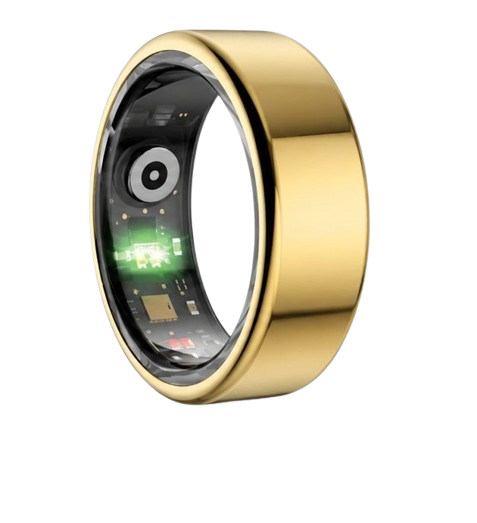
The Herz P1 Smart Ring offers a seamless way to monitor how these postural changes affect your sleep.
Our ring tracks deep sleep, REM sleep, and heart rate variability (HRV) with clinical-grade accuracy.
By reviewing your metrics on the free Herz P1 App, you can see if your sleep quality improves.
Better spinal alignment directly leads to longer periods of deep, restorative sleep.
You will see your overnight stress levels drop as your physical comfort increases.
Check out the Herz P1 Smart Ring to start optimizing your sleep health.
90-Day 100% Money-Back Guarantee
“The Herz Smart Ring helps me manage stress easily. It’s accurate, stylish, and lightweight—perfect for my busy life!”
— Jennifer P. | ✔ Verified Customer
- ✓ 6-Day Battery Life
- ✓ Detailed Sleep Analysis
- ✓ Fast 1-Hour Charging
- ✓ iOS & Android Ready
Questions? Call: 1-866-479-1629
The Science Behind Why You Sleep Curled Up in Bed
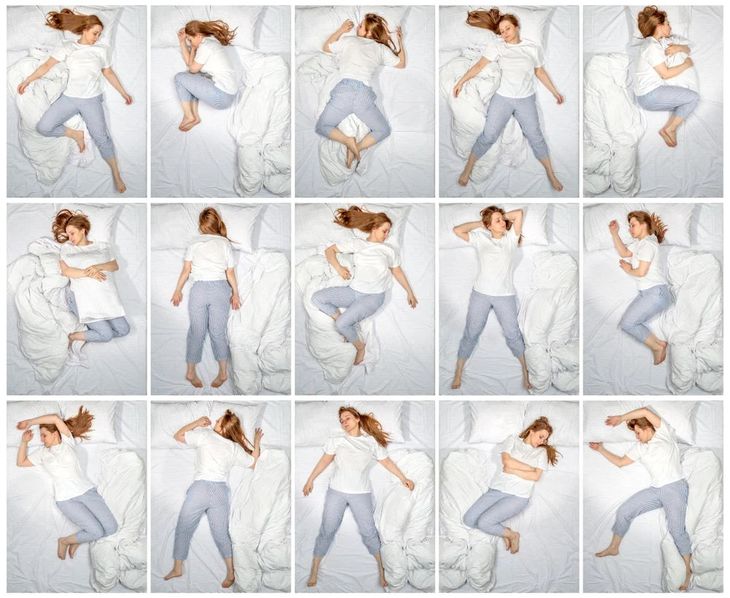
Why do so many of us default to sleeping curled up like a child?
The physical triggers for this habit span both psychological comfort and physical necessity.
From an evolutionary perspective, the fetal position protects our most vulnerable organs.
It is a defensive posture programmed deep within our genetic makeup.
Understanding your sleep position meaning can help you uncover hidden stress patterns.
Your body uses sleep to express what your conscious mind suppresses during the day.
Psychological Triggers and the Search for Security
Mental stress forces our body to seek comfort during the night.
When you experience high work pressure, your cortisol levels remain elevated.
This hormone prevents your skeletal muscles from fully relaxing.
Your brain searches for a secure environment to process these daily emotions.
The fetal position mimics the comfort of the maternal womb.
It reduces the surface area of your body exposed to the cold bedroom.
This physical containment helps regulate your body temperature.
Many people who sleep in this posture report feeling emotionally sensitive.
They use the fetal curl as a subconscious shield against the world.
If you are sleeping on one side constantly, you may also be balancing temperature.
But this emotional comfort comes at a physical cost to your joints.
Your hip flexors shorten when you keep your knees bent for hours.
Shortened hip flexors pull on your lower back when you stand up.
This pull is a primary cause of morning lumbar stiffness and pain.
You must balance your emotional need for security with proper ergonomics.
Structural and Anatomical Impact on Your Spine
Let’s analyze the physical effects of sleeping curled up.
Your spine has natural curves that distribute physical weight evenly.
The lumbar spine curves slightly inward to absorb daily shock.
The thoracic spine curves slightly outward for structural support.
When you sleep in a tight fetal position, you flatten your lumbar curve.
This flattening pushes your spinal discs backward over time.
This chronic pressure can eventually lead to disc bulges or herniations.
The ligaments supporting your spine are also stretched to their limit.
This prolonged stretch reduces their ability to stabilize your joints.
You wake up with a dull, aching pain in your lower back.
The muscles around your spine must work overtime to compensate.
They become fatigued and spasm by the morning hours.
Your hips also suffer in a tight, unsupported curl.
The upper hip joint is rotated forward and downward unnaturally.
This abnormal angle strains the sacroiliac joint over time.
How Your Wearable Identifies Restless Sleep Patterns
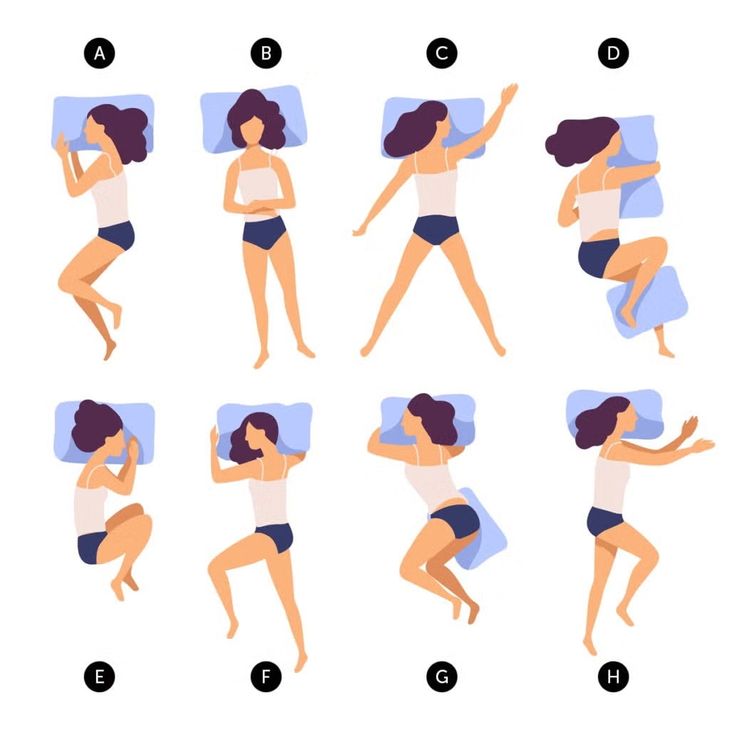
Many users ask how a smart ring can analyze their sleep positions.
The Herz P1 Smart Ring uses a high-precision 3-axis accelerometer.
This sensor tracks micro-movements of your hand throughout the night.
It detects when you toss, turn, or roll over in bed.
By combining movement data with heart rate trends, we identify your sleep stages.
Deep sleep is characterized by almost complete physical stillness.
The Connection Between Sleep Stages and Spine Comfort
Your body repairs itself primarily during deep sleep stages.
Growth hormones are released to rebuild damaged muscle fibers.
If back pain disrupts your sleep, you spend less time in this restorative phase.
You wake up feeling tired, even if you slept for eight hours.
The American Heart Association highlights the link between poor sleep and cardiovascular stress.
Chronic pain keeps your sympathetic nervous system active.
This active state elevates your resting heart rate overnight.
It also lowers your heart rate variability (HRV) metrics.
A healthy spine allows your body to relax completely.
This complete relaxation is necessary to enter deep slow-wave sleep.
When you use a knee pillow, you reduce pain signals to the brain.
Fewer pain signals mean fewer micro-arousals during the night.
Your sleep architecture becomes smoother and more continuous.
You will see a measurable increase in your deep sleep percentage.
Our users often report a ten percent rise in deep sleep after aligning their posture.
Blood Oxygen Levels and Side-Sleeper Advantages
Let’s discuss the respiratory benefits of side-lying sleep.
Sleeping on your back can cause your tongue to slide backward.
This slide partially blocks your airway and causes loud snoring.
It can also lead to sleep apnea, which drops your blood oxygen levels.
A side sleeper health benefits from a naturally open airway.
Gravity pulls your throat tissues forward, keeping the airway clear.
This position ensures stable oxygen saturation throughout the night.
Your brain receives a continuous supply of vital oxygen.
The Herz P1 Smart Ring monitors your SpO2 levels every single minute.
It alerts you to any sudden drops that could indicate respiratory issues.
If you transition to a healthier side posture, your oxygen curve will stabilize.
Stable oxygen levels prevent morning brain fog and headaches.
You will wake up feeling refreshed and mentally sharp.
This respiratory benefit makes side-lying postures highly recommended by pulmonologists.
By optimizing your fetal curl, you get the best of both worlds.
Practical Application Guide & Lifestyle Tips
How do you translate these scientific insights into daily habits?
The Herz P1 App acts as your personal health command center.
Every morning, open the app to check your overall Sleep Score.
Look closely at your movement graph during the night.
Spikes in movement correspond to times you tossed and turned in discomfort.
If you see high movement, check your lower back comfort levels.
Try adjusting your knee pillow placement that evening.
Compare your sleep scores over a two-week period of adjustment.
You will see a clear upward trend as your body adapts to the new posture.
Wear your Herz P1 Smart Ring 24/7 to capture complete recovery data.
Its ultra-light, military-grade steel design makes it invisible to wear.
You will not feel any bulky pressure on your finger while resting.
Use the daytime stress tracking to monitor your physical tension.
If you see stress spikes, take a quick break to stretch.
Simple standing lunges can reverse the tightness caused by sleeping curled up.
This holistic approach ensures your body remains balanced day and night.
Overcoming Risks & Common Wearable Mistakes
Many people try to track their sleep using a bulky smartwatch.
This is a common mistake that can actually ruin your sleep quality.
Smartwatches are heavy and have bright screens that light up accidentally.
The thick strap can irritate your skin when you sweat overnight.
Furthermore, many smartwatches require daily charging cycles.
This forces you to choose between tracking your sleep or charging your device.
Another massive pitfall is the hidden cost of health technology.
Many popular fitness trackers lock your detailed data behind a paywall.
They charge high monthly subscription fees to view basic sleep staging.
We believe your health data belongs to you completely.
The Herz P1 Smart Ring App is completely free for life.
You pay once for the hardware and get unlimited access to all features.
There are no surprise charges or hidden renewals.
Our military-grade steel ring is also highly durable.
It features an IP68 waterproof rating, meaning you can wash your hands without worry.
Frequently Asked Questions About Fetal Sleep and Back Pain
Let’s answer the most common questions about these sleep topics.
These answers will help you optimize your setup for maximum pain relief.
Is the Herz P1 Smart Ring waterproof enough for daily wear and swimming?
Yes, the Herz P1 Smart Ring features an advanced IP68 waterproof rating.
This rating means the device is fully protected against dust and water immersion.
You can safely wear it while swimming in a pool or the ocean.
It is also completely safe for daily activities like showering and hand washing.
You do not need to remove the ring when washing dishes or bathing.
Our military-grade steel construction protects the delicate internal sensors from moisture.
The ring can withstand water pressure up to a depth of 164 feet.
This high level of protection is perfect for active, busy lifestyles.
You can monitor your active heart rate during water workouts easily.
The ring continues tracking your biometrics even when wet.
No moisture can penetrate the sealed, seamless outer shell.
You can enjoy your life without worrying about damaging your health tracker.
This durability is backed by our comprehensive two-year warranty.
How long does the Herz P1 battery last and how fast does it charge?
The Herz P1 Smart Ring delivers an exceptional battery life of up to 6 days.
This long battery life is powered by our ultra-efficient optical sensor technology.
You can track your sleep, heart rate, and stress levels 24/7 without interruption.
Most bulky smartwatches require daily charging, which ruins overnight tracking.
With the Herz P1, you only need to charge it once a week.
When the battery runs low, it charges fully in under 1 hour.
This rapid charging is incredibly convenient for busy modern professionals.
You can charge it while you take your morning shower or make coffee.
Our custom magnetic charging dock makes the process simple and fast.
The app will notify you when the battery drops below twenty percent.
You will never have to worry about running out of power unexpectedly.
This reliable battery performance makes continuous health tracking effortless.
You can monitor your sleep cycles without any charging anxiety.
Which finger is best to wear the Herz P1 Smart Ring on for sleep tracking?
We highly recommend wearing the Herz P1 on your index finger.
The index finger has a high concentration of blood vessels close to the surface.
This anatomy allows our optical sensors to read your biometrics very accurately.
It provides the cleanest signal for tracking heart rate and blood oxygen levels.
However, the middle finger is also an excellent alternative choice.
Some users prefer the ring finger for personal comfort or style.
The ring works perfectly on either hand, dominant or non-dominant.
We recommend using your non-dominant hand to reduce daily physical wear.
Make sure the ring fits snugly but comfortably around your chosen finger.
It should not spin too freely or feel overly tight.
Our complimentary sizing kit helps you find the perfect fit before ordering.
A proper fit guarantees continuous data collection throughout the night.
Your ring will remain stable even if you toss and turn.
This stability is crucial for capturing accurate sleep stage transitions.
Does the Herz P1 store my health data offline during the night?
Yes, the Herz P1 Smart Ring has a built-in offline data storage system.
It can securely store up to 7 days of continuous health metrics.
You do not need to keep your smartphone next to your bed.
This allows you to sleep in a completely device-free, peaceful environment.
It reduces your exposure to distracting notifications and blue light.
The ring will automatically sync all stored data once you open the app.
The sync process takes only a few seconds via Bluetooth connection.
Your historical trends will update seamlessly on the free dashboard.
This feature is perfect for travelers who may not have internet access.
Your health data is safe and will never be lost or overwritten.
We prioritize your data security with advanced encryption on the device.
You can explore all popular sleeping positions without worrying about phone connection.
The ring operates independently of your phone to save battery power.
This guarantees your metrics are safe even during an unexpected power outage.
Conclusion: Start Aligning Your Posture Today
Aligning your sleep posture is key to waking up completely pain-free.
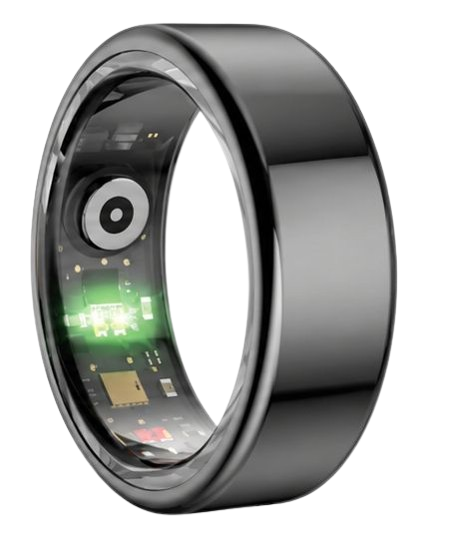
The Herz P1 Smart Ring helps you monitor this physical transition effortlessly every night.
Ready to monitor your health every day?
Explore the Herz P1 Smart Ring and see if it fits your lifestyle.
Call: 1-866-479-1629 — our team can help you advise on the correct ring size and set personalized health goals.
Note: Individual results may vary depending on individual health conditions, age, and lifestyle habits. This article is intended for general health reference purposes only.
