

Do you experience that frustrating state where you are sleepy but cant sleep? You lie awake for hours despite feeling completely drained. At Team Herz P1, we understand how nighttime restlessness affects your daily energy. That is why we developed the Herz P1 Smart Ring to help you decode your sleep metrics and reclaim your natural circadian rhythm.
Built to Last. Save Up to 69% Today.
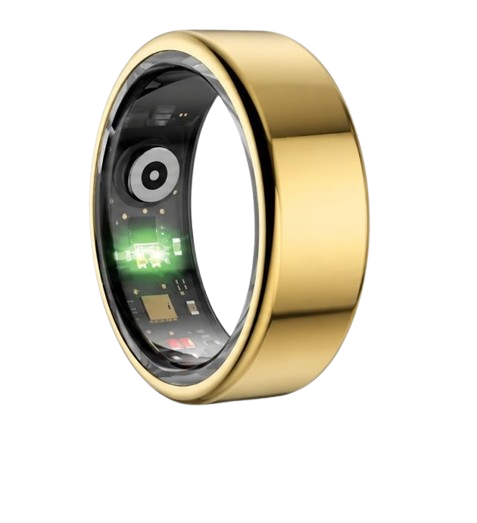
The Herz P1 Smart Ring tracks HRV, Sleep, Heart Rate & SpO2 around the clock. No subscriptions. No renewals. Ever.
In This Article
- The Science of Hyperarousal: Why your body stays awake when your brain is exhausted.
- Step-by-Step Recovery Guide: Five actionable steps to reset your nervous system.
- Deciphering Biomarkers: How tracking HRV and sleep latency reveals the true state of your health.
- Practical Lifestyle Audits: Easy changes to optimize your environment for immediate rest.
How to Fall Asleep Quickly When You Are Tired: A Step-by-Step Recovery Guide

Before you begin your recovery journey, you need to understand that the human body requires a safe, quiet baseline to transition into deep rest.
We recommend establishing a clean sleeping environment and setting aside a dedicated wind-down window of at least thirty minutes.
You do not need complex medical equipment to fix this pattern, but consistent daily application of basic sensory rules is absolutely required.
-
Step 1: Cool Down Your Core Temperature and Dim All Lights
Your brain requires a drop in core body temperature of about two degrees Fahrenheit to initiate melatonin secretion.
Set your bedroom thermostat between 65 and 68 degrees Fahrenheit to mimic this natural metabolic dip.
Dim your overhead lighting by at least fifty percent at least one hour before your target bedtime.
Avoid blue spectrum light from smartphones and televisions, as this mimics sunlight and suppresses natural melatonin release for hours.
-
Step 2: Apply the 20-Minute Rule to Avoid Associating Bed with Wakefulness
If you find that you can t sleep even when tired, do not remain in bed for longer than twenty minutes.
Lying awake in the dark teaches your brain that your mattress is a place for worry and mental chatter.
Get out of bed, move to a dimly lit room, and engage in a quiet, non-stimulating activity like reading a physical book.
Understanding what sleep latency means will help you realize that you should not force sleep onset.
Return to bed only when your eyelids feel heavy and you are genuinely ready to drift off.
-
Step 3: Calm Your Autonomic Nervous System with Deep Breathing
When you feel very tired but can’t sleep, your sympathetic nervous system is highly active.
You can actively shift your body into a parasympathetic recovery state by practicing the 4-7-8 breathing method.
Inhale through your nose quietly for four seconds, hold your breath for seven seconds, and exhale completely through your mouth with a whoosh sound for eight seconds.
Repeat this cycle four times to slow down your resting heart rate and reduce circulating stress hormones.
This simple pattern works as a physical brake pedal for your racing mind.
-
Step 4: Audit and Correct Your Bad Sleep Habits
Eliminating stimulant intake, especially caffeine, after noon is critical for high-quality rest.
You must actively break bad sleep habits such as looking at your clock repeatedly throughout the night.
Clock-watching triggers immediate performance anxiety and floods your system with cortisol.
Keep your phone far out of arm’s reach to prevent the temptation of checking the time during wakeful windows.
Establish a regular wake-up time that remains identical on both weekdays and weekends.
-
Step 5: Measure and Optimize Your Sleep Onset Latency
You should understand how long does it take to fall asleep on average for healthy adults.
A normal sleep latency window spans between ten and twenty minutes.
If you fall asleep instantly in under five minutes, you are likely suffering from severe physical exhaustion.
If it takes you over thirty minutes to drift off, your arousal levels are too high.
Learning how long should it take to fall asleep allows you to set realistic expectations and reduce performance stress.
The premium Herz P1 Smart Ring makes tracking this process effortless by monitoring your continuous physiological signals without a bulky screen.
By measuring your exact skin temperature and heart rate drop patterns, the companion app tells you exactly when your body is primed for sleep.
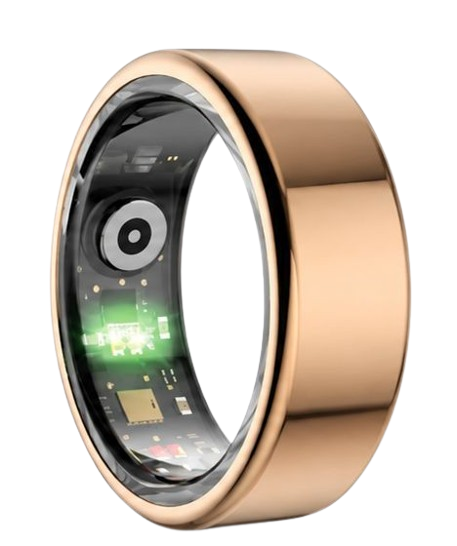
You can explore the sleek design and lifetime app tracking features of the Herz P1 Smart Ring to upgrade your nightly recovery toolkit.
90-Day 100% Money-Back Guarantee
“The Herz Smart Ring helps me manage stress easily. It’s accurate, stylish, and lightweight—perfect for my busy life!”
— Jennifer P. | ✔ Verified Customer
- ✓ 6-Day Battery Life
- ✓ Detailed Sleep Analysis
- ✓ Fast 1-Hour Charging
- ✓ iOS & Android Ready
Questions? Call: 1-866-479-1629
Why You Are Very Tired but Can’t Sleep: The Science of Nighttime Hyperarousal

Many individuals wonder what does it mean when your tired but can’t sleep during stressful seasons of life.
This state is clinically known as physiological hyperarousal.
Your brain is physically exhausted, but your autonomic nervous system remains stuck in fight-or-flight mode.
This imbalance occurs when your adrenal glands release too much cortisol late in the evening.
Cortisol is your primary stress hormone, designed to keep you alert and focused on threats.
Normally, your cortisol levels should decline steadily throughout the afternoon and reach their lowest point around midnight.
When chronic stress disturbs this rhythm, your body continues to produce cortisol when it should be producing melatonin.
This hormonal conflict leaves you feeling physically heavy but mentally wired.
The National Sleep Foundation reports that high evening cortisol levels directly cause frequent nighttime awakenings and light sleep patterns.
Additionally, modern habits like working late or drinking caffeine in the afternoon delay your natural sleep onset.
By monitoring your biometrics closely, you can identify exactly when your stress levels spike during the day.
The Herz P1 Smart Ring tracks your heart rate variability (HRV) and skin temperature around the clock to give you clear stress insights.
With an active HRV tracking sensor, you can see if your stress index fails to drop as bedtime approaches.
The Impact of Cumulative Sleep Debt and Autonomic Stress
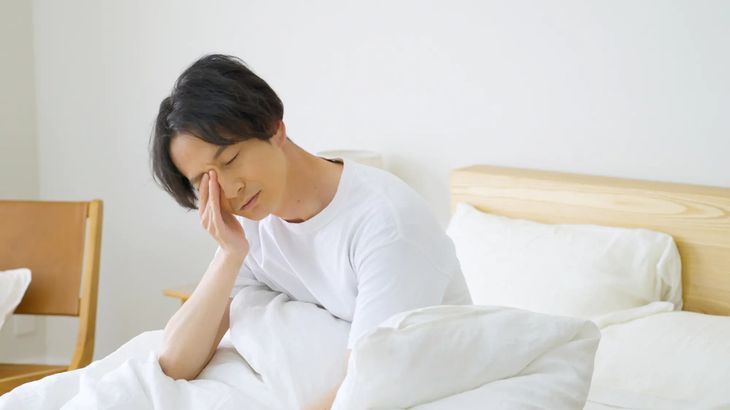
When you suffer from persistent insomnia, you naturally accumulate a high amount of sleep debt over time.
Many people believe they can recover from this deficit by sleeping in late over the weekend.
However, relying on the catching-up-on-sleep-myth often disrupts your circadian rhythm even further.
Irregular sleep patterns confuse your internal biological clock and make Sunday night sleep onset even more difficult.
To fix this, you must first calculate your exact sleep deficit using a reliable sleep debt tracker app.
Knowing how to calculate sleep debt gives you a clear target for consistent sleep recovery.
You can pay down this debt gradually by going to bed fifteen minutes earlier each night.
The American Heart Association emphasizes that high sleep debt elevates your resting heart rate and increases blood pressure over time.
Your heart rate variability (HRV) acts as a direct window into your autonomic nervous system’s health.
A high HRV score indicates that your body is relaxed, adaptable, and ready for deep recovery.
A low HRV score suggests that your nervous system is stuck in a chronic state of fatigue and physical stress.
By wearing the Herz P1 Smart Ring, you get continuous HRV updates every five minutes to monitor your recovery trends.
Our military-grade steel ring tracks these subtle heart signals with medical-grade precision and no skin irritation.
Practical Application Guide: Optimizing Your Rest with the Herz P1 App
To start monitoring your rest effectively, you simply wear the Herz P1 Smart Ring on your index or middle finger.
The ring’s inner surface features medical-grade optical sensors that read your blood vessels directly.
Every morning, open the free companion app to sync your overnight biometric data automatically.
The app dashboard displays a comprehensive Sleep Score based on your total sleep duration, deep sleep, REM sleep, and sleep latency.
If you see a low sleep latency score, it means you fell asleep too quickly due to high physical exhaustion.
If your sleep latency exceeds thirty minutes, check your daily stress index for late-afternoon cortisol spikes.
You can use these clear trends to adjust your evening exercise times and wind-down habits.
For example, if your HRV remains low after a late-night workout, try moving your training sessions to the morning.
The lightweight ring is completely comfortable to wear 24/7, making it easy to track changes in your resting heart rate over several weeks.
Unlike heavy, glowing smartwatches, the Herz P1 has no bright screen to disrupt your dark bedroom environment.
Overcoming Smartwatch Pitfalls and Managing Wearable Costs
Many people try to track their sleep using a bulky smartwatch with a large touch screen.
However, wearing a heavy device to bed often causes physical discomfort and leads to fragmented sleep patterns.
Furthermore, smartwatch screens can turn on accidentally during the night, exposing your eyes to sleep-disrupting blue light.
Another common source of frustration is the high cost of subscription fees on premium health apps.
Many smart rings lock your detailed sleep data behind expensive monthly paywalls after purchase.
At Team Herz P1, we believe your personal health data should belong to you forever with no hidden costs.
The Herz P1 Smart Ring requires absolutely no monthly subscription or ongoing fees to access all advanced metrics.
Our companion app is completely free for life, giving you unlimited access to HRV, SpO2, and deep sleep trends.
Our military-grade steel construction is highly scratch-resistant and built to survive heavy daily use.
You can wear your ring during intense gym sessions or hand-washing without worrying about water damage.
Frequently Asked Questions (FAQ)
Is the Herz P1 Smart Ring waterproof?
Yes, the Herz P1 features a certified IP68 waterproof rating that allows safe submersion up to 164 feet deep. You can wear it confidently while swimming, showering, or washing your hands without any risk of water ingress.
How long does the ring’s battery last on a single charge?
The Herz P1 battery lasts up to 6 days under normal daily use conditions. It charges fully in under 1 hour using the included rapid magnetic charging dock.
Which finger is best to wear the smart ring on for maximum accuracy?
We recommend wearing the Herz P1 on your index finger of either hand for the most accurate optical sensor readings. However, the middle and ring fingers also provide highly reliable biometric data tracking.
Does the ring store my biometric data offline when not connected to my phone?
Yes, the Herz P1 has built-in flash memory that safely stores up to 7 days of continuous health data offline. Your data will sync automatically the next time you open the companion app on your phone.
Conclusion: Take Control of Your Sleep Quality Today
Understanding why you are sleepy but unable to sleep is the first step toward fixing your nocturnal recovery cycles.
By monitoring your biometrics with a dedicated tracker, you can actively reduce your daily stress patterns.
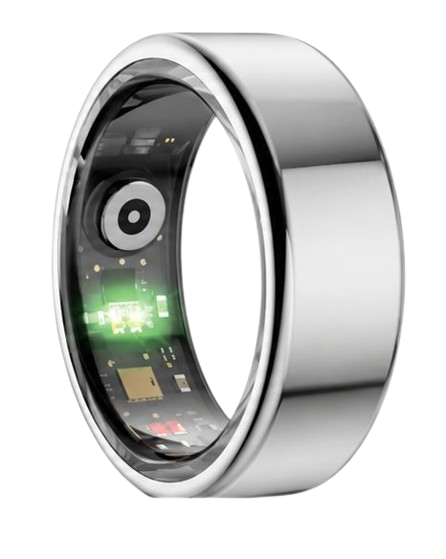
The premium Herz P1 Smart Ring provides the precise, subscription-free physiological insights you need to make lasting improvements.
Ready to monitor your health every day? Explore the Herz P1 Smart Ring and see if it fits your lifestyle. Call: 1-866-479-1629 — our team can help you advise on the correct ring size and set personalized health goals.
Note: Individual results may vary depending on individual health conditions, age, and lifestyle habits. This article is intended for general health reference purposes only.
