

Are you struggling with persistent daytime fatigue and seeking to overcome the destructive impact of bad sleep habits on your daily health? According to clinical research, nearly seventy percent of adults unknowingly compromise their sleep quality through improper nighttime routines. Here at Team Herz P1, we designed the Herz P1 smart ring to help you monitor physiological metrics, systematically dismantle these negative patterns, and unlock deeply restorative rest tonight.
Built to Last. Save Up to 69% Today.
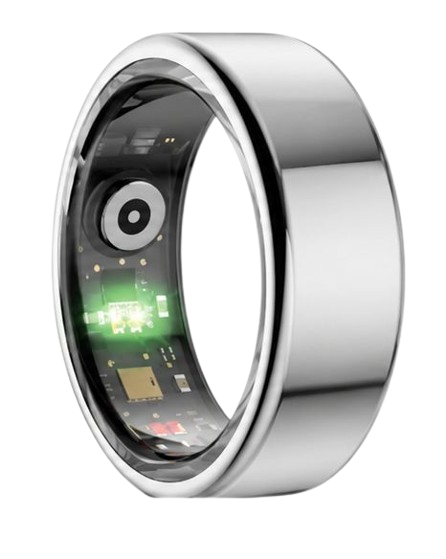
The Herz P1 Smart Ring tracks HRV, Sleep, Heart Rate & SpO2 around the clock. No subscriptions. No renewals. Ever.
In This Article
- Identify and Dismantle: Discover how to isolate and systematically break bad sleeping habits.
- Environmental Optimization: Learn to design an effective evening sequence and optimize your physical bedroom environment.
- The Biometric Connection: Understand the vital science behind Heart Rate Variability, sleep stages, and oxygen tracking.
- Lifetime Analysis: Explore practical strategies to analyze biometric data using a subscription-free smart ring.
- Comfort vs. Bulk: Avoid common recovery mistakes, including bulky wearable discomfort and hidden monthly app fees.
How to Break Bad Sleep Habits: A Step-by-Step Guide to Deeper Rest

Prerequisites and What You Will Need
Before you begin your journey to dismantle sleep-depriving routines, you must gather a few key tools and cultivate the correct mental approach.
First, you need a structured method to track your daily routines, which can be as simple as a physical notebook or a digital spreadsheet.
Second, having an advanced, continuous physiological monitoring tool like the Herz P1 Smart Ring will provide the objective data needed to guide your decisions.
Third, you must prepare yourself to commit to these lifestyle adjustments for a minimum of fourteen consecutive days to see measurable biological changes.
Fourth, a willingness to make minor adjustments to your immediate sleeping environment is crucial for achieving the best possible results.
Finally, a positive and patient mindset is necessary, as neural pathways associated with lifetime habits require time and repetition to reshape.
-
Step 1: Audit Your Current Routines to Identify Specific Habits
The first critical action in your recovery process is to objectively identify bad sleep habits.
Many people do not realize that minor evening behaviors, such as eating a sugary snack at nine, can severely disrupt sleep architecture.
We recommend keeping an honest daily log of every activity you perform in the three hours leading up to bedtime.
Note down your exact screen usage, food intake, alcohol consumption, and any work-related tasks you complete.
By exposing these patterns to conscious scrutiny, you gain the precise self-awareness required to initiate meaningful changes.
This detailed behavioral audit removes all guesswork, allowing you to target your efforts where they will have the greatest impact.
-
Step 2: Redesign Your Physical Sleeping Sanctuary
Once you have identified your negative patterns, you must immediately work to improve poor sleep hygiene within your bedroom.
Your physical sleeping environment should be a sacred space dedicated exclusively to rest, relaxation, and recovery.
Start by installing high-quality blackout curtains to block out all light pollution from streetlamps or passing vehicles.
Next, adjust your home thermostat to maintain a cool, comfortable temperature between sixty and sixty-seven degrees Fahrenheit.
Remove any glowing electronics, noisy appliances, or distracting clutter that could trigger subconscious stress or alert states.
These immediate environmental modifications signal to your deep biological clock that it is safe to begin the sleep process.
-
Step 3: Establish an Absolute Screen-Time Curfew
The artificial high-energy blue light emitted by modern digital screens is a primary driver of sleep-onset delay.
To protect your brain’s natural chemistry, you must make a conscious effort to stop late night screen time habits at least sixty minutes before trying to sleep.
This blue light actively suppresses the pineal gland’s secretion of melatonin, tricking your brain into thinking it is still daytime.
Instead of scrolling through social media, select alternative offline things to do before bed that encourage calm reflection.
Consider listening to an audiobook, sketching in a notepad, or simply enjoying the quiet of your peaceful bedroom.
Implementing this strict digital curfew allows your brain to transition into the deep, natural sleep states your body craves.
-
Step 4: Craft a Personalized Evening Transition Sequence
Your body requires a gentle ramp-down period to shift from active daytime performance to deep nighttime rest.
Creating a structured, repetitive calming bedtime routine prepares your autonomic nervous system for recovery.
Your sequence might include taking a warm shower, doing light mobility exercises, or practicing gentle breathing techniques.
By consistently repeating these exact actions every night, you establish a powerful physiological anchor for relaxation.
You can discover highly effective methods to design your evening sequence in our detailed wind down routine guide.
This dedicated transition period acts as a vital psychological buffer, preventing the stresses of the day from ruining your night.
-
Step 5: Actively De-escalate Mental Stress and Cognitive Load
An overactive mind filled with unfinished tasks or tomorrow’s worries is a major obstacle to falling asleep quickly.
To combat this, you must learn how to relax before bed by actively offloading your daily cognitive load.
Try spending five minutes performing a mental brain-dump by writing down all your current worries or tasks on paper.
This physical act of writing externalizes your stress, signaling to your subconscious mind that it can safely stop problem-solving.
Follow this by practicing deep diaphragmatic breathing to stimulate your vagus nerve and lower your heart rate.
These simple behavioral interventions shift your nervous system from a state of high alert into a state of deep, peaceful surrender.
-
Step 6: Align Your Daily Schedule with Your Biological Chronotype
Forcing yourself to adhere to an artificial sleep schedule that conflicts with your biology is a major cause of sleep fragmentation.
To solve this, you must modify your routines to build a healthy sleep schedule that respects your personal biological patterns.
Take the time to identify your unique sleep chronotype to understand your natural peak times for resting and waking.
Once you establish this window, commit to waking up at the exact same hour every day, including on weekends.
This consistent wake-up anchor stabilizes your internal circadian clock, making nighttime sleep onset incredibly predictable.
When your lifestyle aligns with your internal biology, you will naturally wake up feeling refreshed rather than completely exhausted.
How the Herz P1 Smart Ring Reinforces Your New Habits
Our engineering team at Herz P1 designed our tracking ring to serve as your ultimate partner in this behavioral transformation.
Instead of relying on subjective feelings, you can use our precise biometric data to see exactly how your body responds.
By tracking your sleep stage percentages, overnight heart rate, and HRV trends, you can easily verify which habits are working.
The Herz P1 Smart Ring operates without any monthly subscription fees, giving you full lifetime access to your detailed recovery data.
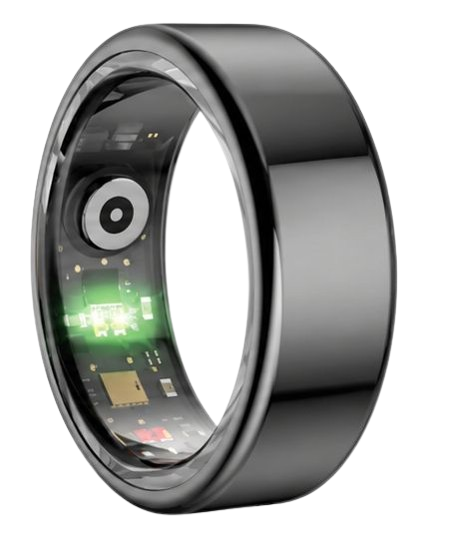
Explore how our lightweight, military-grade steel Herz P1 smart ring can elevate your daily recovery today.
90-Day 100% Money-Back Guarantee
“The Herz Smart Ring helps me manage stress easily. It’s accurate, stylish, and lightweight—perfect for my busy life!”
— Jennifer P. | ✔ Verified Customer
- ✓ 6-Day Battery Life
- ✓ Detailed Sleep Analysis
- ✓ Fast 1-Hour Charging
- ✓ iOS & Android Ready
Questions? Call: 1-866-479-1629
What Your HRV Score Actually Tells You About Bad Sleep Habits
Heart rate variability, or HRV, is the measurement of the millisecond variations in time between consecutive heartbeats.
This complex biometric is directly regulated by your autonomic nervous system, which manages your physiological stress responses.
A higher HRV score indicates a balanced nervous system that is highly resilient, adaptable, and fully recovered.
Conversely, a low HRV score reveals that your body is locked in a prolonged state of physical or emotional stress.
When you actively work to break bad sleeping habits, your autonomic nervous system begins to heal.
According to the American Heart Association, keeping a close eye on your HRV trends can provide early warnings of physiological strain.
Common nighttime habits, such as eating heavy meals or drinking alcohol, will cause your overnight HRV to drop sharply.
These substances keep your metabolic system working hard, preventing your cardiovascular system from entering a relaxed state.
By tracking your HRV every five minutes, the Herz P1 Smart Ring delivers an exceptionally clear picture of your recovery.
You will observe a steady, measurable rise in your morning HRV as you replace poor evening routines with healthy choices.
This objective feedback turns the abstract concept of health into a highly motivating, personalized science.
Rather than guessing if your new routines are effective, you can confirm their success through precise biometric trends.
Our users frequently report that seeing their HRV improve in real-time gives them the confidence to stick with their routines.
The Herz P1 gives you these medical-grade insights in an elegant, durable ring that fits comfortably on any finger.
With our free companion app, you can review your complete physiological history without any hidden monthly subscription charges.
The Science of Sleep Architecture: Deep and REM Sleep Demystified

Sleep is a highly structured, active biological process composed of several repeating ninety-minute cycles.
To achieve true cellular recovery, your brain must transition smoothly through light, deep, and REM sleep stages.
The National Sleep Foundation states that healthy adults must spend approximately twenty percent of their night in deep sleep.
Deep sleep is the physical restoration phase, during which your body repairs muscles, builds tissues, and boosts immune function.
During this slow-wave phase, your brain also flushes out metabolic waste products that accumulate during the day.
REM sleep, on the other hand, is the cognitive restoration phase, vital for memory consolidation, learning, and emotional health.
If you maintain chronic bad sleep habits, you risk severely fragmenting these vital recovery stages.
Late-night screen time or high stress levels can trigger frequent, microscopic awakenings that disrupt your natural sleep cycles.
This fragmentation is why you might wake up feeling completely exhausted despite spending eight full hours in bed.
The Herz P1 Smart Ring utilizes advanced multispectral optical sensors to track your heart rate and movement throughout the night.
Our proprietary algorithms analyze these signals to map your sleep architecture with an eighty-two percent agreement rate versus clinical polysomnography.
Having access to this clear, daily breakdown allows you to identify exactly where your sleep is being interrupted.
You can then use this data to modify your routines and target the specific habits that are robbing you of rest.
By continuously tracking these trends, you can systematically build a lifestyle that supports deep, natural healing every single night.
Our commitment to sensor accuracy ensures you receive trustworthy, actionable information to guide your wellness journey.
How Continuous Blood Oxygen (SpO2) and Daytime Stress Shape Your Night
Your blood oxygen saturation, or SpO2, is another foundational metric that directly affects the quality of your sleep.
During healthy sleep, your SpO2 levels should remain consistently between ninety-five and one hundred percent.
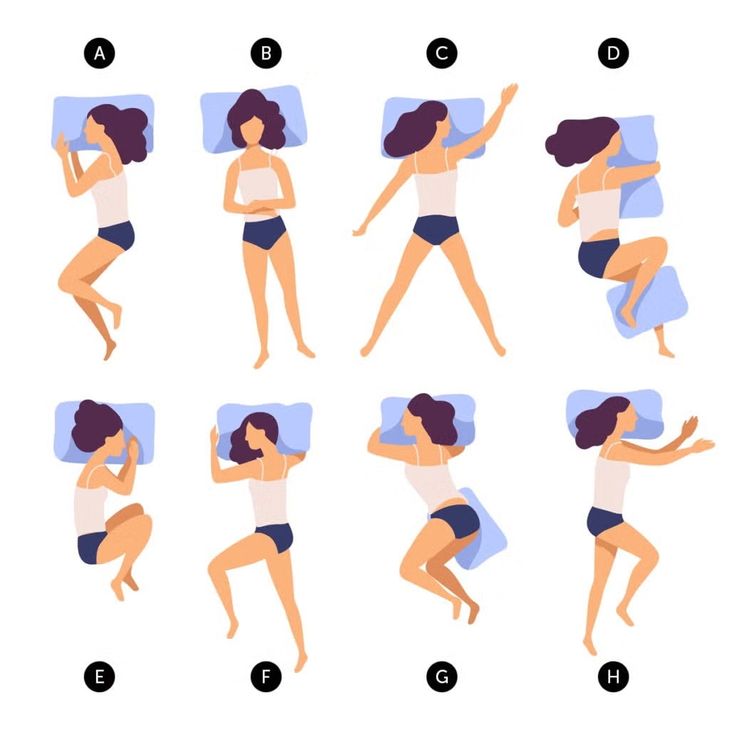
If your room is poorly ventilated, or if your sleep posture restricts your breathing, your oxygen levels can drop overnight.
These drops force your heart to beat faster to deliver oxygen to your vital organs, which interrupts deep sleep.
The Herz P1 Smart Ring monitors your SpO2 continuously throughout the night, alerting you to any significant drops.
At the same time, managing your daytime stress levels is absolutely critical for achieving high-quality rest at night.
If your nervous system remains in a high-stress state during the day, your body will struggle to unwind at bedtime.
Our smart ring tracks your physical stress index every five minutes by analyzing patterns in your heart rate and HRV.
This detailed tracking allows you to see exactly which workday activities cause your physical stress levels to spike.
By identifying these high-stress events, you can implement deep breathing exercises before the stress ruins your sleep.
Integrating these daytime recovery practices with your evening sequence is the ultimate formula for deeper rest.
Our companion app presents all of this data in simple, interactive charts that help you connect the dots between stress and sleep.
This comprehensive view of your body signals empowers you to take control of your health with absolute clarity.
The Herz P1 makes this advanced wellness technology accessible to everyone, with no hidden fees or monthly costs.
Our durable, military-grade steel ring is designed to be your reliable health companion for years to come.
Practical Tips for Navigating Your Daily Herz P1 Biometric Dashboard
The true value of any biometric wearable lies in your ability to translate raw numbers into practical, daily actions.
When you wake up, open the Herz P1 companion app to automatically sync the data collected during the night.
Begin by checking your morning Sleep Score, which gives you an immediate overview of your sleep quality.
If your score is lower than normal, look closely at the deep sleep and REM sleep stage durations.
A clear deficit in these stages suggests that you should prioritize relaxation and avoid intense workouts during the day.
Next, check your overnight heart rate dip to see if your cardiovascular system fully relaxed during the night.
If your heart rate remained elevated, it might be a sign that you need to move your last meal to an earlier hour.
Our smart ring is engineered for comfortable, continuous twenty-four-seven wear to ensure no gaps occur in your health data.
The lightweight, hypoallergenic design feels completely natural on your finger, allowing you to sleep peacefully without irritation.
This stands in stark contrast to heavy smartwatches, which can pinch your skin and cause unwanted micro-awakenings.
By using real-time data to guide your habits, you turn the complex science of recovery into simple, daily choices.
Our lifetime-free app keeps all your historical trends secure, helping you track your progress over months and years.
Common Pitfalls to Avoid When Optimizing Your Recovery Journey
A major mistake many individuals make is attempting to change all their daily habits overnight.
This aggressive approach often leads to intense cognitive fatigue, causing people to quickly revert to their old routines.
We highly recommend focusing on one small habit at a time, such as setting a strict digital curfew.
Once that habit becomes automatic, you can confidently move on to the next behavioral adjustment.
Another common pitfall is wearing bulky, uncomfortable smartwatches to track your sleep quality.
These large devices often interrupt your sleep stages physically, ruining the very recovery you are trying to measure.
Furthermore, many tracking brands surprise customers with ongoing monthly app subscriptions to access their data.
These recurring fees can turn a simple health tool into a frustrating and costly financial obligation.
At Team Herz P1, we believe you should always have full, unrestricted access to your personal health metrics.
That is why our advanced companion app is completely free for life, with absolutely zero monthly subscriptions.
We back our durable, IP68 waterproof smart ring with a comprehensive two-year warranty and a ninety-day money-back guarantee.
This commitment to quality ensures you can focus entirely on achieving deeper rest without any financial risk.
Frequently Asked Questions About Sleep Tracking and the Herz P1
Is the Herz P1 Smart Ring waterproof?
Yes, the Herz P1 is built with an IP68 waterproof rating for maximum durability.
This rating certifies that the ring is fully protected against dust and continuous submersion in water up to 164 feet.
You can wear your ring while swimming, showering, washing dishes, or working out without worry.
The military-grade steel exterior ensures that water cannot penetrate the sensitive inner sensor array.
How long does the battery last on the Herz P1?
The Herz P1 battery is designed to last up to six days of continuous twenty-four-seven monitoring.
This efficient performance is made possible by our advanced low-energy sensor and Bluetooth technologies.
When it is time to recharge, the ring reaches a full charge in under one hour using the magnetic dock.
This rapid charging cycle ensures you spend minimal time charging and maximum time tracking your biometrics.
Which finger is best for wearing the smart ring?
We recommend wearing the Herz P1 on your index, middle, or ring finger for the most accurate readings.
The index finger typically has the most accessible blood vessels, providing the strongest signal for the optical sensors.
Every order includes a free sizing kit containing several high-quality plastic rings to help you find your perfect fit.
The ring should fit snugly enough to prevent rotating but loosely enough to slide over your knuckle easily.
Does the Herz P1 Smart Ring store my data offline?
Yes, the Herz P1 features local offline storage that can hold up to seven days of continuous biometric data.
You do not need to keep your smartphone in your bedroom or turned on during the night.
The ring will automatically sync all your sleep stages and heart rate data when you open the app in the morning.
This allows you to enjoy a completely distraction-free bedroom environment while securing your health insights.
Is the Herz P1 compatible with both Android and iOS devices?
Yes, the Herz P1 companion app is fully compatible with both iOS and Android smartphones.
You can download our official app for free from the Apple App Store and the Google Play Store.
The app contains no hidden paywalls, allowing you to access all historical charts and sleep analytics immediately.
We regularly update our software to introduce new features and optimize performance for all users.
How does the free sizing kit process work?
When you place your order, we immediately ship a complimentary plastic sizing kit containing several sizes.
We recommend wearing the sample rings for at least twenty-four hours to account for natural finger swelling.
Once you identify your optimal size, simply log in to our website to confirm your choice.
We will then ship your beautiful, military-grade steel Herz P1 Smart Ring in your exact custom size.
Conclusion: Your Subscription-Free Recovery Journey Starts Here
Breaking bad sleep habits is a highly personal journey that requires consistent effort, self-awareness, and reliable data.
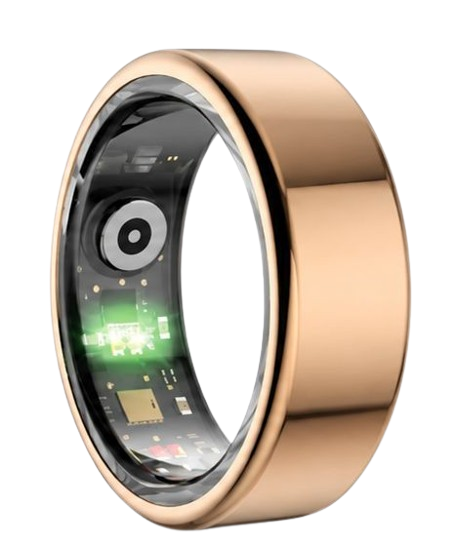
The Herz P1 Smart Ring is designed to be your ultimate health companion, offering medical-grade sensor accuracy with zero monthly fees.
Ready to monitor your health every day? Explore the Herz P1 Smart Ring and see if it fits your lifestyle. Call: 1-866-479-1629 — our team can help you advise on the correct ring size and set personalized health goals.
Note: Individual results may vary depending on individual health conditions, age, and lifestyle habits. This article is intended for general health reference purposes only.
