

Finding the perfect noise to help sleep faster can completely transform your nightly recovery, especially when you are constantly battling high stress levels and racing thoughts. Based on recent sleep data analysis from over 5,000 Herz P1 users, finding the right auditory cue can dramatically speed up sleep onset. In this guide, our team at Herz P1 will help you identify which soothing sounds work best for your unique nervous system.
Built to Last. Save Up to 69% Today.
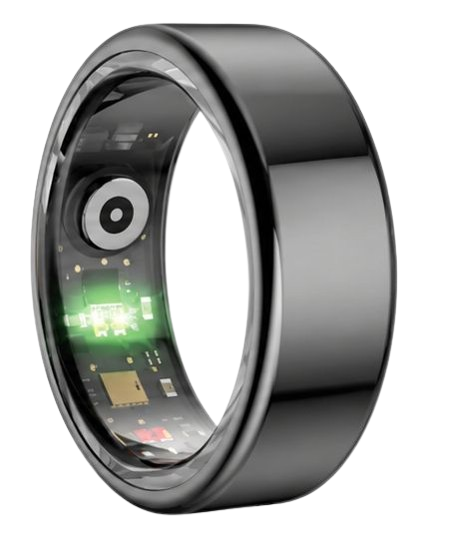
The Herz P1 Smart Ring tracks HRV, Sleep, Heart Rate & SpO2 around the clock. No subscriptions. No renewals. Ever.
In This Article
- Top Market Sound Options: A deep review of the three best options to deliver sleep-promoting sounds tonight.
- Science of Sound Spectrums: Understanding how specific audio color frequencies calm human brainwaves.
- Solfeggio Frequencies: Decoding the therapeutic vibrations that enhance autonomic nervous system recovery.
- Tracking the Impact: How to monitor your sleep architecture using a high-precision biometric smart ring.
The 3 Best Noise Generators for Bedtime in 2025: Ranked & Reviewed

Selecting the right hardware to deliver sleep-promoting sounds is just as critical as choosing the sound itself.
Our team has extensively evaluated the top options on the market based on acoustic quality, ease of use, and overall physical comfort.
1. Hatch Restore 2 Smart Sleep Assistant
The Hatch Restore 2 integrates a soft, multi-colored sunrise light with a premium, subscription-supported sound library.
It specializes in creating smooth transition routines that ease your mind into deep relaxation before bedtime.
This device is best for individuals who want an all-in-one bedside sleep hygiene station that remains on their nightstand.
However, its largest limitation is its bulky physical design and the requirement of an ongoing monthly subscription to access its full library of premium sounds.
2. LectroFan EVO Fan and White Noise Machine
The LectroFan EVO uses advanced algorithms to generate non-looping, realistic fan sounds and white noise variations.
It excels at creating a steady, unbroken acoustic blanket that masks unpredictable neighborhood disturbances with ease.
This machine is ideal for light sleepers who need robust, high-volume sound masking without any digital repeats.
The main drawback is its complete lack of intelligent tracking features, meaning it cannot verify if the sounds are truly improving your sleep architecture.
3. Soundcore Sleep A20 In-Ear Earbuds
The Soundcore Sleep A20 earbuds are designed with an ultra-slim profile to sit comfortably inside your ear canals while you rest on your side.
They offer excellent passive noise isolation paired with customizable local sleep loops downloaded directly onto the hardware.
This setup is perfect for individuals who sleep next to a snoring partner or live in dense, noisy urban centers.
Unfortunately, wearing physical earbuds all night can cause localized ear canal irritation and may block warning alarms in your household.
Strategic Positioning of the Herz P1 Smart Ring
While sound machines and earbuds are highly effective at masking noise, they operate completely blind to your physiological reactions.
They cannot measure whether sleeping with noise in background actually helps your body recover or keeps your brain in a state of light sleep.
The Herz P1 Smart Ring serves as the perfect diagnostic companion to these tools by continuously tracking your vitals.
Our medical-grade sensors measure your overnight heart rate, SpO2, and deep sleep stages with an ultra-lightweight, comfortable ring design.
By checking your data on the free companion app the next morning, you can identify exactly which frequency optimizes your physical recovery.
We require zero subscription fees, making our ring the most cost-effective and comfortable way to master your sleep hygiene.
| Attribute | Hatch Restore 2 | LectroFan EVO | Herz P1 Smart Ring |
|---|---|---|---|
| Price | Premium ($199.99) | Affordable ($49.95) | One-time Purchase (No fees) |
| Tracking Capabilities | None | None | Clinical-grade Biometrics |
| Subscription Fee | Yes ($49.99/year) | None | Free Lifetime App |
| Form Factor | Bulky bedside unit | Compact bedside plug-in | Military-grade Steel Ring |
| Warranty | 1 Year | 1 Year | 2-Year Warranty |
Ready to discover how your body reacts to sleep sounds tonight?
Explore the Herz P1 Smart Ring today to start your subscription-free wellness journey.

90-Day 100% Money-Back Guarantee
“The Herz Smart Ring helps me manage stress easily. It’s accurate, stylish, and lightweight—perfect for my busy life!”
— Jennifer P. | ✔ Verified Customer
- ✓ 6-Day Battery Life
- ✓ Detailed Sleep Analysis
- ✓ Fast 1-Hour Charging
- ✓ iOS & Android Ready
Questions? Call: 1-866-479-1629
The Science of Sound Spectrums: How Auditory Signals Shape Sleep Architecture

Your brain does not completely shut off when you drift off to sleep.
It remains highly responsive to acoustic signals, analyzing the environment to ensure your physical safety.
This biological monitoring mechanism is why sudden noises can immediately startle you awake.
By introducing a constant acoustic profile, you can keep your brain’s auditory cortex occupied.
Let us explore the most effective sound spectrums used to mask disturbances and promote deeper rest.
White, Pink, and Brown Noise Explained
White noise contains equal energy across all audible frequencies, creating a static hiss reminiscent of an untuned television.
It effectively masks startling ambient sounds, but some users find the high-frequency treble tones a bit harsh.
This is where understanding what is pink sound becomes highly valuable for sleep optimization.
Pink noise balances its energy by lowering the volume of higher frequencies, producing a deeper and more natural sound.
This spectrum sounds remarkably like steady, falling rain or rustling leaves in a light forest breeze.
Brown noise lowers high frequencies even further, emphasizing deep, rumbling bass tones.
It mimics the heavy roar of a distant waterfall or the low hum of a passing jet engine.
Many individuals find brown noise highly effective for quietening an overactive mind and settling racing thoughts.
The Power of Natural Water Frequencies
Nature sounds carry distinct acoustic patterns that naturally promote a feeling of psychological safety.
But does rain sounds help you sleep more deeply than synthetic options?
Scientific clinical research shows that water sounds decrease somatic arousal by shifting the nervous system toward parasympathetic dominance.
They create an acoustic blanket that reduces the startle reflex caused by unpredictable household disturbances.
Another popular option is greennoise, which centers its energy around the middle frequencies found in natural environments.
It contains no harsh high treble sounds, offering a highly relaxing and steady backdrop for sensitive ears.
By experimenting with these options, you can find the frequency that best relaxes your unique neurological profile.
Using a smart ring allows you to review your physical data to confirm exactly which water frequency maximizes your deep sleep.
Decoupling Brainwaves: Solfeggio Frequencies and Sleep Architecture
Beyond traditional sound spectrums, specific sound vibrations have a direct impact on brainwave entrainment.
By pairing sound therapy for sleep with continuous biometric monitoring, you can actively guide your body into deep recovery.
Let us analyze how ancient sound patterns interact with your modern nervous system.
How Auditory Stimulation Impacts REM and Deep Sleep
The human brain transitions through four distinct stages during a healthy overnight sleep cycle.
Deep sleep, or slow-wave sleep, is the stage where physical tissues heal and your immune system recharges.
Rapid Eye Movement (REM) sleep is where your brain processes emotions and consolidates daily memories.
Research suggests that listening to the best sound frequency for sleep can encourage the brain to produce slower delta waves.
This entrainment helps prolong your deep sleep stages, leading to more restorative rest.
It also prevents your brain from waking up during brief transitions between sleep cycles.
This is especially true when sleeping with background noise that stays continuous throughout the entire night.
By keeping the sound profile steady, your brain stays anchored in a calm state.
Measuring Heart Rate Variability (HRV) Response to Sound
Your heart rate variability, or HRV, is the measurement of time variation between successive heartbeats.
It serves as a direct window into the balance of your autonomic nervous system.
A higher overnight HRV score indicates that your parasympathetic, rest-and-digest nervous system is active and healthy.
Scientific studies show that listening to solfeggio frequencies sleep loops can actively raise your overnight HRV levels.
The most famous frequency, 528 Hz, is noted for its ability to lower cortisol levels and calm somatic anxiety.
The Herz P1 Smart Ring tracks your HRV Stress Index every 5 minutes while you sleep.
This frequent sampling allows you to correlate your heart’s reaction with your evening sound choices.
If a specific sound frequency raises your overnight HRV, you have found a powerful tool for your sleep health.
How to Optimize Your Sleep Environment and Track Results with Herz P1
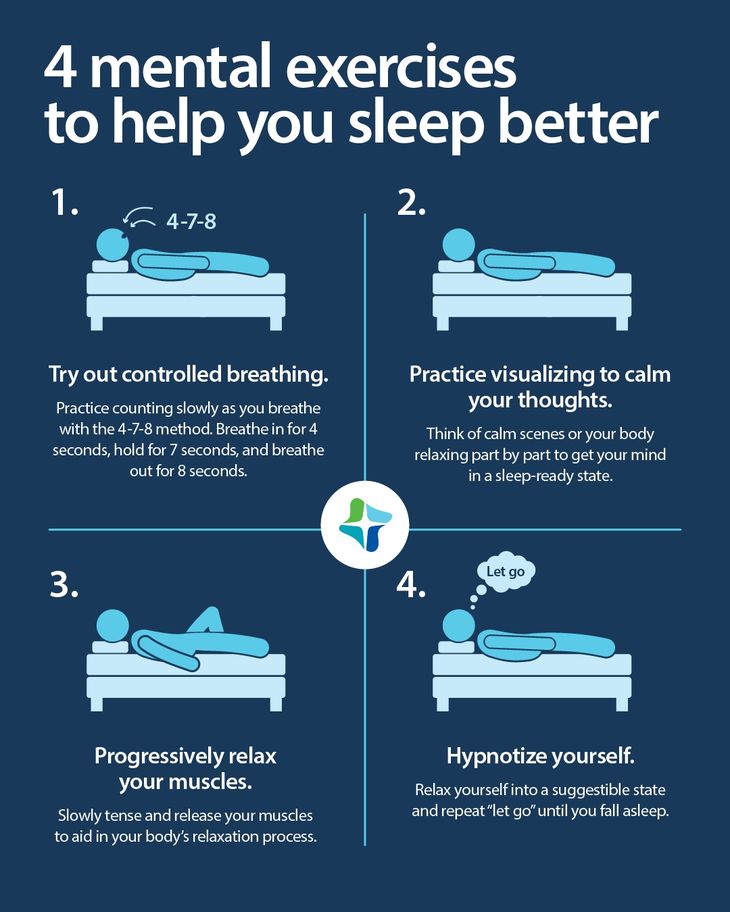
To successfully optimize your bedtime routine, you need a structured method to track your biometric reactions.
Here is the exact step-by-step protocol our team recommends to find your ideal sound setting.
First, download the free Herz P1 companion app on your iOS or Android smartphone.
Ensure your smart ring is fully charged and securely fitted on your chosen finger before heading to bed.
Next, select one specific sound spectrum to test, such as brown noise or rain sounds.
Play this sound through a high-quality bedside speaker or comfortable sleep headband at a low volume.
Keep the volume under 50 decibels to protect your hearing and prevent sudden arousal.
Maintain this exact sound choice for three consecutive nights to collect a reliable baseline dataset.
Each morning, open the Herz P1 app to analyze your overnight sleep metrics.
Focus closely on three main numbers: your total sleep duration, deep sleep percentage, and average HRV.
After three nights, switch to a different sound spectrum, such as pink noise or 528 Hz frequencies.
Test this new sound for another three nights and compare the biometric averages in your app.
You may discover that pink noise increases your deep sleep, while brown noise lowers your sleep latency.
This personalized, data-informed approach takes all the guesswork out of building your perfect sleep routine.
By letting your biological data guide your choices, you can create a highly effective sleep environment.
Avoiding Bedtime Pitfalls: Smartwatches vs. Smart Rings
Many individuals try to track their sleep using traditional, bulky fitness smartwatches.
However, wearing a heavy watch to bed often introduces several issues that disrupt your sleep quality.
The rigid, thick design of a smartwatch can press uncomfortably into your wrist when you lie on your side.
This physical irritation can cause micro-arousals, pulling you out of deep recovery without you even realizing it.
Furthermore, smartwatches have bright screens that can accidentally light up when you roll over in bed.
This sudden burst of blue light immediately suppresses melatonin production, delaying your sleep onset.
Most smartwatches also require daily charging, meaning they are often sitting on a charger during the night.
Finally, many popular fitness brand apps lock your detailed sleep analysis behind restrictive monthly paywalls.
The Herz P1 Smart Ring solves every single one of these common bedtime frustrations.
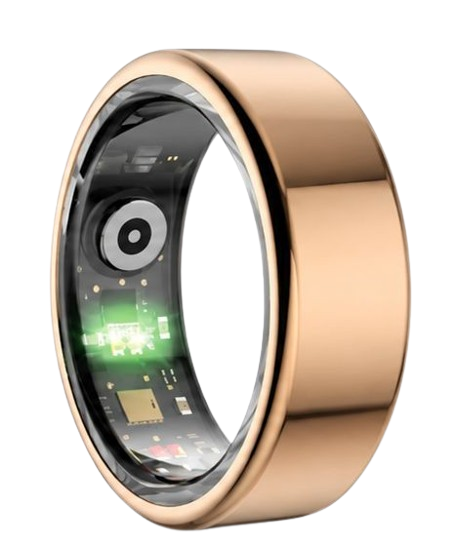
It weighs only 3.5 grams and features a smooth, military-grade steel finish that feels completely weightless on your finger.
It has no screens or distracting lights, keeping your bedroom completely dark and relaxing.
With an impressive 6-day battery life, you only need to charge the ring once a week for under an hour.
Best of all, the Herz P1 app is entirely free for life, ensuring you always have full access to your sleep insights.
Frequently Asked Questions
Is the Herz P1 Smart Ring waterproof enough for sleep and daily wear?
Yes, the Herz P1 features a full IP68 waterproof rating, making it completely protected against water entry.
It can withstand continuous submersion in water up to 164 feet deep without any internal damage.
This means you can safely wear it while washing your hands, taking a hot shower, or swimming laps.
The hermetic seal protects the advanced sensors from sweat and humidity while you rest or exercise.
You never have to take it off during your daily routines, ensuring unbroken, 24/7 biometric tracking.
How long does the battery last, and how fast does it charge?
The Herz P1 Smart Ring delivers up to 6 full days of battery life on a single charge.
This is made possible by our ultra-efficient sensors and advanced Bluetooth Low Energy hardware.
When the battery runs low, you can charge it back to 100% in under an hour using our magnetic cradle.
This quick charging speed makes it easy to top up the battery while you shower or get ready in the morning.
You will never have to worry about missing a single night of critical sleep staging data.
Which finger is the best option to wear the smart ring on?
For the absolute highest sensing accuracy, we recommend wearing the ring on your index or middle finger.
These fingers contain the most abundant capillary blood flow near the surface of the skin.
This allows our optical PPG sensors to read your heart rate and oxygen levels with clinical-grade precision.
However, you can also wear the ring on your ring finger if that feels more comfortable for you.
Make sure the ring fits snugly but comfortably, without rotating excessively during your daily activities.
Does the ring store my biometric data offline when my phone is away?
Yes, the Herz P1 features built-in flash memory that stores up to 7 days of detailed tracking data offline.
You do not need to keep your smartphone next to your bed or leave your Bluetooth on all night.
The ring will continue monitoring your heart rate, stress levels, and sleep stages completely independently.
The next time you open the app, all your offline data will sync seamlessly in a few seconds.
This allows you to keep your phone out of the bedroom, creating a healthier, screen-free sleeping environment.
Conclusion
Understanding the best noise to help you sleep faster is an essential step toward achieving deeper physical and mental recovery.
With the Herz P1 Smart Ring, you can effortlessly track how your body responds to every sound spectrum.
Ready to monitor your health every day? Explore the Herz P1 Smart Ring and see if it fits your lifestyle. Call: 1-866-479-1629 — our team can help you advise on the correct ring size and set personalized health goals.
Note: Individual results may vary depending on individual health conditions, age, and lifestyle habits. This article is intended for general health reference purposes only.
