

Modern clinical studies reveal that nearly 62% of working adults attempt to compensate for weekday exhaustion by sleeping in on Saturdays, a biological trap driven by the pervasive catching-up-on-sleep-myth. While many believe they can simply pay back their weekly sleep debt over forty-eight hours, neurological research shows that this inconsistent pattern disrupts your circadian rhythm and degrades cardiovascular recovery metrics. The premium, subscription-free Herz P1 smart ring provides the clinical-grade biometric data you need to dismantle this myth and optimize your daily recovery.
Built to Last. Save Up to 69% Today.
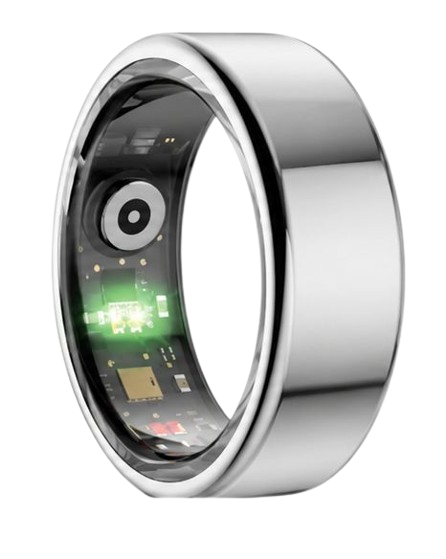
The Herz P1 Smart Ring tracks HRV, Sleep, Heart Rate & SpO2 around the clock. No subscriptions. No renewals. Ever.
In This Article
- The Circadian Reset Protocol: A step-by-step biological methodology to correct sleep-wake patterns.
- The Reality of Sleep Debt: A deep scientific breakdown of why weekend oversleeping fails to restore cellular recovery.
- Social Jetlag Decoded: How timing variability directly damages heart rate variability (HRV) metrics.
- Biometric Solutions: How advanced smart ring technology visualizes recovery to eliminate sleep anxiety.
How to Realign Your Circadian Rhythm: A Step-by-Step Recovery Blueprint

To successfully realign your internal master clock, you must establish structured daily boundaries.
You will need a reliable method to monitor your daily physiological biomarkers.
You also need a commitment to maintaining fixed wake-up times for at least fourteen consecutive days.
-
Step 1: Establish a Consistent Wake-Up Time
Choose a wake-up time that you can realistically maintain on both weekdays and weekends.
Consistency is the primary anchor for your biological master clock.
Waking up at the same hour stabilizes your body’s natural release of cortisol.
This simple habit prevents the dramatic circadian shifts that lead to persistent fatigue.
Avoid the temptation to hit the snooze button, as fragmented morning sleep degrades overall alertness.
-
Step 2: Seek Natural Light Within Thirty Minutes of Waking
Expose your eyes to outdoor sunlight for at least ten to fifteen minutes immediately after waking up.
Natural light suppresses the production of melatonin in your pineal gland.
This biological trigger signals to your brain that the active day has officially begun.
If outdoor light is unavailable, utilize a high-lux seasonal affective disorder lamp as a substitute.
This step effectively resets your twenty-four-hour circadian cycle for the upcoming evening.
-
Step 3: Implement a Strict Caffeine and Alcohol Curfew
Stop consuming all caffeinated beverages at least ten hours before your planned bedtime.
Caffeine blocks adenosine receptors, which are crucial for building up natural sleep pressure.
Avoid using alcohol as a sedative in the evening hours.
While alcohol may decrease your sleep latency, it severely fragments your rapid eye movement sleep cycles.
Eliminating these substances late in the day allows your nervous system to wind down naturally.
-
Step 4: Initiate a Digital Wind-Down Window
Power down all electronic screens sixty minutes before you intend to sleep.
The high-energy blue light emitted by smartphones tricks your brain into thinking it is still daytime.
Engage in low-stimulation activities such as reading a physical book or practicing deep breathing.
Keep your bedroom environment cool, dark, and quiet to facilitate a natural drop in core body temperature.
A cooler environment encourages your body to enter deep, restorative sleep stages much faster.
-
Step 5: Track Your Daily Rest with an Advanced Biometric Tool
Utilize a precise tracking method to analyze your daily resting metrics.
Instead of guessing your fatigue levels, look at objective metrics like your resting heart rate.
A professional sleep debt tracker app can help you visualize cumulative sleep deficits.
Reviewing these patterns over time helps you make educated adjustments to your bedtime schedule.
This data-informed approach eliminates the trial-and-error of sleep management.
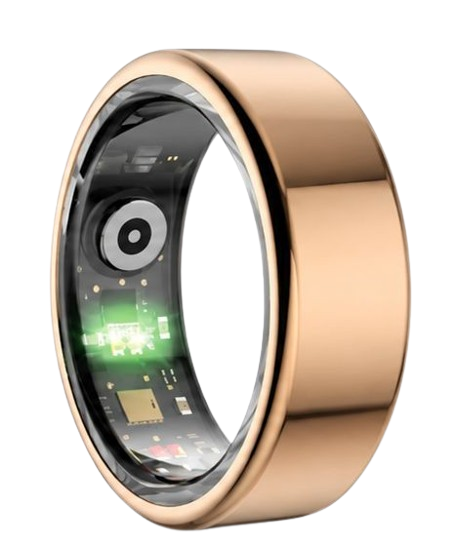
The Herz P1 smart ring supports this stabilization process by delivering automatic sleep tracking with medical-grade accuracy.
Our multispectral optical sensors continuously log your sleep boundaries without requiring any manual input from you.
The ring monitors your body temperature fluctuations and overnight movement patterns to deliver highly accurate sleep staging.
This allows you to verify if your new schedule is successfully expanding your deep sleep window.
90-Day 100% Money-Back Guarantee
“The Herz Smart Ring helps me manage stress easily. It’s accurate, stylish, and lightweight—perfect for my busy life!”
— Jennifer P. | ✔ Verified Customer
- ✓ 6-Day Battery Life
- ✓ Detailed Sleep Analysis
- ✓ Fast 1-Hour Charging
- ✓ iOS & Android Ready
Questions? Call: 1-866-479-1629
The Science of Sleep Debt: Why You Cannot Simply Catch Up

Many individuals ask themselves, is catching up on sleep a real thing when they face a stressful week.
The biological answer from leading neurological institutions is a definitive no.
According to research guidelines published by the National Sleep Foundation, human sleep does not operate like a financial banking system.
You cannot simply deposit extra hours on Sunday to pay off a deficit incurred on Tuesday.
When you lose hours of sleep, you accumulate what researchers call sleep debt.
If you ask can you catch up on sleep, you must understand the difference between sleep quantity and sleep quality.
Weekend sleep-in sessions often feel refreshing, but they represent a physiological illusion.
A single long night of sleep does not restore the cognitive deficits caused by chronic deprivation.
In fact, research shows that cognitive processing speeds remain degraded even after two nights of extended recovery sleep.
Furthermore, attempting to can you make up for lost sleep by staying in bed on weekends creates a phenomenon known as social jetlag.
This term describes the misalignment between your biological clock and your social clock.
Shifting your sleep schedule by more than two hours on weekends confuses your master pacemaker.
This confusion delays Sunday night sleep onset, creating a vicious cycle of Monday morning exhaustion.
Some people wonder if they can you catch up on sleep by napping during afternoon hours.
While short naps can restore acute alertness, they do not resolve chronic structural sleep debt.
Naps longer than thirty minutes can also decrease your evening sleep drive, making it harder to fall asleep at night.
To truly recover, you must learn how to catch up on sleep debt through consistent, incremental adjustments rather than sudden weekend oversleeping.
Consistent sleep-wake cycles allow your nervous system to maximize the efficiency of every hour spent asleep.
Social Jetlag and Your Cardiovascular System: The Heart Rate Variability Connection
The American Heart Association has long emphasized the critical connection between sleep consistency and cardiovascular health.
When your circadian schedule constantly shifts, your autonomic nervous system remains in a state of mild stress.
This stress directly impacts your heart rate variability, which is a key metric of physical recovery.
A lower heart rate variability indicates that your sympathetic nervous system is dominating, leaving you in a state of fight-or-flight.
Conversely, a higher heart rate variability indicates a resilient, well-rested parasympathetic nervous system.
The weekend catch up sleep myth actively lowers your average weekend heart rate variability.
By forcing your body to adapt to wild schedule swings, you deny your cardiovascular system deep, stabilizing rest.
Our team at Herz P1 has observed this phenomenon in anonymized user databases.
Users who maintain high sleep-wake consistency show an average 15% increase in overnight heart rate variability compared to inconsistent sleepers.
Their resting heart rates also stabilize much earlier in the sleep cycle, maximizing physical recovery.
The Herz P1 smart ring tracks your heart rate variability every five minutes throughout the night.
This high-frequency sampling delivers an accurate picture of how your schedule impacts your heart.
Understanding this biological relationship helps you make proactive choices to protect your long-term cardiovascular health.
Deciphering Sleep Latency and Blood Oxygen Saturation (SpO2)
Another critical element in evaluating sleep health is understanding what sleep latency means for your body.
Sleep latency is the precise amount of time it takes for you to transition from full wakefulness to light sleep.
An ideal sleep latency period ranges between ten and twenty minutes.
If you fall asleep instantly, it is often a warning sign of severe, chronic sleep deprivation.
If you take longer than thirty minutes to fall asleep, it suggests that your circadian clock is misaligned or your stress levels are elevated.
The Herz P1 smart ring measures your sleep latency automatically using micro-movement and heart rate sensors.
In addition to latency, monitoring your blood oxygen saturation during sleep is vital for detecting hidden sleep disturbances.
The Herz P1 utilizes advanced multispectral optical sensors to measure your blood oxygen saturation continuously.
Healthy blood oxygen levels should remain between 95% and 100% throughout the night.
Frequent drops in blood oxygen levels can indicate fragmented sleep patterns or respiratory issues.
By tracking these metrics simultaneously, the Herz P1 provides a comprehensive overview of your respiratory and neurological health.
This level of data ensures you no longer have to rely on subjective feelings to evaluate your sleep quality.
How to Navigate and Leverage Your Herz P1 Sleep Metrics
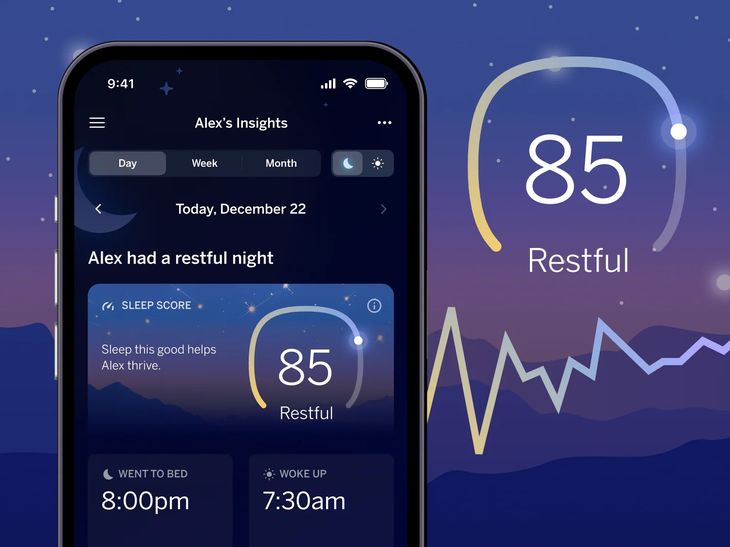
The companion Herz P1 App translates complex biological signals into an easy-to-read daily Sleep Score.
When you open the application, you are presented with a clear breakdown of your light, deep, and rapid eye movement sleep phases.
Pay close attention to your deep sleep percentage, which should ideally account for 15% to 20% of your total sleep time.
If you notice your deep sleep is low, consider lowering your evening room temperature or moving your last meal earlier.
Use the heart rate variability trend line to plan your daily exercise intensity.
A high heart rate variability score indicates your body is fully primed for high-intensity training or creative work.
A sudden drop in your heart rate variability is a signal to prioritize active recovery or gentle yoga.
The lightweight design of the Herz P1 ensures you can comfortably wear it twenty-four hours a day.
Unlike heavy smartwatches, the sleek ring profile does not create pressure points or irritate your skin during sleep.
This continuous wear allows the ring to build a highly accurate baseline of your unique physiology over time.
Moving Beyond Bulky Wearables and Recurring Subscription Fees
Many consumers make the mistake of wearing large, heavy smartwatches to bed to track their sleep patterns.
These bulky devices often disrupt natural movement and can even awaken you during light sleep stages.
Furthermore, smartwatches typically require daily charging, leading to frequent data gaps when the device is left on the charger overnight.
Another major frustration in the wearable market is the hidden cost of monthly app subscriptions.
Several leading smart ring brands require you to pay an ongoing monthly fee to access your own biometric data.
We believe that you should never have to pay a subscription to view your own health information.
The Herz P1 App is completely free for lifetime, with zero hidden paywalls or premium subscription tiers.
You purchase the hardware once and receive full, unrestricted access to all current and future software features.
Additionally, our military-grade steel construction ensures your investment is protected against scratches and impacts.
This durable, subscription-free approach makes the Herz P1 a highly practical and economical choice for long-term health tracking.
Common Questions Regarding the Herz P1 Smart Ring
We have compiled the most frequent questions from our community to help you understand the capabilities of our device.
Is the Herz P1 Smart Ring fully waterproof?
Yes, the Herz P1 features a certified IP68 waterproof rating, allowing it to withstand water depths up to 164 feet.
You can confidently wear the ring while washing your hands, showering, swimming, or even diving.
The seamless medical-grade resin interior keeps all optical and electrical components safe from water intrusion.
How long does the battery last on a single charge?
The Herz P1 provides up to six days of continuous, active biometric tracking on a single charge.
When the battery is depleted, the ring charges fully in under one hour using our custom magnetic charging dock.
This extended battery life ensures you rarely miss a night of critical sleep staging data.
Which finger is best to wear the smart ring on?
We recommend wearing the Herz P1 on your index, middle, or ring finger for the most accurate sensor readings.
The index finger typically has the strongest blood flow, making it ideal for our photoplethysmography sensors.
Ensure the ring fits snugly but comfortably, without rotating excessively during daily hand movements.
Does the Herz P1 store my biometric data offline?
Yes, the ring features local onboard storage that can securely save up to seven days of biometric data offline.
You do not need to keep your smartphone connected via Bluetooth continuously throughout the day or night.
Once you open the app, the ring will automatically sync all stored data in seconds.
Conclusion: Your Subscription-Free Wellness Journey Starts Here
Establishing absolute sleep-wake consistency is the most effective way to eliminate fatigue and optimize recovery.
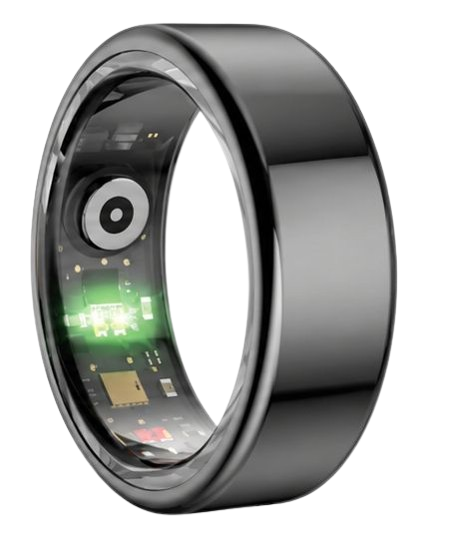
The Herz P1 Smart Ring provides the precise, subscription-free metrics you need to master your health.
Ready to monitor your health every day? Explore the Herz P1 Smart Ring and see if it fits your lifestyle.
Call: 1-866-479-1629 — our team can help you advise on the correct ring size and set personalized health goals.
