

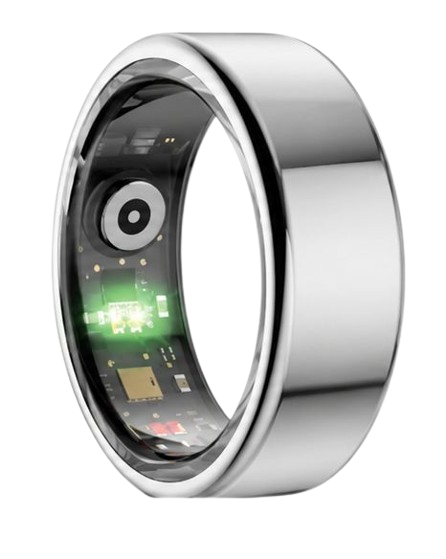
If you want to know should hrv be high or low for better recovery, your body is sending you a critical physiological puzzle that you must solve. Measuring heart rate variability helps you understand your autonomic nervous system balance. Our team at Team Herz P1 designed the subscription-free Herz P1 Smart Ring to help you monitor these precise recovery metrics 24/7. Let us dive deep into the science behind your heart rate patterns so you can optimize your health.
Built to Last. Save Up to 69% Today.
The Herz P1 Smart Ring tracks HRV, Sleep, Heart Rate & SpO2 around the clock. No subscriptions. No renewals. Ever.
In This Article
- Core Concept: Understand why a higher heart rate variability indicates superior physical recovery.
- Nervous System Dynamics: Discover how the sympathetic and parasympathetic nervous systems regulate your heart rhythm.
- Trigger Recognition: Learn to identify the physical stressors that cause a sudden drop in your recovery metrics.
- Actionable Habits: Explore practical lifestyle changes you can implement immediately to optimize your heart health.
Should HRV Be High or Low for Better Recovery?
To understand whether heart rate variability should be high or low for optimal physical recovery, we must first define what this health metric actually measures.
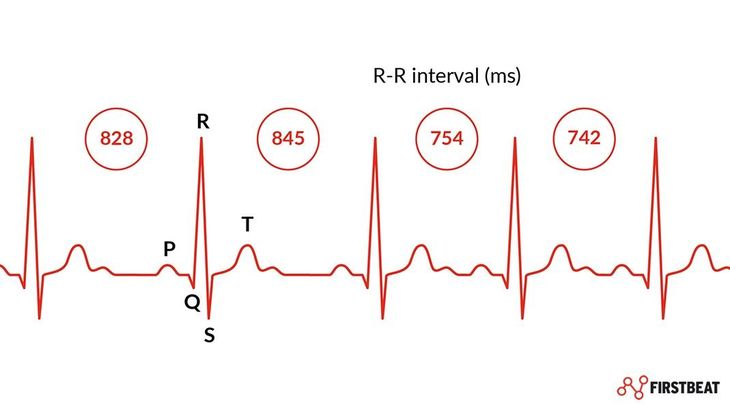
Heart rate variability, or HRV, is the measurement of the tiny variations in time intervals between consecutive heartbeats.
Your heart does not beat at a perfectly constant, metronome-like rhythm.
For example, if your resting heart rate is sixty beats per minute, your heart does not beat precisely once every single second.
Instead, there might be one point two seconds between two beats, and then zero point eight seconds between the next two.
This dynamic fluctuation is highly sensitive and represents the microscopic adaptations of your cardiovascular system.
So, should hrv be high or low when you want to achieve better recovery?
The short answer is that you want a higher heart rate variability score for optimal recovery.
A higher score means your autonomic nervous system is highly flexible and adapting quickly to environmental demands.
This reveals a healthy balance where your body can transition smoothly out of stress states.
Conversely, a low HRV score indicates that one branch of your nervous system is dominating, leaving little room for variance.
This lack of variation usually signals that your body is in an active state of exhaustion, illness, or prolonged stress.
Busy office workers, active fitness enthusiasts, and sleep-deprived parents should pay close attention to this metric.
If you want to track this in real time, the Herz P1 Smart Ring monitors heart rate variability 24/7 — explore it here.
Understanding the physiological mechanics of high vs low hrv is the first step toward improving your daily lifestyle choices.
Based on extensive clinical research, a higher reading indicates that your parasympathetic nervous system is actively promoting tissue repair and lowering systemic inflammation.
A lower reading suggests your body is stuck in a fight-or-flight sympathetic response.
Tracking these trends over time helps you decide when to push your limits and when to prioritize deep rest.
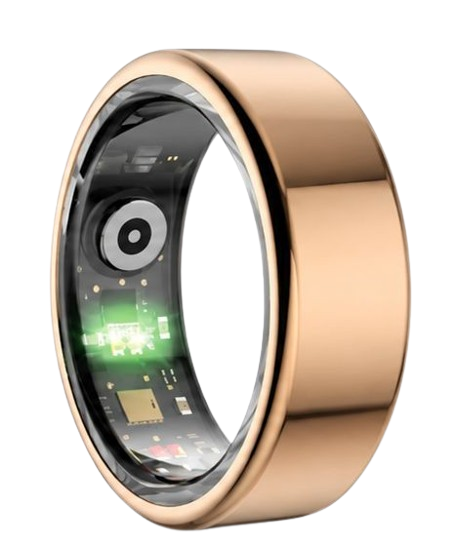
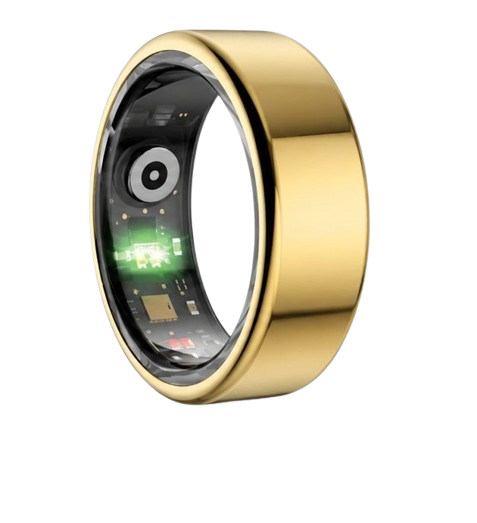
The Herz P1 Smart Ring utilizes multispectral optical sensors to capture these microvascular blood flow fluctuations with scientific accuracy.
By wearing this lightweight device to sleep, you obtain a highly accurate assessment of your overnight cardiovascular performance.
This allows you to make data-informed decisions about your daily activities without guessing how recovered you are.
90-Day 100% Money-Back Guarantee
“The Herz Smart Ring helps me manage stress easily. It’s accurate, stylish, and lightweight—perfect for my busy life!”
— Jennifer P. | ✔ Verified Customer
- ✓ 6-Day Battery Life
- ✓ Detailed Sleep Analysis
- ✓ Fast 1-Hour Charging
- ✓ iOS & Android Ready
Questions? Call: 1-866-479-1629
The Autonomic Nervous System: Is Higher or Lower HRV Better?
To truly understand your body, you must examine how your autonomic nervous system operates behind the scenes.
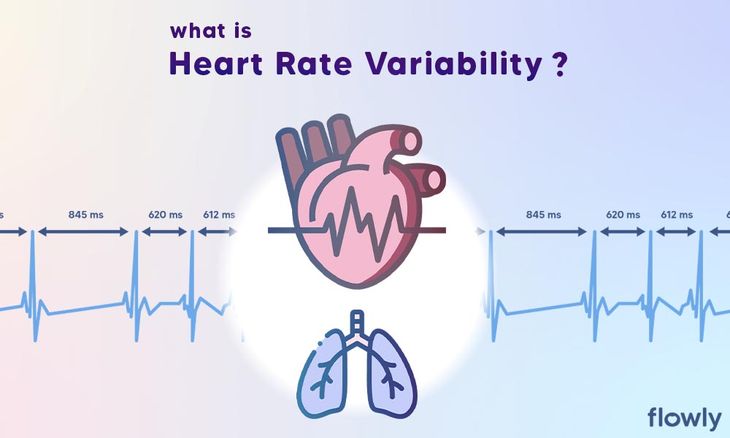
This intricate system controls all involuntary bodily functions, including digestion, breathing, and your heartbeat.
It consists of two primary branches that act like a gas pedal and a brake pedal.
The sympathetic nervous system is the gas pedal, preparing your body for action, exercise, or acute survival stress.
When the sympathetic branch is highly active, it prioritizes immediate survival, which naturally stabilizes and restricts heartbeat intervals.
The parasympathetic nervous system is the brake pedal, often referred to as the rest-and-digest system.
When you are in a safe, resting state, the parasympathetic system takes over to slow your heart rate and allow for variation.
This constant tug-of-war between the gas and brake pedals creates the healthy variation we measure as HRV.
Therefore, understanding the high hrv meaning is essential for anyone trying to maximize their physical longevity.
A highly variable heartbeat suggests that both branches of your nervous system are operating in perfect, responsive harmony.
The American Heart Association notes that higher cardiovascular flexibility correlates with lower risks of chronic cardiac conditions.
This means your cardiovascular system is resilient, dynamic, and fully capable of handling sudden emotional or physical challenges.
So, when you ask is higher or lower hrv better for your general wellness, the answer is consistently higher.
However, it is crucial to recognize that there is no universal number representing an ideal hrv for everyone.
Your personal baseline is shaped by age, gender, genetics, and underlying physical conditioning.
The Herz P1 Smart Ring builds a personalized baseline over a fourteen-day period to track your progress accurately.
By comparing your daily scores against your own historical baseline, you can see if you are moving toward a healthy hrv range.
This scientific approach ensures that you never compare your unique biology to irrelevant population averages.
Using the Herz P1 Smart Ring allows you to monitor these delicate biological balances without any monthly subscription fees.
The Physiological Science Behind Low HRV and Sleep Architecture

While a high score is desirable, encountering a lower reading is a common experience that requires careful analysis.
A temporary drop in your daily metrics is not a reason to panic, but rather a signal to reflect on your lifestyle.
When you ask do you want a high or low hrv during recovery, a low reading tells you your body is heavily depleted.
This depletion can stem from intense exercise, poor hydration, late-night meals, or systemic stress.
If you consume alcohol close to bedtime, your sympathetic nervous system remains highly active all night.
This prevents your heart from entering a parasympathetic state, resulting in a significantly lower score the next morning.
Similarly, a low score during sleep is often closely linked to disruptions in your sleep architecture.
Your sleep is divided into distinct cycles, including light sleep, deep slow-wave sleep, and rapid eye movement sleep.
According to the National Sleep Foundation, deep sleep is the primary period for physical cellular repair and growth hormone release.
If your body is under stress, you will experience frequent micro-arousals that fragment your sleep stages.
This fragmentation directly suppresses your overnight HRV, leaving you feeling exhausted and stiff in the morning.
Many users ask our team, whats a normal hrv score to aim for during these recovery phases?
A normal score can range anywhere from twenty milliseconds to over one hundred milliseconds depending on the individual.
Because these scores are highly personalized, determining whats a normal hrv for your body requires continuous, non-intrusive monitoring.
The Herz P1 Smart Ring tracks your heart metrics in five-minute intervals throughout the night to establish this crucial context.
This gives you a complete, uninterrupted map of your overnight autonomic activity.
If you are wondering what is a good hrv score for recovery, it is simply any score that is stable or rising compared to your historical average.
Maintaining a stable upward trend over several weeks indicates that your recovery capacity is expanding.
The military-grade steel construction of the Herz P1 Smart Ring ensures it remains comfortable and secure on your finger all night long.
By using this sleek device, you can easily unlock these medical-grade sleep insights without wearing a bulky wristwatch.
Practical Application: How to Optimize Your HRV Recovery Trends Daily
Once you understand how to interpret these scores, you can begin implementing targeted lifestyle adjustments.
Knowledge of your cardiac metrics is only valuable if it translates into concrete daily habits.
For example, you can use your morning recovery score to guide the intensity of your planned physical training.
If your smart ring reveals an optimal hrv trend, your nervous system is primed for high-intensity exercise.
This is the perfect day to challenge your personal records, perform heavy lifting, or complete sprint intervals.
However, if your score drops significantly below your baseline, you should modify your daily routine.
On these low recovery days, consider replacing a strenuous workout with a gentle walk, restorative yoga, or active mobility work.
By listening to your body’s biometric cues, you can avoid the dangerous cycle of physical overtraining.
Another powerful way to improve your score is to practice slow, controlled diaphragmatic breathing exercises.
Slowing your breathing rate to approximately six breaths per minute instantly stimulates the vagus nerve.
The vagus nerve acts as the primary highway for the parasympathetic nervous system, helping to elevate your heart variability.
Hydration is another critical factor that directly influences your daily cardiovascular performance.
Even mild dehydration decreases your blood volume, which forces your heart to beat faster and reduces autonomic variation.
To identify your unique baseline patterns, you can explore our comprehensive good hrv numbers guide.
The Herz P1 Smart Ring makes tracking these subtle habits incredibly simple with its lightweight three point five gram design.
You can wear it seamlessly while washing dishes, swimming, or sleeping, thanks to its IP68 waterproof rating.
Unlike bulky smartwatches that require daily charging, the Herz P1 features a long-lasting six-day battery life.
This means you will never miss a critical night of sleep data due to an empty battery.
Our companion mobile application compiles all this complex data into straightforward, highly actionable recovery scores.
Overcoming Risks and Avoiding Common Biometric Tracking Mistakes
Many health-conscious individuals make the mistake of wearing heavy, intrusive smartwatches to bed to track sleep.
These bulky devices frequently snag on bedsheets and cause micro-arousals that disrupt your natural sleep architecture.
This means the very tool you are using to measure sleep might actually be degrading your overnight recovery.
Furthermore, many premium smart rings on the market lock your personal health data behind expensive monthly subscriptions.
We believe that you should never have to pay a recurring fee to access your own physiological metrics.
The Herz P1 Smart Ring provides full, lifetime access to all tracking metrics and application features with absolutely zero monthly fees.
Another common mistake is choosing a ring that does not fit securely, leading to optical sensor misalignment.
If the optical PPG sensors lose contact with your skin, the device cannot accurately record the microvascular blood flow.
This results in empty gaps or highly inaccurate spikes in your heart rate and sleep graphs.
To eliminate this risk, our team provides a free sizing kit with every order to ensure a perfect, customized fit.
We also offer a comprehensive ninety-day money-back guarantee so you can test the ring with total peace of mind.
By choosing a durable, subscription-free device, you can focus entirely on improving your health without any hidden costs.
Additionally, some users make the mistake of comparing their daily metrics to friends or family members.
Cardiovascular metrics are deeply individual, meaning a score that represents exhaustion for one person might be highly active for another.
Always focus on your personal trends rather than comparing yourself to static tables or external baselines.
Frequently Asked Questions About HRV and Herz P1 Recovery Tracking
Is the Herz P1 Smart Ring waterproof?
Yes, the Herz P1 is fully IP68 waterproof, allowing you to submerge it up to fifty meters or one hundred and sixty-four feet deep.
You can confidently wear the ring while swimming, showering, washing your hands, or relaxing in a hot tub.
The durable military-grade steel construction completely shields the internal electronic components from any moisture ingress.
How long does the Herz P1 battery last on a single charge?
The advanced energy-efficient chipset in the Herz P1 provides a robust six-day battery life under normal monitoring conditions.
When the battery runs low, the ring charges fully in under one hour using the included magnetic charging dock.
This rapid charging capability ensures you never have to leave your ring off your finger for extended periods.
Which finger is the best to wear the Herz P1 on for accurate tracking?
Our development team recommends wearing the smart ring on your index, middle, or ring finger for the highest signal quality.
The index finger generally has the strongest microvascular blood flow, making it ideal for optical sensors.
However, any finger that provides a snug, comfortable fit without restricting circulation will deliver highly accurate data.
Does the Herz P1 store biometric data offline if my phone is disconnected?
Yes, the ring features seven days of local, secure offline storage to protect your data during travel.
If your smartphone is out of Bluetooth range or turned off, the ring will continue monitoring all metrics uninterrupted.
Once you open the companion application near your phone, the stored data will sync automatically in just a few seconds.
How do I know what is a good hrv score for my age?
To determine your personal target, you should consult our guide on what is a good hrv score across different age groups.
In general, younger adults tend to exhibit higher baseline variability than older adults due to natural cardiovascular aging.
However, an active lifestyle, proper nutrition, and consistent sleep can help you maintain excellent cardiovascular health at any age.
Take Control of Your Recovery Journey
Understanding whether your HRV should be high or low is the first step toward masterfully managing your health.
The Herz P1 Smart Ring makes it effortless to monitor these critical metrics and optimize your daily recovery patterns.
Ready to monitor your health every day? Explore the Herz P1 Smart Ring and see if it fits your lifestyle. Call: 1-866-479-1629 — our team can help you advise on the correct ring size and set personalized health goals.
Note: Individual results may vary depending on individual health conditions, age, and lifestyle habits. This article is intended for general health reference purposes only.
