

When summer heatwaves arrive, securing restorative rest requires actionable hot weather sleep tips. According to sleep studies, thermal stress drastically alters sleep architecture, reducing deep and REM phases. By tracking your physiological response with the premium Herz P1, you can easily identify how elevated bedroom temperatures affect your recovery and implement proven cooling strategies to restore your energy.
Built to Last. Save Up to 69% Today.
The Herz P1 Smart Ring tracks HRV, Sleep, Heart Rate & SpO2 around the clock. No subscriptions. No renewals. Ever.
In This Article
- Step-by-Step Cooling: Actionable strategies to protect your sleep score from thermal stress.
- The Science of Thermoregulation: How heat interacts with your sleep architecture and cardiac health.
- Skin Temperature Demystified: Understanding physiological variations during warm summer nights.
- Practical Application: Navigating your sleep data on the free Herz P1 companion app.
- Sizing and Tracking Pitfalls: How to maintain data precision in extreme weather conditions.
How to Keep Your Sleep Score High During Summer Heatwaves: A Step-by-Step Guide
Prerequisites and Preparation
Before you begin implementing these advanced sleep cooling protocols, you will need a basic understanding of your baseline sleep metrics.
You also need a bedroom environment capable of ventilation and a reliable biometric tracking device.
The premium Herz P1 smart ring is an exceptional tool to monitor these continuous changes without any monthly subscription fees.
Step 1: Cool Your Micro-Climate Bedroom Environment
Lowering your immediate sleeping environment temperature is the absolute baseline of hot weather sleep hygiene.
Ideally, you want to adjust your room to sit between 65 and 68 degrees Fahrenheit for optimal physiological rest.
During intense summer heatwaves, this range can feel difficult to maintain without high utility costs.
You can use directional box fans to create a cross-breeze that constantly pulls cooler air inside from open windows.
Placing a shallow bowl of ice directly in front of the fan can create a localized evaporative cooling mist.
Ensure that window blinds or heavy black-out curtains remain fully closed during the peak daylight hours.
This simple step blocks solar radiation from turning your bedroom into an unbearable greenhouse heat trap.
By maintaining a cooler micro-climate, you prevent your heart rate from spiking overnight to dump heat.
Ultimately, a cooler environment allows your body to enter restful sleep phases with much less energy expenditure.
Step 2: Time Your Hydration Correctly to Prevent Dehydration Sleep Disturbances
Managing liquid intake before bed is vital to prevent dehydration sleep disturbances while avoiding midnight bathroom trips.
Sweating during hot summer nights increases your risk of waking up with elevated heart rate and dry mouth.
To combat this issue, you should aim to drink two-thirds of your daily water intake before late evening.
Gradually reduce your fluid consumption within the final two hours preceding your scheduled bedtime.
Supplementing your afternoon water with trace minerals or electrolytes can significantly improve cellular hydration.
Sodium and magnesium play crucial roles in stabilizing your nervous system during overnight thermal stress.
These vital minerals help your body maintain a healthy skin temperature dip sleeping state as your circadian rhythm transitions.
Avoid cold alcoholic beverages or sugary sodas in the evening because they act as strong diuretics.
Proper hydration ensures your blood volume remains stable, which directly supports a healthy heart rate variability (HRV) score.
This direct relationship means proper hydration prevents unnecessary night wakings and supports high sleep scores.
Step 3: Establish a Pre-Sleep Thermoregulation Routine
Your body must lower its internal thermal baseline to initiate the natural melatonin production cycle.
Taking a lukewarm bath or shower roughly ninety minutes before bed is a highly effective way to trigger this shift.
While it seems counterintuitive, warm water actually draws blood flow away from your inner organs toward your skin.
This process stimulates rapid vasodilation, which accelerates the release of excess heat into your surrounding environment.
Once you step out of the shower, your internal core body temperature drops rapidly.
This sudden thermal drop sends a powerful neurochemical signal to your brain that it is time to sleep.
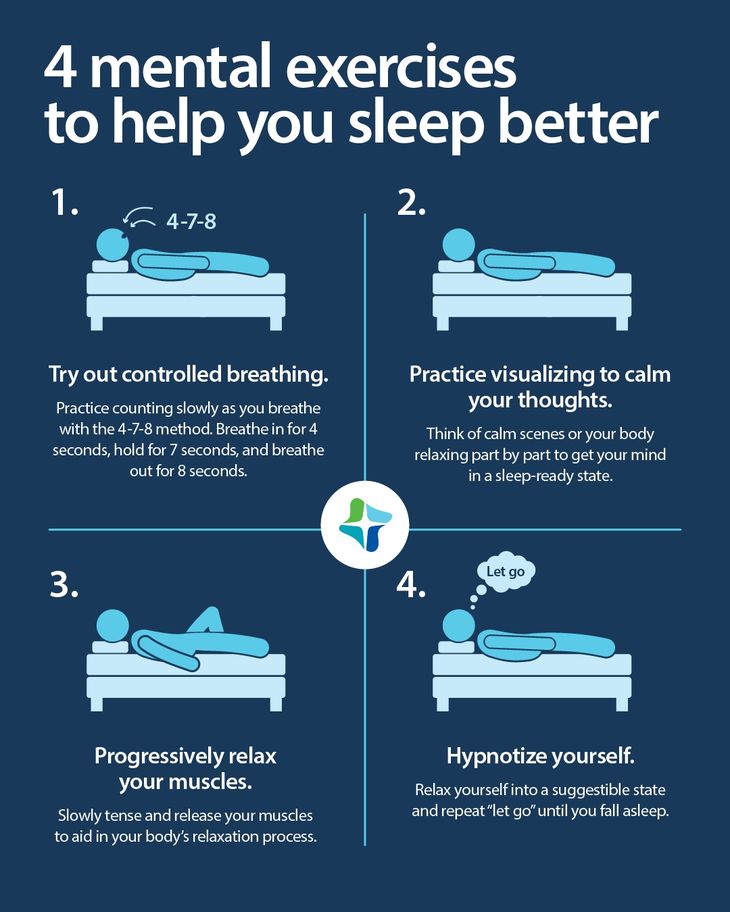
You should pair this physical routine with gentle stretching or breathing exercises to lower your nervous system activation.
Engaging in calming physical activities directly helps downregulate your sympathetic fight-or-flight responses.
Achieving this relaxed physical state makes it much easier to transition smoothly into deep slow-wave sleep.
This transition is essential for physical repair and next-day mental clarity during taxing summer months.
Step 4: Use Sleep Tracking Data to Monitor Overnight Temperature Variations
Tracking your sleep parameters helps you transition from guessing to taking precise action based on data.
Utilizing the premium Herz P1 allows you to perform highly accurate summer night temperature tracking directly from your finger.
The ring continuously measures subcutaneous thermal shifts throughout the night with surgical-grade precision.
When you wake up, you can review the detailed temperature deviation charts on the companion mobile app.
If you notice a persistent positive spike in your overnight readings, your cooling methods may be insufficient.
This objective feedback allows you to adjust your thermostat, fan speed, or bedding material iteratively.
Monitoring these minor variables helps you construct a personalized blueprint for perfect summer rest.
Consistently keeping your nightly temperature variations close to baseline directly improves your overall sleep score.
Accurate daily tracking ensures you never waste effort on sleep remedies that do not actually work.
This optimization is crucial for maintaining cognitive performance and emotional resilience through summer heatwaves.
Step 5: Optimize Bedding and Mattress Ventilation
Your mattress and sheets play a massive role in either trapping body heat or letting it escape.
Standard memory foam mattresses are notorious for retaining heat and raising your body temperature overnight.
To counteract this, you should switch your bedding to highly breathable, natural fabrics like cotton or bamboo.
Avoid synthetic sheets such as polyester, which create a tight moisture barrier that stops evaporative cooling.
You can also place a specialized cooling gel pad or mattress topper on your bed to pull heat away.
Elevating your pillows slightly can also improve air circulation around your neck and upper shoulders.
Keeping a lightweight woven blanket nearby ensures you do not wake up cold during late-night temperature dips.
Optimizing your immediate bedding materials creates an open channel for heat to transfer safely away from you.
This simple change can dramatically lower the thermal load your body has to fight off during the night.
Better bedding ventilation directly translates to extended durations of deep sleep and overall physical recovery.
Integrating Your Tracking Routine With Herz P1
Finding the right balance between room temperature and body comfort can take several nights of trial and error.
The Herz P1 smart ring acts as your dedicated digital health assistant to guide you through this optimization journey.
It tracks your physiological data in real-time, helping you see the immediate impact of your cooling changes.
To get started on maximizing your summer sleep quality, head over to the official checkout page and order your Herz P1 smart ring today.
90-Day 100% Money-Back Guarantee
“The Herz Smart Ring helps me manage stress easily. It’s accurate, stylish, and lightweight—perfect for my busy life!”
— Jennifer P. | ✔ Verified Customer
- ✓ 6-Day Battery Life
- ✓ Detailed Sleep Analysis
- ✓ Fast 1-Hour Charging
- ✓ iOS & Android Ready
Questions? Call: 1-866-479-1629
The Science of Thermoregulation: How Heat Disrupts Sleep Architecture

Human biology relies on a complex internal clock known as the circadian rhythm to regulate daily processes.
A primary driver of this rhythm is the natural rise and fall of your core body temperature.
To initiate sleep, your body must dump heat, dropping its internal temperature by about two degrees.
High environmental temperatures block this heat release, forcing your cardiovascular system to work much harder.
The National Sleep Foundation warns that this thermal stress directly impairs your natural sleep architecture.
When you are too hot, your brain spends significantly less time in restorative sleep zones.
Specifically, deep slow-wave sleep and rapid eye movement (REM) sleep are the first phases to decrease.
Deep sleep is essential for physical cellular repair, muscle growth, and immune system performance.
REM sleep supports cognitive functions, including memory consolidation, emotional processing, and learning capacity.
Without sufficient time in these critical zones, you will wake up feeling mentally and physically exhausted.
Furthermore, chronic exposure to elevated sleeping temperatures can lead to prolonged systemic fatigue.
Keeping your bedroom cool is not merely a comfort choice but a physiological necessity for long-term health.
Monitoring these subtle shifts over time empowers you to protect your brain health from summer fatigue.
Analyzing Skin Temperature Fluctuations During Summer Nights
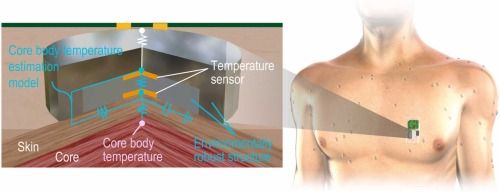
Many individuals confuse external skin temperature with internal core body temperature when monitoring their physical state.
Your body experiences natural body temperature fluctuations during the day to maintain homeostasis.
During the night, your core temperature should drop while your skin temperature rises slightly as heat dissipates.
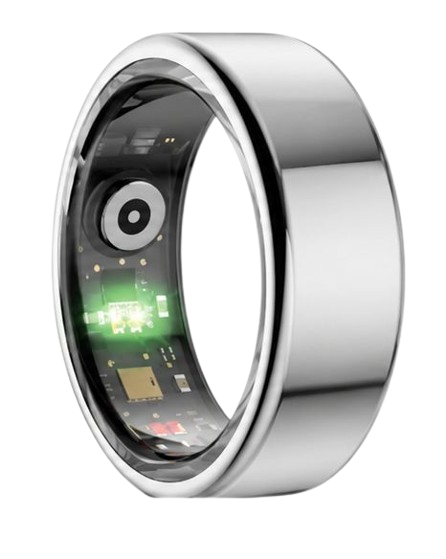
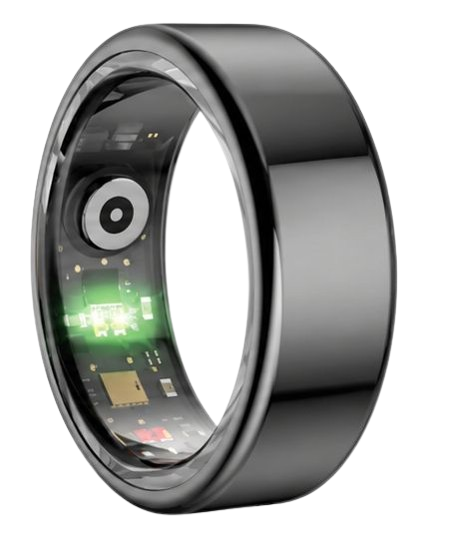
The premium Herz P1 smart ring uses advanced optical and thermal sensors to monitor these changes.
It tracks continuous skin temperature during sleep with highly accurate, multi-wavelength PPG sensors.
When the ambient room temperature is too high, this delicate thermal balance is completely disrupted.
Your skin blood vessels dilate fully, yet the hot air prevents heat from leaving your body.
This thermal bottleneck causes your heart rate to rise as it pumps blood faster to cool you down.
Consequently, your heart rate variability (HRV) drops, indicating a state of elevated physiological stress.
By analyzing these multi-faceted metrics, the Herz P1 provides a comprehensive picture of your night.
It allows you to see the exact moment thermal stress begins to impact your cardiovascular recovery.
This scientific insight helps you make data-driven adjustments to your evening habits and sleeping environment.
Understanding these biometric interactions is key to optimizing your recovery during demanding summer heatwaves.
Relying on accurate thermal data takes the guesswork out of managing your health on warm nights.
Practical Application: Using Your Herz P1 App to Beat the Heat
Interpreting your raw biometrics does not have to be a complicated or overwhelming task.
The free companion app of the Herz P1 compiles your data into an intuitive daily dashboard.
Every morning, you receive a comprehensive sleep score based on your sleep stages and heart metrics.
You can easily view your skin temperature variations to see if they remained within normal ranges.
Analyzing these charts helps you implement personalized smart ring summer sleep tips tailored to your body.
For instance, if you notice your temperature spiked at 3 AM, you can pre-program your AC.
The goal is to see a smooth, stable curve that reflects a perfect skin temperature dip sleeping pattern.
Beyond sleep tracking, the Herz P1 monitors your daytime stress levels and activity metrics.
This continuous data helps you balance your workout intensity during hot summer afternoons.
If your overnight recovery was low, you should opt for a lighter recovery walk instead of a run.
The lightweight, sleek design of the ring ensures comfortable wear throughout active days and warm nights.
Unlike heavy smartwatches, you will barely notice the ring on your finger while you rest.
This consistent, comfortable wear guarantees complete data collection with zero tracking gaps or lost insights.
Having access to lifetime data with zero subscription fees makes long-term health tracking incredibly accessible.
Overcoming Summer Sleep Myths and Smartwatch Discomfort
Many people mistakenly believe that blasting cold air right before bed solves all summer sleep issues.
However, a sudden blast of freezing air can shock your system and raise your heart rate.
A much better approach is to maintain a stable, moderate temperature throughout the entire evening.
Another major pitfall is wearing bulky, heavy smartwatches with rubber straps to sleep.
These thick straps trap sweat against your wrist, causing skin irritation and poor sensor contact.
This friction leads to highly inaccurate heart rate and sleep stage readings on hot nights.
Transitioning to a slim, military-grade steel smart ring eliminates this physical discomfort completely.
The Herz P1 provides a lightweight, hypoallergenic alternative that breathes easily on your finger.
It allows you to monitor your health seamlessly in any season, whether it is hot summer or sleeping winter.
Furthermore, many wearable brands charge expensive monthly fees to unlock your historical recovery charts.
The Herz P1 eliminates these hidden fees by offering a fully functional app free for a lifetime.
This ensures you can track your health progress over years without any annoying financial surprises.
Investing in a durable, fee-free tracker is the smartest way to take control of your wellness.
Protecting your sleep health should be a straightforward, transparent, and rewarding long-term experience.
Frequently Asked Questions About Summer Sleep Tracking
Is the Herz P1 smart ring waterproof?
Yes, the Herz P1 features a premium IP68 waterproof rating.
This industry standard means the ring can withstand water immersion up to 50 meters deep.
You can safely wear it while swimming in pools, showering, or washing your dishes.
It is built to resist sweat and moisture during intense hot weather workouts.
This durable construction ensures you never have to take it off during your summer adventures.
How long does the Herz P1 battery last?
The Herz P1 is equipped with a highly efficient battery that lasts up to 6 days.
This long-lasting battery life ensures continuous tracking without the need for daily charges.
When the battery does run low, it charges fully in under 1 hour.
This quick-charge capability means you can easily power it up while taking a quick shower.
You never have to miss out on tracking your sleep stages due to a dead battery.
Which finger is best to wear the Herz P1 on?
For the most accurate biometric readings, we recommend wearing the ring on your index finger.
The index finger has a highly accessible blood vessel structure that maximizes optical sensor accuracy.
If you prefer, the middle or ring fingers are also highly effective alternative options.
Choose the finger that offers a secure fit without restricting your natural blood circulation.
The ring should feel comfortable and not rotate easily during your active daily movements.
Does the Herz P1 store data offline?
Yes, the Herz P1 has built-in local memory that stores up to 7 days of offline data.
This feature is perfect for camping trips, flights, or when you choose to turn off your phone’s Bluetooth.
As soon as you open the app near your phone, the ring automatically syncs all stored data.
You do not have to worry about losing your progress if your phone is temporarily disconnected.
This robust system guarantees a reliable and continuous record of your health trends.
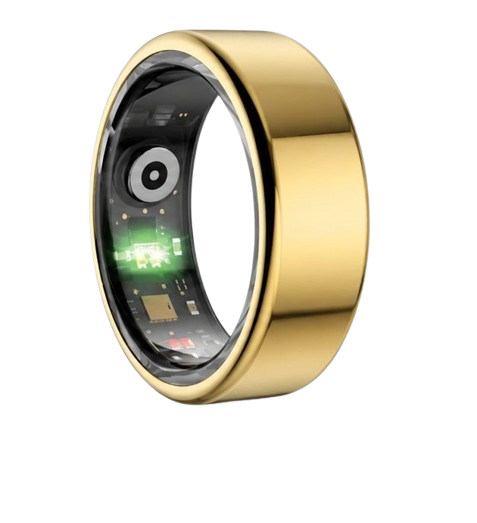
Secure Your Perfect Sleep This Summer
Achieving restful sleep during hot summer nights is entirely possible with the right data.
The Herz P1 smart ring offers the accurate, subscription-free tracking you need to optimize your recovery.
Ready to monitor your health every day?
Explore the Herz P1 Smart Ring and see if it fits your lifestyle.
Call **1-866-479-1629** to get personalized guidance from our team.
Note: Individual results may vary depending on individual health conditions, age, and lifestyle habits. This article is intended for general health reference purposes only.
