

Achieving a restorative night of deep rest is often difficult, but pairing a structured thermal routine with advanced biometric monitoring offers a proven solution. By understanding the deep relationship between sauna and sleep, you can trigger physiological changes that dramatically improve your overnight recovery metrics. We designed the Herz P1 Smart Ring to track these exact physiological shifts without monthly subscription fees, ensuring you have the precise, military-grade data needed to unlock ultimate evening relaxation.
Built to Last. Save Up to 69% Today.
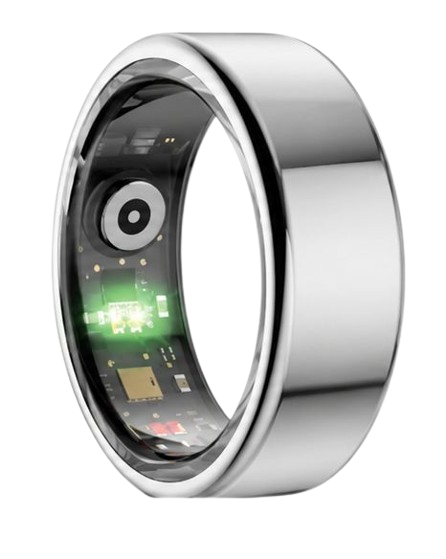
The Herz P1 Smart Ring tracks HRV, Sleep, Heart Rate & SpO2 around the clock. No subscriptions. No renewals. Ever.
In This Article
- The Perfect Step-by-Step Protocol: Discover exactly how to organize your evening thermal sessions to induce deep, high-quality sleep.
- The Biology of Thermoregulation: Learn how a strategic reduction in core body temperature signals your brain to initiate rest.
- Autonomic Balancing: Uncover how thermal therapy impacts your Heart Rate Variability (HRV) and nervous system.
- Data-Driven Optimization: Find out how to utilize the subscription-free Herz P1 Smart Ring to track and adjust your thermal routine.
How to Optimize Your Sauna and Sleep Protocol: A Step-by-Step Guide
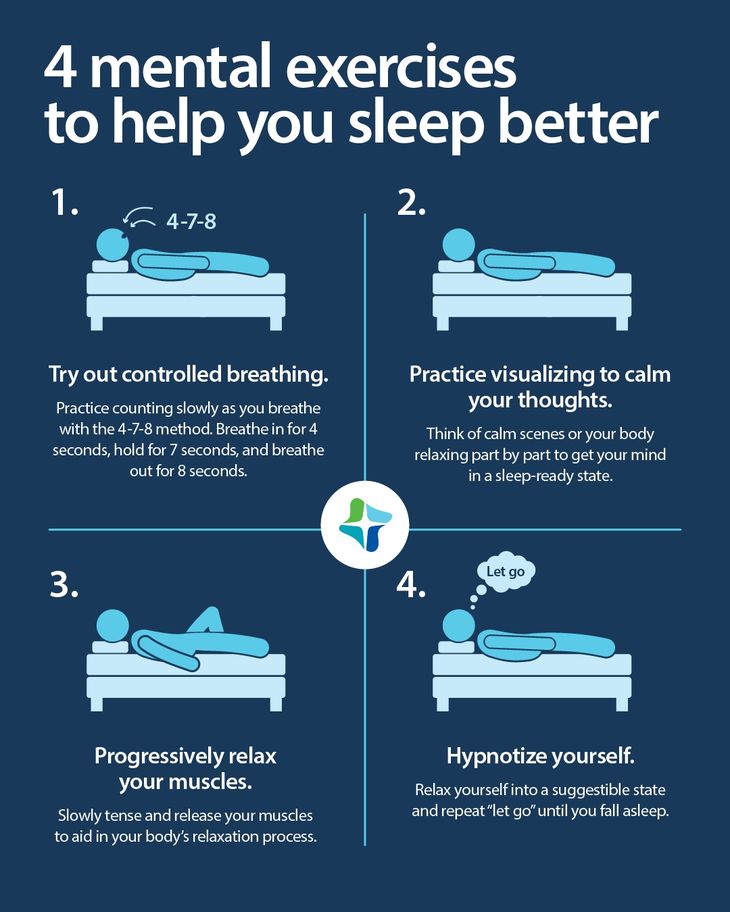
Combining thermal stress with deliberate rest is a powerful biohacking strategy for physical recovery.
Many busy individuals struggle to fall asleep because their autonomic nervous systems remain in a state of high alert.
By utilizing a structured heat exposure sequence, you can trigger a reliable cardiorespiratory and thermal cooldown.
This shift accelerates the body’s natural transition into a deep, parasympathetic recovery phase.
This comprehensive guide outline highlights the precise steps required to maximize the benefits of thermal therapy for overnight recovery.
Prerequisites / What You’ll Need
Before starting this evening protocol, ensure you have access to a reliable dry, wet, or infrared sauna unit.
You will also need sixteen to twenty-four ounces of pure water infused with organic electrolytes.
A clean, comfortable cooling space with a stable room temperature is crucial for the post-heat phase.
Finally, wearing a precision tracking device like the Herz P1 Smart Ring will allow you to monitor your physiological metrics.
-
Step 1: Time Your Heat Session Accurately
Perfect timing is the most critical factor when using a sauna before bed to improve sleep.
You should aim to complete your heat therapy session approximately ninety minutes to two hours before your target bedtime.
This specific window allows your body sufficient time to begin its natural cooling cycle.
Entering the sauna too close to your bedtime can leave your resting heart rate elevated when you try to sleep.
An elevated heart rate prevents your nervous system from transitioning smoothly into a restful parasympathetic state.
If you schedule the session too early, the sleep-inducing thermal effects will dissipate before you lay down.
Our internal data indicates that users who stick to this ninety-minute window experience faster sleep onset times.
You must treat this timing as a non-negotiable foundation of your evening hygiene ritual.
Adjusting your evening schedule to accommodate this heat window will pay massive dividends in overnight restoration.
Consistency with this scheduling creates a powerful neurological cue that signals your brain to prepare for deep rest. -
Step 2: Maintain Safe and Effective Temperatures
You must carefully regulate the temperature of your sauna room to avoid overtaxing your cardiovascular system.
For a traditional dry sauna, a temperature range between one hundred sixty and one hundred eighty degrees Fahrenheit is ideal.
If you are using an infrared model, set the temperature between one hundred twenty and one hundred forty degrees.
Your heat exposure duration should last between fifteen and twenty minutes per session.
You might be tempted to stay inside longer, but excessive heat exposure will elevate your stress hormones.
Some beginners read about 1 hour sauna benefits and mistakenly attempt prolonged sessions at night.
Long heat exposures are excellent for daytime endurance training but are highly counterproductive before sleep.
Your goal for evening therapy is mild cardiovascular stimulation followed by a deep cooling response.
Limit your session to a maximum of twenty-five minutes even if you have a high heat tolerance.
Keeping the duration moderate ensures that your sympathetic nervous system does not trigger a fight-of-flight response. -
Step 3: Drink Mineral-Rich Fluids Before and After
Sweating heavily in a thermal room depletes your body of essential fluids and vital minerals.
You must drink at least sixteen ounces of water infused with electrolytes before stepping into the heat.
Dehydration causes your blood volume to drop, which forces your heart to beat faster to maintain circulation.
An elevated resting heart rate will directly interfere with your ability to achieve deep sleep stages.
If you practice using the sauna twice a day, your hydration requirements will double.
Always avoid drinking plain water in large quantities because it can dilute your remaining sodium levels.
Keep an insulated bottle of mineral-rich water nearby to sip throughout your entire protocol.
You should continue rehydrating during the cool-down period to assist your kidneys in filtering metabolic waste.
Signs of inadequate hydration include mild headaches, dry mouth, or an unusually high pulse rate on your tracker.
Replenishing your cellular fluids immediately restores cardiac efficiency and supports a peaceful night of rest. -
Step 4: Execute a Gradual Cooling Down Process
The magic of heat therapy actually happens during the subsequent cooling phase.
To fall asleep, your core body temperature must decrease by approximately two degrees Fahrenheit.
Exiting the hot chamber initiates rapid heat dissipation through your dilated skin vessels.
You should sit in a cool room or enjoy a gentle lukewarm shower to assist this process.
Avoid taking ice-cold baths immediately after an evening sauna session.
Extreme cold exposure triggers a massive spike in norepinephrine, which increases alert states and delays sleep.
Instead, allow your body to cool down naturally and gradually over twenty to thirty minutes.
Wrap yourself in a breathable cotton robe that allows air to circulate around your skin.
This deliberate cooling period tells your brain that it is safe to transition into sleep mode.
Monitoring this temperature transition helps you understand how efficiently your vascular system sheds excess heat. -
Step 5: Track Your Sleep Architecture and Recovery
You cannot optimize what you do not measure, especially when modifying your thermal recovery habits.
You should use a reliable wearable device to track how your body responds to the heat protocol.
Many wellness enthusiasts find that utilizing an infrared sauna for sleep provides different biometric trends than dry saunas.
Your health tracker will show you whether your deep sleep duration increases after sauna sessions.
Look closely at your overnight heart rate curve to see when your pulse reaches its lowest point.
A healthy recovery pattern shows a U-shaped curve where your heart rate bottoms out during the first half of the night.
If your heart rate remains high until morning, your sauna session was likely too hot or too late.
Compare your sauna nights with non-sauna nights to identify clear trends in your recovery data.
Use these detailed insights to make small adjustments to your timing, temperature, or hydration levels.
Over time, this data-informed approach will help you build the ultimate customized sleep routine.
How the Herz P1 Smart Ring Empowers Your Sleep Protocol
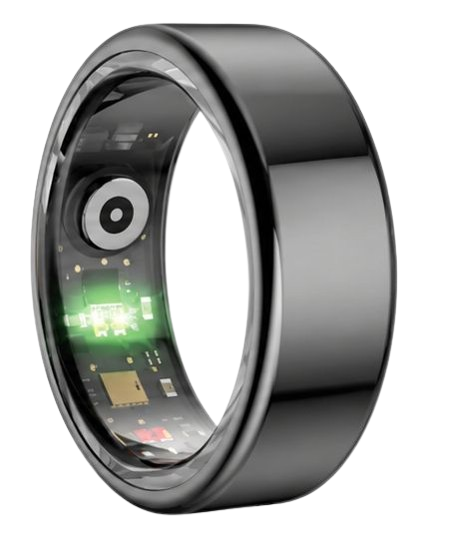
The Herz P1 Smart Ring is the perfect companion for this advanced biohacking journey.
With its military-grade steel construction and IP68 waterproof rating, you can wear it confidently during your post-sauna cool-down.
The ring monitors your heart rate, HRV, and SpO2 every five minutes without bulky screens or irritating lights.
Best of all, the Herz P1 requires no monthly subscription, giving you lifetime access to your recovery data.
You can explore the Herz P1 Smart Ring to see how seamless and comfortable sleep tracking can truly be.
90-Day 100% Money-Back Guarantee
“The Herz Smart Ring helps me manage stress easily. It’s accurate, stylish, and lightweight—perfect for my busy life!”
— Jennifer P. | ✔ Verified Customer
- ✓ 6-Day Battery Life
- ✓ Detailed Sleep Analysis
- ✓ Fast 1-Hour Charging
- ✓ iOS & Android Ready
Questions? Call: 1-866-479-1629
The Biological Mechanisms of Heat Therapy: How Sauna Influences Your Sleep Architecture
Delving into thermal biology reveals why heat exposure is so effective for evening recovery.
When you sit in a heated room, your cardiovascular system immediately adapts to the warm air.
Your heart rate increases, matching the exertion levels of a moderate aerobic workout.
At the same time, your blood vessels dilate to push blood flow toward the surface of your skin.
This rapid increase in skin blood flow allows your body to radiate heat into the surrounding environment.
This process of vasodilation is identical to the mechanism your body uses to prepare for sleep naturally.
Scientific research shows that thermal therapy mimics the body’s circadian signaling systems.
By artificially inflating your skin temperature, you trigger a rapid rebound drop in internal temperature afterward.
This cooling rebound is the primary biological trigger that makes you feel deeply sleepy.
Utilizing this natural mechanism allows you to bypass insomnia and fall into a deep slumber.
Core Body Temperature Regulation and Vasodilation
Your body’s internal clock relies heavily on temperature fluctuations to coordinate sleep and wakefulness cycles.
During the day, your core temperature remains high to support physical activity and mental alertness.
As evening approaches, your brain begins shedding heat to prepare your organs for nightly maintenance.
You can accelerate this natural process by taking a warm bath or using a heated sauna room.
Many studies confirm that a warm bath for sleep works on the exact same vascular principles as sauna sessions.
The intense heat of the sauna causes a massive surge in skin blood flow, known as cutaneous hyperemia.
Once you step out of the heat, your dilated vessels rapidly dump thermal energy into the cooler ambient air.
This vascular response causes your core temperature to plummet much faster than it would on its own.
The rapid drop in temperature acts as a biological green light for your brain to produce melatonin.
As melatonin levels rise, you experience a natural, powerful wave of sleepiness that eases you into rest.
Autonomic Nervous System Balance and HRV Recovery
Sauna therapy does more than just relax your muscles; it actively supports your cardiovascular system.
The mild heat stress triggers the release of specialized protective molecules called heat shock proteins.
These proteins help repair damaged cellular structures and protect your heart muscle from oxidative stress.
Regular thermal exposure also stimulates your lymphatic system, which enhances your body’s defense mechanisms.
Many users report using the sauna for immune system support during seasonal cold and flu spikes.
A stronger immune system reduces low-grade systemic inflammation, which is a major disruptor of deep sleep.
When your body is not fighting chronic inflammation, it can dedicate more resources to nightly brain clearing.
This immune-boosting effect creates a virtuous cycle of better health and superior sleep quality.
Your smart ring can track these long-term cardiovascular improvements through your resting heart rate trends.
Seeing your resting pulse decrease over weeks of sauna use confirms that your heart is becoming stronger.
Deep Sleep and REM Optimization: Analyzing Your Nightly Recovery Metrics
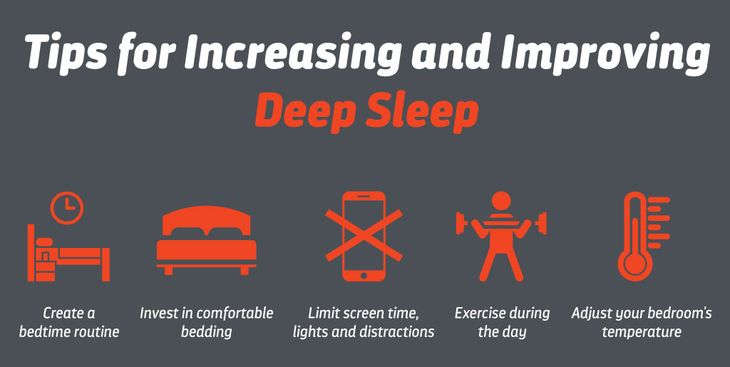
Sleep is not a uniform state of unconsciousness but a complex series of recurring biological cycles.
Each night, your brain moves through distinct stages of light sleep, deep sleep, and rapid eye movement.
Every sleep stage serves a specific, irreplaceable role in your physical and cognitive rejuvenation.
Deep slow-wave sleep is responsible for tissue repair, cellular growth, and physical energy restoration.
Rapid Eye Movement sleep is where your brain processes emotions, solidifies memories, and clears waste.
Chronic deprivation of these essential stages can lead to brain fog, fatigue, and cardiovascular strain.
Heat therapy has been shown to alter the composition of these sleep stages in highly beneficial ways.
By exposing your body to controlled thermal stress, you can increase the overall duration of slow-wave sleep.
This deep-stage enhancement is the holy grail of physical recovery for athletes and busy professionals alike.
Understanding how to track these shifts helps you maximize the wellness return on your sauna sessions.
Growth Hormone Release and Physical Tissue Repair
During the deepest stages of non-REM sleep, your pituitary gland releases a massive pulse of growth hormone.
This hormone is vital for repairing micro-tears in muscles, strengthening bones, and renewing skin cells.
Research shows that sauna bathing prior to rest can double the nightly production of this restorative hormone.
The physical relaxation induced by the heat allows your body to slide into deep sleep much earlier in the night.
When you spend more time in this slow-wave state, your muscles recover from daily exercise significantly faster.
You will wake up feeling physically lighter and free from the chronic muscle stiffness that plagues many adults.
The Herz P1 Smart Ring uses advanced movement and heart rate algorithms to measure your precise deep sleep minutes.
Checking your ring’s app after a sauna night will often reveal a marked increase in slow-wave duration.
This objective feedback validates the physical healing power of your evening heat therapy routine.
Consistently hitting your deep sleep goals is the single most effective way to slow down biological aging.
Managing Blood Oxygen (SpO2) and Respiratory Quality
Heart Rate Variability is the ultimate biometric metric for measuring autonomic nervous system stress.
A high HRV indicates that your body is highly adaptable, relaxed, and ready to handle physical challenges.
A low HRV shows that your nervous system is stuck in a stressed, sympathetic fight-or-flight state.
Saunas act as a brief, controlled stressor that temporarily lowers your HRV during the heat session.
However, once you cool down and go to sleep, your body compensates with a massive parasympathetic rebound.
This rebound causes your overnight HRV to skyrocket, reflecting deep systemic relaxation and high-quality recovery.
This recovery mechanism is especially helpful when dealing with warm climates or summer weather patterns.
You can implement specific hot weather sleep tips alongside sauna therapy to maintain high HRV year-round.
Managing your thermal environment ensures that your heart does not have to work overtime during hot summer nights.
The Herz P1 tracks these micro-variations in your pulse to deliver an accurate, real-time stress index score.
Translating Sauna Data into Better Rest with Your Herz P1 Smart Ring
Having access to high-quality health data is only valuable if you know how to apply it to your life.
The Herz P1 Smart Ring app turns complex biometrics into simple, actionable daily lifestyle recommendations.
When you open the app each morning, you are greeted with a comprehensive wellness readiness score.
This score is calculated using your overnight resting heart rate, HRV trends, and sleep stage ratios.
By reviewing this score, you can immediately determine how well your body recovered from the previous day.
If you did a sauna session the night before, you can directly see its impact on your recovery metrics.
The app allows you to tag specific activities, making it easy to compare sauna nights against standard nights.
Over a few weeks, you will start to see clear patterns emerge in your personalized dashboard.
You might discover that a twenty-minute dry sauna session produces a higher recovery score than a steam session.
This hyper-personalized feedback loop takes the guesswork out of optimizing your physical and mental health.
Identifying Your Peak Sleep Score Trends
Every human body is unique, meaning a protocol that works for someone else might not suit you perfectly.
You must use your Herz P1 data to experiment and find your own personal sleep sweet spot.
Start by keeping your sauna sessions at a modest fifteen minutes for one full week.
Check your average resting heart rate and see if it drops to its lowest point early in the night.
If your heart rate takes too long to go down, try moving your sauna session thirty minutes earlier.
You can also experiment with different hydration levels to see how they influence your morning HRV score.
The ring’s precise optical sensors will capture even the smallest physiological responses to these subtle changes.
Do not make multiple changes at once, as this will make it impossible to identify what is working.
Treat your wellness journey as a fun, scientific experiment where your body is the subject.
With a little patience and consistency, you will unlock a level of sleep quality you never thought possible.
Avoiding Heat Therapy Mistakes That Ruin Your Night’s Rest
While sauna therapy is incredibly beneficial, making simple mistakes can completely ruin its sleep-promoting benefits.
The most common error is staying inside the hot room for too long in an attempt to sweat more.
Prolonged heat exposure raises your core temperature to a level that takes hours to come back down.
If your body is still actively trying to cool down when you go to bed, you will experience fitful, shallow sleep.
Another frequent mistake is consuming alcohol or heavy meals shortly before entering the heated chamber.
Alcohol severely impairs your body’s thermoregulatory systems and artificially suppresses your REM sleep stages.
Combining alcohol with heat stress can also cause sudden drops in blood pressure and extreme dehydration.
Always keep your pre-sauna habits clean, light, and focused purely on hydration and relaxation.
By respecting the power of thermal therapy, you avoid these common pitfalls and protect your overnight recovery.
Educating yourself on safe sauna practices is the first step toward achieving a truly rejuvenating evening routine.
Avoiding the Trap of Bulky Wristwatches During Sleep
Many people try to track their sleep using heavy, oversized smartwatches that strap tightly to their wrists.
These bulky devices are highly uncomfortable to wear in bed and can easily wake you up when you turn over.
Smartwatches also require daily charging, meaning they are often sitting on a nightstand when you need them most.
Furthermore, many wearable brands trap your health data behind expensive monthly app subscription fees.
We believe that you should not have to pay a recurring fee to access your own personal health metrics.
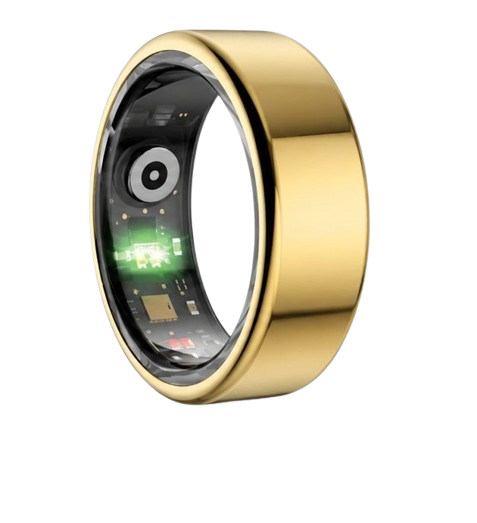
The Herz P1 Smart Ring solves all of these problems with its lightweight, screen-free design.
Crafted from military-grade steel, it is incredibly durable yet weighs almost nothing on your finger.
The ring’s low-profile form factor ensures that you will completely forget you are wearing it to sleep.
It offers a massive six-day battery life and charges fully in less than one single hour.
Best of all, the Herz P1 app is entirely free for life, with no hidden subscription costs.
Herz P1 vs. Traditional Wearables
| Feature / Metric | Herz P1 Smart Ring | Standard Smartwatch |
|---|---|---|
| Monthly App Subscription | $0 (Free for Life) | $5.99 to $9.99/month |
| Battery Longevity | 6 Days (Full Charge in <1 Hour) | 1 to 2 Days (Daily Charging Required) |
| Sleep Comfort Factor | Ultra-lightweight, seamless ring | Bulky, heavy wrist straps |
| Waterproof Rating | IP68 (Up to 164 Feet) | Basic splash-proof limits |
| Sensor Type | High-accuracy multi-wavelength PPG | Basic wrist-based optical sensor |
Frequently Asked Questions
Yes, the Herz P1 is fully certified with an IP68 waterproof rating.
This military-grade construction allows the ring to be safely submerged up to 164 feet deep.
You can wear it with complete peace of mind while showering, swimming, or relaxing in the pool.
It is designed to withstand both warm water and heavy sweat during intensive workout sessions.
The advanced lithium-ion battery in the Herz P1 provides up to six full days of active monitoring.
This long battery life means you only need to charge the device about once a week.
When the battery does run low, a full charge takes under sixty minutes to complete.
The quick charging time ensures you never miss crucial overnight sleep tracking statistics.
We recommend wearing the Herz P1 on your index, middle, or ring finger for the highest data accuracy.
The index finger of your non-dominant hand typically provides the most consistent optical sensor readings.
Ensure the inner sensor bumps sit snugly against the palm side of your chosen finger.
A snug but comfortable fit prevents the ring from rotating during your sleep cycles.
Yes, the Herz P1 features seven full days of onboard memory storage.
The ring will continue monitoring your biometrics even when disconnected from your smartphone.
Once you open the companion app, your stored data will automatically sync via Bluetooth.
This offline capability makes it perfect for off-grid camping trips or digital detox weekends.
Conclusion
Pairing a relaxing heat therapy routine with the comfort of a smart ring is the ultimate recovery combination.
By monitoring your sleep trends, you can easily optimize your daily performance and wellness.
Ready to track your health trends every day?
Explore the Herz P1 Smart Ring and see if it fits your busy lifestyle.
Call us directly at 1-866-479-1629 to discuss sizing options or speak with our support team about your recovery goals.
Note: Individual results may vary depending on individual health conditions, age, and lifestyle habits. This article is intended for general health reference purposes only and should not be used as a replacement for professional medical advice.
