

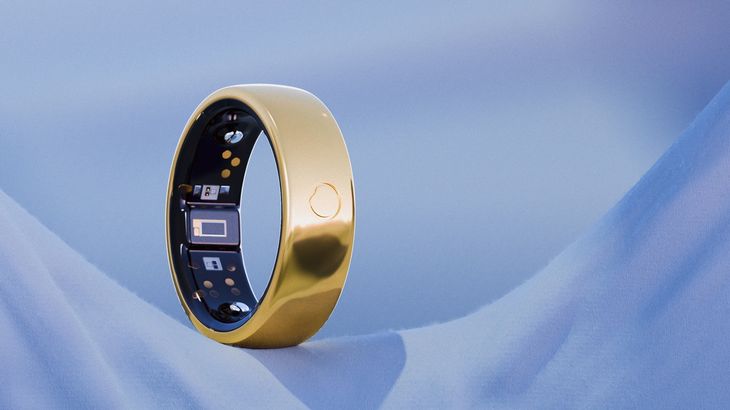
Waking up with a flushed face, a rising body temperature, and discovering a resting pulse 100 with fever can instantly spark a wave of anxiety. Clinical cardiologists note that heart rates naturally climb by approximately 10 beats per minute for every single degree Celsius increase in core body temperature. When you use the Herz P1 smart ring to track your daily biometrics, identifying these deviations early can help you understand your immune defense system without panicking about normal cardiovascular adjustments.
Built to Last. Save Up to 69% Today.
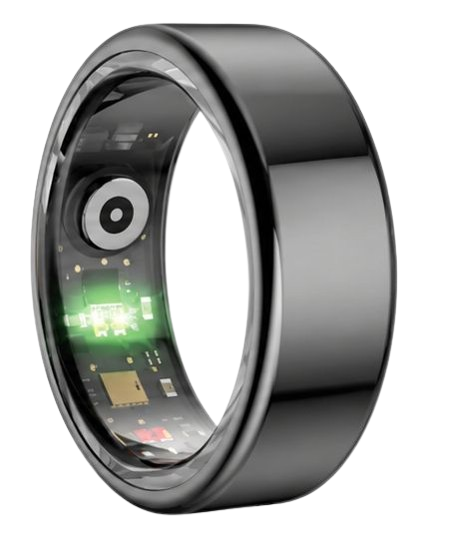
The Herz P1 Smart Ring tracks HRV, Sleep, Heart Rate & SpO2 around the clock. No subscriptions. No renewals. Ever.
In This Article
- The 5W2H Clinical Answer: A comprehensive breakdown of why your pulse hits 100 during a fever.
- The Physiology of Immune Stress: How infections force the autonomic nervous system to raise cardiac output.
- Smart Biometric Tracking: Utilizing advanced PPG sensors to identify infection trends before you feel sick.
- Practical Mitigation Strategies: Actionable steps to support cardiac recovery and lower your pulse naturally.
Is a Resting Pulse of 100 with Fever Normal? What the Data Shows
A resting pulse of 100 beats per minute during a fever is a very common clinical reaction.
This physiological state is known as tachycardia when sick.
To understand if it is safe, we must analyze the condition using the comprehensive 5W2H framework.
What Is It?
An elevated heart rate of 100 beats per minute represents the borderline threshold of tachycardia.
When your core body temperature rises, your vascular system dilates and your metabolic demand surges.
Your heart must beat faster to maintain adequate blood pressure and oxygen delivery to hyperactive immune cells.
This is a natural defensive compensation mechanism rather than an inherent cardiac malfunction.
Who Is Affected?
This spike affects almost all age groups, from young children to elderly adults, who experience infectious pyrexia.
Active individuals with low baseline resting heart rates might find a sudden jump to 100 especially alarming.
However, those with pre-existing cardiovascular conditions must monitor this elevation with higher vigilance.
Sedentary individuals or those with high anxiety may also see their pulse climb even higher due to secondary stress hormones.
When Does It Matter?
An elevated pulse matters most during the acute phase of an infection when your fever is actively climbing or peaking.
If your pulse remains at 100 while your fever is resolving, it could point to lingering dehydration or secondary physical stress.
You should pay close attention if this elevation persists for more than forty-eight hours after your body temperature has returned to normal.
Tracking the timing of these spikes helps distinguish simple fever responses from prolonged systemic stress.
Where Does It Occur?
This cardiovascular response occurs throughout your entire autonomic nervous system and circulatory pathways.
The primary signal originates in the hypothalamus of your brain, which controls your systemic thermal set-point.
The physical manifestation is felt as a rapid, bounding pulse in your radial, carotid, or digital capillaries.
Optical rings are ideally situated to capture these digital vascular changes because the fingers have a dense network of microvessels.
Why Does It Happen?
A fever triggers a cascade of inflammatory cytokines that alter your vascular resistance and elevate your metabolic rate.
The metabolic rate of your body increases by approximately thirteen percent for every single degree Celsius rise in temperature.
Your heart must pump more rapidly to satisfy this dramatic increase in systemic oxygen and nutritional demands.
This explains exactly why does a fever make your heart rate go up during viral and bacterial battles.
How Does It Work?
As your temperature climbs, your peripheral blood vessels dilate to help radiate excess heat away from your skin.
This dilation causes a temporary drop in systemic vascular resistance and a slight reduction in blood pressure.
Your autonomic nervous system compensates immediately by releasing adrenaline and suppressing parasympathetic vagal tone.
This dual autonomic shift increases the firing rate of the sinoatrial node, driving your heart rate upward.
How Much or How Many?
The standard clinical rule of thumb is that your heart rate will rise by 10 to 15 beats per minute per degree Celsius of fever.
This means a temperature of 39°C (102.2°F) can easily elevate a normal resting pulse of 70 up to 100 or higher.
Clinical data shows that a flu heart rate over 100 is incredibly common in adult patients.
In fact, more than eighty percent of hospitalized viral patients exhibit transient mild tachycardia during febrile episodes.
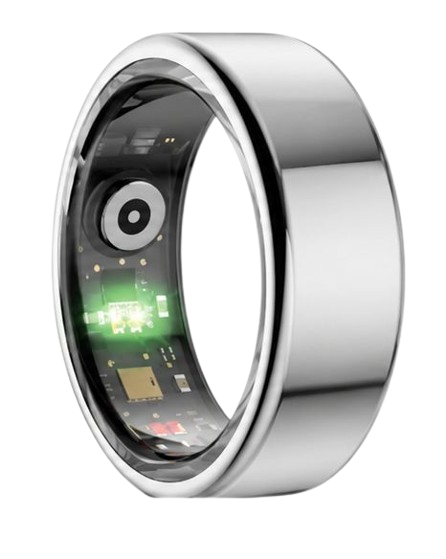
If you want to track this in real time without bulky medical equipment, the Herz P1 Smart Ring monitors heart rate and temperature deviations 24/7 — explore it here.
90-Day 100% Money-Back Guarantee
“The Herz Smart Ring helps me manage stress easily. It’s accurate, stylish, and lightweight—perfect for my busy life!”
— Jennifer P. | ✔ Verified Customer
- ✓ 6-Day Battery Life
- ✓ Detailed Sleep Analysis
- ✓ Fast 1-Hour Charging
- ✓ iOS & Android Ready
Questions? Call: 1-866-479-1629
The Physiology of Fever-Induced Tachycardia
To fully grasp this process, we must look at the autonomic nervous system.
When you are healthy, your heart rate operates under a balanced tug-of-war between sympathetic and parasympathetic nerves.
The parasympathetic branch acting via the vagus nerve acts as a brake, keeping your pulse low and calm.
During a viral or bacterial invasion, inflammatory signals force this brake to release.
This transition leads directly to a higher sick resting heart rate as your body diverts vital energy toward immune response tasks.
As metabolic demands increase, your blood vessels dilate to allow heat dissipation.
This dilation reduces the systemic venous return to your heart, meaning less blood refills the ventricles between beats.
To keep your oxygen delivery stable, your heart must compensate for lower blood volume per beat by beating more frequently.
Medical literature from the American Heart Association confirms that transient mild tachycardia when sick is a benign and necessary adaptation.
However, this adaptation does place a substantial energetic tax on your myocardium.
This is why you feel deeply exhausted even when you spend the entire day resting in bed.
The Herz P1 Smart Ring tracks these subtle systemic load trends, allowing you to visualize exactly how hard your cardiovascular system is working to keep you safe.
Optical Sensors and Biometric Analysis: How Wearables Track Sickness
Modern biometric devices do not merely measure single pulse points; they capture entire physiological signatures.
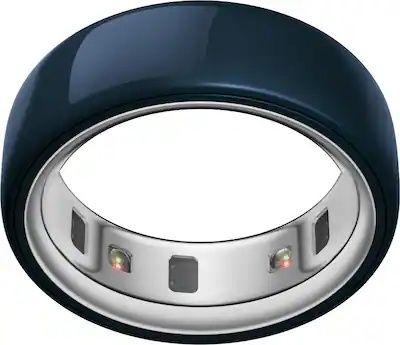
At the core of the Herz P1 Smart Ring is a highly advanced multi-wavelength optical PPG sensor array.
This system uses green, red, and infrared light emitting diodes to penetrate the thin dermal layers of your finger capillaries.
Because the finger has a higher arterial volume than the wrist, these sensors can read pulse variations with exceptional precision.
When your immune system reacts to a pathogen, it alters your baseline microcirculation hours before physical symptoms arise.
An elevated heart rate when sick is often accompanied by a dramatic drop in Heart Rate Variability (HRV).
A lower HRV score indicates that your sympathetic nervous system is heavily dominant, focusing all resources on fighting off the bug.
The Herz P1 measures these HRV fluctuations every 5 minutes with medical-grade sensitivity.
By comparing your overnight heart rate trends to your rolling 14-day baseline, the app can spot early warning signs of physical stress.
If you observe that your is your heart rate higher when sick trend is continuing, it is a clear indicator that your body requires deep rest.
These optical insights take the guesswork out of recovery, letting you monitor your cardiovascular stress levels objectively.
Tracking Immune Response Trends Without a Fever
It is a common misconception that you must have a high fever to experience cardiovascular changes from an illness.
Many subclinical infections cause a high heart rate when sick no fever because the inflammatory cascade is still highly active.
Your immune cells still release signaling proteins that stimulate the sympathetic nervous system and increase your cardiac output.
This shows that does infection increase heart rate even in the absence of a noticeable thermal temperature spike.
During these subclinical episodes, your overnight resting heart rate might climb by 5 to 10 beats per minute.
At the same time, your blood oxygen saturation (SpO2) levels may show slight dips during your deepest sleep stages.
Tracking these multi-metric trends is vital for early intervention and preventing the spread of illness to family or colleagues.
The Herz P1 Smart Ring integrates all of these variables into a single, intuitive Daily Recovery Score.
This score evaluates your sleep quality, resting heart rate, and heart rate variability to give you an accurate picture of your physical readiness.
When your recovery score drops into the red zone, you know it is time to cancel intense workouts and prioritize sleep.
Practical Application: Managing Your Heart Rate and Supporting Recovery
If you discover that your resting pulse is elevated during an illness, there are several practical steps you can take to support your system.
First, prioritize aggressive hydration by drinking clean water, herbal teas, and electrolyte-rich broths.
When you are dehydrated, your circulating blood volume decreases, which forces your heart to beat even faster to maintain pressure.
Second, avoid all forms of physical exertion and remain in a comfortable, cool resting environment.
Third, use the real-time biometric tracking on your Herz P1 App to monitor your cardiovascular recovery trends.
The app displays your resting pulse, sleep efficiency, and autonomic nervous system stress index in clear, simple charts.
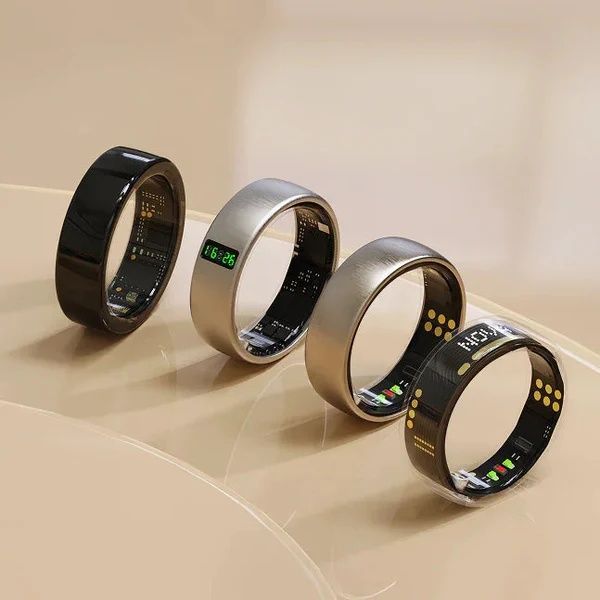
Because the Herz P1 is made from ultra-lightweight military-grade steel, it is incredibly comfortable to wear all night long.
Unlike bulky smartwatches that pinch your skin or flash bright green lights in the dark, the sleek ring profile goes completely unnoticed.
This continuous wear ensures that you never miss a critical hour of physiological recovery data during your recovery phase.
Overcoming Wearable Pitfalls and Avoiding Hidden Costs
Many people make the mistake of wearing a heavy, bulky smartwatch to sleep when they are feeling sick.
These large devices frequently shift during the night, leading to inaccurate readings or completely missing sleep stage data.
Furthermore, many premium smart rings on the market lock your personal physiological data behind expensive monthly app subscriptions.
We believe that you should never have to pay a recurring monthly fee to access your own biometric health information.
The Herz P1 Smart Ring offers a lifetime-free companion application with absolutely no monthly subscription charges.
Your purchase includes full access to advanced sleep staging, continuous heart rate tracking, HRV analysis, and temperature trending.
Our military-grade steel outer shell is engineered to withstand daily wear, household impacts, and regular hand washing.
With an IP68 waterproof rating, you can wear it in the shower, bath, or pool without worrying about water damage.
Additionally, the ring features seven days of secure offline local storage, ensuring your data is saved even when your phone is turned off.
Comparing Wearable Solutions: Why Herz P1 Leads
To help you make an informed decision, let us compare the primary features of the Herz P1 against standard wearable trackers.
| Feature Metric | Herz P1 Smart Ring | Standard Smartwatches | Basic Fitness Bands |
|---|---|---|---|
| Monthly App Subscription | $0 (Free Forever) | Varies ($5 – $15/mo) | Varies ($0 – $10/mo) |
| Battery Life Durability | Up to 6 Days (1-Hr Charge) | 1 to 2 Days Typical | 5 to 7 Days Typical |
| Waterproof Integrity | IP68 Military-Grade | Varies (Typically IP67) | Varies (Basic Splashproof) |
| Sleep Tracking Comfort | Excellent (Ultra-Lightweight) | Poor (Bulky and Heavy) | Moderate (Straps Can Irritate) |
Frequently Asked Questions (FAQ)
Is the Herz P1 Smart Ring waterproof?
Yes, the Herz P1 Smart Ring features a robust IP68 waterproof rating, certifying protection against continuous immersion up to 164 feet.
This means you can confidently wear it while washing dishes, taking a hot shower, or swimming laps in the pool.
The military-grade steel housing protects the internal optical sensors from moisture intrusion under all standard daily conditions.
How long does the battery last on a single charge?
The highly efficient lithium-polymer battery inside the Herz P1 lasts up to 6 full days under normal continuous tracking conditions.
When the battery does run low, it can be recharged back to one hundred percent capacity in under 1 hour.
This rapid charging cycle ensures that you experience virtually zero gaps in your long-term wellness and recovery monitoring.
Which finger is best to wear the smart ring on?
For the absolute highest accuracy, we recommend wearing the Herz P1 on your index, middle, or ring finger.
These three digits possess the most robust capillary beds, providing the strongest optical signals for our PPG sensors.
Ensure that the ring fits snugly without causing tightness, and that the sensor band rests on the palm-side of your finger base.
Does the ring store my biometric data offline?
Yes, the Herz P1 features built-in flash memory that stores up to 7 days of raw physiological data completely offline.
If you travel without your phone or choose to turn off your Bluetooth connection at night, your data remains fully secure.
The moment you open the free companion app, the ring will automatically sync all stored metrics in just a few seconds.
Take Control of Your Health Tracking Journey
Monitoring physical metrics during illness provides peace of mind and actionable data.
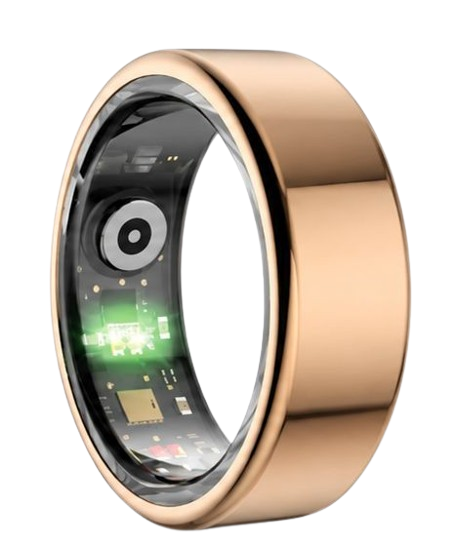
Ready to monitor your health every day? Explore the Herz P1 Smart Ring and see if it fits your lifestyle. Call: 1-866-479-1629 — our team can help you advise on the correct ring size and set personalized health goals.
