

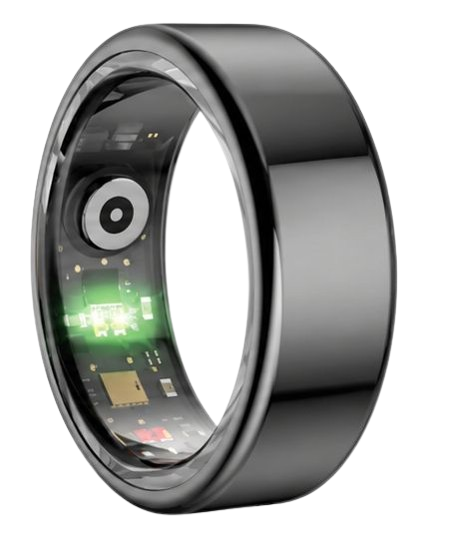
Waking up with a racing pulse while fighting off an infection can feel highly alarming, but understanding why tachycardia when sick happens is the first step toward recovery. Your cardiovascular system shifts into overdrive to battle pathogens, a physiological defense mechanism that the premium Herz P1 smart ring monitors with clinical-grade accuracy to help you manage your rest safely.
Built to Last. Save Up to 69% Today.
The Herz P1 Smart Ring tracks HRV, Sleep, Heart Rate & SpO2 around the clock. No subscriptions. No renewals. Ever.
In This Article
- Manage Heart Rate Spikes: Step-by-step practices to help soothe rapid pulse rates when you are ill.
- The Biological Mechanics: Why infections, fevers, and immune responses trigger sudden cardiovascular spikes.
- When to Seek Medical Care: Clear clinical guidelines on safe metrics versus severe cardiovascular warning signs.
- Advanced Smart Ring Insights: How continuous HRV, sleep, and blood oxygen tracking facilitate optimal recovery.
How to Manage Elevated Heart Rate When Sick: A Step-by-Step Recovery Guide

Prerequisites: What You Will Need
Before beginning this recovery protocol, ensure you are in a quiet, climate-controlled room with low lighting.
You will need a reliable fluid source containing essential electrolytes, a cooling washcloth, and a high-precision biometric tracker to monitor your trends.
-
Step 1: Hydrate Aggressively to Rebuild Blood Volume
Dehydration is a primary non-pathogenic driver of elevated heart rate during acute illness.
When your fluid intake drops or you lose sweat due to fever, your overall blood volume decreases significantly.
This volume reduction forces your heart to contract much faster to maintain adequate blood pressure and oxygen delivery.
To reverse this, consume eight to ten ounces of an electrolyte-formulated beverage every forty-five minutes.
Avoid highly concentrated sugary sports drinks as they can cause rapid spikes in blood glucose and exacerbate mild inflammation.
-
Step 2: Actively Cool Your Core Temperature to Lower Thermal Stress
A rising body temperature places immense metabolic stress on your entire physical system.
Every single degree Fahrenheit your temperature rises increases your resting heart rate by roughly ten beats per minute.
Apply a cool, damp cloth directly to highly vascular areas like your forehead, the sides of your neck, or your underarms.
Keep your immediate environment between sixty-five and sixty-eight degrees Fahrenheit to support passive heat loss.
Never take a freezing cold shower as this can induce shivering, which paradoxically spikes your core temperature even higher.
-
Step 3: Activate Your Parasympathetic Nervous System with Slow Breathing
Controlled, rhythmic breathing exercises directly stimulate your vagus nerve to send slow-down signals to your heart.
Find a comfortable position lying flat on your back with your knees slightly bent to relieve abdominal tension.
Inhale slowly through your nose for a count of four seconds, focusing on expanding your lower belly rather than your chest.
Hold that clean breath in your lungs gently for a brief, calm pause of two seconds.
Exhale completely through pursed lips for a slow, continuous count of six seconds to empty your lungs.
Repeat this cycle for ten full minutes to suppress dominant sympathetic fight-or-flight signaling.
-
Step 4: Elevate Your Head and Torso to Reduce Venous Return Strain
Your resting posture plays a massive role in determining your heart’s mechanical workload while fighting off an infection.
Lying completely flat on your back increases venous return to your heart chambers, stretching the muscle walls and elevating your rate.
Prop your upper body up at a thirty-to-forty-five-degree angle using several supportive bed pillows.
This semi-upright position also eases pulmonary congestion, helping you maintain higher oxygen levels with less effort.
Ensure your neck remains aligned with your spine to prevent airway constriction during deep breathing.
-
Step 5: Track Biometric Baseline Metrics Rather Than Daily Activity Goals
Do not guess your level of recovery based on superficial physical sensations or basic step goals.
Consistently monitor your resting heart rate, blood oxygen saturation, and heart rate variability at regular intervals.
Keep your physical exertion to an absolute minimum until your average resting metrics return to your pre-illness baseline.
Do not return to work or exercise routines if your heart rate spikes significantly upon standing.
Consult a qualified healthcare provider if your biometrics fail to improve after your fever has resolved.
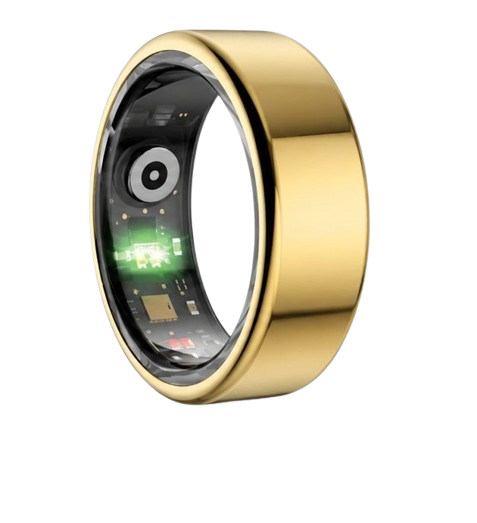
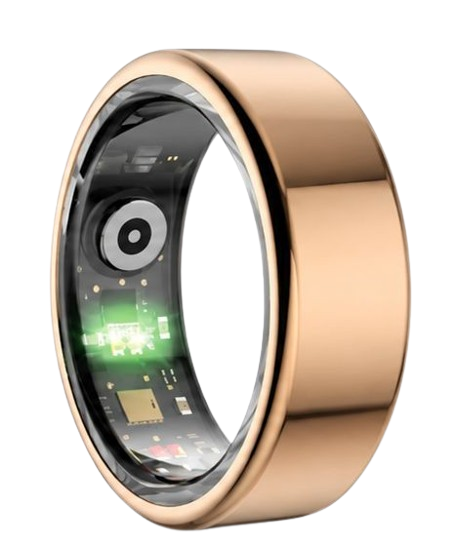
The premium Herz P1 Smart Ring makes tracking your illness recovery completely seamless by compiling continuous biometric data.
Its lightweight titanium design allows you to collect accurate heart rate and sleep trends without the distraction of bulky screens.
By reviewing your personalized recovery metrics in the free companion app, you can easily determine when your body is ready to resume active routines.
90-Day 100% Money-Back Guarantee
“The Herz Smart Ring helps me manage stress easily. It’s accurate, stylish, and lightweight—perfect for my busy life!”
— Jennifer P. | ✔ Verified Customer
- ✓ 6-Day Battery Life
- ✓ Detailed Sleep Analysis
- ✓ Fast 1-Hour Charging
- ✓ iOS & Android Ready
Questions? Call: 1-866-479-1629
The Physiological Connection: Why Infection Sparks Tachycardia
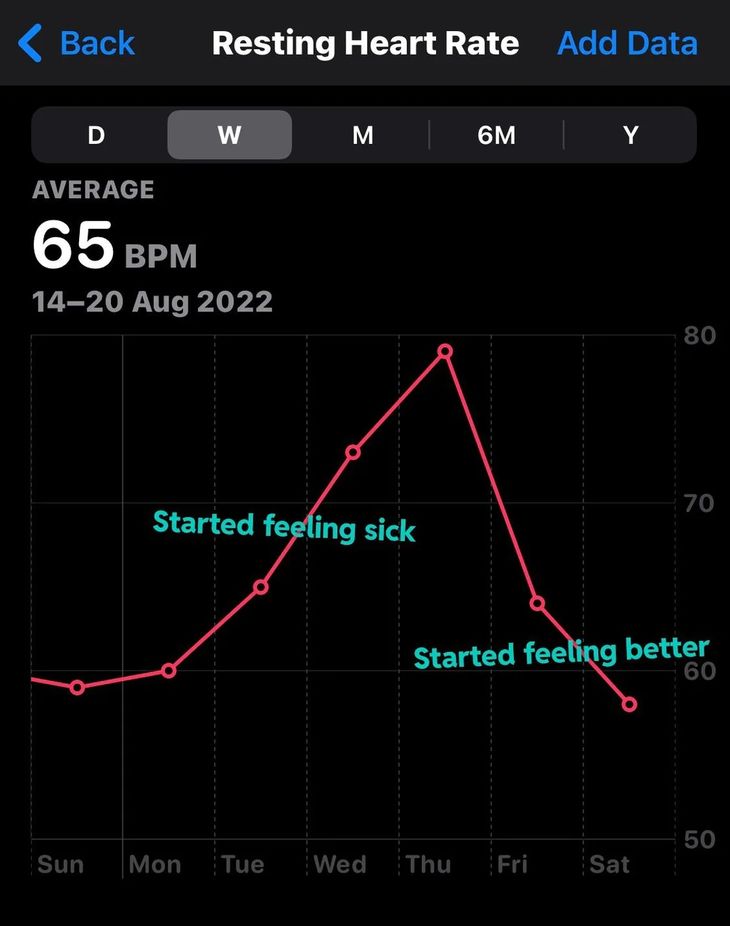
Your immune system launches an incredibly complex cascade of chemical signals when it detects an invading virus or bacteria.
White blood cells produce specialized proteins known as pyrogens, which enter the bloodstream to locate the source of infection.
These pyrogens travel directly to the hypothalamus in your brain, which serves as your body’s internal thermostat.
The hypothalamus raises your target core temperature to create an inhospitable, hot environment for invading pathogens.
This biological shift leads to the core question: does a fever make your heart rate go up during an illness?
Clinical science confirms that a higher body temperature directly accelerates your metabolic rate.
Every cell in your body requires more oxygen, nutrients, and fuel to function at this elevated operating temperature.
To supply this massive cellular demand, your cardiovascular system must pump oxygenated blood at a much faster rate.
This systemic acceleration causes a very noticeable rise in your overall sick resting heart rate metrics.
At the same time, your sympathetic nervous system increases its release of active stress hormones, including cortisol and adrenaline.
These chemical messengers stimulate the sinoatrial node in your heart, which functions as your natural pacemaker.
This hormonal stimulation is why you may observe a resting heart rate 100 when sick, even while resting in bed.
Additionally, inflammatory cytokines cause your peripheral blood vessels to widen, a process known as vasodilation.
This widening reduces systemic blood pressure, making it harder for blood to reach vital tissues easily.
Your heart compensates for this pressure drop by beating much faster to maintain a healthy cardiac output.
All of these complex reactions represent a highly coordinated survival mechanism designed to protect your physical systems.
Tracking these chemical and cardiovascular shifts provides valuable insight into how hard your immune system is working.
Assessing the Numbers: What Heart Rate Metrics Mean When Sick
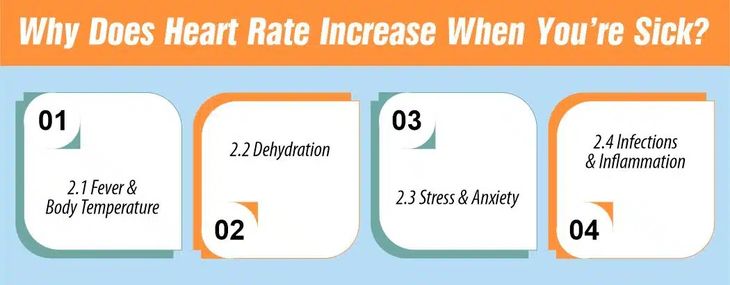
Evaluating your cardiovascular response during an illness requires establishing a clear baseline of your typical metrics.
Most healthy adults maintain a resting heart rate baseline between sixty and eighty beats per minute under normal conditions.
However, acute infections alter these baselines, sometimes pushing your pulse into unusual clinical ranges.
For example, experiencing a flu heart rate over 100 beats per minute is extremely common during viral respiratory infections.
This moderate rise indicates that your body is actively mobilizing white blood cells to neutralize the threat.
If your body temperature continues to rise, you might observe a resting heart rate 120 when sick.
This specific metric shows that your cardiovascular system is experiencing a moderate level of systemic strain.
It acts as a clear physical warning that you must increase your fluid intake and remain resting in bed.
An even higher reading, such as a resting heart rate 130 when sick, signals significant cardiovascular stress.
At this rate, you must prioritize active cooling techniques, deep breathing, and absolute physical quiet.
If this high rate persists for several hours without any fever, consult a medical professional for guidance.
Consistently observing your elevated heart rate when sick helps you distinguish a normal immune response from severe distress.
The table below outlines generalized cardiovascular ranges during illness to help you evaluate your current risk level.
| Heart Rate Range (BPM) | Physiological Classification | Recommended Recovery Action |
|---|---|---|
| 60 – 90 | Normal Baseline Range | Maintain standard hydration, prioritize light rest, and track sleep cycles. |
| 91 – 110 | Mild Autonomic Strain | Increase fluid intake, rest in a cool room, and avoid physical exertion. |
| 111 – 130 | Moderate Systemic Stress | Elevate your head, apply cool compresses, and focus on slow breathing. |
| Above 130 | Severe Cardiovascular Strain | Contact a healthcare provider if this rate is sustained or causes dizziness. |
Please note that individual baseline heart rates can vary depending on your fitness level, age, and genetics.
Well-conditioned athletes often have a lower resting heart rate and may experience smaller absolute spikes during fever.
Conversely, individuals with underlying conditions may experience more rapid cardiac fatigue during infection.
Comparing your active metrics against your personal historical data is the most reliable way to monitor your health trends.
How to Leverage Smart Ring Biometrics for Recovery Management
The companion app for the Herz P1 displays your critical metrics in clear, intuitive, and easy-to-read daily trend lines.
When you suspect you are falling ill, check your morning Heart Rate Variability (HRV) score immediately.
A sharp drop in your baseline HRV indicates that your autonomic nervous system is experiencing significant stress.
This drop often occurs up to twenty-four hours before you feel any physical symptoms of illness.
Next, monitor your blood oxygen saturation (SpO2) trends while you sleep during the night.
Your blood oxygen saturation levels should remain consistently between ninety-five and one hundred percent.
A sustained drop below ninety-two percent suggests that your respiratory system is facing difficulty.
The Herz P1 App consolidates these metrics into simple historical charts that you can easily review.
You can share these accurate trend lines with your physician to provide a clear picture of your recovery.
The sleek, lightweight ring design allows you to collect this vital data without causing any physical irritation.
Unlike heavy smartwatches, the ring does not pinch your skin or wake you up with bright screen flashes.
This continuous monitoring ensures you always have the necessary data to make informed choices about your rest.
Overcoming Wearable Pitfalls: Comfort, Subscriptions, and Material Quality
Many health-conscious individuals struggle with the daily frustration of wearing heavy modern smartwatches.
These bulky devices often lose their battery charge during the night, leading to annoying gaps in your sleep data.
Wearing a heavy band to bed can be highly uncomfortable and often disrupts your natural sleep architecture.
Additionally, several premium wearable brands hide your personal health data behind expensive monthly subscription fees.
These recurring charges can quickly add up to hundreds of dollars over time just to view your metrics.
We believe you should never have to pay a recurring toll to access your own biometric signals.
The Herz P1 App features a free lifetime subscription with every single feature unlocked from your very first day.
Our ring is crafted from military-grade steel to easily withstand the physical demands of your active life.
It features a highly scratch-resistant outer surface that maintains its premium appearance through years of wear.
It is also fully IP68 waterproof, allowing you to swim, shower, or wash hands without removing it.
This durable design ensures you receive uninterrupted, reliable biometric insights without any unexpected, ongoing costs.
Frequently Asked Questions About Tachycardia and Health Tracking
Q: Is the Herz P1 Smart Ring waterproof enough for swimming and bathing?
Yes, the Herz P1 is engineered with a full IP68 waterproof rating to handle all water activities.
This rating certifies that the ring is completely protected against water immersion up to one hundred and sixty-four feet deep.
You can safely wear it while swimming in pools, taking hot showers, or relaxing in saunas.
The seamless outer shell prevents any moisture from reaching the sensitive optical sensors inside.
This means you never have to remove the ring, ensuring continuous data tracking throughout your day.
Q: How long does the battery last on a single charge?
The advanced lithium-polymer battery delivers up to six days of continuous, active monitoring on a single charge.
The ring charges from zero to one hundred percent in less than one hour using the included magnetic cradle.
This rapid-charging capability minimizes any gaps in your daily heart rate and sleep staging charts.
The companion app will send a gentle notification to your phone when the battery level reaches twenty percent.
This long battery life is ideal for tracking continuous, multi-day cardiovascular trends when you are recovering.
Q: Which finger is best to wear the smart ring on for maximum sensor accuracy?
We recommend wearing the Herz P1 on your index, middle, or ring finger of your non-dominant hand.
The index finger typically provides the strongest blood flow signal, which helps the optical sensors work optimally.
Ensure the ring fits snugly against the base of your finger without causing any physical discomfort.
The sensor band must face the palm side of your hand to maintain steady contact with your skin.
A proper fit prevents the ring from rotating while you toss and turn during sleep.
Q: Does the Herz P1 store my health data offline when my phone is away?
Yes, the ring features seven days of built-in local memory to store your biometric data offline.
You do not need to keep your smartphone nearby or have Bluetooth active to continue collecting data.
The ring will automatically record your metrics and sync them once it reconnects to your phone.
This feature is perfect for catching deep sleep trends without having a smartphone resting on your nightstand.
It provides complete peace of mind, knowing that your recovery logs are always secure and complete.
Reclaim Control of Your Wellness Journey
Understanding tachycardia when sick empowers you to manage your recovery with complete confidence.
The Herz P1 Smart Ring offers the continuous, subscription-free tracking you need to make informed wellness decisions.
Ready to monitor your health every day?
Explore the Herz P1 Smart Ring and see if it fits your lifestyle.
Call: 1-866-479-1629 — our team can help you advise on the correct ring size and set personalized health goals.
Note: Individual results may vary depending on individual health conditions, age, and lifestyle habits. This article is intended for general health reference purposes only.
