

Waking up with a fever and noticing your flu heart rate over 100 beats per minute on your fitness tracker can feel deeply unsettling. At Team Herz P1, we understand how alarming sudden biometric spikes are when you are battling a seasonal virus. In this comprehensive guide, we will decode the precise biological mechanisms behind an elevated pulse during infection and show you how tracking these changes with the Herz P1 Smart Ring provides peace of mind and actionable data for your recovery.
Built to Last. Save Up to 69% Today.
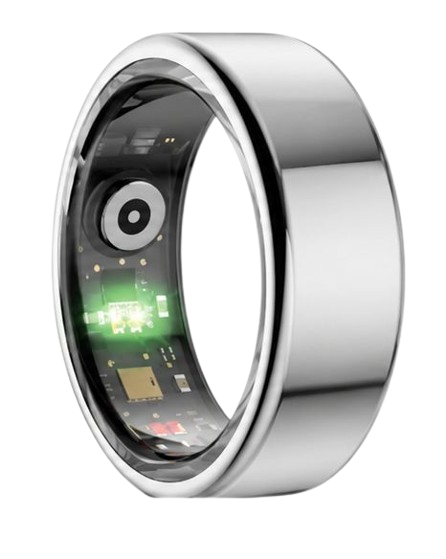
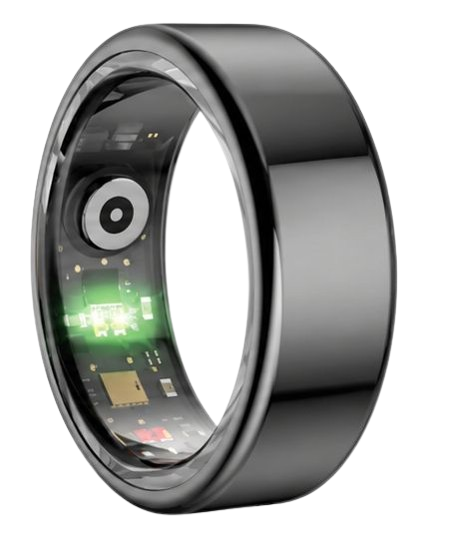
The Herz P1 Smart Ring tracks HRV, Sleep, Heart Rate & SpO2 around the clock. No subscriptions. No renewals. Ever.
In This Article
- Why Your Heart Rate Spikes Above 100: The biological mechanisms behind infection-induced tachycardia.
- The Autonomic Toll of the Flu: How fever, cytokine release, and dehydration force your cardiovascular system to work overtime.
- Resting Heart Rate and Fever Dynamics: Exploring the quantitative relationship between rising body temperature and heart rate acceleration.
- Tracking and Recovering Safely: Practical metrics to monitor using the Herz P1 Smart Ring to manage your cardiovascular wellness during illness.
Why Your Heart Rate Goes Over 100 When Having the Flu
What Is Happening Inside Your Body?
When you contract the influenza virus, your body initiates a massive, coordinated immune response to destroy the pathogen.
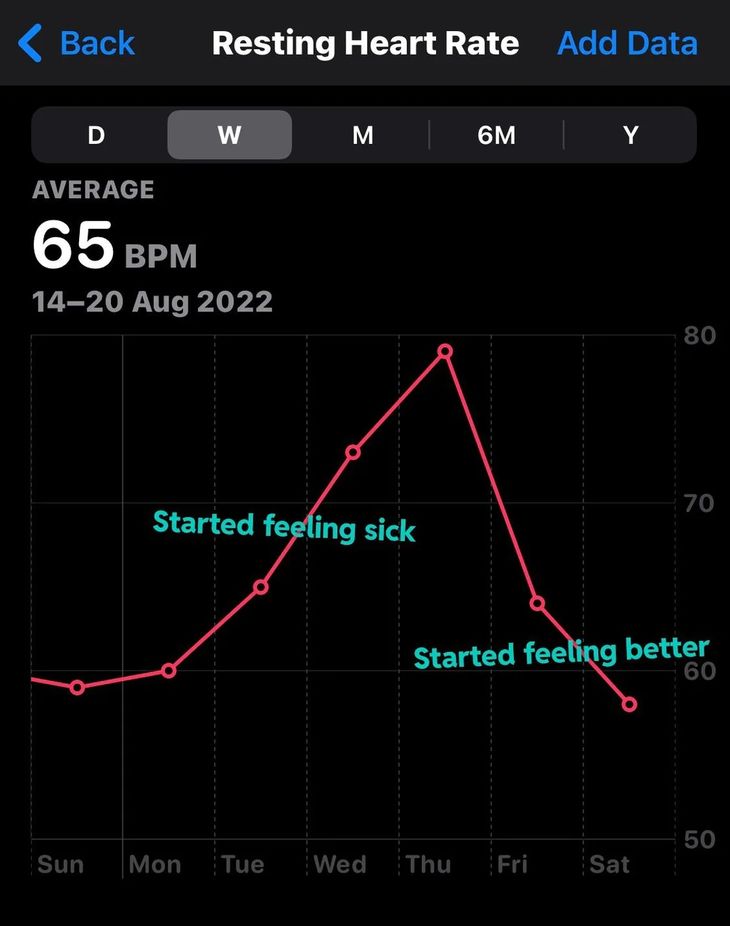
This rapid immune defense frequently causes your pulse to rise above 100 beats per minute, a medical state known as transient tachycardia.
For most healthy adults, a typical resting heart rate sits comfortably between 60 and 100 beats per minute.
Crossing this threshold while you are ill is incredibly common and represents a natural, protective defense mechanism.
Who Is Most Affected by Infection-Induced Tachycardia?
Anyone infected with the influenza virus can experience a rapid, noticeable increase in their resting pulse.
However, older adults, pregnant women, and individuals with pre-existing cardiovascular conditions may notice this shift more dramatically.
Even highly trained athletes with low resting pulses can experience shocking jumps in their cardiovascular metrics during an infection.
Tracking your individual baseline with a smart ring helps you identify exactly when your unique body metrics deviate from their normal healthy patterns.
When Does Your Heart Rate Begin to Rise?
The elevation in your pulse typically begins during the early viral incubation phase, often hours before you feel obvious symptoms like chills or a sore throat.
It remains elevated throughout the peak febrile window of the illness, when your body is actively fighting off the virus.
This physiological cardiovascular strain usually subsides gradually over three to seven days as your immune system neutralizes the threat.
Monitoring this specific recovery curve is crucial to ensure your body is truly returning to its healthy resting baseline.
Where Does This Physiological Reaction Occur?
This biological reaction occurs deep within your cardiovascular system, regulated continuously by your autonomic nervous system.
Your brain signals your heart to pump faster to deliver oxygen-rich blood and vital immune cells to fighting tissues.
This systemic change can be easily measured at major pulse points, including your wrist and the highly vascular base of your finger.
Because your fingers contain highly concentrated capillary beds, they provide an ideal location to track these delicate cardiovascular shifts.
Why Does the Flu Drive Your Pulse Upward?
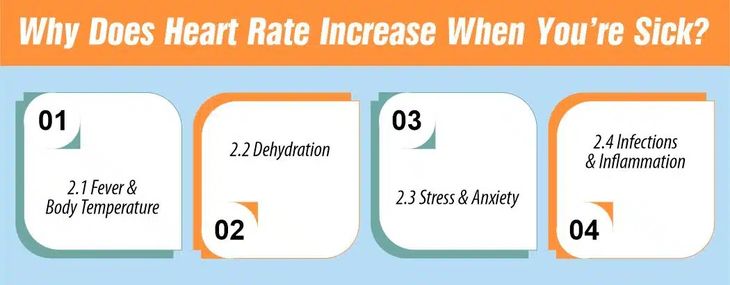
Your body elevates its temperature to create a highly hostile environment for the invading influenza virus.
To support this high-energy fever state, your overall metabolic rate increases dramatically, requiring more energy and oxygen.
The heart must beat much faster to circulate active immune cells and dissipate excess heat through your skin.
Additionally, mild dehydration from sweating and decreased fluid intake reduces blood volume, forcing the heart to pump faster to maintain healthy blood pressure.
How Does the Body Signal the Heart to Accelerate?
Pro-inflammatory proteins called cytokines are released into your bloodstream to coordinate the active immune battle.
These chemical messengers act directly on the hypothalamus in your brain to raise your body’s temperature setpoint.
In turn, your sympathetic nervous system triggers the rapid release of stress hormones like adrenaline and noradrenaline.
These hormones directly stimulate the sinoatrial node in your heart, accelerating your resting pulse rate to meet the demands of the infection.
How Much of an Increase Is Considered Typical?
Medical studies show that for every one degree Celsius increase in body temperature, your heart rate rises by approximately 10 beats per minute.
This means a moderate fever of 102 degrees Fahrenheit can easily drive a standard pulse up to a resting heart rate 120 when sick.
In more severe cases of influenza, patients frequently observe a resting heart rate 130 when sick during peak fever spikes.
Even if you observe a milder resting heart rate 100 when sick, it is vital to monitor how long the metric stays elevated.
If you want to track this in real time, the Herz P1 Smart Ring monitors your cardiovascular trends 24/7 without bulky, uncomfortable wrist straps — explore it here.
90-Day 100% Money-Back Guarantee
“The Herz Smart Ring helps me manage stress easily. It’s accurate, stylish, and lightweight—perfect for my busy life!”
— Jennifer P. | ✔ Verified Customer
- ✓ 6-Day Battery Life
- ✓ Detailed Sleep Analysis
- ✓ Fast 1-Hour Charging
- ✓ iOS & Android Ready
Questions? Call: 1-866-479-1629
The Physiology of Influenza Elevated Pulse and Tachycardia During Flu
The Autonomic Shift Under Viral Attack
The influenza virus places an immense physical burden on your entire cardiovascular system.
When your body detects the viral threat, it shifts your autonomic nervous system balance into a state of high alert.
This rapid shift causes a sharp decline in your heart rate variability, or HRV.
A lower HRV score indicates that your sympathetic nervous system is dominating your body’s resources to fight off the active illness.
At the same time, your baseline sick resting heart rate will begin to climb steadily.
This physiological reaction is completely expected when your immune system is working overtime.
Our research at Team Herz P1 shows that tracking these overnight metrics is the best way to monitor systemic recovery.
We have noticed that an elevated heart rate when sick often precedes noticeable physical symptoms by several hours.
This early alert system occurs because your body responds to the pathogen before you feel a single physical chill.
Experiencing tachycardia when sick is simply your cardiovascular engine revving up to protect your health.
The American Heart Association notes that transient tachycardia during viral infections is generally benign in healthy individuals.
However, keeping a close eye on your blood oxygen saturation, or SpO2, is equally critical during a respiratory infection like the flu.
The influenza virus can inflame your lung tissues, which sometimes hinders efficient oxygen exchange.
The Herz P1 Smart Ring uses medical-grade red and infrared optical sensors to measure your SpO2 levels continuously while you rest.
If your oxygen levels drop alongside a very high pulse, it indicates that your lungs are working harder than usual.
Tracking both metrics together gives you a complete, data-backed picture of your physical status.
Why You Might See a High Heart Rate When Sick with No Fever
The Mystery of Elevated Pulse Without Temperature Spikes
Many people wonder: does a fever make your heart rate go up inevitably?
The answer is yes, because a higher temperature forces your metabolic rate to increase.
But what if you discover a high heart rate when sick no fever?
This phenomenon can be puzzling, but it is actually very common in clinical settings.
Your heart rate can remain high even if you do not run a formal fever, or after your fever has completely broken.
Dehydration is the primary culprit behind an elevated pulse without a corresponding high temperature.
When you are sick, you lose fluids rapidly through respiration, sweating, and metabolic activity.
This fluid loss decreases your overall blood volume, making your blood slightly thicker and harder to pump.
To maintain proper blood pressure and oxygen delivery, your heart must pump faster to compensate.
Additionally, the sheer physical stress of fighting an infection triggers your adrenal glands to release cortisol.
This stress hormone naturally increases your pulse rate regardless of your active body temperature.
Anxiety about being sick can also play a major role in keeping your heart rate elevated.
Our advanced PPG sensor array on the Herz P1 Smart Ring tracks these subtle changes with a minimal margin of error.
By monitoring your HRV Stress Index every five minutes, the ring helps you see if anxiety is driving your pulse upward.
This allows you to separate physical viral strain from mental worry during your recovery period.
How to Monitor and Manage Your Biometrics During the Flu
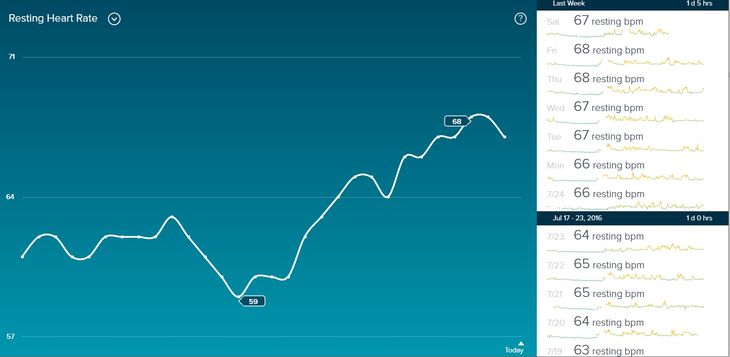
Interpreting Your Smart Ring Data While Ill
Managing your health during a bout of the flu requires clear, actionable data.
We designed the Herz P1 App to present your complex physiological metrics in a simple, intuitive dashboard.
Below is a quick reference guide on how to interpret your smart ring’s metrics when you are under the weather.
| Biometric Metric | Typical Flu Pattern | Recommended Recovery Action |
|---|---|---|
| Resting Heart Rate (RHR) | Spikes 10-30 bpm above baseline | Prioritize absolute bed rest and drink fluids until RHR stabilizes. |
| Heart Rate Variability (HRV) | Drops significantly | Avoid mental stress, dim the lights, and practice deep breathing. |
| Blood Oxygen (SpO2) | Should stay between 95% and 100% | If SpO2 drops below 92%, contact a healthcare professional immediately. |
To help your body recover and bring your heart rate back down naturally, follow these simple lifestyle tips.
First, focus on aggressive hydration by drinking water, herbal teas, and electrolyte-rich broths.
Adequate fluids directly support your blood volume and relieve cardiovascular strain.
Second, avoid any physical exertion or workouts until your resting pulse returns to its normal baseline.
Exercising while your heart is already working overtime to fight the flu can lead to severe cardiovascular stress.
Third, keep your resting environment cool and comfortable to assist your body with heat dissipation.
A cooler room helps lower your skin temperature and takes some pressure off your circulating heart.
Finally, track your sleep stages closely with the Herz P1 Smart Ring to ensure you are getting enough deep sleep.
Deep sleep is the precise phase where your immune system releases key proteins to battle the infection.
The lightweight, military-grade steel ring is incredibly comfortable to wear overnight, unlike heavy smartwatches.
Pitfalls to Avoid When Your Heart Rate is High
Common Biometric Tracking Mistakes During Illness
Many individuals make critical mistakes when monitoring their vital signs during a sudden illness.
The first mistake is wearing a heavy, bulky smartwatch to bed to track sleep and recovery.
Bulky wearables frequently shift on your wrist during restless, feverish sleep, leading to highly inaccurate data.
Additionally, tight watch straps can irritate sensitive, sweating skin when you are running a fever.
The Herz P1 Smart Ring offers a lightweight, ergonomic design that you will barely feel on your finger overnight.
The second mistake is relying on devices that lock your personal health data behind an expensive monthly paywall.
We believe that you should never have to pay a subscription fee to access your own heart rate or SpO2 history.
With the Herz P1, the companion app is completely free for lifetime with absolutely no hidden costs.
The third mistake is panicking immediately when you see your heart rate cross the 100 beats per minute threshold.
Remember that a high pulse is a natural and healthy response to a viral invader like the influenza virus.
Instead of worrying, focus on tracking the long-term trend lines to see if your pulse is slowly trending downward.
If your heart rate remains persistently high even after your other flu symptoms have vanished, consult your doctor.
Frequently Asked Questions About Herz P1 and Heart Rate Tracking
Is the Herz P1 Smart Ring fully waterproof?
Yes, the Herz P1 is engineered with an IP68 waterproof rating and is safe for depths up to 164 feet.
You can wear it while washing your hands, taking a hot shower, swimming, or sweating out a fever.
How long does the battery last on a single charge?
The high-density lithium battery lasts for up to 6 days of continuous, 24/7 biometric tracking.
It charges rapidly from zero to full in under 1 hour using our custom magnetic charging dock.
Which finger is the best option to wear the smart ring?
We recommend wearing the Herz P1 on your index, middle, or ring finger for the most accurate optical sensor readings.
Ensure the inner sensor bumps sit snugly against the palm side of your chosen finger.
Does the smart ring store my health data offline?
Yes, the Herz P1 features built-in storage that safely holds up to 7 days of local biometric data offline.
Your logged metrics will sync automatically to your smartphone the next time you open the free app.
When should I seek medical attention for a high heart rate with the flu?
You should consult a medical professional if your pulse stays above 130 beats per minute for an extended period.
Seek immediate care if your high heart rate is accompanied by chest pain, severe shortness of breath, or fainting.
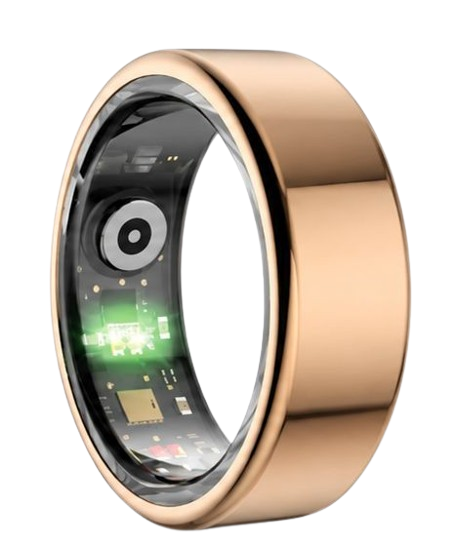
Stay Informed and Recover Safely with Herz P1
An elevated heart rate during the flu is a normal sign of your body fighting back.
The subscription-free Herz P1 Smart Ring helps you track these trends and recover with confidence.
Explore the Herz P1 Smart Ring to see how it fits your lifestyle.
Call: 1-866-479-1629 — our team can advise on your correct size.
Note: Individual results may vary depending on individual health conditions, age, and lifestyle habits. This article is intended for general health reference purposes only.
