

Understanding your physiological metrics during rest can be life-changing, and checking your overnight heart rate variability by age using a highly accurate device like the Herz P1 Smart Ring helps you decode these critical sleep signals without the burden of bulky monitors or annoying recurring monthly fees.
Built to Last. Save Up to 69% Today.
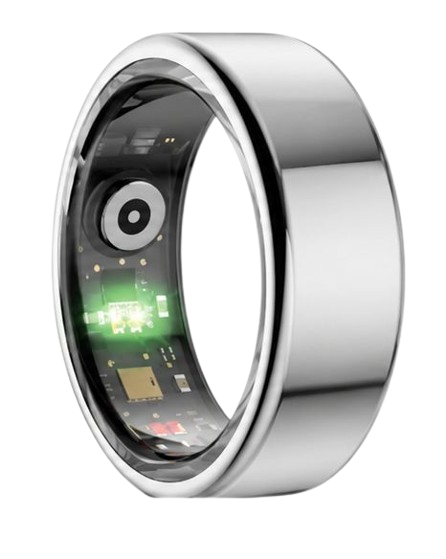
The Herz P1 Smart Ring tracks HRV, Sleep, Heart Rate & SpO2 around the clock. No subscriptions. No renewals. Ever.
In This Article
- How to Track Overnight HRV: A detailed step-by-step masterclass to capture accurate biometric patterns.
- The Science of Overnight HRV: An expert analysis of nervous system recovery and age-related trends.
- Normal HRV Charts by Age: Complete data tables comparing standard deviations of heartbeats during sleep.
- Optimizing Your Health Metrics: Actionable strategies to lift your recovery capacity and sleep efficiency naturally.
How to Track Your Heart Rate Variability for Maximum Recovery: A Step-by-Step Guide
To accurately assess your body’s stress and recovery capacity, you must capture consistent resting heart rate metrics during your deepest sleep stages.
Your nervous system operates in constant flux, balancing your fight-or-flight response with your rest-and-digest recovery mechanisms.
This tutorial will show you exactly how to capture, read, and interpret these vital signals night after night.
Prerequisites / What You’ll Need
To follow this guide successfully, you will need a high-precision wearable tracker with multi-spectral optical sensors.
You must also ensure the device has a snug fit on your finger to avoid light leaks that degrade the PPG sensor signal.
Finally, you will need a companion health application that processes raw heart rate data into Root Mean Square of Successive Differences (RMSSD) values.
-
Step 1: Select the Optimal Finger for Precise Sensor Contact
Your finger contains a dense network of highly accessible superficial capillaries that provide an exceptionally clean pulse signal.
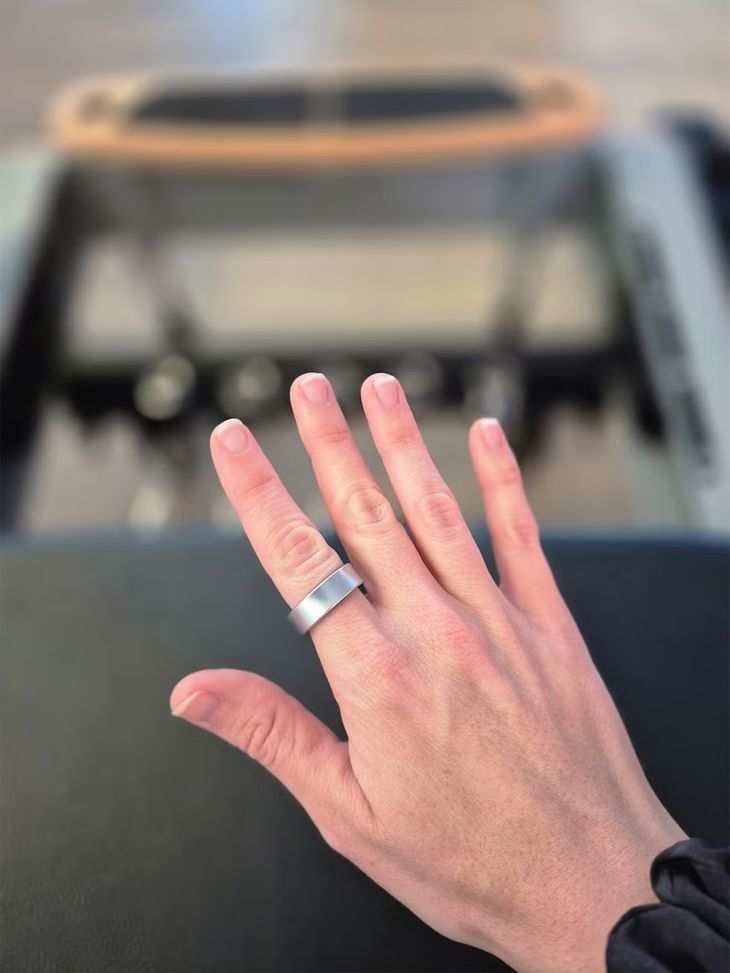
We recommend wearing your sensor ring on your index or middle finger of your non-dominant hand for the cleanest data reading.
Ensure the optical sensor window rests flat against the underside of your finger where the skin is thinner and blood flow is highly consistent.
Avoid placing the band on a finger with prominent scar tissue or cold-temperature vascular restrictions that might block light penetration.
-
Step 2: Establish a Stable Evening Routine Prior to Sleep
Your heart rate variability is highly sensitive to cognitive stimulation, late-night meals, and blue light exposure before bed.
Avoid consuming alcoholic beverages or heavy meals within three hours of your scheduled bedtime to prevent artificial cardiovascular strain.
Engage in light breathing exercises or silent meditation for five minutes prior to laying down to transition your body into parasympathetic dominance.
Keep your sleeping environment cool, dark, and quiet to prevent micro-arousals from interrupting your deep cardiovascular recovery windows.
-
Step 3: Capture the First Four Hours of Quiet Resting Data
The human body achieves its most profound physical recovery during the first half of the night when deep sleep cycles dominate.
Your tracking device should automatically detect your sleep onset and begin sampling your heart rate at high millisecond resolutions.
Keep your arm and wrist relatively still during this phase to minimize movement artifacts that can disrupt the optical pulse-wave collection.
The system will compile hundreds of data points, focusing heavily on stable breathing windows when your pulse naturally synchronizes with your breath.
-
Step 4: Synchronize and Analyze Your Morning Baseline Trends
Upon waking, open your companion health application to allow the overnight biometric data to upload securely via low-energy Bluetooth.
Look specifically for your average sleeping RMSSD score, which represents the primary statistical calculation for overall heart rate variability.
Do not panic over a single low nightly score; instead, compare today’s metric against your trailing seven-day rolling average baseline.
A score within your personal baseline indicates robust recovery, while a sharp drop signals that your body is dealing with active stressors.
-
Step 5: Adjust Your Daily Physical Workloads Based on the Score
Use your morning recovery score to decide whether to push your physical limits or focus on restorative active recovery protocols.
If your metric is highly favorable, your central nervous system is primed to handle intense physical training or high-focus cognitive workloads.
If your score is suppressed, prioritize early sleep, hydrate thoroughly, and scale back training volume to let your autonomic system reset.
Consistency with these daily adjustments will gradually elevate your heart’s resilience and improve your overall long-term wellness profile.
To make this tracking process completely seamless, the Herz P1 Smart Ring continuously tracks your metrics in the background with zero conscious effort from you.
Its ultra-lightweight, subscription-free design ensures you collect pure, uninterrupted overnight biometrics without ever having to think about it.
90-Day 100% Money-Back Guarantee
“The Herz Smart Ring helps me manage stress easily. It’s accurate, stylish, and lightweight—perfect for my busy life!”
— Jennifer P. | ✔ Verified Customer
- ✓ 6-Day Battery Life
- ✓ Detailed Sleep Analysis
- ✓ Fast 1-Hour Charging
- ✓ iOS & Android Ready
Questions? Call: 1-866-479-1629
The Science of Overnight Heart Rate Variability by Age: Why Your Resting Baseline Shifts

Your autonomic nervous system is divided into two major operational branches that actively control your heartbeat timing.
The sympathetic branch accelerates heart function during physical exertion, whereas the parasympathetic branch slows the rhythm during periods of deep rest.
When you sleep, your heart does not beat with the absolute rigidity of a mechanical metronome.
Instead, the interval between consecutive heartbeats varies by tiny fractions of a second, which is measured in milliseconds.
A higher variability score demonstrates a highly adaptive and responsive nervous system that is quick to recover from physical and psychological strain.
Conversely, a suppressed score indicates that your body is locked in a state of sympathetic stress, leaving less energy for cellular repair.
As we age, our cardiovascular tissue gradually undergoes natural structural changes, and our autonomic nervous system experiences a steady decline in tone.
This biological progression causes our baseline heart rate variability to shift downward over the decades, which is a normal part of human aging.
According to clinical studies compiled by the American Heart Association, younger adults naturally present with much wider variations in cardiac timing.
By tracking your overnight hrv by age, you can ensure your cardiovascular health remains within optimal boundaries relative to your age group.
This tracking allows you to detect early signs of cumulative fatigue or potential health issues before they impact your daily life.
The National Sleep Foundation emphasizes that evaluating your average sleep hrv during non-REM and REM cycles provides a true window into your autonomic nervous system.
When you monitor these patterns over months, you can identify personal health trends that go far deeper than simple resting heart rate calculations.
Normal Heart Rate Variability Chart by Age Ranges
To help you understand your metrics, we have compiled a comprehensive reference chart illustrating standard nighttime values across different generations.
These values represent the standard Root Mean Square of Successive Differences (RMSSD) calculated in milliseconds during deep resting states.
Please keep in mind that individual biometrics can vary significantly based on physical fitness, sleep habits, and genetics.
| Age Range | Standard Men’s Range (ms) | Standard Women’s Range (ms) |
|---|---|---|
| 20 – 29 Years Old | 54 – 82 ms | 50 – 78 ms |
| 30 – 39 Years Old | 42 – 70 ms | 38 – 66 ms |
| 40 – 49 Years Old | 32 – 58 ms | 30 – 54 ms |
| 50 – 59 Years Old | 25 – 45 ms | 23 – 42 ms |
| 60 – 69 Years Old | 18 – 34 ms | 17 – 32 ms |
| 70+ Years Old | 12 – 26 ms | 12 – 24 ms |
As shown in the data table above, your biological target ranges will gradually adjust as you progress through different stages of life.
Understanding these shifts keeps you from making unfair comparisons between your recovery scores and those of younger athletes.
Maintaining a strong, healthy good hrv while sleeping for your specific demographic indicates high cardiovascular resilience.
By comparing your trends against this sleep number hrv by age, you can accurately track your cardiovascular fitness journey over time.
This tracking makes it easy to spot positive trends from healthy habits or flag potential issues early on.
The Herz P1 Smart Ring helps you keep tabs on these shifts with medical-grade precision sensors, protecting you from common light-leak errors found in wrist-based bands.
Because the skin on your finger is thin and highly vascularized, the ring can capture subtle pulse changes with incredible accuracy.
Practical Application Guide: Improving Your Recovery Metrics with Daily Wear

To get the most out of your health tracker, you must integrate your daily lifestyle choices with the biological insights you collect overnight.
The Herz P1 App processes your resting data to show you exactly how your body is responding to daily life.
If you notice your average sleeping hrv by age starting to decline, it is a clear sign to adjust your daily routine.
Start by keeping your bedtime consistent to help regulate your body’s natural circadian rhythm.
Even a 30-minute shift in sleep onset can disrupt your autonomic balance and lower your morning recovery scores.
You can also use your hrv during sleep metrics to time and scale the intensity of your workouts.
When your scores are high, prioritize high-intensity training sessions to challenge your cardiorespiratory system.
On days when your recovery score drops, shift your focus to light yoga, walking, or low-intensity mobility drills to allow your nervous system to recover.
Wearing your tracker 24/7 is key to building a highly accurate personal baseline.
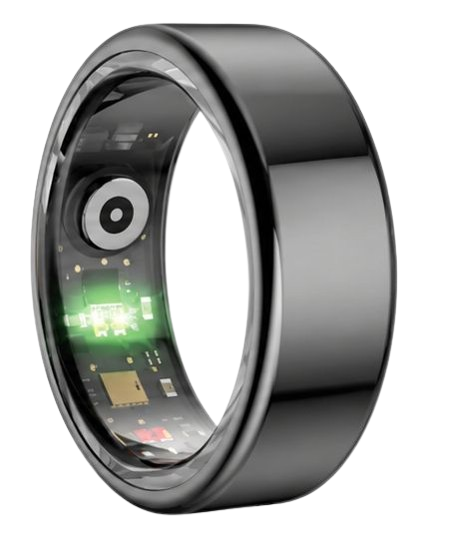
The lightweight military-grade design of the Herz P1 makes all-day wear effortless, fitting seamlessly into both workouts and professional settings.
Unlike bulky watches that can irritate your wrist during sleep, a slim ring offers maximum comfort throughout the night.
This constant, comfortable fit ensures you never miss a critical night of data collection due to wearing discomfort.
Over time, these consistent measurements give you a clear, uninterrupted view of your long-term cardiovascular health trends.
Overcoming Common Obstacles: Smarter Choices for Restful Sleep
Many health enthusiasts struggle to get accurate resting data because they wear bulky, uncomfortable watches to bed.
These large devices frequently shift during the night, causing optical sensors to lose contact with the skin and create gaps in your metrics.
Additionally, the bright screens on smartwatches can accidentally turn on during the night, disrupting your deep sleep cycles.
Choosing a sleek, lightweight smart ring solves these issues, providing continuous contact and highly accurate, uninterrupted biometric tracking.
Another major frustration in the wearable market is the hidden cost of ongoing monthly app subscriptions.
Many brands charge a premium for the physical device, only to lock your personal data behind a continuous monthly paywall.
We believe your personal health data belongs to you, which is why the Herz P1 Companion App is completely free for life.
With no subscription fees or hidden renewals, you get full access to your sleep stages, HRV trends, and health insights forever.
This direct access ensures you can monitor your nighttime heart rate variability and other vital metrics without any extra costs.
It allows you to focus entirely on what matters most: using your personalized data to build a healthier, more vibrant lifestyle.
Frequently Asked Questions (FAQ)
Is the Herz P1 Smart Ring waterproof?
Yes, the Herz P1 features a rugged IP68 waterproof rating, certifying it for continuous water submersion down to 164 feet.
This durable design allows you to wear the ring safely during lap swimming, warm showers, handwashing, and intense sweat sessions.
The seamless outer steel shell completely protects the internal sensors from moisture damage in all daily environments.
How long does the battery last on a single charge?
The advanced internal battery provides up to 6 full days of continuous 24/7 physiological tracking on a single charge.
The device charges from empty to 100% capacity in under 1 hour using the included magnetic charging dock.
This rapid charging cycle ensures you spend less time tethered to a cable and more time capturing valuable recovery metrics.
Which finger is best to wear the smart ring on?
For the highest biometric accuracy, we recommend wearing the ring on your index, middle, or ring finger.
Your non-dominant hand is generally preferred as it experiences less daily wear and movement than your dominant hand.
A secure, snug fit that keeps the ring from rotating easily ensures the optical sensors maintain perfect contact with your skin.
Does the ring store my health data offline?
Yes, the internal memory card stores up to 7 days of continuous biometric data offline without needing a phone connection.
Your collected data will automatically sync and update your app dashboard as soon as your ring reconnects via Bluetooth.
This local storage lets you leave your phone behind during outdoor runs or sleep peacefully with your phone turned off.
How does age affect my standard resting HRV values?
Your normal heart rate variability by age will naturally decline over time due to normal changes in your heart tissue and autonomic nervous system.
This natural biological shift means a normal score for an older adult will look different than a normal score for a younger adult.
Rather than comparing your scores to others, focus on maintaining a stable baseline relative to your specific age range.
Conclusion
Tracking your physiological recovery trends provides the essential context you need to optimize your daily stress levels, workouts, and sleep habits.
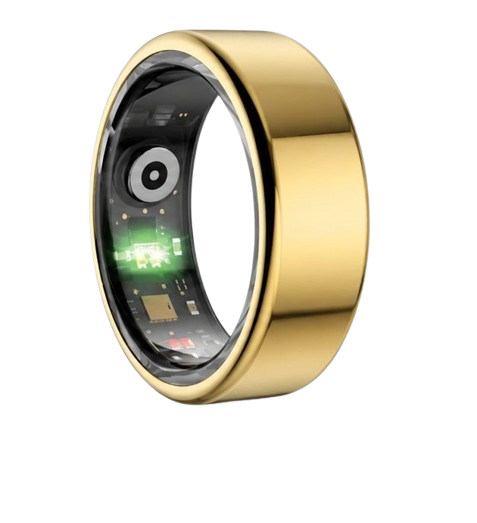
Ready to monitor your health every day? Explore the Herz P1 Smart Ring and see if it fits your lifestyle. Call: 1-866-479-1629 — our team can help you advise on the correct ring size and set personalized health goals.
