

Tracking a sick resting heart rate provides critical insights into how your immune system responds to physiological stress. The premium Herz P1 smart ring monitors these minute changes with medical-grade sensor accuracy, letting you spot onset trends before symptoms peak. This guide delivers clear, evidence-based steps to analyze your cardiovascular metrics during recovery, helping you manage illness intelligently without unnecessary clinical anxiety.
Built to Last. Save Up to 69% Today.
The Herz P1 Smart Ring tracks HRV, Sleep, Heart Rate & SpO2 around the clock. No subscriptions. No renewals. Ever.
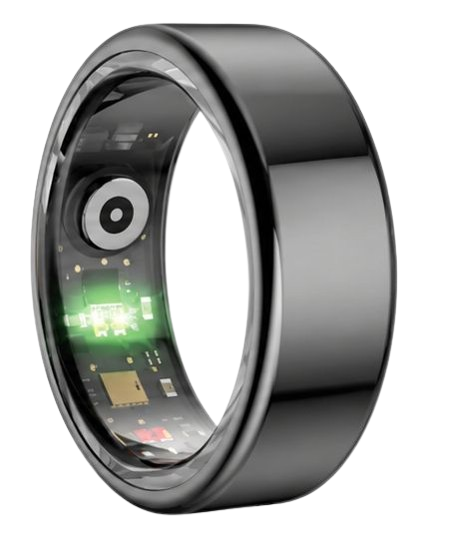
In This Article
- Understanding how autonomic stress raises your sick resting heart rate as an early defense mechanism.
- A comprehensive, step-by-step tutorial on tracking and interpreting sick pulse variations over time.
- Analyzing precise biometric thresholds like resting heart rate 100, 120, or 130 when sick to identify clinical warnings.
- How to optimize physical recovery, hydration, and sleep stage architecture using subscription-free biometric wearables.
How to Track Your Sick Resting Heart Rate: A Step-by-Step Recovery Guide
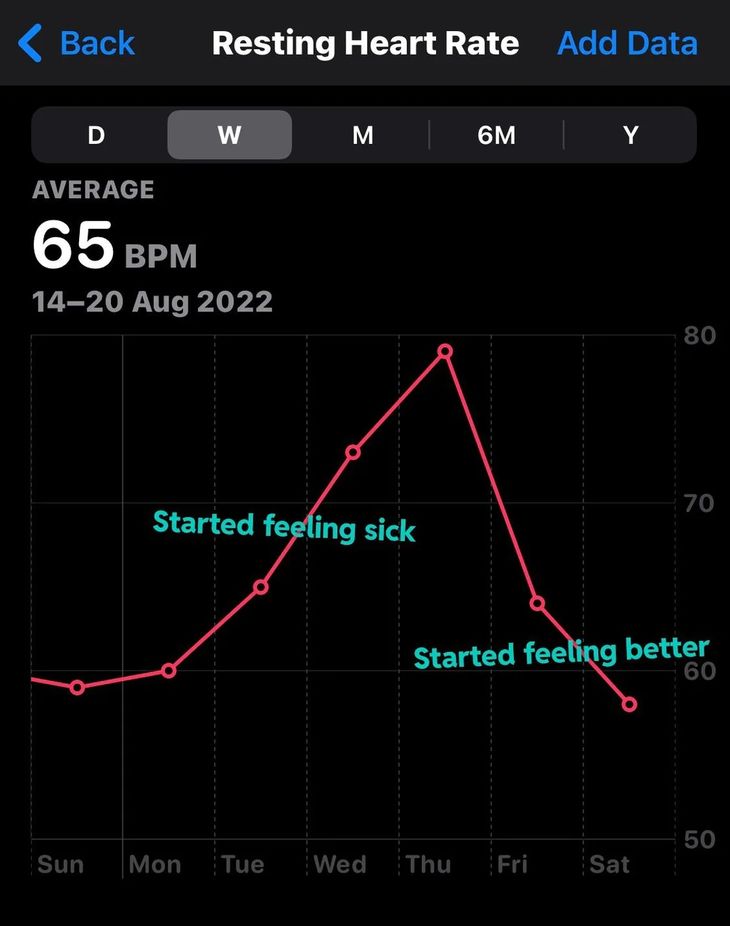
To successfully track your cardiovascular strain during an illness, you will need a comfortable, continuous monitoring device equipped with optical photoplethysmography sensors.
You also need a baseline of your typical resting pulse recorded during a period of optimal health to act as your comparative standard.
Lastly, ensure your companion health application is configured to sync automatically so you do not lose critical overnight data.
-
Step 1: Calibrate Your Normal Resting Vitals
To build a foundation for tracking anomalies, you must first calculate your daily cardiovascular norms during perfect health.
Wear your smart device for at least seven consecutive days during standard daily routines.
The onboard optical sensors will continuously record your baseline resting pulse while you sleep.
This baseline calculation forms a steady benchmark to identify any future deviations caused by pathogens.
Without a clear baseline, it is difficult to determine if a resting heart rate of eighty beats per minute represents a normal state or mild cardiovascular stress.
-
Step 2: Monitor Overnight Heart Rate Trends
Overnight sleep provides a unique window to observe your raw cardiac rhythm without the interference of external daily stressors.
Ensure your tracking ring is positioned comfortably on your chosen finger before falling asleep.
The high-precision photoplethysmography sensors must remain flush against your skin to capture continuous arterial blood flow.
Check your companion application immediately upon waking to review your average overnight pulse trends.
An overnight average that is consistently higher than your established baseline serves as a strong early indicator of an impending illness.
-
Step 3: Track Sympathetic Nervous System Activation
Your autonomic nervous system balances physical stress and recovery through sympathetic and parasympathetic regulation.
During an active immune response, your sympathetic nervous system takes over, causing your heart rate variability to drop.
Analyze the heart rate variability charts on your daily dashboard to track this delicate regulatory balance.
A sharp, unexpected drop in variability indicates that your system is actively redirecting energy toward your immune defense.
Tracking this autonomic shift allows you to adjust your daily workload before severe systemic symptoms become physically apparent.
-
Step 4: Cross-Reference Your Skin Temperature Readings
An increased pulse during illness is often closely tied to a rise in core body temperature as your system fights off pathogens.
Review your device’s skin temperature charts to identify deviations from your normal baseline range.
If both your pulse and skin temperature show an upward trend, it confirms your body is running a systemic fever.
Recognizing this dual biometric spike helps you confirm that your elevated pulse is due to immune activation rather than simple fatigue.
This objective data allows you to make informed decisions about taking rest days and canceling strenuous activities.
-
Step 5: Define a Conservative Post-Illness Recovery Phase
As your acute symptoms begin to fade, your vitals must stabilize before you resume high-intensity training.
Maintain strict daily monitoring to verify that your overnight sleeping pulse is moving closer to your pre-illness baseline.
Resuming intense workouts while your heart rate remains elevated can trigger a relapse or cause prolonged post-viral fatigue.
Use your daily tracking metrics as a reliable, data-driven green light to return to physical exercise safely.
By following these objective recovery phases, you protect your heart muscle from unnecessary systemic strain during post-viral states.
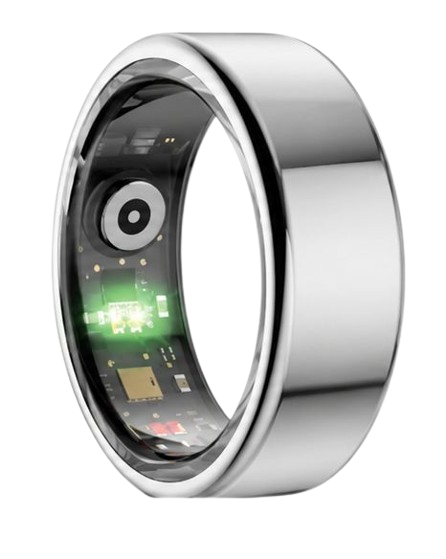
The premium Herz P1 Smart Ring makes this entire workflow effortless by capturing medical-grade biometrics continuously without disturbing your sleep.
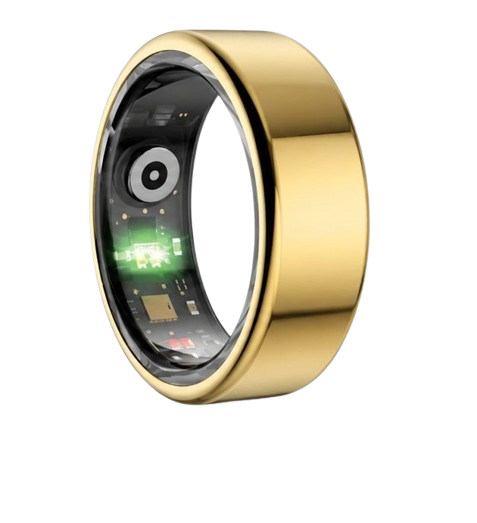
Engineered with military-grade steel and an ultra-thin profile, it fits comfortably 24/7, providing real-time data without bulk.
With our completely subscription-free companion app, you can view sleep trends, temperature variations, and cardiac metrics for a lifetime with zero monthly fees.
90-Day 100% Money-Back Guarantee
“The Herz Smart Ring helps me manage stress easily. It’s accurate, stylish, and lightweight—perfect for my busy life!”
— Jennifer P. | ✔ Verified Customer
- ✓ 6-Day Battery Life
- ✓ Detailed Sleep Analysis
- ✓ Fast 1-Hour Charging
- ✓ iOS & Android Ready
Questions? Call: 1-866-479-1629
Why Does Your Body Experience an Elevated HR When Sick? The Immune-Cardiovascular Connection
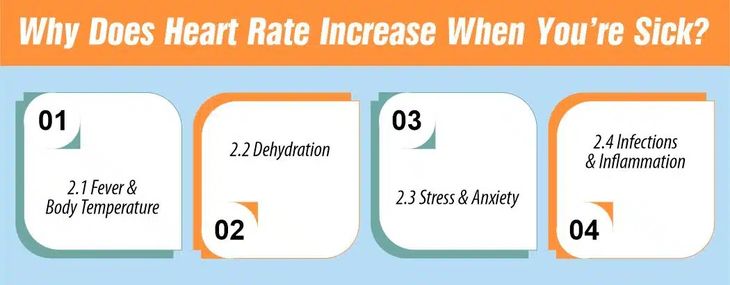
When pathogens enter your respiratory tract or blood, your body initiates a defensive inflammation response.
This complex immune response is coordinated by specialized white blood cells that release chemical messengers called cytokines.
These circulating cytokines cross the blood-brain barrier to act directly on the preoptic area of your hypothalamus.
The hypothalamus responds by raising your body’s thermal setpoint, which triggers a fever to make your internal environment hostile to pathogens.
But does a fever make your heart rate go up directly as a result of this temperature shift?
Yes, because an elevated body temperature significantly increases your cellular metabolic rate.
For every single degree Celsius your body temperature rises, your heart must beat roughly ten times faster per minute to distribute heat.
This process results in a very clear elevated heart rate when sick as your blood vessels dilate to release excess heat.
As these blood vessels widen, your blood pressure naturally drops, forcing your heart to pump faster to maintain healthy circulation.
Additionally, fighting an infection causes you to lose fluids through sweat and respiration, which can lead to mild dehydration.
This decrease in fluid reduces your total circulating blood volume, making it harder for your heart to distribute oxygen.
To compensate for this lower blood volume, your heart muscle must contract more frequently to keep your organs working properly.
This combination of metabolic strain, vasodilation, and dehydration is the primary cause of tachycardia when sick.
Your body’s autonomic nervous system also shifts into a sympathetic dominant state, further driving up your resting pulse.
Using a smart ring to track your sick resting heart rate provides a direct window into this complex cardiovascular-immune system response.
By understanding this science, you can easily distinguish between normal immune activation and excessive physical strain.
Monitoring these trends allows you to observe exactly how hard your heart is working to support your immune system’s recovery.
Analyzing the Numbers: When a Resting Heart Rate 100, 120, or 130 When Sick Requires Clinical Attention
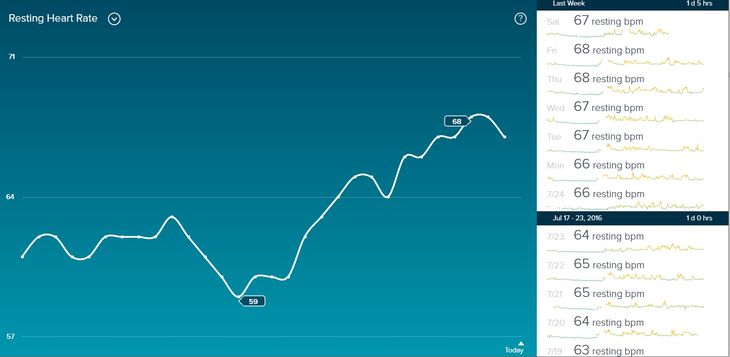
While an elevated pulse is a normal part of your body’s defense system, tracking the exact numbers is crucial for your safety.
It is helpful to know what different heart rate ranges mean so you can take the right steps to support your recovery.
For instance, noticing a resting heart rate 100 when sick is very common and typically indicates a mild, active immune response.
At this baseline level, your heart is working slightly harder to transport white blood cells and clear out the viral threat.
This minor elevation is especially common with influenza infections, where a flu heart rate over 100 is a standard physiological response to high viral loads.
However, if your resting heart rate continues to climb, it indicates that your body is experiencing greater physiological stress.
A sustained resting heart rate 120 when sick suggests your cardiovascular system is under high strain from fever or dehydration.
When your heart beats at one-hundred and twenty times per minute, you should focus entirely on resting and rehydrating with electrolyte-rich fluids.
If your tracking ring records a resting heart rate 130 when sick that does not drop with rest, you are dealing with significant cardiovascular strain.
A sustained pulse of one-hundred and thirty beats per minute can indicate severe dehydration, high fever, or a secondary bacterial infection.
If this high pulse is accompanied by chest pain, shortness of breath, or dizziness, you should consult a doctor right away.
To help you monitor these changes safely, our team has created a clear cardiovascular reference guide.
| Metric Threshold | Physiological Status | Action Protocol |
|---|---|---|
| 60 – 85 bpm | Healthy baseline range | Continue normal daily activities and baseline health habits. |
| 86 – 99 bpm | Mild physiological strain or early infection incubation | Increase rest, stay hydrated, and monitor overnight trends. |
| 100 – 119 bpm | Active immune response with moderate cardiovascular adaptation | Eliminate physical exercise, rest in bed, and consume electrolyte-rich fluids. |
| 120 – 130+ bpm | Severe cardiac workload or acute clinical dehydration | Implement immediate cooling, seek professional medical advice if sustained. |
This helpful table gives you a clear way to evaluate your vitals and avoid unnecessary anxiety during recovery.
It also provides you with clear, objective data that you can share with your doctor if your illness worsens.
Optical biometric tracking ensures these crucial changes are captured continuously, even while you are fast asleep.
By keeping a close eye on these trends, you can easily tell the difference between normal immune stress and more serious clinical warnings.
Optimizing Your Recovery Using the Herz P1 Health App
Interpreting your daily health metrics during recovery does not require a complex medical degree.
The companion health app translates your raw pulse and autonomic data into clear, actionable recovery indicators.
When you are unwell, the application automatically flags deviations and suggests lowering your daily physical targets.
By studying your sleep stage breakdowns, you can observe if your deep restorative sleep is being cut short by an elevated heart rate.
Deep slow-wave sleep is the crucial window when your immune system releases key protective cytokines to target pathogens.
If your deep sleep percentage falls below your healthy baseline, prioritize gentle breathing exercises before bedtime.
The comfortable, low-profile design of the Herz P1 ensures you can sleep naturally without the annoyance of a bulky wearable.
Its smooth inner liner does not collect sweat, ensuring zero skin irritation during fever-induced overnight perspiration.
Because the device is fully IP68 waterproof, you can safely wash your hands often or take warm baths to help lower your fever.
The seamless sync feature updates your health dashboard automatically as soon as you open the application.
You can easily share these detailed biometric charts directly with your doctor during a virtual checkup.
Tracking these subtle changes gives you the exact information you need to take control of your recovery.
This data-driven approach removes the guesswork, helping you return to your healthy routines safely.
By actively using these insights, you can support your body’s natural defense systems more effectively.
This level of detailed tracking transforms a simple smart ring into your most reliable daily wellness partner.
Common Pitfalls in Sick Pulse Tracking: From Bulky Wearables to Subscription Traps
Many wellness enthusiasts try to track their recovery using heavy, wrist-based fitness watches.
However, wearing a bulky smartwatch to bed often disrupts your natural sleep positions and lowers sleep quality.
These heavy watches can easily shift during sleep, leading to incomplete or inaccurate heart rate readings.
Additionally, smartwatches typically require frequent charging, meaning they often sit on a desk right when you need overnight tracking.
Another common mistake is choosing a tracker that locks your detailed cardiac and sleep metrics behind an expensive monthly subscription.
We believe that you should never have to pay a recurring fee to access your own physiological data.
The Herz P1 Smart Ring solves all of these issues by offering an ultra-lightweight design and a completely free companion app.
With a reliable six-day battery life, the ring continuously monitors your vitals without any tracking gaps.
Choosing a dedicated smart ring keeps your health tracking seamless, accurate, and completely free of hidden costs.
You can rest comfortably knowing your physical recovery is being monitored by premium, military-grade hardware.
This streamlined tracking approach prevents you from worrying about missed data points or low batteries during recovery.
It also keeps your focus where it belongs: on rest, hydration, and steady physiological healing.
Avoiding bulky wearables allows your body to rest naturally without any physical restrictions or discomfort.
Furthermore, keeping your health data subscription-free ensures you always have complete, uncompromised access to your metrics.
This reliable tracking structure provides the absolute best environment for data-informed recovery.
Frequently Asked Questions About Sick Resting Heart Rate Monitoring
-
Is the Herz P1 Smart Ring waterproof enough to wear during a fever-cooling bath?
Yes, the Herz P1 is designed with a fully sealed IP68 waterproof rating that allows complete submersion up to one hundred and sixty-four feet.
This robust construction means you can safely wear it during fever-cooling baths, warm showers, or frequent handwashing.
The military-grade steel outer casing fully protects the high-precision optical sensors from any water damage.
You never have to worry about removing the ring to perform daily hygiene or self-care routines during recovery.
This durable design ensures continuous, uncompromised biometric tracking no matter the environment.
-
How long does the Herz P1 battery last during continuous tracking?
Our ring features advanced energy efficiency, delivering a reliable six-day battery life on a single charge.
Even with continuous heart rate, heart rate variability, and sleep stage tracking active, the battery performs consistently.
When it is time to recharge, the ring reaches a full charge in under one hour using the magnetic charging base.
This fast charging capability means you can quickly charge the device while showering and never miss a single night of sleep data.
This long battery life eliminates the charging anxiety common with standard smartwatches.
-
Which finger is best to wear the Herz P1 on for accurate resting heart rate tracking?
For the most precise biometric readings, we recommend wearing the Herz P1 on your index, middle, or ring finger.
These fingers contain larger digital arteries close to the skin surface, allowing the PPG sensors to read blood flow clearly.
Make sure the inner sensor node is resting on the palm side of your finger to maintain steady contact throughout the night.
Ensure the ring fits snugly but comfortably without rotating too easily or restricting your blood flow.
This proper fit guarantees that the optical sensors can record clean, high-resolution cardiovascular data.
-
Does the Herz P1 store health data offline if my phone is disconnected?
Yes, the Herz P1 is equipped with advanced onboard memory that can store up to seven days of biometric data offline.
If your smartphone is turned off or disconnected during the night, the ring continues to log your vitals safely.
Once you reopen the companion app, all stored metrics automatically sync to your recovery dashboard.
This offline storage capability ensures that your data is never lost during unexpected signal dropouts.
You can rest comfortably knowing your physical trends are always recorded and securely saved.
Take Control of Your Recovery Journey Today
Monitoring your sick resting heart rate is one of the most proactive steps you can take to understand your systemic health.
By tracking early cardiovascular signals, you can protect your heart, manage your rest, and recover with total confidence.
Our team is here to support you at every stage of your personal health journey.
Ready to monitor your health every day? Explore the Herz P1 Smart Ring and see if it fits your lifestyle. Call: 1-866-479-1629 — our team can help you advise on the correct ring size and set personalized health goals.
Note: Individual results may vary depending on individual health conditions, age, and lifestyle habits. This article is intended for general health reference purposes only.
