

Discovering an elevated heart rate when sick can be highly alarming when you check your wearable device. At Team Herz P1, we understand how a sudden spike in your pulse causes unnecessary anxiety during recovery. The Herz P1 Smart Ring continuously tracks these critical cardiovascular trends so you can monitor your body’s immune response in real time without stress.
Built to Last. Save Up to 69% Today.
The Herz P1 Smart Ring tracks HRV, Sleep, Heart Rate & SpO2 around the clock. No subscriptions. No renewals. Ever.

In This Article
- The 5W2H Physiological Explanation: Learn why and how your body accelerates blood flow to launch an immune defense.
- Understanding Heat & Heart Rates: Explore how body temperature adjustments automatically trigger cardiac output.
- Evaluating Pulse Thresholds: Distinguish between normal recovery variations and warning signals that indicate a need for deeper rest.
- Real-Time Autonomic Tracking: How the sympathetic nervous system controls heart rate fluctuations even when you lack a fever.
- Actionable Monitoring Protocols: Leverage clinical-grade biometrics on your smart ring to optimize daily recovery routines.
Why is Your Heart Rate Elevated When You Are Sick? The Complete Physiological Breakdown
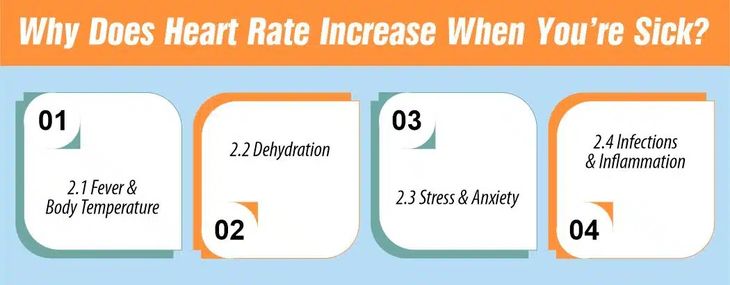
Understanding why your heart rate behaves differently when you are unwell is essential for smart recovery tracking.
When pathogen exposure occurs, your immune system launches a highly energy-intensive defense mechanism.
The brain’s hypothalamus immediately registers the threat and adjusts your baseline metabolic rate.
To power this defensive state, your heart must pump blood faster to distribute white blood cells and vital oxygen.
This internal mobilization is the direct reason why you experience an elevated heart rate when sick.
The phenomenon affects everyone, from elite athletes to busy office workers, whenever the body fights an infection.
Typically, this response begins the moment your immune cells detect foreign invaders like viruses or bacteria.
The circulatory system acts as the primary highway for transporting protective proteins throughout your tissues.
To keep this highway moving rapidly, cardiac output must increase substantially.
Consequently, your resting heart rate can rise far above your normal, healthy baseline.
Quantitative data shows that for every single degree Celsius your body temperature rises, your heart rate increases by about 10 to 15 beats per minute.
If you want to track this in real time, the Herz P1 Smart Ring monitors heart rate and recovery metrics 24/7 — explore it here.
The Cardiovascular Dynamics of Fever: Does Infection Increase Heart Rate?
Many users naturally wonder, does infection increase heart rate as part of a healthy physical defense?
The short answer is yes, because infection and cardiac output are directly coupled through biochemical signaling pathways.
When pathogenic agents enter your tissues, immune cells release signaling proteins known as pyrogen cytokines.
These cytokines circulate through the blood and act directly on the brain to alter your thermoregulatory setpoint.
So, does a fever make your heart rate go up automatically during this metabolic shift?
Absolutely, because the resulting rise in core body temperature accelerates every cellular chemical reaction inside you.
This biochemical acceleration demands far more oxygen and nutrient delivery to sustain your immune system’s defensive efforts.
Your blood vessels expand near the skin’s surface to help regulate heat, which temporarily lowers peripheral resistance.
To compensate for this lower resistance and keep blood pressure steady, your heart rate must increase proportionally.
This delicate balance ensures that oxygen delivery to vital vital organs remains entirely uninterrupted.
If you need practical techniques to handle these symptoms, understanding how to reduce heart rate during fever is highly valuable.
Drinking cool water, applying cold compresses, and resting in a ventilated room will help lower your thermal load.
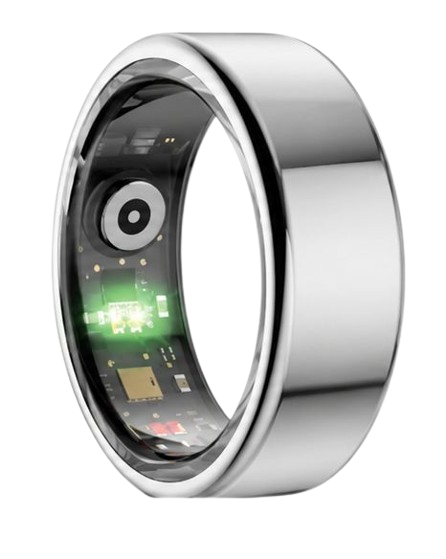
Using a lightweight sensor like the Herz P1 Smart Ring lets you observe how these physical adjustments gradually bring your pulse back down.
Decoding Your Resting Heart Rate: When Sick Spikes Signal a Need to Rest
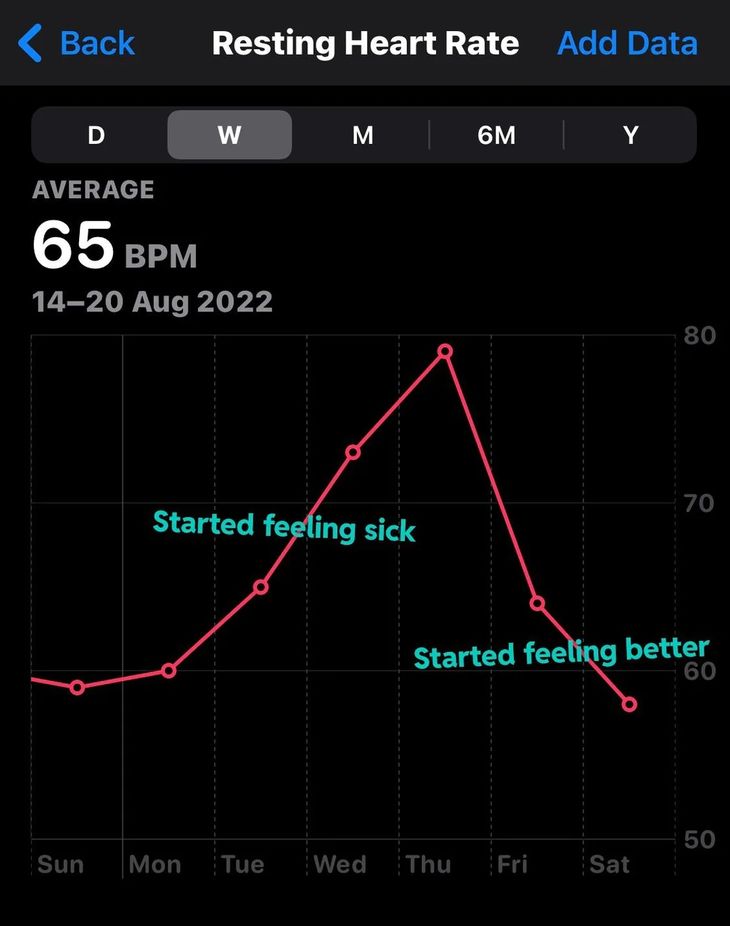
Recognizing the baseline changes in your cardiac metrics is key to avoiding physical overexertion during recovery.
A mild infection can easily cause a modest upward shift, resulting in a resting heart rate 100 when sick.
For most adults, this level of elevation indicates that the body is actively managing a minor immune challenge.
However, more aggressive viral encounters can drive your heart rate significantly higher.
If your wearable alerts you to a resting heart rate 120 when sick, your system is under heavy metabolic strain.
This spike usually occurs when a high fever is combined with dehydration, as lower fluid levels force the heart to pump faster.
If your metrics continue to climb, seeing a resting heart rate 130 when sick requires immediate physical rest and active hydration.
At these elevated zones, your cardiac system is working hard to meet the intense oxygen demands of your immune response.
This state is highly common during respiratory infections, where you might notice a flu heart rate over 100 for several days.
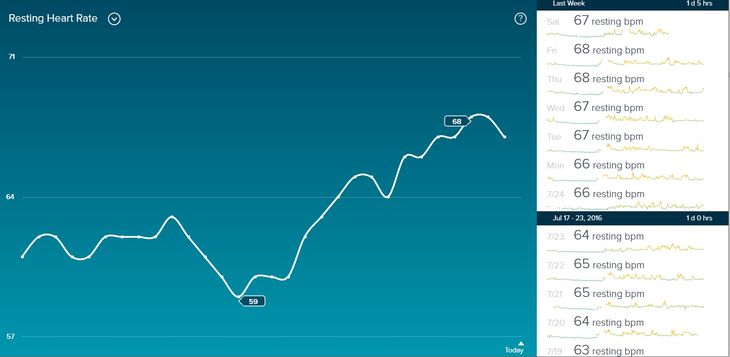
Tracking these fluctuations with a precise device helps you pinpoint the exact day your recovery begins to take hold.
The Herz P1 Smart Ring tracks these subtle cardiac trends using high-frequency photoplethysmography sensors.
The device monitors your pulse every five minutes, charting a clear, continuous recovery curve directly within your mobile app.
How Your Autonomic Nervous System Controls High Heart Rate When Sick Without Fever
It is entirely possible to experience a high heart rate when sick no fever present during the day.
This physiological reaction is regulated by your autonomic nervous system, which acts as the main control center for stress responses.
The autonomic system is split into two primary branches: the sympathetic and the parasympathetic pathways.
The sympathetic branch controls your fight-or-flight reactions, while the parasympathetic branch governs rest and digestion.
The moment an infection begins, your body experiences this immune threat as a major form of physiological stress.
This stress triggers a substantial increase in sympathetic nervous activity, releasing hormones like adrenaline into your blood.
At the same time, parasympathetic activity drops, removing the natural braking system that keeps your pulse low.
This shift occurs even if your core body temperature remains completely normal.
Other factors like systemic inflammation, cellular repair demands, and poor sleep quality also keep the sympathetic system highly active.
As a result, your heart rate remains elevated as your body works continuously behind the scenes.
You can observe this autonomic shift directly by tracking your Heart Rate Variability, or HRV.
A lower HRV score indicates that your sympathetic system is dominant, signaling that your body is busy fighting off an illness.
The Herz P1 Smart Ring tracks these micro-adjustments in HRV and heart rate trends throughout the night.
This comprehensive tracking ensures you always know when your nervous system is in a state of high stress or deep recovery.
How to Monitor and Manage Your Biometric Recovery Metrics
Managing an elevated pulse when you are unwell requires a combination of smart monitoring and practical recovery steps.
First, prioritize continuous hydration by drinking water, herbal teas, or electrolyte-rich broths throughout the day.
Dehydration lowers your total blood volume, which forces your heart to pump much faster to maintain proper blood pressure.
Second, ensure you are getting deep, restful sleep in a dark, quiet, and cool bedroom environment.
Your body performs its most critical cellular repairs and immune defenses during deep slow-wave sleep cycles.
Third, temporarily stop all intense physical training and high-stress work tasks until your resting heart rate returns to normal.
Pushing through an illness delays recovery and places unnecessary strain on your cardiovascular system.
Fourth, use the detailed biometric dashboards in your mobile tracking app to monitor your daily progress.
With the Herz P1 companion app, you can easily view your Heart Rate Variability, resting pulse, and blood oxygen levels.
These detailed metrics show you exactly how well your body is handling the physical stress of recovery.
As your immune response completes its work, you will see your resting pulse drop and your HRV steadily rise.
This objective data helps you decide exactly when it is safe to return to your normal exercise and work routines.
By relying on real-time biometrics instead of guesswork, you can avoid common setbacks and recover with confidence.
Avoiding the Bulky Wearable Trap and Hidden Subscription Fees
Many people struggle to track their recovery metrics because traditional smartwatches are bulky and uncomfortable to wear to bed.
Large, heavy wrist devices often slip during the night, leading to inaccurate or completely missed sleep data.
Additionally, keeping a smartwatch charged requires frequent daily charging, which interrupts continuous wellness tracking.
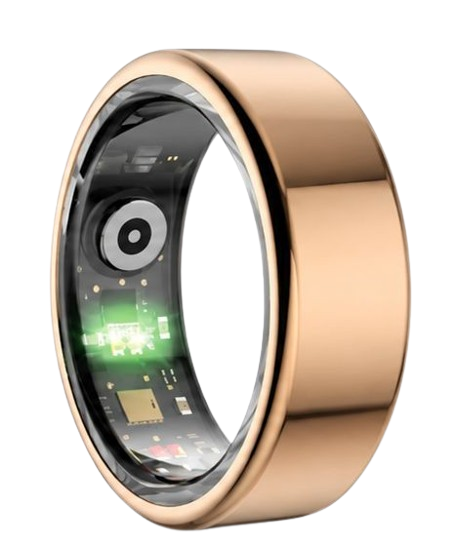
The Herz P1 Smart Ring solves this problem with its lightweight, compact, and highly ergonomic design.
Crafted from military-grade steel, it fits comfortably on your finger and remains completely secure all night long.
It provides an impressive six-day battery life, letting you track your sleep stages and heart rate without constant charging anxiety.
Furthermore, many premium smart rings on the market require expensive monthly app subscriptions to access your own health data.
These recurring fees can easily add up to hundreds of dollars over a few years of ownership.
We believe you should never have to pay a monthly fee to view and understand your personal biometric trends.
The Herz P1 App is completely free for lifetime, providing full access to all your metrics, charts, and sleep analysis with zero hidden costs.
This transparent model ensures you enjoy top-tier health tracking without any unexpected financial commitments.
Herz P1 vs. Competitor Wearables: Feature Comparison
Choosing the right health companion requires looking at durability, accurate tracking, and long-term costs.
Below is a direct comparison of how the Herz P1 Smart Ring compares to other popular wearables on the market today.
| Feature & Specification | Herz P1 Smart Ring | Standard Smartwatches | Premium Subscription Rings |
|---|---|---|---|
| Monthly Subscription Fee | |||
| Battery Longevity | |||
| Sleep Wearing Comfort | |||
| Waterproof Protection | |||
| Hardware Warranty |
Frequently Asked Questions About Smart Rings
Is the Herz P1 Smart Ring waterproof?
Yes, the Herz P1 Smart Ring features a robust IP68 waterproof rating, making it completely safe for everyday water exposure.
You can confidently wear it while washing your hands, showering, swimming in pools, or working out in heavy rain.
The durable, sealed casing protects the advanced internal sensors from moisture damage up to a depth of 164 feet.
This continuous protection ensures your biometric data is tracked without interruption during all your daily activities.
How long does the battery last?
The Herz P1 is engineered with advanced energy-saving technology, providing up to six days of battery life on a single charge.
This long-lasting battery allows you to track your heart rate, sleep, and recovery metrics around the clock without daily charging hassles.
When the battery runs low, the ring charges quickly from zero to one hundred percent in under one hour.
This fast-charging design makes it easy to keep your ring powered and ready for continuous tracking.
Which finger is best to wear it on?
For the highest level of biometric accuracy, we recommend wearing the Herz P1 on your index, middle, or ring finger.
These fingers have a well-developed network of blood vessels near the skin surface, which helps the optical sensors capture a strong, clear signal.
Many users prefer wearing the ring on their non-dominant hand to minimize minor scuffs and daily wear from grip-heavy tasks.
The ring should fit snugly but comfortably, allowing enough room to slide over your knuckle without slipping or spinning freely.
Does it store data offline?
Yes, the Herz P1 Smart Ring has built-in offline storage that can hold up to seven days of local biometric data.
This means you can sleep, exercise, or travel without keeping your smartphone constantly connected via Bluetooth.
The moment you open the mobile app near your ring, all your stored metrics sync automatically and update your personal dashboard.
This reliable storage design ensures you never lose valuable health trends, even when you are off the grid.
90-Day 100% Money-Back Guarantee
“The Herz Smart Ring helps me manage stress easily. It’s accurate, stylish, and lightweight—perfect for my busy life!”
— Jennifer P. | ✔ Verified Customer
- ✓ 6-Day Battery Life
- ✓ Detailed Sleep Analysis
- ✓ Fast 1-Hour Charging
- ✓ iOS & Android Ready
Questions? Call: 1-866-479-1629
Conclusion: Empower Your Recovery Journey Today
Monitoring your biometric data is the most reliable way to understand and support your body’s immune defenses.
The premium, durable Herz P1 Smart Ring makes it incredibly simple to track heart rate, sleep, and recovery metrics around the clock.
Ready to monitor your health every day? Explore the Herz P1 Smart Ring and see if it fits your lifestyle. Call: 1-866-479-1629 — our team can help you advise on the correct ring size and set personalized health goals.
Note: Individual results may vary depending on individual health conditions, age, and lifestyle habits. This article is intended for general health reference purposes only.
