

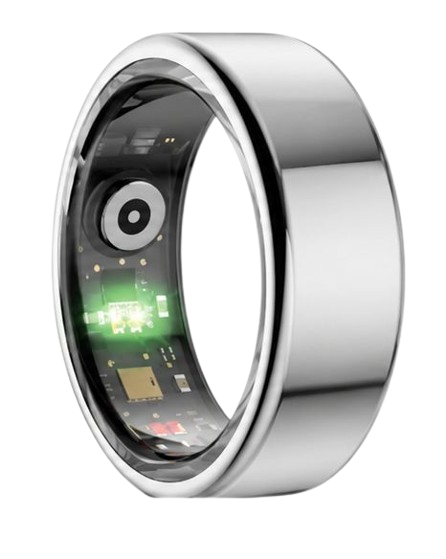
When your body fights off an illness, your cardiovascular system acts as the first line of defense, leaving many to wonder, does infection increase heart rate and resting pulse? The short answer is yes, as your immune response naturally accelerates blood circulation to deploy white blood cells. By tracking these subtle changes with a premium wearable like the Herz P1 Smart Ring, you can gain deep physiological insights and monitor your body’s recovery trends without paying any monthly subscription fees.
Built to Last. Save Up to 69% Today.
The Herz P1 Smart Ring tracks HRV, Sleep, Heart Rate & SpO2 around the clock. No subscriptions. No renewals. Ever.
In This Article
- The Science of Infection: Learn exactly why and how viral or bacterial infections force your heart rate and resting pulse to elevate.
- Autonomic Balance & HRV: Explore how immune stress alters Heart Rate Variability, offering early warning signs before physical symptoms appear.
- Biometric Tracking in Action: Understand the synergistic relationship between blood oxygen levels (SpO2) and elevated pulse rates.
- Practical recovery strategies: Discover how to leverage continuous biometric monitoring to manage daily physiological exertion.
Does Infection Increase Heart Rate? A Biometric Analysis of Immune Response

An infection triggers a complex cascade of biological events that fundamentally alters your resting cardiovascular rhythms.
When pathogenic invaders enter your system, your immune system initiates a highly coordinated defense response.
This immediate immune activation causes a sharp spike in metabolic and cellular activity throughout your body.
As a result, your resting pulse must rise to keep pace with the elevated energy and oxygen demands of your organs.
If you have ever wondered, does a fever make your heart rate go up, the scientific consensus is clear and well-documented.
Your cardiac output must increase to distribute crucial immune cells, thermal regulators, and oxygenated blood to compromised tissues.
This rapid cardiovascular acceleration affects individuals of all ages, from high-performance athletes to busy office workers.
Anyone who continuously monitors their daily biometrics will observe these noticeable shifts during periods of acute immune stress.
Active people often notice that their typical baseline workouts suddenly feel incredibly exhausting and difficult to complete.
Older adults or those with pre-existing vascular conditions may experience even more pronounced cardiovascular strain during mild illnesses.
Even healthy adults will find their hearts working significantly harder to maintain homeostasis while fighting off a basic common virus.
Cardiovascular indicators typically change several hours or even days before you begin to experience conscious physical symptoms.
This early incubation phase is marked by a gradual, unexplained upward drift in your average resting heart rate.
You might notice a sudden drop in your sleep recovery metrics the morning before a formal sore throat or headache develops.
The peak heart rate elevation usually coincides directly with the height of your immune defense, especially if a fever occurs.
As the recovery phase begins, your resting pulse should steadily return to your established, healthy personal baseline.
This physiological adjustment takes place within the complex regulatory pathways of your autonomic nervous system.
The autonomic nervous system continuously regulates automatic bodily functions, including the electrical pacemaking of your heart.
Specifically, the sympathetic branch dominates during times of illness, forcing the sinoatrial node to fire at a faster rate.
At the same time, microscopic vascular changes occur inside your blood vessels to facilitate rapid white blood cell migration.
The heart muscle itself must pump harder, expanding its baseline workload to maintain adequate perfusion across all vital tissues.
The biological justification for an elevated resting pulse revolves around systemic thermal regulation and cellular transport.
When immune cells detect foreign pathogens, they release chemical signaling molecules called pyrogenic cytokines into the bloodstream.
These cytokines instruct the hypothalamus in your brain to raise the body’s internal thermostat, generating a protective fever.
A higher internal temperature creates an incredibly hostile environment for viruses and bacteria, limiting their ability to replicate.
To generate and maintain this elevated temperature, your metabolic rate climbs, requiring the heart to deliver more oxygenated blood.
To fully understand this process, we must look at how the heart receives direct chemical signals to accelerate.
The sympathetic nervous system releases norepinephrine, which directly stimulates cardiac beta-receptors in your heart tissue.
This chemical action causes the heart muscle fibers to contract both faster and with greater mechanical force.
Simultaneously, peripheral blood vessels dilate to allow immune cells easier access to infected or inflamed areas.
This dilation drops overall peripheral vascular resistance, requiring the heart to beat faster to sustain safe, healthy blood pressure.
Medical research indicates that your resting heart rate increases by approximately 8 to 10 beats per minute for every degree Celsius rise in body temperature.
If you are tracking your metrics, discovering an elevated heart rate when sick is a standard, healthy sign of a functional immune system.
A typical baseline pulse of 60 beats per minute can easily climb to a sick resting heart rate of 85 or 90 beats per minute during mild infections.
If a high fever develops, it is highly common to observe a resting pulse 100 with fever during overnight sleep cycles.
These quantified boundaries help you separate normal, expected immune reactions from potentially dangerous clinical complications.
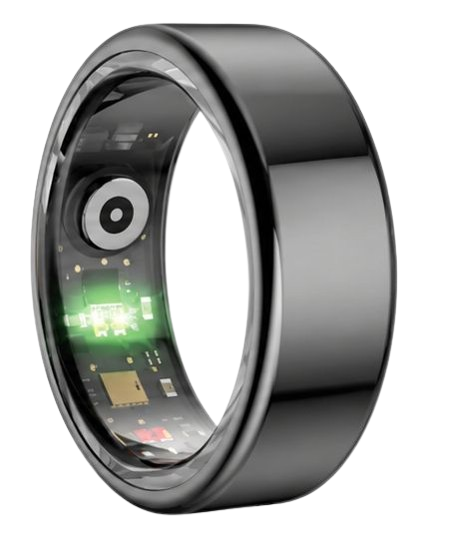
To track these critical shifts in real time without bulky chest straps, the Herz P1 Smart Ring monitors your biometrics 24/7 — explore it here to take control of your health journey.
90-Day 100% Money-Back Guarantee
“The Herz Smart Ring helps me manage stress easily. It’s accurate, stylish, and lightweight—perfect for my busy life!”
— Jennifer P. | ✔ Verified Customer
- ✓ 6-Day Battery Life
- ✓ Detailed Sleep Analysis
- ✓ Fast 1-Hour Charging
- ✓ iOS & Android Ready
Questions? Call: 1-866-479-1629
The Autonomic Toll of Illness: HRV, Tachycardia, and Immune Strain
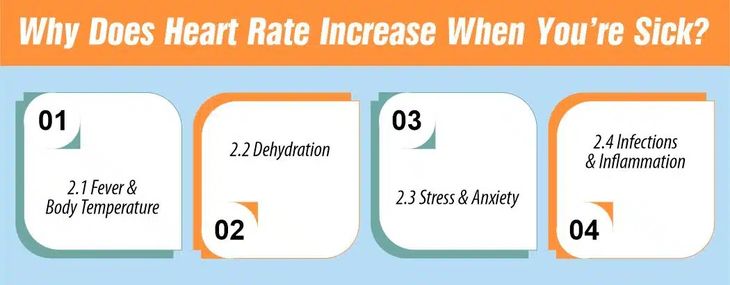
To truly grasp the cardiovascular burden of illness, we must analyze the autonomic nervous system.
The autonomic nervous system is divided into the sympathetic (fight-or-flight) and parasympathetic (rest-and-digest) systems.
During perfect health, these two systems maintain a delicate, dynamic balance on your sinoatrial node.
This continuous balancing act produces natural variations in the time intervals between consecutive heartbeats.
This physiological metric is known as Heart Rate Variability, or HRV.
High HRV scores indicate a resilient, well-rested, and highly adaptable autonomic nervous system.
Conversely, low HRV scores signify that your body is under significant physiological or mental strain.
When pathogens infect your tissues, the immune system shifts your autonomic balance heavily toward sympathetic dominance.
This immediate shift causes your parasympathetic system to retract its protective, calming influence.
As a result, your heart rate loses its micro-variability, and your overall HRV score drops sharply.
This drop in variability often occurs several hours before the physical onset of tachycardia when sick.
Recognizing this early warning sign allows you to rest and hydrate before symptoms fully take hold.
In cases of influenza or severe viral infections, users often record a flu heart rate over 100 beats per minute during rest.
This prolonged elevated state represents a substantial physical workload for your heart muscle.
By tracking these delicate changes daily, you can identify the exact moment your body begins fighting back.
The American Heart Association emphasizes the value of understanding your personal resting heart rate baselines to detect subtle anomalies early.
Blood Oxygen Levels and Resting Pulse Dynamics During Illness
Another critical metric that shifts during infections is blood oxygen saturation, commonly measured as SpO2.
SpO2 represents the percentage of oxygen-carrying hemoglobin in your blood relative to total hemoglobin.
Respiratory infections, such as bronchitis, pneumonia, or modern viral strains, directly impact your lung capacity.
When fluid or inflammation accumulates in the air sacs, oxygen transfer into the bloodstream becomes less efficient.
This localized lung impairment leads to a subtle or distinct decline in your daily SpO2 levels.
To compensate for lower oxygen saturation, your brain instructs the heart to pump blood much faster.
This compensatory mechanism ensures that your vital organs continue to receive a steady supply of oxygen.
Therefore, a drop in SpO2 is almost always accompanied by a corresponding spike in resting pulse rates.
This explains why many people wonder, is your heart rate higher when sick even when they do not feel a fever.
You might experience a high heart rate when sick no fever due to subclinical inflammation or respiratory strain.
Tracking both resting pulse and SpO2 simultaneously provides a complete picture of your cardiorespiratory health.
If SpO2 drops below 90% while resting pulse remains elevated, it indicates the need to consult a healthcare professional.
Using a lightweight, continuous monitoring tool helps you spot these coupled biometric trends without active effort.
The National Sleep Foundation highlights that overnight oxygen drops can severely fracture sleep architecture, compounding daytime fatigue.
Deciphering Your Biometrics to Optimize Daily Recovery
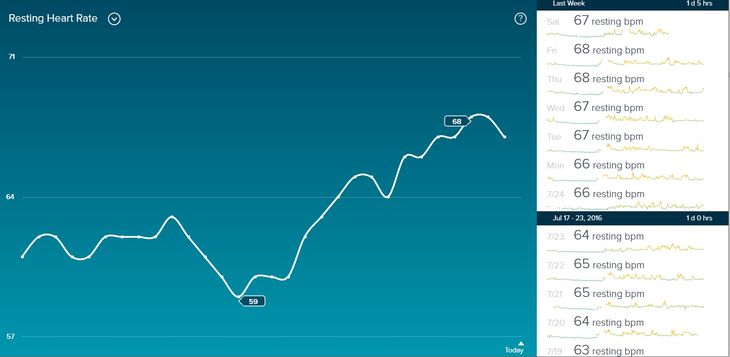
Understanding raw biometric numbers is only valuable if you can translate them into actionable lifestyle choices.
The Herz P1 App consolidates your heart rate, HRV, SpO2, and skin temperature trends into a single, intuitive dashboard.
When you open the app, look first at your morning Readiness Score, which summarizes your overnight physiological strain.
If you notice your resting heart rate is elevated by 5 or more beats per minute, it is time to adjust your schedule.
Reduce your exercise intensity by swapping a high-intensity workout for a gentle walk or a restorative yoga session.
Increase your daily water intake, as hydration helps thin your blood, reducing the mechanical workload on your heart.
Focus heavily on sleep hygiene by avoiding heavy meals and screen exposure for two hours before bedtime.
Wearing a sleek, lightweight smart ring around the clock allows you to capture seamless sleep staging data.
Unlike heavy, glowing smartwatches that can wake you up mid-cycle, the smart ring remains completely unobtrusive.
This 24/7 continuous wear ensures that your weekly and monthly baseline trends are statistically robust and accurate.
By matching your daily exertion to your actual physiological recovery, you prevent chronic overtraining and support your immune system.
Pitfalls in Modern Health Tracking: Comfort and Hidden Expenses
Many wellness enthusiasts attempt to track their health metrics using bulky, traditional smartwatches.
However, wearing a large watch to sleep often creates sensory discomfort, leading to fragmented rest.
The physical size of smartwatches can also cause them to shift on your wrist, resulting in inaccurate sensor readings.
Furthermore, many premium smartwatch brands charge ongoing monthly subscription fees to unlock your own health data.
This business model forces you to pay repeatedly for insights that your body generated naturally.
We believe your personal health data should never be locked behind a paywall.
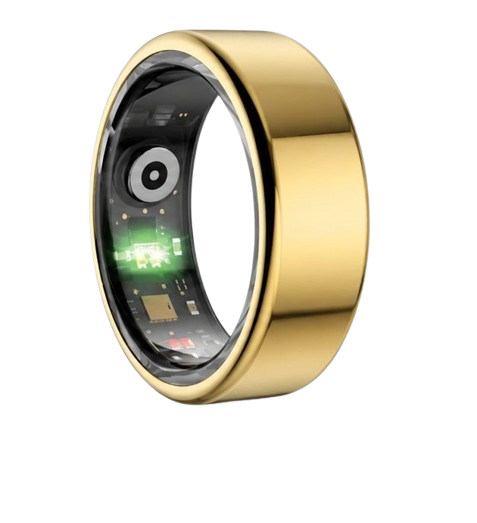
The Herz P1 Smart Ring offers a highly comfortable, military-grade steel design with absolutely zero monthly fees.
You purchase the hardware once, and the full-featured companion app remains free for a lifetime.
By choosing a subscription-free ring, you protect both your personal wellness and your long-term budget.
| Metric / Feature | Herz P1 Smart Ring | Standard Competitors |
|---|---|---|
| Monthly Fee | ✓ $0 (Free Forever) | ✗ Up to $5.99/month |
| Warranty Period | ✓ 2 Years Coverage | ✗ 1 Year Standard |
| Waterproof Rating | ✓ IP68 (Up to 164 ft) | ✗ Limited splashproof |
| Material Durability | ✓ Military-Grade Steel | ✗ Fragile plastics |
| Offline Data Storage | ✓ 7 Days Local Storage | ✗ Requires continuous sync |
Frequently Asked Questions
Is the Herz P1 Smart Ring waterproof?
Yes, the Herz P1 is fully certified with an IP68 waterproof rating.
This industrial-grade standard allows the ring to be safely submerged in water up to 164 feet deep.
You can wear it while swimming laps, washing hands, showering, or relaxing in a hot tub.
The seamless outer steel shell prevents any moisture from reaching the sensitive internal optical sensors.
How long does the battery last on a single charge?
The Herz P1 features an advanced battery that lasts up to 6 days under continuous 24/7 tracking.
When the battery runs low, you can recharge it completely in under 1 hour.
This rapid charging cycle ensures you rarely miss a single minute of sleep or activity tracking.
The long battery life eliminates the daily charging anxiety associated with standard smartwatches.
Which finger is best to wear the smart ring on?
The index finger of your non-dominant hand is the ideal choice for maximum biometric accuracy.
The index finger contains abundant blood vessels close to the skin surface, optimizing optical sensor readings.
Alternatively, you can wear the ring on your middle or ring finger with excellent results.
Ensure the ring fits snugly but comfortably without rotating freely around your knuckle.
Does the Herz P1 store health data offline?
Yes, the ring features internal memory that safely stores up to 7 days of detailed health metrics offline.
You do not need to keep your smartphone nearby or connected to Bluetooth constantly throughout the day.
Once you open the app, the ring automatically syncs and transfers all stored data to your secure dashboard.
This local storage capability is perfect for tracking sleep during camping trips or keeping your bedroom phone-free.
Conclusion
Ready to monitor your health every day? Explore the Herz P1 Smart Ring and see if it fits your lifestyle. Call: 1-866-479-1629 — our team can help you advise on the correct ring size and set personalized health goals.
Note: Individual results may vary depending on individual health conditions, age, and lifestyle habits. This article is intended for general health reference purposes only.
