

Waking up with a fever and noticing a resting heart rate 100 when sick can trigger instant anxiety, but this physiological spike is often a standard response to immune activation. Team Herz P1 understands how unsettling these cardiac warnings feel, which is why we engineered a military-grade, subscription-free health tracker to help you safely decode these vital trends. In this complete guide, we will analyze exactly why your pulse rises during infections, how to track your recovery, and when to seek professional medical advice.
Built to Last. Save Up to 69% Today.
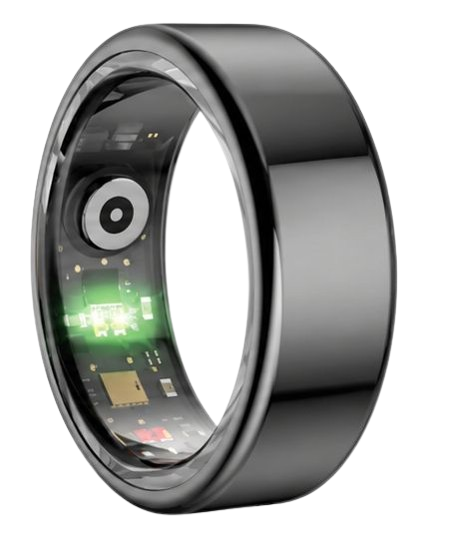
The Herz P1 Smart Ring tracks HRV, Sleep, Heart Rate & SpO2 around the clock. No subscriptions. No renewals. Ever.
In This Article
- The Physiology of Sickness: How viral and bacterial defenses trigger a rapid cardiac acceleration.
- Identifying Tachycardia: Differentiating a standard immunological response from cardiovascular warning signs.
- Smart Ring Tracking: How the Herz P1 utilizes continuous PPG sensors to capture overnight biometric trends.
- Strategic Recovery: Practical lifestyle hacks and metric evaluations to help guide your body back to wellness.
Is a Resting Heart Rate of 100 Normal When Sick? What Your Biometrics Are Trying to Tell You
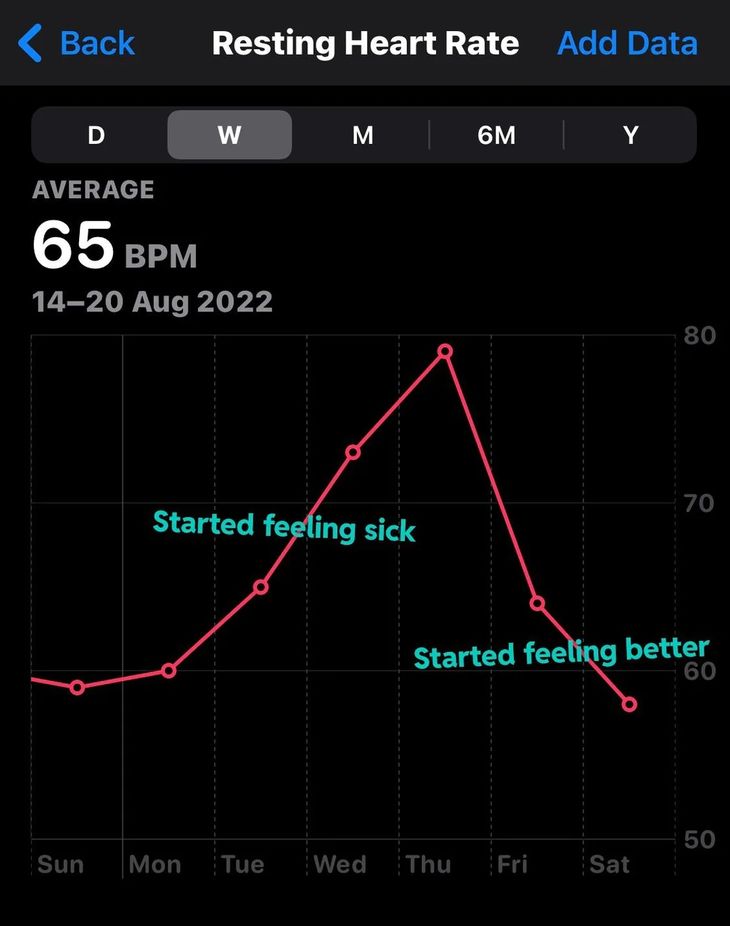
Discovering that your heart rate has climbed to 100 beats per minute while you are resting can feel deeply alarming.
This physiological phenomenon is clinically categorized as mild tachycardia when sick.
Your heart usually beats between 60 and 100 times per minute under standard resting conditions.
When an infectious agent enters your body, your immune system launches an immediate defensive response.
This systemic immune response alters your typical cardiovascular baseline to help distribute white blood cells quickly.
Any individual, ranging from young adults to seasoned seniors, can experience this dramatic biological shift.
This elevation typically occurs at the onset of an infection or when your internal temperature begins to rise.
Your body acts as a centralized combat zone, causing your heart to pump faster to meet metabolic demands.
The primary reason for this change is the intense metabolic strain associated with clearing an active infection.
An elevated temperature forces your blood vessels to dilate to help release heat through your skin.
This biological defense works through the release of inflammatory proteins called cytokines that stimulate your nervous system.
Your adrenal glands release more stress hormones, which directly speed up your cardiac pacing.
For every single degree Fahrenheit your body temperature rises, your heart rate typically increases by about 8 to 10 beats per minute.
This direct mathematical link explains why a mild fever can easily push your normal rate of 70 up to a sick resting heart rate of 100.
Even if you experience a high heart rate when sick no fever, your system is still expending massive energy to clear the cellular debris.
Monitoring these subtle autonomic shifts requires continuous, medical-grade sensor technology that works while you rest.
If you want to track this in real time, the Herz P1 Smart Ring monitors heart rate and temperature trends 24/7 — explore it here.
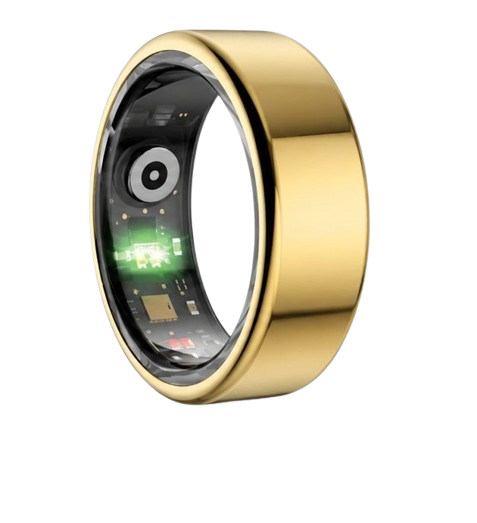
90-Day 100% Money-Back Guarantee
“The Herz Smart Ring helps me manage stress easily. It’s accurate, stylish, and lightweight—perfect for my busy life!”
— Jennifer P. | ✔ Verified Customer
- ✓ 6-Day Battery Life
- ✓ Detailed Sleep Analysis
- ✓ Fast 1-Hour Charging
- ✓ iOS & Android Ready
Questions? Call: 1-866-479-1629
The Physiology Behind a Rising Pulse Rate: Why Does a Fever Make Your Heart Rate Go Up?
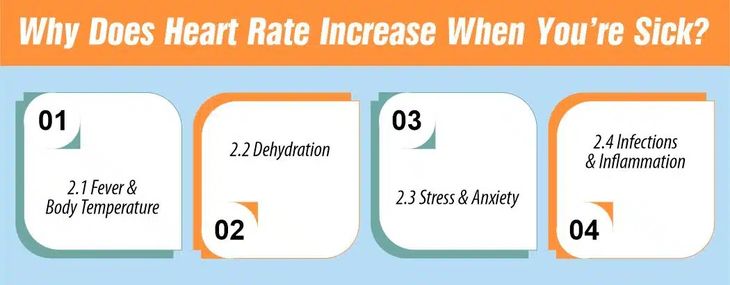
Analyzing the biological mechanisms of fever can demystify why your heart beats faster during an infection.
So, does a fever make your heart rate go up directly?
Yes, the American Heart Association confirms that internal temperature regulation and cardiac output are biologically coupled.
When foreign pyrogens reset your hypothalamus, your peripheral blood vessels dilate to radiate excess heat.
This wide-scale dilation causes a sudden drop in systemic blood pressure, which forces your heart to compensate.
Your sympathetic nervous system takes full control of your cardiac pacemaker cells during this acute stress phase.
Your heart rate variability, or HRV, drops significantly as a direct consequence of this neural takeover.
A lower HRV indicates that your body is actively fighting a threat and has less physiological flexibility.
When your system is healthy, your heart rate is highly variable and responsive to minor daily changes.
When you are suffering from a cold, your heart locks into a steady, rapid rhythm to prioritize biological defense.
This constant, unyielding speed creates a highly visible drop in your daily autonomic recovery score.
An elevated heart rate when sick is therefore a sign of a highly functional, alert immune system.
Your body is prioritizing cellular combat and rapid tissue repair over typical rest-and-digest actions.
At the same time, your blood oxygen saturation may experience minor dips as metabolic oxygen demand surges.
Team Herz P1 designed our smart ring to monitor these integrated biometric shifts simultaneously without bulky screens.
By tracking oxygen saturation, skin temperature, and HRV together, you get an accurate map of your body’s stress.
Based on extensive user data, our ring highlights these integrated trends with an incredibly low margin of error.
This deep metric tracking helps you see exactly when your body transitions from cellular battle to recovery.
Differentiating Mild Tachycardia From Cardiac Warnings During Illness
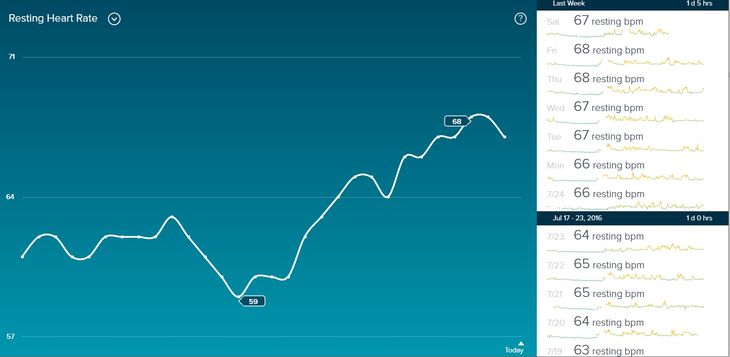
While a resting pulse of 100 is typical during a cold, higher cardiovascular levels demand closer analysis.
It is crucial to know when a standard immune defense crosses the line into potential health risks.
A resting heart rate 120 when sick suggests a much heavier physiological workload on your cardiac muscle.
This higher rate often points to severe dehydration, prolonged hyperthermia, or an aggressive bacterial infection.
If your daily biometrics reveal a resting heart rate 130 when sick, your system is under significant stress.
At this rate, your ventricles are pumping rapidly to keep up with cellular respiration requirements.
A persistent flu heart rate over 100 is standard during the first forty-eight hours of influenza.
However, if your pulse remains highly elevated for days after your temperature breaks, it requires attention.
A prolonged, unyielding state of tachycardia when sick should always be monitored closely.
You must watch for red-flag symptoms such as crushing chest pressure, shortness of breath, or deep lightheadedness.
If you experience these severe sensations, you should consult a qualified healthcare professional immediately.
To keep you informed, a reliable biometric log can help track your exact recovery timeline.
The Herz P1 Smart Ring offers continuous heart monitoring, allowing you to view and share your data trends easily.
This detailed history removes the guesswork and helps your doctor see the precise duration of your high heart rate.
By analyzing your historical graphs, you can objectively observe your heart’s return to its healthy baseline.
This empowers you to make data-informed choices instead of relying on subjective feelings of fatigue.
How to Support Your Heart and Manage Your Recovery Metrics
Helping your body return to its natural baseline requires active physiological support and precise tracking.
You can actively assist your cardiovascular system by implementing several simple lifestyle adjustments.
First, prioritize aggressive hydration because dehydration drops blood volume and forces your heart to beat faster.
Drinking clean water, mineral broths, or electrolyte solutions stabilizes blood volume and naturally lowers your pulse.
Second, focus on physical cooling methods like using cold compresses or resting in a temperate room.
Lowering your body temperature directly reduces the intense metabolic demands placed on your heart.
Third, eliminate all physical tasks and allow your body to dedicate its energy entirely to immune defense.
While you rest, your tracking device should work silently in the background without causing physical discomfort.
Traditional smartwatches can feel heavy, sweaty, and highly intrusive when you are trying to sleep off a cold.
The Herz P1 Smart Ring offers a lightweight, sleek alternative designed for comfortable, twenty-four-hour continuous wear.
Our companion application displays your physiological metrics on a clean, highly intuitive dashboard.
You can easily view your overnight resting heart rate trends and analyze your autonomic recovery score.
If your HRV is steadily rising and your pulse is dropping, your immune system is successfully winning the battle.
You can also track your oxygen saturation levels to verify that your lungs are functioning efficiently.
This comprehensive overview allows you to adjust your recovery activities based on real-time biological feedback.
| Action Step | Cardiovascular Impact | How to Track on Herz P1 |
|---|---|---|
| Aggressive Hydration | Stabilizes blood volume, reducing the need for compensatory rapid pumping. | Observe your real-time heart rate settle downward in the daily graph. |
| Active Fever Reduction | Reduces overall metabolic rate, easing the workload on your cardiac muscle. | Monitor your skin temperature trend line returning to your healthy baseline. |
| Uninterrupted Sleep | Promotes deep parasympathetic dominance, allowing your HRV to rise. | Check your sleep stage breakdown to verify adequate Deep and REM cycles. |
Restorative sleep is your body’s primary weapon when fighting off any viral invader.
During deep sleep, your body releases crucial cytokines that target infections and promote healing.
The National Sleep Foundation emphasizes that poor sleep quality directly impairs your overall immune function.
With the Herz P1, you can track your deep and REM sleep cycles to ensure your body is getting enough recovery time.
If you notice a severe lack of deep sleep, you can adjust your environment to support better overnight rest.
Avoiding the Mistakes of Bulky Wearables and Hidden Subscription Costs
Many individuals try to monitor their health using heavy, screen-based wrist trackers.
However, wearing a bulky smartwatch to sleep while feverish can lead to skin irritation and sleep disruptions.
Thick silicone straps trap sweat and body heat, which is highly uncomfortable when you are feverish.
Additionally, many wearable brands charge expensive monthly app subscription fees to view your own health data.
We believe you should never have to pay a recurring fee to understand your body’s baseline signals.
The Herz P1 Smart Ring requires absolutely zero monthly subscription fees to access your data.
Our app remains completely free for your entire lifetime, giving you unrestricted access to all biometric metrics.
Furthermore, the Herz P1 is built from military-grade steel to ensure it survives every aspect of your daily life.
It is completely IP68 waterproof, meaning you can wash your hands, shower, or bathe without taking it off.
We also support your purchase with an industry-leading 2-year warranty and a generous 90-day money-back guarantee.
This ensures you can track your vital health trends with complete confidence and absolutely zero financial risk.
Frequently Asked Questions
Is the Herz P1 Smart Ring waterproof?
Yes, the Herz P1 features a robust IP68 waterproof rating.
It is certified to withstand continuous water immersion up to 164 feet.
You can safely wear it while washing your hands, taking hot showers, swimming, or sweating during intense workouts.
You never have to remove your ring, ensuring seamless biometric data tracking throughout your entire day.
How long does the battery last?
The Herz P1 battery lasts up to 6 days on a single charge under normal usage conditions.
It charges exceptionally fast, reaching a full one hundred percent battery in under 1 hour.
We recommend placing it on the charger briefly during your morning shower to maintain a continuous charge.
This rapid charging cycle ensures you never miss a single minute of overnight sleep or heart rate tracking.
Which finger is best to wear it on?
We recommend wearing the Herz P1 on your index, middle, or ring finger.
Your non-dominant hand is usually preferred to minimize accidental scratches during daily physical activities.
The blood vessels in these fingers are close to the skin surface, which optimizes optical sensor performance.
Ensure the ring fits snugly but comfortably without rotating excessively or constricting your circulation.
Does it store data offline?
Yes, the Herz P1 Smart Ring features up to 7 days of local, offline data storage.
You do not need to keep your smartphone connected via Bluetooth at all times.
Your ring will automatically sync all stored health metrics the next time you open the companion application.
This offline capability is perfect for keeping your data secure and continuous, even during outdoor trips.
What is the margin of error for the heart rate sensor?
Our multi-wavelength optical sensors are engineered to perform with professional-grade accuracy.
The Herz P1 operates with a heart rate margin of error of under 2 percent compared to clinical ECG monitors.
This ensures your daily resting heart rate trends are highly accurate and completely reliable.
You can confidently use these metrics to make informed decisions about your daily recovery and physical pacing.
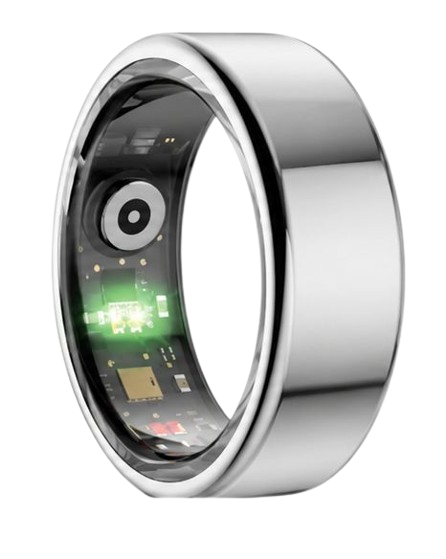
Take Charge of Your Cardiorespiratory Health Today
Monitoring your biometrics during illness provides vital peace of mind.
An elevated pulse is a natural sign of your immune system working hard.
Let the Herz P1 Smart Ring track your daily trends accurately without any subscription fees.
Ready to monitor your health every day?
Explore the Herz P1 Smart Ring and see if it fits your lifestyle.
Call: 1-866-479-1629 — our team can help you advise on the correct ring size and set personalized health goals.
Note: Individual results may vary depending on individual health conditions, age, and lifestyle habits. This article is intended for general health reference purposes only.
