

Many nocturnal waking panic episodes leave people wondering, can you get sleep paralysis on your side, or is this terrifying experience restricted only to back sleepers? While sleeping on your back remains the most prominent trigger for these episodes, you can absolutely experience sleep paralysis while lying on either side. At Herz P1, our goal is to help you decode your unique sleep architecture so you can rest with confidence and security.
Built to Last. Save Up to 69% Today.
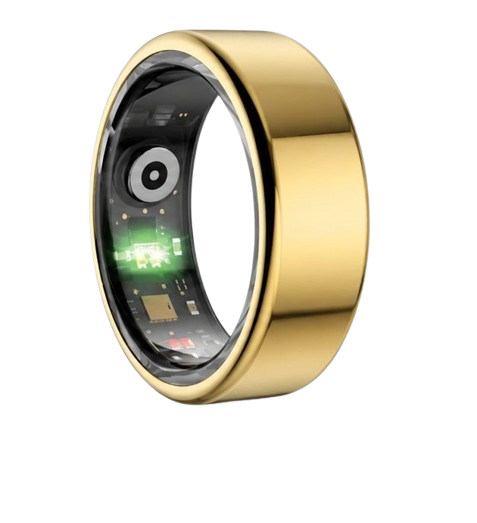
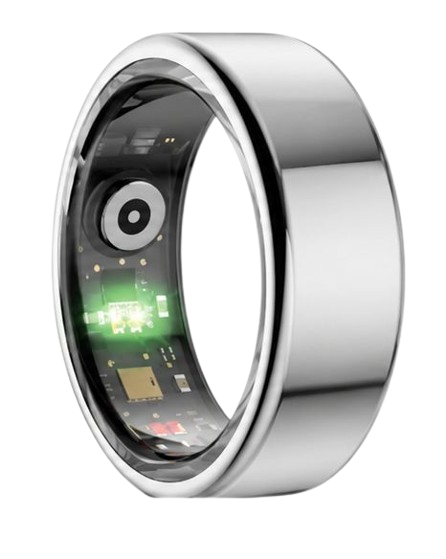
The Herz P1 Smart Ring tracks HRV, Sleep, Heart Rate & SpO2 around the clock. No subscriptions. No renewals. Ever.
In This Article
- Understanding the physiological mechanisms of sleep paralysis during side sleeping.
- The exact role of REM sleep intrusion and autonomic nervous system transitions.
- Practical biometric analysis methods to track sleep stage disruptions.
- Key lifestyle adjustments to stabilize sleep architecture and manage night panic.
Can You Get Sleep Paralysis on Your Side?
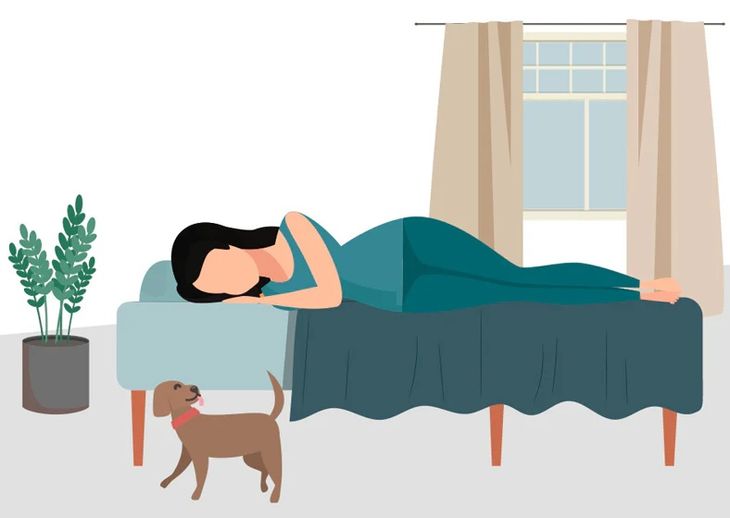
To fully comprehend this phenomenon, we must address the issue through a clinical and structural framework.
Sleep paralysis is a brief, transitional state of involuntary muscle atonia that occurs during the boundaries of sleep.
This state becomes conscious when your mind awakens before the active motor suppression of rapid eye movement (REM) sleep has successfully dissolved.
It can affect anyone, though it is notably more prevalent in individuals navigating high stress, variable shift work, or persistent sleep deficits.
These episodes occur during two distinct periods: as you drift off to sleep (hypnagogic) or as you wake up in the morning (hypnopompic).
While sleeping in a supine (back) position places you at a much higher statistical risk due to gravitational airway obstruction, the side sleeping posture does not make you immune to these episodes.
The core mechanism of sleep paralysis is fundamentally neurological rather than purely physical.
When you are physically exhausted or highly anxious, your brain struggles to transition cleanly out of the REM sleep stage.
Even if you are resting on your side, a sudden environmental disruption can cause your conscious mind to snap awake while your spinal cord remains chemically blocked from transmitting motor signals.
Quantitative sleep studies from the National Sleep Foundation indicate that approximately 7.6% of the general population will experience sleep paralysis at least once in their lifetime.
Among those individuals who struggle with chronic, recurrent episodes, up to 15% report that these events occur even while they are maintaining a lateral posture.
If you want to track your sleep transitions in real time, the Herz P1 Smart Ring monitors these shifts 24/7 — explore it here.

90-Day 100% Money-Back Guarantee
“The Herz Smart Ring helps me manage stress easily. It’s accurate, stylish, and lightweight—perfect for my busy life!”
— Jennifer P. | ✔ Verified Customer
- ✓ 6-Day Battery Life
- ✓ Detailed Sleep Analysis
- ✓ Fast 1-Hour Charging
- ✓ iOS & Android Ready
Questions? Call: 1-866-479-1629
The Physiology of REM Sleep Intrusion and Position-Based Micro-Arousal
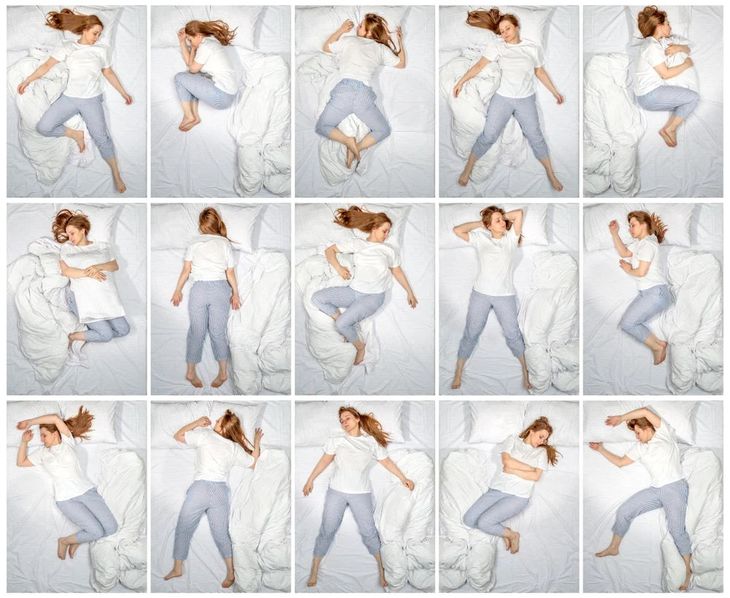
To fully appreciate the scientific dynamics at play, we must explore the neurological reality of sleep paralysis side sleeping patterns.
During a healthy REM sleep phase, your brain experiences high-frequency electrical activity that mirrors your waking mind.
To keep you from acting out your dreams, your brainstem actively blocks motor signals using neurotransmitters like glycine and GABA.
This biological block is called REM atonia.
When you suffer from sleep fragmentation, your conscious mind can awaken while this atonia is still fully engaged.
This is where your body posture comes into play.
Lying on your back often causes the tongue to fall backward, partially blocking the airway.
This partial blockage causes blood oxygen levels to drop, triggering a sudden panic response from the brain.
The brain releases a rush of adrenaline to force you awake, but because you woke up so abruptly, the motor block does not have time to dissolve.
When you transition to side sleeping, the mechanical threat of airway collapse is greatly reduced.
This lateral orientation allows for much steadier oxygen levels throughout the night.
However, you can still experience micro-arousals from other sources of physiological stress.
For instance, if you are sleeping curled up in an awkward or overly restrictive position, you may experience muscle strain or nerve pressure.
This physical discomfort can trigger a sudden stress-induced awakening.
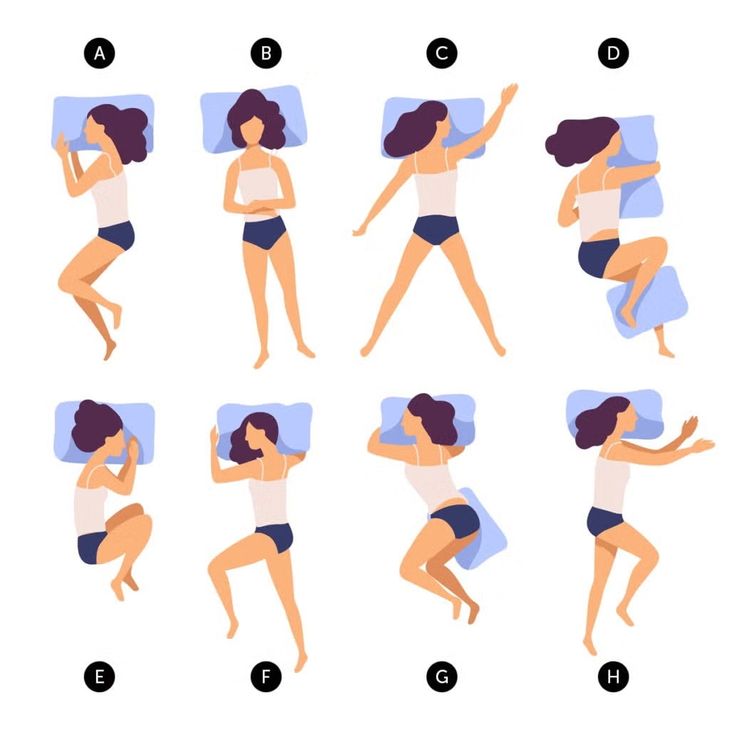
Similarly, entering a deep fetal position sleep style can restrict your lung expansion if you hold tension in your shoulders and chest.
This restriction can cause minor respiratory strain, leading to an abrupt, disorienting micro-arousal.
Therefore, understanding your personal sleep position meaning and structural habits is incredibly valuable.
By learning how your body moves and breathes during the night, you can take control of your sleep hygiene.
Biometric Indicators: How Your Heart Rate and Oxygen Levels Signal Sleep Disruptions
Your body constantly broadcasts detailed physiological data before, during, and after any sleep disturbance.
By paying attention to two critical biometrics—Heart Rate Variability (HRV) and Blood Oxygen Saturation (SpO2)—you can easily spot patterns of sleep fragmentation.
The American Heart Association highlights that sudden awakenings from deep sleep are strongly tied to immediate, sharp increases in heart rate.
Under normal conditions, your heart rate should slow down and stabilize as you transition into deep sleep stages.
If you have low HRV, it means your autonomic nervous system is stuck in a sympathetic “fight-or-flight” state.
This chronic state of alertness makes you highly vulnerable to sudden, disruptive micro-arousals.
At the same time, monitoring your SpO2 levels is vital for identifying underlying breathing difficulties.
If your airway is compromised, your oxygen saturation can dip briefly, alerting the brain to wake up and restore proper respiration.
Many individuals try to make an unconscious transition from fetal sleep to a flat back position during the night.
This movement often leads to immediate airway obstruction and a subsequent waking panic episode.
By tracking your biometrics with the Herz P1 Smart Ring, you can pinpoint the exact moments these disruptions happen.
The Herz P1 uses highly sensitive optical sensors to monitor your heart rate, HRV, and SpO2 levels every 5 minutes.
If you notice regular drops in your overnight oxygen saturation, you can proactively change your sleeping habits.
For example, adjusting your posture to the yearner sleeping position can help keep your chest open and promote steady, unhindered breathing.
With access to this detailed, continuous data, you can make informed adjustments to your evening routine and create a safer, more restful sleep environment.
Transforming Biometric Data into Better Sleep Habits
To get the most out of your sleep data, you must learn how to turn those numbers into actionable, daily habits.
The Herz P1 companion app provides a clear, highly detailed breakdown of your sleep architecture every single morning.
When you sync your ring, the app delivers a personalized Sleep Score calculated from your total rest, deep sleep, and autonomic recovery.
If you see a low Sleep Score combined with a elevated overnight stress reading, your body is signaling that it needs rest.
You can use these key insights to adjust your daily physical activity and avoid overworking an already exhausted nervous system.
To actively reduce the frequency of sleep paralysis, focus on building a highly consistent sleep schedule.
Going to bed and waking up at the exact same time every day helps anchor your circadian rhythm.
This consistency trains your brain to transition smoothly between different sleep cycles, reducing the chance of REM intrusion.
Additionally, make sure your bedroom is a cool, quiet, and completely dark sanctuary.
Keep in mind that consuming heavy meals, alcohol, or caffeine close to bedtime can fragment your sleep.
These substances disrupt your REM phases and increase your risk of experiencing waking panic.
Before turning off the lights, spend ten minutes practicing deep, slow breathing or progressive muscle relaxation.
These calming practices stimulate your vagus nerve and raise your HRV, preparing your body for a peaceful, continuous night of rest.
Learning how to avoid sleep paralysis positions by using body pillows can also keep you comfortably on your side all night.
The slim, lightweight design of the Herz P1 ensures you can sleep naturally without any physical distractions.
Unlike heavy, uncomfortable smartwatches that press into your skin, our medical-grade smart ring is designed for ultimate 24/7 comfort.
Optimizing Lateral Postures for Maximum Airway Support
To enjoy the full side sleeper health benefits, you should optimize your lateral posture to keep your neck and spine aligned.
Place a supportive, medium-firm pillow under your head to keep your neck in a neutral position.
You can also place a thin pillow between your knees to relieve pressure on your lower back and pelvis.
This physical alignment prevents muscle tension, which is a common trigger for micro-arousals.
By reviewing different popular sleeping positions, you can find the variation that feels most natural for your body.
Whether you prefer a relaxed fetal layout or a straighter side-sleeping alignment, the key is to stay comfortable and completely tension-free.
Overcoming Wearable Pitfalls and Sleep Tracking Errors
Many people make the critical mistake of wearing bulky, heavy smartwatches to bed.
These oversized devices often slide around on your wrist during the night, leading to inaccurate sensor readings.
They can also dig into your skin, causing physical irritation that wakes you up and disrupts your sleep cycle.
Furthermore, many premium smartwatches require daily charging, meaning you often have to leave them on the charger overnight.
Another major frustration in the wearable market is the hidden cost of ongoing monthly app subscriptions.
Many brands lock your personal health insights behind expensive paywalls that add up year after year.
At Team Herz P1, we believe that you should have unlimited access to your personal health metrics without any extra fees.
Our comprehensive companion app is completely free for life, with absolutely zero monthly subscriptions.
This allows you to track your historical trends, sleep stages, and cardiovascular recovery without any recurring costs.
Additionally, our smart ring features a robust six-day battery life, allowing you to track your sleep continuously for nearly a week.
You can easily recharge the ring in under an hour while you take your morning shower, keeping your data collection completely seamless.
The ring’s military-grade steel construction is built to handle everyday life, offering scratch-resistant durability.
With its IP68 waterproof rating, you can confidently wear it in the shower, the pool, or even the sauna.
By choosing a comfortable, subscription-free smart ring, you can focus entirely on improving your sleep and recovery.
Frequently Asked Questions About Sleep Paralysis and Wearables
Is the Herz P1 Smart Ring waterproof?
Yes, the Herz P1 features a premium IP68 waterproof rating.
It can be safely submerged in water up to 164 feet deep, making it incredibly durable.
You can wear it while swimming laps, taking a shower, washing your hands, or sweating during an intense workout.
How long does the battery last?
The smart ring is engineered to deliver up to six days of continuous tracking on a single charge.
It features a rapid-charging design that goes from zero to one hundred percent battery in under an hour.
This efficient performance minimizes downtime and ensures you never miss a night of sleep analysis.
Which finger is best to wear the smart ring on?
For the highest level of biometric sensor accuracy, we recommend wearing the ring on your index finger.
However, the middle and ring fingers are also excellent alternatives that provide highly reliable data.
Make sure the ring fits snugly but comfortably, without rotating too easily around your knuckle.
Does the ring store my health data offline?
Yes, the Herz P1 has built-in local storage that holds up to seven days of biometric data offline.
You do not need to keep your smartphone near your bed or connected to Bluetooth while you sleep.
The next time you open the companion app, your stored sleep and heart metrics will automatically sync and update.
How do I avoid sleep paralysis positions?
To reduce your risk of an episode, avoid sleeping flat on your back, as this position can restrict your breathing.
Instead, practice side sleeping and use supportive pillows to prevent yourself from rolling onto your back during the night.
Using a smart ring can help you track your sleep movements and see if you are shifting positions during restless phases.
Conclusion
Understanding your personal sleep architecture is the first step toward reclaiming peaceful, restorative nights.
By tracking your biometrics with the Herz P1 Smart Ring, you gain the precise insights needed to eliminate sleep disruption.
Ready to monitor your health every day?
Explore the Herz P1 Smart Ring and see if it fits your lifestyle.
Call: 1-866-479-1629 — our team can help you advise on the correct ring size and set personalized health goals.
